Journal of Peking University (Health Sciences) ›› 2026, Vol. 58 ›› Issue (3): 479-489. doi: 10.19723/j.issn.1671-167X.2026.03.006

Previous Articles     Next Articles

Association between umbilical cord blood proteome and early infant neurodevelopmental risk

Jingxian MO1, Haijun WANG1, Jue LIU2, Qin LI1, Tao SU3,*(), Yuelong JI1,*()   

  1. 1. Department of Maternal and Child Health, Peking University School of Public Health, Beijing 100191, China
    2. Department of Epidemiology and Biostatistics, Peking University School of Public Health, Beijing 100191, China
    3. Tongzhou Maternal & Child Health Hospital of Beijing, Beijing 101100, China
  • Received:2026-02-25 Online:2026-06-18 Published:2026-04-24
  • Contact: Tao SU, Yuelong JI
  • Supported by:
    the National Natural Science Foundation of China(82204055)

RICH HTML


Abstract:

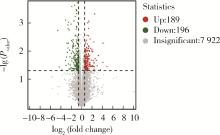
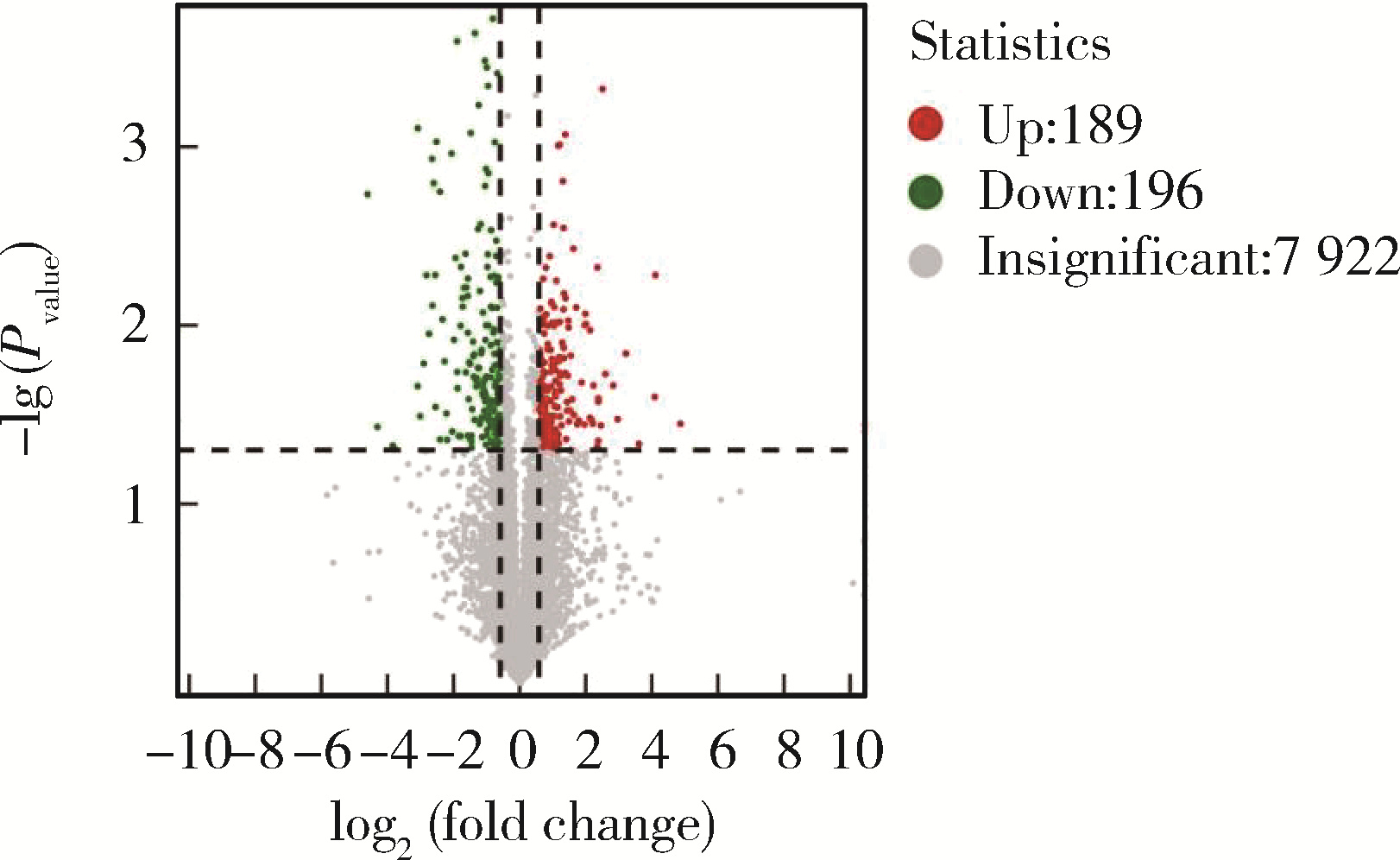
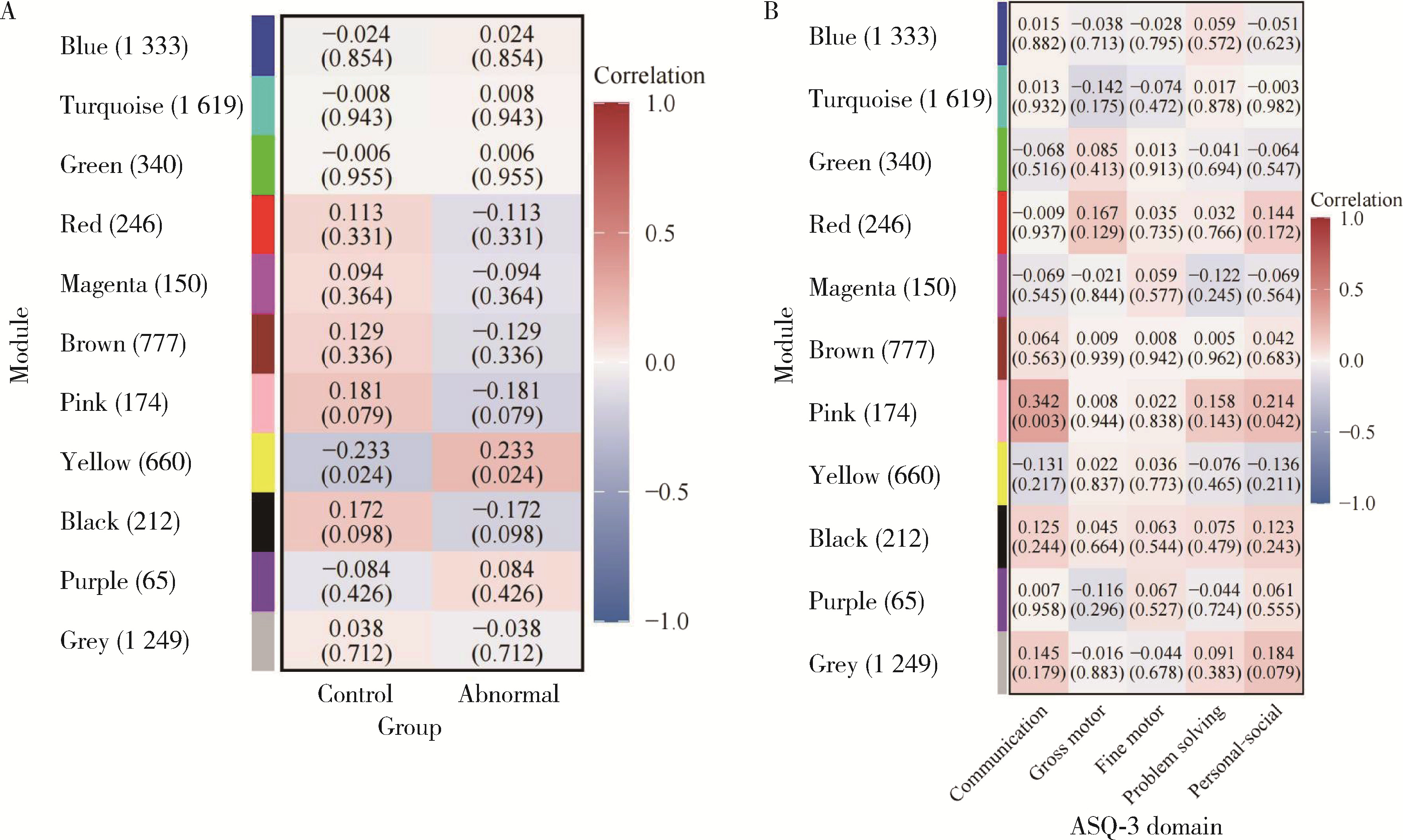
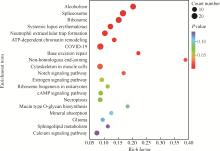
Objective: To systematically investigate the associations between umbilical cord blood protein expression profiles and early infant neurodevelopment using a prospective birth cohort, to identify potential early biomarkers through high-throughput proteomics, and to explore underlying biological mechanisms, thereby providing scientific evidence for early identification of neurodevelopmental risks and understanding the molecular basis of neurodevelopmental deviations in general populations. Methods: Based on the Peking University Birth Cohort in Tongzhou, this study enrolled 96 children who completed ages and stages questionnaires, third edition (ASQ-3) assessments at 1 and 3 years of age. Participants were classified into an abnormal group (n=42) and a control group (n=54) according to ASQ-3 screening results. Non-targeted quantitative proteomics was performed on cryopreserved umbilical cord blood plasma samples collected at birth. Differential expression analysis, principal component analysis (PCA), orthogonal partial least squares discriminant analysis (OPLS-DA), and weighted gene co-expression network analysis (WGCNA) were conducted to identify differentially expressed proteins, followed by Gene Ontology (GO) and Kyoto Encyclopedia of Genes and Genomes (KEGG) functional enrichment analyses. The fold change (FC) was calculated. Independent samples t-test was used for statistical comparison, with Benjamini-Hochberg method applied to calculate false discovery rate (FDR) for multiple testing correction. Results: Proteomic analysis identified 8 214 common proteins, among which 385 proteins were differentially expressed (P < 0.05, |log2FC| >0.585), including 189 proteins upregulated and 196 proteins downregulated in the abnormal group. PCA and OPLS-DA revealed systematic differences in protein expression patterns between the two groups. WGCN A identified 10 co-expression modules, with the yellow module showing significant negative correlation with ASQ-3 abnormal grouping (r=-0.233, P=0.024) and the pink module positively correlating with communication domain scores (r=0.342, P=0.003). Enrichment analyses demonstrated that differential proteins and key modules were primarily enriched in two functional categories: (1) genetic information processing pathways, including ribosome, spliceosome, and mRNA processing; and (2) cytoskeleton organization and Wnt signaling pathways. These pathways held significant biological relevance in the pathogenesis of neurodevelopmental disorders. Conclusion: Perturbations in proteins associated with genetic information processing and cytoskeleton/Wnt signaling pathways in umbilical cord blood may represent important molecular characteristics of early neurodevelopmental screening abnormalities in infants. This study provides potential peripheral blood biomarker combinations for early identification of neurodevelopmental risks in general populations and offers novel insights into the biological mechanisms underlying neurodevelopmental deviations. Future research should validate these findings in larger-scale cohorts and elucidate specific functional mechanisms of key proteins through experimental studies.

Key words: Umbilical cord blood, Proteomics, Neurodevelopment, Birth cohort

CLC Number: 

  • R174.6

Table 1

Baseline characteristics of the proteomics study population"

Characteristics Total (n=96) Control (n=54) Abnormal (n=42) P Statistics
Age/years,M(P25, P75) 29.0 (27.0, 31.0) 28.0 (26.8, 32.0) 30.0 (27.0, 31.0) 0.655 Z=983.00
Age category, n (%) 0.177 -
   < 35 years 82 (89.1) 44 (84.6) 38 (95.0)
  ≥35 years 10 (10.9) 8 (15.4) 2 (5.0)
Parity, n (%) 0.833 -
  Nulliparous 60 (62.5) 33 (61.1) 27 (64.3)
  Multiparous 36 (37.5) 21 (38.9) 15 (35.7)
BMI/(kg/m2), M(P25P75) 21.3 (19.7, 23.8) 21.3 (19.7, 23.6) 21.3 (19.7, 23.9) 0.813 Z =1 048.50
BMI category, n (%) 0.691 χ2=0.74
   < 18.5 kg/m2 7 (7.4) 5 (9.3) 2 (5.0)
  ≥18.5- < 22.5 kg/m2 50 (53.2) 29 (53.7) 21 (52.5)
  ≥22.5 kg/m2 37 (39.4) 20 (37.0) 17 (42.5)
Education level, n (%) 0.073 χ2=5.24
  High school/technical secondary 12 (16.4) 4 (10.0) 8 (24.2)
  Junior college 32 (43.8) 22 (55.0) 10 (30.3)
  Bachelor’s degree or above 29 (39.7) 14 (35.0) 15 (45.5)
Annual household income, n (%) 0.899 χ2=0.59
   < 30 000 yuan 2 (2.2) 1 (2.0) 1 (2.5)
  ≥30 000- < 80 000 yuan 20 (22.0) 10 (19.6) 10 (25.0)
  ≥80 000-15 000 yuan 29 (31.9) 16 (31.4) 13 (32.5)
  ≥150 000 yuan 40 (44.0) 24 (47.1) 16 (40.0)
Infant feeding mode, n (%) 0.033 χ2=6.81
  Artificial feeding 6 (7.8) 2 (4.2) 4 (13.8)
  Exclusive breastfeeding 60 (77.9) 42 (87.5) 18 (62.1)
  Mixed feeding 11 (14.3) 4 (8.3) 7 (24.1)
Gestational diabetes mellitus, n (%) 29 (30.2) 17 (31.5) 12 (28.6) 0.825 -
Gestational hypertension, n (%) 3 (3.1) 3 (5.6) 0 (0.0) 0.254 -
Alcohol consumption, n (%) 0 (0.00) 0 (0.00) 0 (0.00) >0.999 χ2=0.00
Smoking and/or passive smoking, n (%) 35 (36.5) 16 (29.6) 19 (45.2) 0.137 -
Folic acid supplementation, n (%) 80 (84.2) 46 (85.2) 34 (82.9) 0.783 -
Gestational age at delivery/ weeks 39.0 (38.0, 40.0) 39.0 (38.2, 40.0) 39.0 (38.0, 40.0) 0.216 Z =1 296.00
Birth weight/g, ${\bar x}$±s 3 385.3±376.7 3 282.0±274.7 3 518.1±446.3 0.004 t=-3.01
Male, n (%) 45 (46.9) 22 (40.7) 23 (54.8) 0.217 -

Figure 1

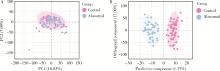
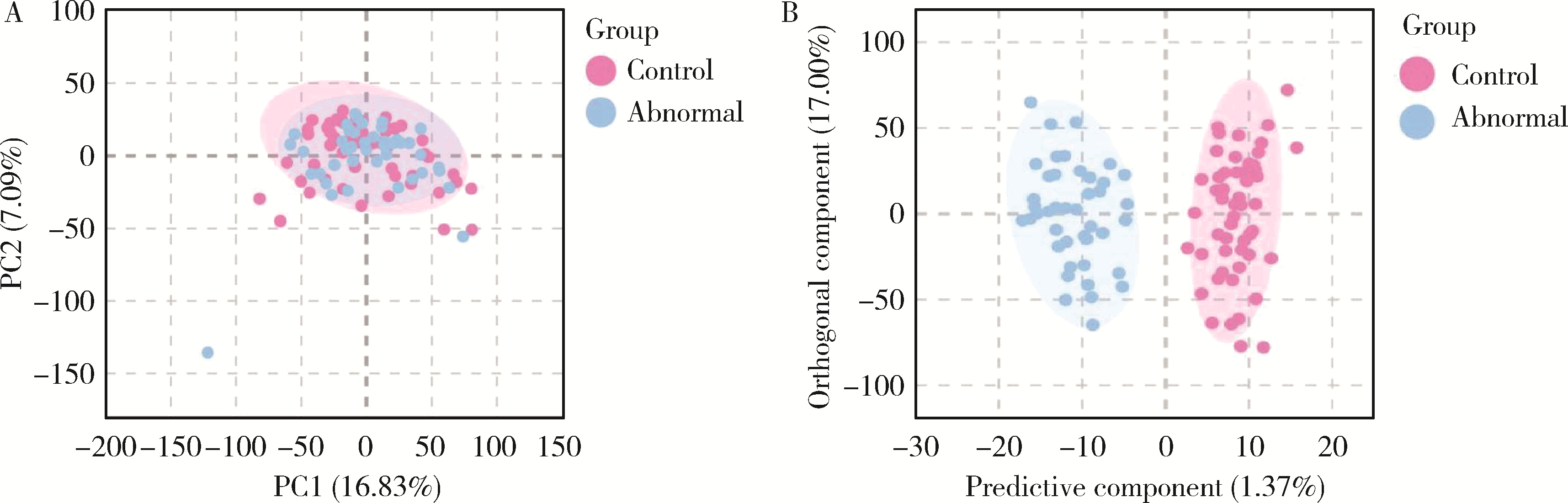
PCA and OPLS-DA score plots of umbilical cord blood protein expression profiles A, PCA score plot of cord blood proteome profiles; B, OPLS-DA score plot of cord blood proteome profiles. Values in parentheses indicate the explained variance. PC1, first principal component; PC2, second principal component; PCA, principal component analysis; OPLS-DA, orthogonal partial least squares discriminant analysis."

Figure 2

Volcano plot analysis showing differential protein expression profiles in cord blood"

Figure 3

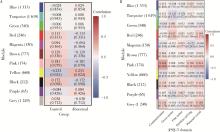
Module-trait correlation heatmap of WGCNA protein modules A, correlations between WGCNA gene co-expression modules and group status; B, correlations between modules and ASQ-3 developmental domains. The left labels indicate module names (number of proteins within each module), and the labels within the heatmap represent Pearson correlation coefficients (P values). ASQ-3, ages & stages questionnaires, third edition; WGCNA, weighted gene co-expression network analysis."

Table 2

Enrichment analysis results of significantly associated modules"

Module GO biological process GO molecular function GO cellular component KEGG pathway
Pink
Cortical actin cytoskeleton organization Spectrin binding Spectrin-associated cytoskeleton Mineral absorption
Heme biosynthetic process Calmodulin binding Basolateral plasma membrane Collecting duct acid secretion
Cell cycle Structural constituent of cytoske- leton Integral component of plasma membrane Mitophagy-animal
Cellular iron ion homeostasis Cytoskeletal anchor activity Protein kinase CK2 complex Porphyrin metabolism
Iron ion homeostasis Proton-transporting ATPase activity, rotational mechanism Cell junction Wnt signaling pathway
Yellow
Translation Structural constituent of ribosome Nucleolus Ribosome
mRNA splicing (via spliceosome) DNA binding Nuclear speck Spliceosome
mRNA processing mRNA binding Focal adhesion COVID-19
Cytoplasmic translation Chromatin binding Endoplasmic reticulum Neutrophil extracellular trap formation
RNA splicing Zinc ion binding Cytosolic large ribosomal subunit mRNA surveillance pathway

Figure 4

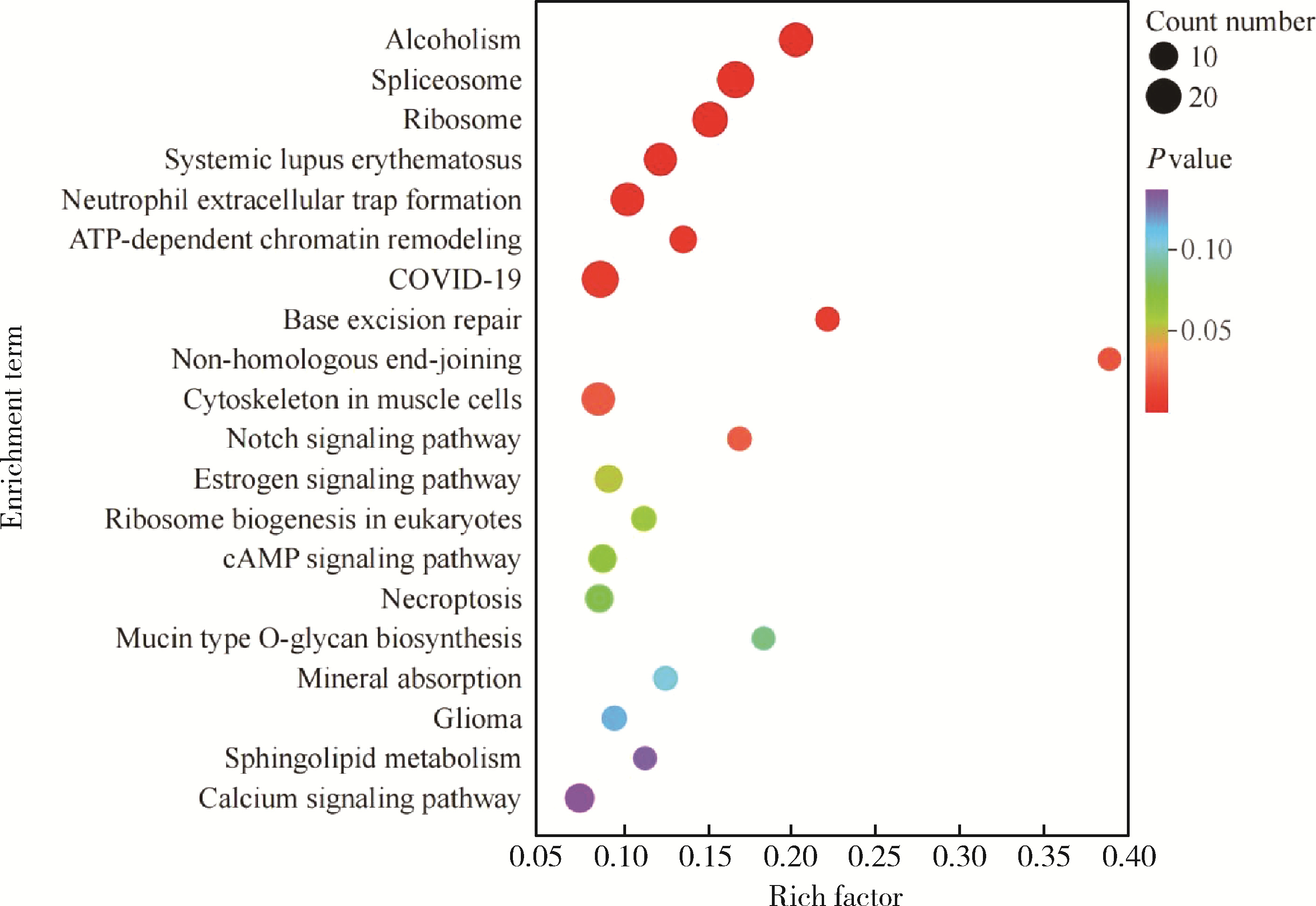
Bubble plot of KEGG pathway enrichment analysis for differentially expressed proteins Rich factor=(differential proteins in pathway/total differential proteins) ÷ (background proteins in pathway/total background proteins). ATP, adenosine triphosphate; COVID-19, coronavirus disease-2019; cAMP, cyclic adenosine monophosphate; KEGG, Kyoto encyclopedia of genes and genomes."

Figure 5

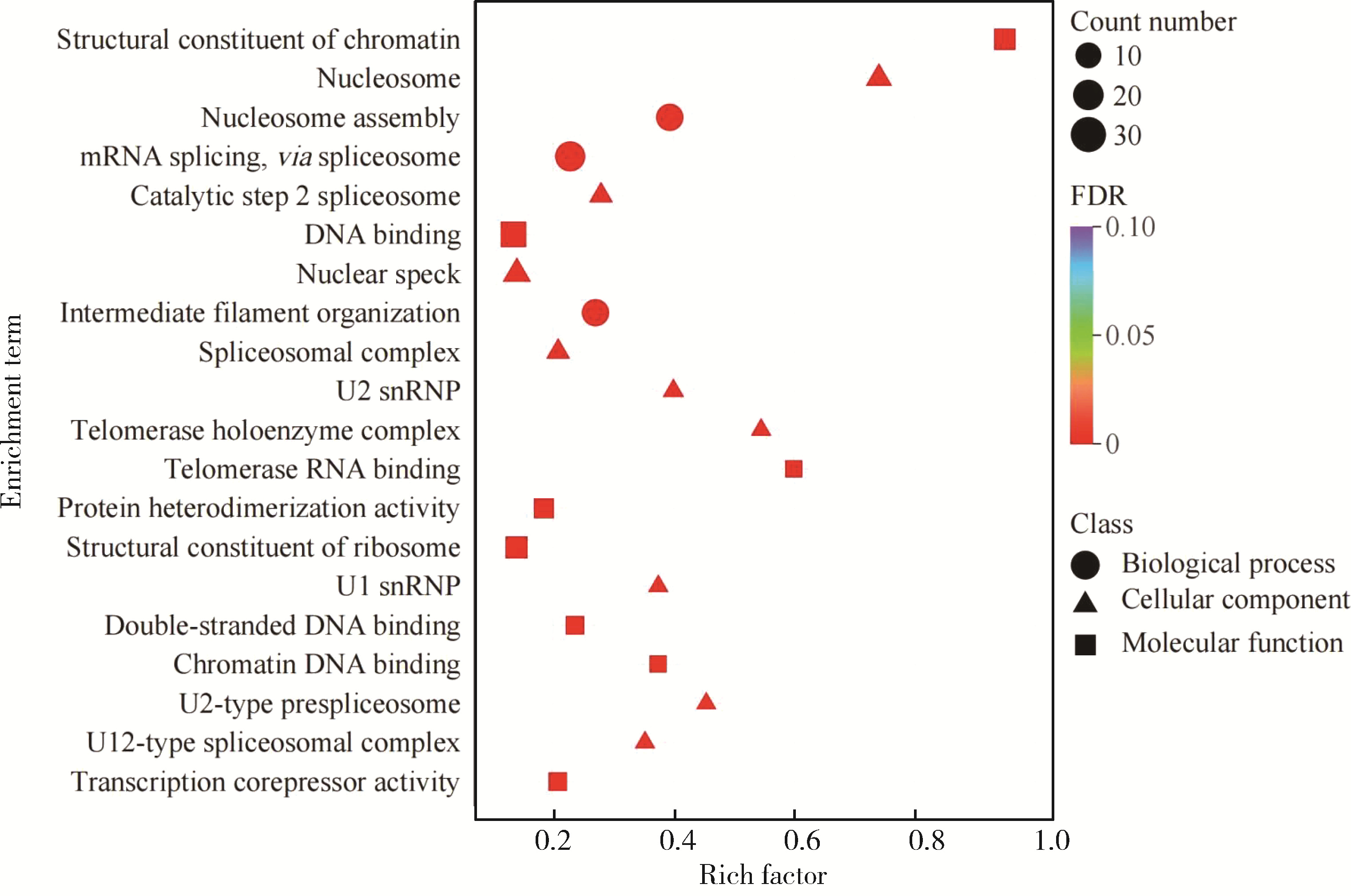
Bubble plot of GO pathway enrichment analysis for differentially expressed proteins mRNA, messenger ribonucleic acid; DNA, deoxyribonucleic acid; snRNP, small nuclear ribonucleoprotein; RNA, ribonucleic acid; FDR, false discovery rate; GO, gene ontology."

1
Bondi BC , Tassone VK , Bucsea O , et al. A systematic review of neurodevelopmental assessments in infancy and early childhood: Developing a conceptual framework, repository of measures, and clinical recommendations[J]. Neuropsychol Rev, 2025, 35 (2): 337- 353.

doi: 10.1007/s11065-024-09641-7
2
Karakochuk CD , Whitfield KC , Green TJ , et al. The biology of the first 1 000 days[M]. Boca Raton: CRC Press, 2017: 3- 16.
3
Micai M , Fulceri F , Caruso A , et al. Early behavioral markers for neurodevelopmental disorders in the first 3 years of life: An overview of systematic reviews[J]. Neurosci Biobehav Rev, 2020, 116, 183- 201.

doi: 10.1016/j.neubiorev.2020.06.027
4
Gutiérrez-Ruiz K , Santoya Montes Y . Early detection of neuro-developmental disorders as a strategy for educational inclusion in early childhood education[J]. Int J Disabil Dev Educ, 2025, 72 (3): 523- 539.

doi: 10.1080/1034912X.2024.2370799
5
魏梅, 卞晓燕, 姚国英, 等. 年龄与发育进程问卷中国常模及心理测量学特性研究[J]. 中华儿科杂志, 2015, 53 (12): 913- 918.
6
Squires J , Twombly E , Bricker D , et al. ASQ-3 technical report[M]. Baltimore: Brookes Publishing, 2009: 147- 175.
7
Juul SE , Voldal E , Comstock BA , et al. Association of high-dose erythropoietin with circulating biomarkers and neurodevelopmental outcomes among neonates with hypoxic ischemic encephalopathy: A secondary analysis of the HEAL randomized clinical trial[J]. JAMA Netw Open, 2023, 6 (7): e2322131.

doi: 10.1001/jamanetworkopen.2023.22131
8
Chiperi LE , Huţanu A , Tecar C , et al. Serum markers of brain injury in pediatric patients with congenital heart defects undergoing cardiac surgery: Diagnostic and prognostic role[J]. Clin Pract, 2023, 13 (5): 1253- 1265.

doi: 10.3390/clinpract13050113
9
Hong Q . Validation of a clinical tool to predict neurological outcomes in critically ill children-a prospective observational study: Correspondence[J]. Indian J Pediatr, 2026, 93 (4): 444.

doi: 10.1007/s12098-026-06028-9
10
Essiam FAAP , Amoako M , Khanna R . Biomarkers for assessing diet-related neurocognitive deficits in children: A systematic review[J]. Dietetics, 2024, 3 (3): 261- 270.

doi: 10.3390/dietetics3030021
11
Prendergast K , Keller C , Dowla S , et al. 4 311 inflammatory biomarkers of cognitive dysfunction in pediatric obesity: Associations between executive function, C-reactive protein, interleukin 6, and tumor necrosis factor alpha[J]. J Clin Trans Sci, 2020, 4 (Suppl 1): 97.
12
Butzin-Dozier Z , Mertens AN , Tan ST , et al. Stress biomarkers and child development in young children in Bangladesh[J]. Psychoneuroendocrinology, 2024, 164, 107023.

doi: 10.1016/j.psyneuen.2024.107023
13
Carpentieri V , Pascale E , Cerniglia L , et al. Methylation patterns within 5'-UTR of DAT1 gene as a function of allelic 3'-UTR variants and their maternal or paternal origin: May these affect the psychopathological phenotypes in children? An explorative study[J]. Neurosci Lett, 2022, 791, 136916.

doi: 10.1016/j.neulet.2022.136916
14
Deguire F , López-Arango G , Knoth IS , et al. EEG repetition and change detection responses in infancy predict adaptive functioning in preschool age: A longitudinal study[J]. Sci Rep, 2023, 13 (1): 9980.

doi: 10.1038/s41598-023-34669-9
15
Smith AM , Donley ELR , Ney DM , et al. Metabolomic biomarkers in autism: Identification of complex dysregulations of cellular bioenergetics[J]. Front Psychiatry, 2023, 14, 1249578.

doi: 10.3389/fpsyt.2023.1249578
16
Mancini VO , Brook J , Hernandez C , et al. Associations between the human immune system and gut microbiome with neurodevelopment in the first 5 years of life: A systematic scoping review[J]. Dev Psychobiol, 2023, 65 (2): e22360.

doi: 10.1002/dev.22360
17
Bayoumy S , Verberk IMW , Vermunt L , et al. Neurofilament light protein as a biomarker for spinal muscular atrophy: A review and reference ranges[J]. Clin Chem Lab Med, 2024, 62 (7): 1252- 1265.

doi: 10.1515/cclm-2023-1311
18
Dietrick B , Molloy E , Massaro AN , et al. Plasma and cerebrospinal fluid candidate biomarkers of neonatal encephalopathy severity and neurodevelopmental outcomes[J]. J Pediatr, 2020, 226, 71. e5- 79. e5.
19
Gibson BC , Claus ED , Sanguinetti J , et al. A review of functional brain differences predicting relapse in substance use disorder: Actionable targets for new methods of noninvasive brain stimulation[J]. Neurosci Biobehav Rev, 2022, 141, 104821.
20
Moreno RJ , Rose DR , Tancredi DJ , et al. Cord blood cytokine profiles in children later diagnosed with autism spectrum disorder: Results from the prospective MARBLES study[J]. Brain Behav Immun, 2024, 122, 339- 344.

doi: 10.1016/j.bbi.2024.08.036
21
Deutsch HM , Song Y , Li D . Spliceosome complex and neuro-developmental disorders[J]. Curr Opin Genet Dev, 2025, 93, 102358.

doi: 10.1016/j.gde.2025.102358
22
Winden KD , Ruiz JF , Sahin M . Construction destruction: Contribution of dyregulated proteostasis to neurodevelopmental disorders[J]. Curr Opin Neurobiol, 2025, 90, 102934.

doi: 10.1016/j.conb.2024.102934
23
Parenti I , Rabaneda LG , Schoen H , et al. Neurodevelopmental disorders: From genetics to functional pathways[J]. Trends Neurosci, 2020, 43 (8): 608- 621.
24
Reddy NC , Majidi SP , Kong L , et al. CHARGE syndrome protein CHD7 regulates epigenomic activation of enhancers in granule cell precursors and gyrification of the cerebellum[J]. Nat Commun, 2021, 12 (1): 5702.

doi: 10.1038/s41467-021-25846-3
25
Tang X , Jaenisch R , Sur M . The role of GABAergic signalling in neurodevelopmental disorders[J]. Nat Rev Neurosci, 2021, 22 (5): 290- 307.
26
Bonnet M , Roche F , Fagotto-Kaufmann C , et al. Pathogenic TRIO variants associated with neurodevelopmental disorders perturb the molecular regulation of TRIO and axon pathfinding in vivo[J]. Mol Psychiatry, 2023, 28 (4): 1527- 1544.

doi: 10.1038/s41380-023-01963-x
27
McEwan F , Glazier JD , Hager R . The impact of maternal immune activation on embryonic brain development[J]. Front Neurosci, 2023, 17, 1146710.
28
Boccazzi M , Raffaele S , Zanettin T , et al. Altered purinergic signaling in neurodevelopmental disorders: Focus on P2 receptors[J]. Biomolecules, 2023, 13 (5): 856.
29
Andrews MG , Subramanian L , Salma J , et al. How mechanisms of stem cell polarity shape the human cerebral cortex[J]. Nat Rev Neurosci, 2022, 23 (12): 711- 724.
30
Garone C , de Giorgio F , Carli S . Mitochondrial metabolism in neural stem cells and implications for neurodevelopmental and neurodegenerative diseases[J]. J Transl Med, 2024, 22 (1): 238.
31
Zhao Y , Zhang H , Wang H , et al. Role of formin INF2 in human diseases[J]. Mol Biol Rep, 2022, 49 (1): 735- 746.
32
Roos A , Weis J , Korinthenberg R , et al. Inverted formin 2-related Charcot-Marie-Tooth disease: Extension of the mutational spectrum and pathological findings in Schwann cells and axons[J]. J Peripher Nerv Syst, 2015, 20 (1): 52- 59.
33
Ueda H , Tran QTH , Tran LNT , et al. Characterization of cytoskeletal and structural effects of INF2 variants causing glome-rulopathy and neuropathy[J]. Sci Rep, 2023, 13 (1): 12003.
34
Ding Y , Lv Z , Cao W , et al. Phosphorylation of INF2 by AMPK promotes mitochondrial fission and oncogenic function in endometrial cancer[J]. Cell Death Dis, 2024, 15 (1): 65.
35
Ramakrishna K , Nalla LV , Naresh D , et al. WNT-β catenin signaling as a potential therapeutic target for neurodegenerative diseases: Current status and future perspective[J]. Diseases, 2023, 11 (3): 89.
36
Alkailani MI , Aittaleb M , Tissir F . WNT signaling at the intersection between neurogenesis and brain tumorigenesis[J]. Front Mol Neurosci, 2022, 15, 1017568.
37
Bou Najm D , Alame S , Takash Chamoun W . Unraveling the role of Wnt signaling pathway in the pathogenesis of autism spectrum disorder (ASD): A systematic review[J]. Mol Neurobiol, 2025, 62 (4): 4971- 4992.
38
Sahay S , Hamoud AR , Osman M , et al. Expression of WNT signaling genes in the dorsolateral prefrontal cortex in schizophrenia[J]. Brain Sci, 2024, 14 (7): 649.
39
Zhuang W , Ye T , Wang W , et al. CTNNB1 in neurodevelopmental disorders[J]. Front Psychiatry, 2023, 14, 1143328.
40
Willer T , Inamori KI , Venzke D , et al. The glucuronyltransferase B4GAT1 is required for initiation of LARGE-mediated α-dystroglycan functional glycosylation[J]. eLife, 2014, 3, e03941.
41
Praissman JL , Live DH , Wang S , et al. B4GAT1 is the priming enzyme for the LARGE-dependent functional glycosylation of α-dystroglycan[J]. eLife, 2014, 3, e03943.
42
McNab FW , Rajsbaum R , Stoye JP , et al. Tripartite-motif proteins and innate immune regulation[J]. Curr Opin Immunol, 2011, 23 (1): 46- 56.
43
Kassel S , Yuan K , Bunnag N , et al. The TRIP12 E3 ligase induces SWI/SNF component BRG1-β-catenin interaction to promote Wnt signaling[J]. Nat Commun, 2025, 16 (1): 5248.
[1] Tao WU, Jianzi LIN, Yafeng ZHU, Jianda MA, Peiwen JIA, Lijuan YANG, jie PAN, Yaowei ZOU, Ying YANG, Ye LU, Lie DAI. Serum inter-alpha-trypsin inhibitor heavy chain H3 is identified as a potential biomarker for myopenia in patients with rheumatoid arthritis using proteomic profiling [J]. Journal of Peking University (Health Sciences), 2025, 57(6): 1024-1031.
[2] YAO Xiao-ying,LIU Zhi-ke,LI Ning,MA Rui,ZHAO Xue-fei,ZHANG Liang,XU Guo-zhang,ZHAN Si-yan,FANG Ting. Epidemiological study of infantile epilepsy incidence density among infants under 36 months of age in Ningbo City from 2015 to 2019 [J]. Journal of Peking University (Health Sciences), 2021, 53(3): 485-490.
Viewed
Full text


Abstract

Cited

  Shared   
  Discussed   
No Suggested Reading articles found!