Journal of Peking University (Health Sciences) ›› 2026, Vol. 58 ›› Issue (1): 50-59. doi: 10.19723/j.issn.1671-167X.2026.01.007

Previous Articles     Next Articles

Isolation, identification, and metabolic characterization of a Veillonella parvula isolated from supragingival plaque in a patient with rampant caries

Ziyu HE1, Hui ZHANG1, Zhibin CHEN2, Haixia XING1,*(), Jie PAN1,*()   

  1. 1. Department of General Dentistry, Peking University School and Hospital of Stomatology & National Center for Stomatology & National Clinical Research Center for Oral Diseases & National Engineering Research Center of Oral Biomaterials and Digital Medical Devices, Beijing 100081, China
    2. Department of Periodontology, Peking University School and Hospital of Stomatology & National Center for Stomatology & National Clinical Research Center for Oral Diseases & National Engineering Research Center of Oral Biomaterials and Digital Medical Devices, Beijing 100081, China
  • Received:2025-10-10 Online:2026-02-18 Published:2025-12-02
  • Contact: Haixia XING, Jie PAN
  • Supported by:
    the National Natural Science Foundation of China(51801003)

RICH HTML


Abstract:

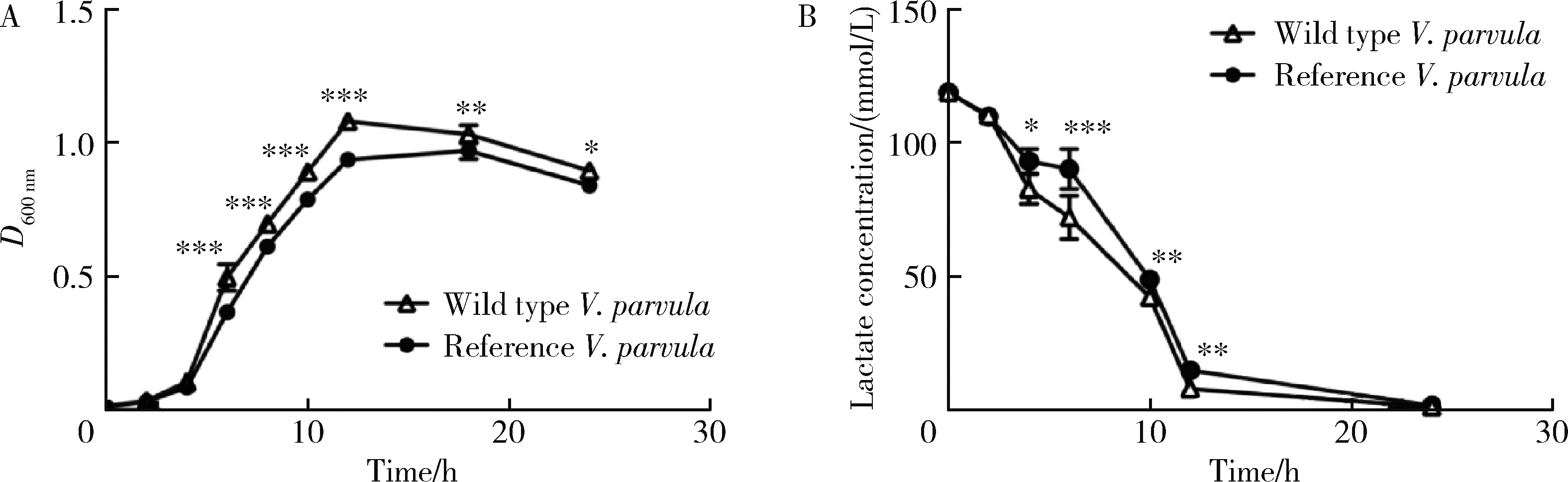
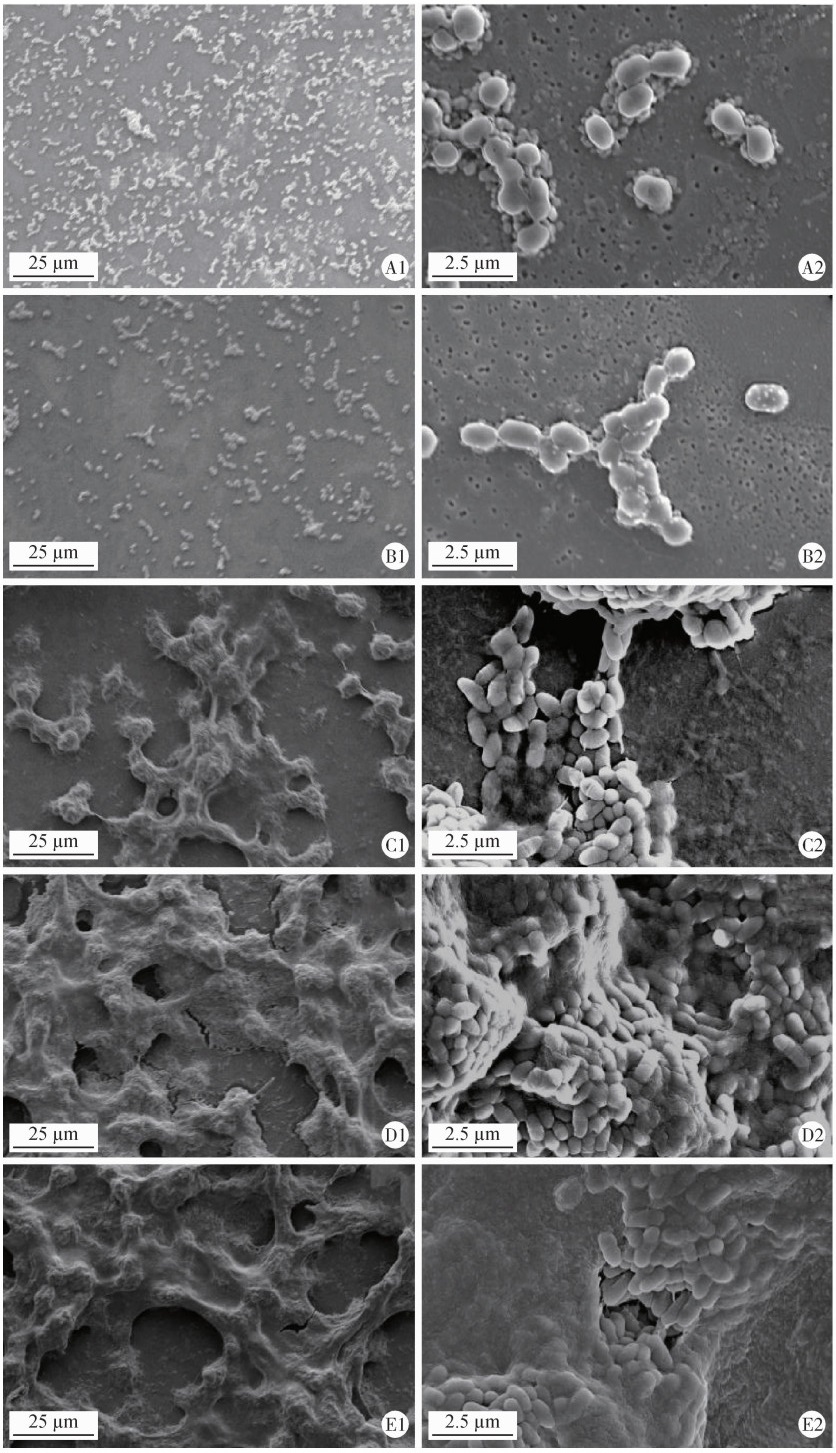
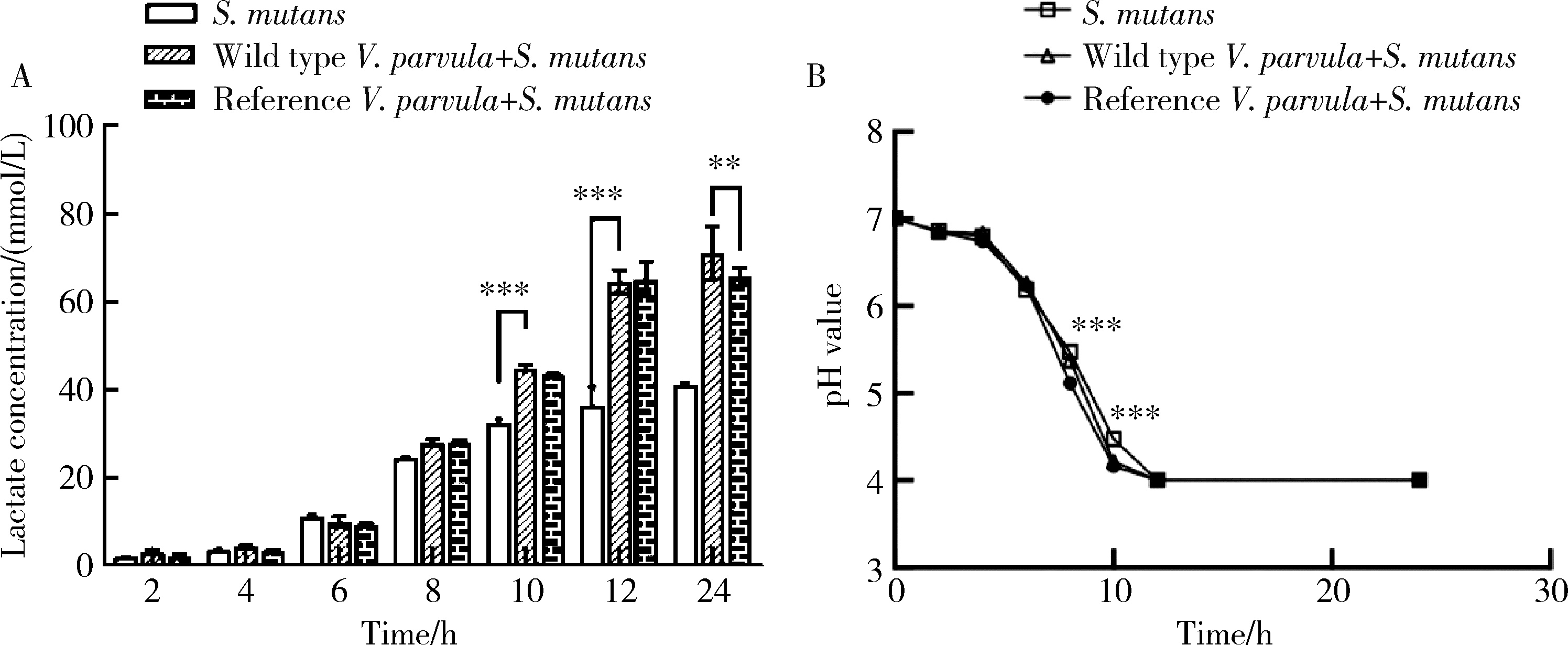
Objective: To isolate and cultivate Veillonella parvula (V. parvula) from the supragingival plaque of adult patients intact teeth surfaces with rampant caries, to investigate its growth and metabolic properties, and to preliminarily explore its interaction with Streptococcus mutans (S. mutans). Methods: V. parvula was isolated from the supragingival plaque of intact teeth surfaces in an adult patient with rampant caries using Veillonella agar medium. Identification was performed based on colony morphology, biochemical tests, and 16S rRNA gene sequencing. The clinically isolated strain was cultured in brain heart infusion broth (BHI) supplemented with 120 mmol/L lactate in an anaerobic chamber. Its growth curve and lactate metabolism over 24 h were assessed. Co-culture with S. mutans was conducted to measure lactate accumulation and pH value changes in the culture system. Biofilm structure was observed by scanning electron microscopy (SEM), and the biofilm biomass was compared using crystal violet staining, providing initial insights into their interaction. Results: Through biochemical identification and 16S rRNA gene sequencing, one wild type strain of V. parvula was isolated from the supragingival plaque of intact teeth surfaces in an adult patient with rampant caries. When the wild type V. parvula and the reference strain V. parvula were cultured over 24 h, their growth curves and the trends in the residual lactate concentration in the medium differed, with the differences being statistically significant (F=10.431, P < 0.001; F=5.641, P < 0.05). In co-culture with S. mutans, the group with the wild type V. parvula formed a denser bacterial biofilm structure and had a greater biofilm biomass at 12 h compared with the group with the reference strain V. parvula (P < 0.001). At 24 h, the cumulative lactate concentration produced by the co-culture group with the wild type V. parvula reached as high as 65 mmol/L, which was significantly higher than that in the co-culture group with the reference strain V. parvula and the S. mutans mono-culture group (P < 0.001). Conclusion: The strain of V. parvula which we isolated from supragingival dental plaque exhibited superior growth, lactate metabolism, and a greater capacity to promote S. mutans biofilm formation than the reference strain, ultimately accelerating the initiation of early carious lesions.

Key words: Dental caries, Rampant caries, Veillonella parvula, Streptococcus mutans, Supragingival plaque

CLC Number: 

  • R781.4

Figure 1

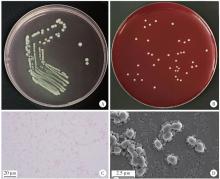
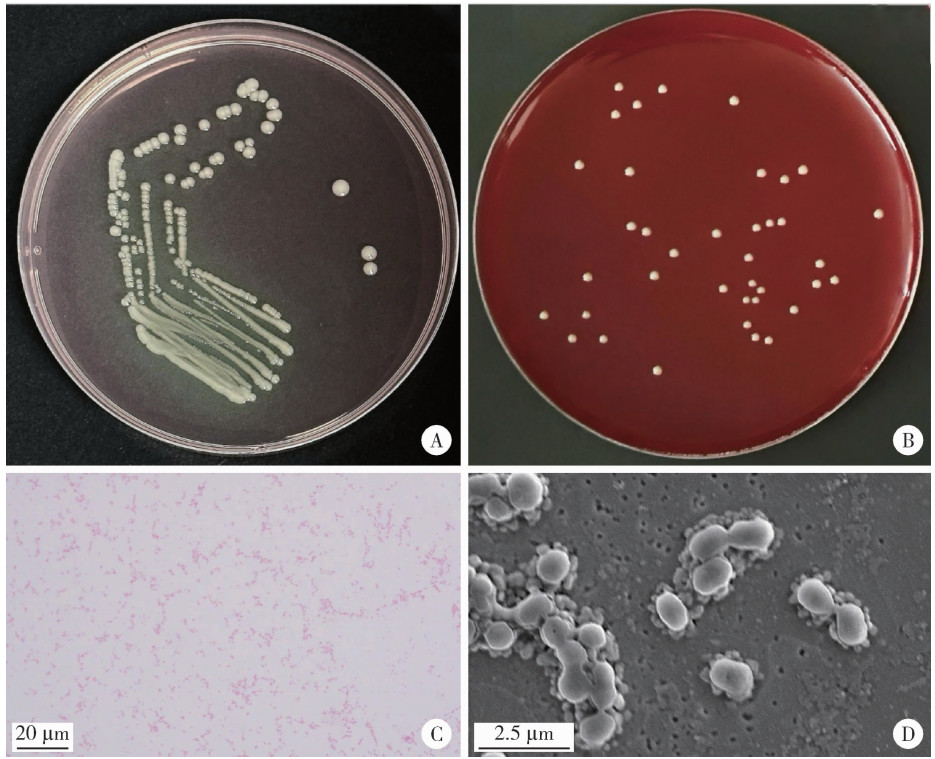
Images of the clinically isolated strain A, colony morphology of the clinically isolated strain in the selective Veillonella agar; B, colony morphology of the clinically isolated strain in the blood agar; C, Gram stain results of the clinically isolated strain (×1 000); D, scanning electron microscope image of the clinically isolated strain (×10 000)."

Figure 2

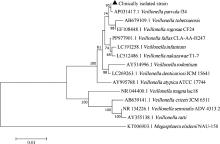
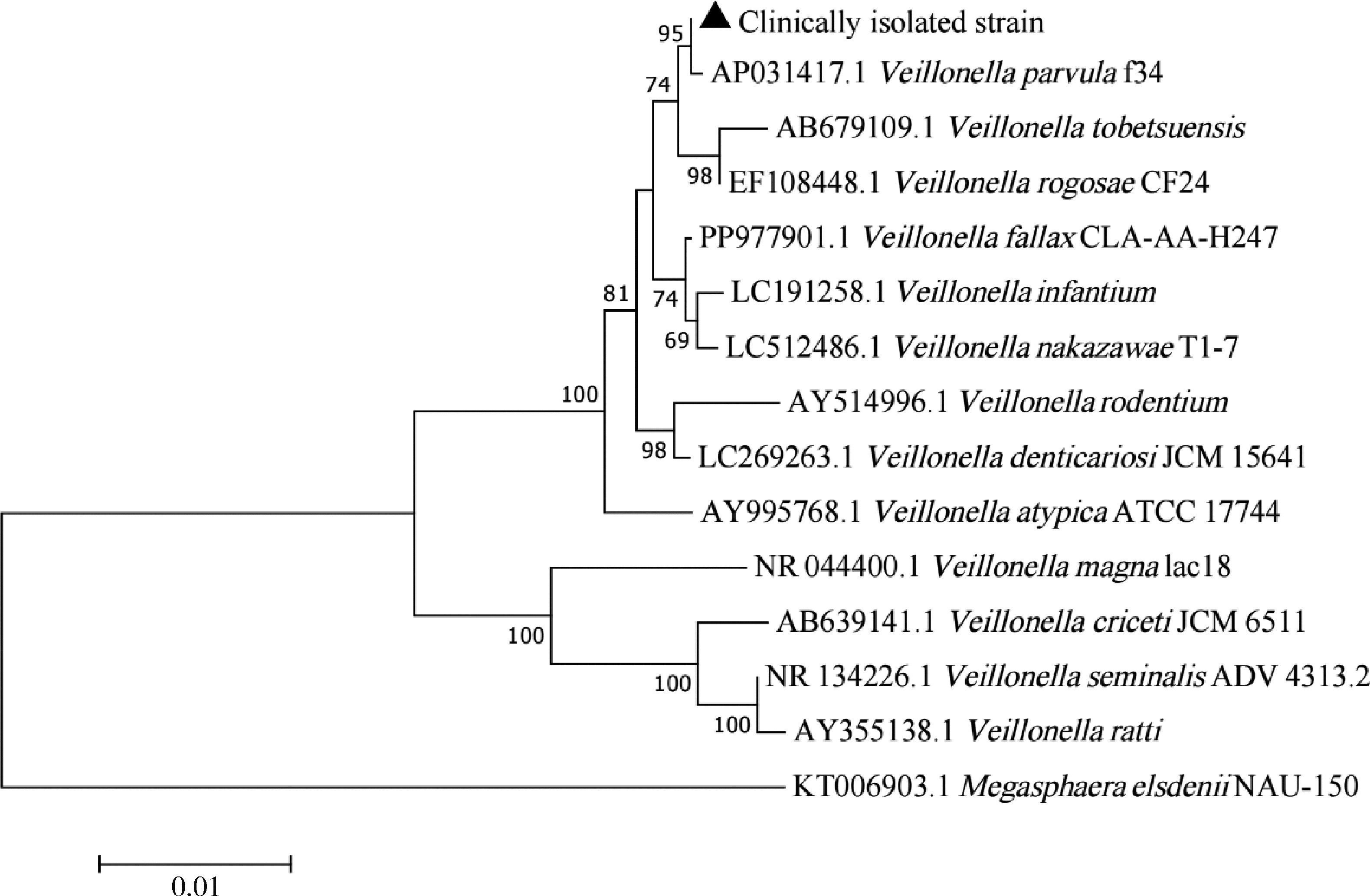
Phylogenetic tree of the clinically isolated strain Number at notes present bootstrap percentages; Numbers in the front of these strains represent the sequences accesion number in National Center for Biotechnology Information GenBank."

Figure 3

Comparison of growth curves and lactate concentration in broth between the wild type strain V. parvula and the reference strian V.parvula A, growth curves of the wild type strain V. parvula and the reference strian V.parvula; B, curve of lactate concentration during an observation period of 24 h. All data are presented as the mean±SD from at least three independent experiments. *P < 0.05, * *P < 0.01, * * *P < 0.001."

Figure 4

Representative scanning electron microscopy images of biofilms A, wild type strain V. parvula; B, reference strian V.parvula; C, S.mutans; D, wild type strain V. parvula+S.mutans; E, reference strian V.parvula+S.mutans. 1, magnification ×1 000; 2, magnification ×10 000."

Figure 5

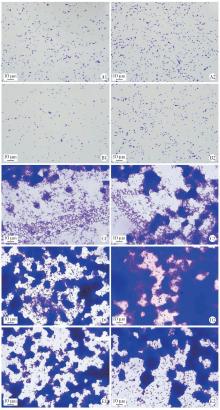
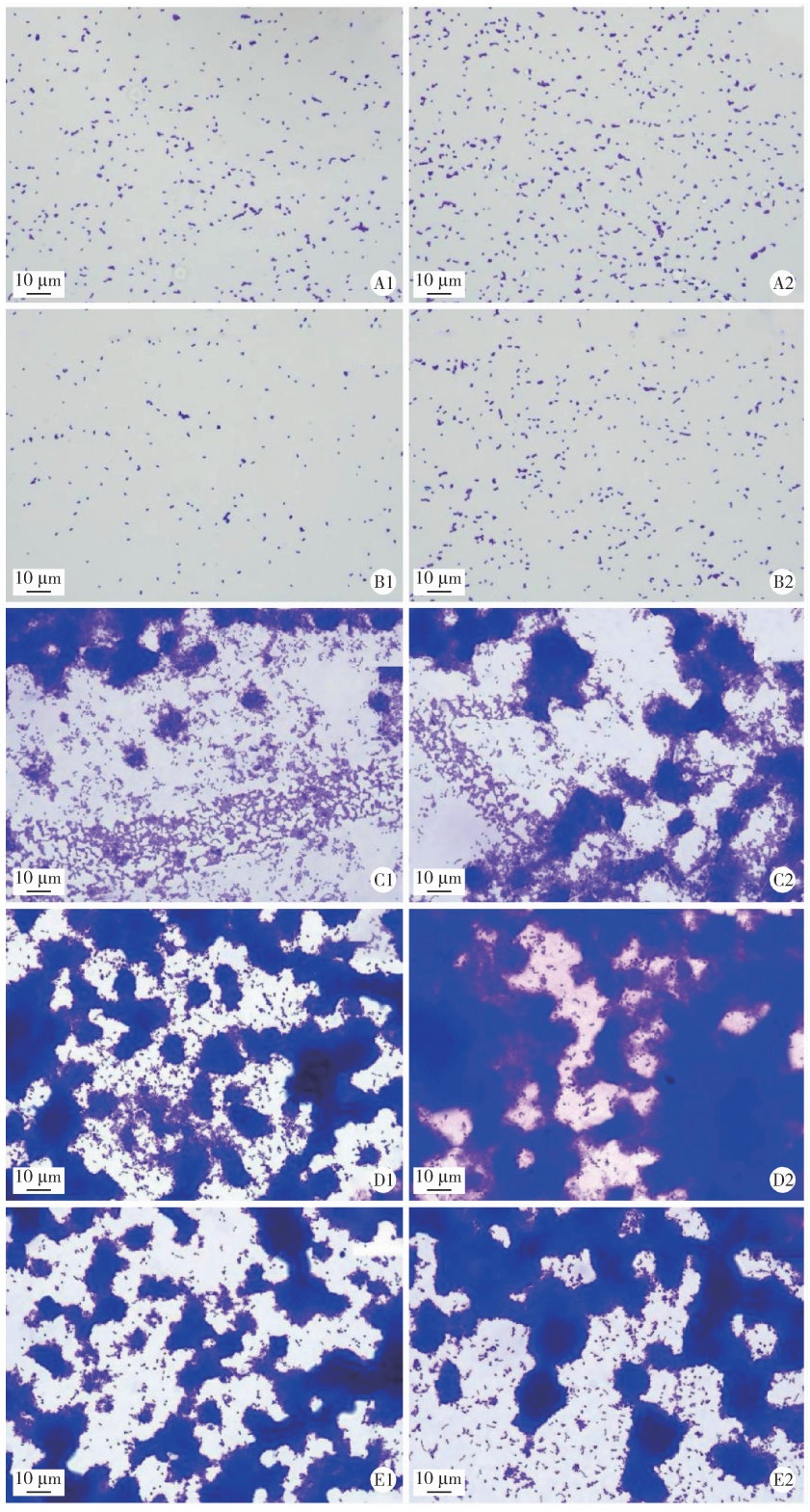
Representative crystal violet staining images of biofilms under optical microscope (×1 000) A, wild type strain V. parvula; B, reference strian V.parvula; C, S.mutans; D, wild type strain V. parvula+S.mutans; E, reference strian V.parvula+S.mutans. 1, 12 h; 2, 24 h."

Figure 6

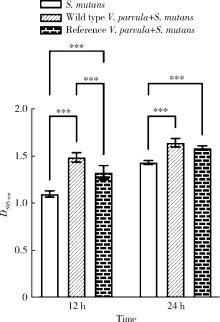
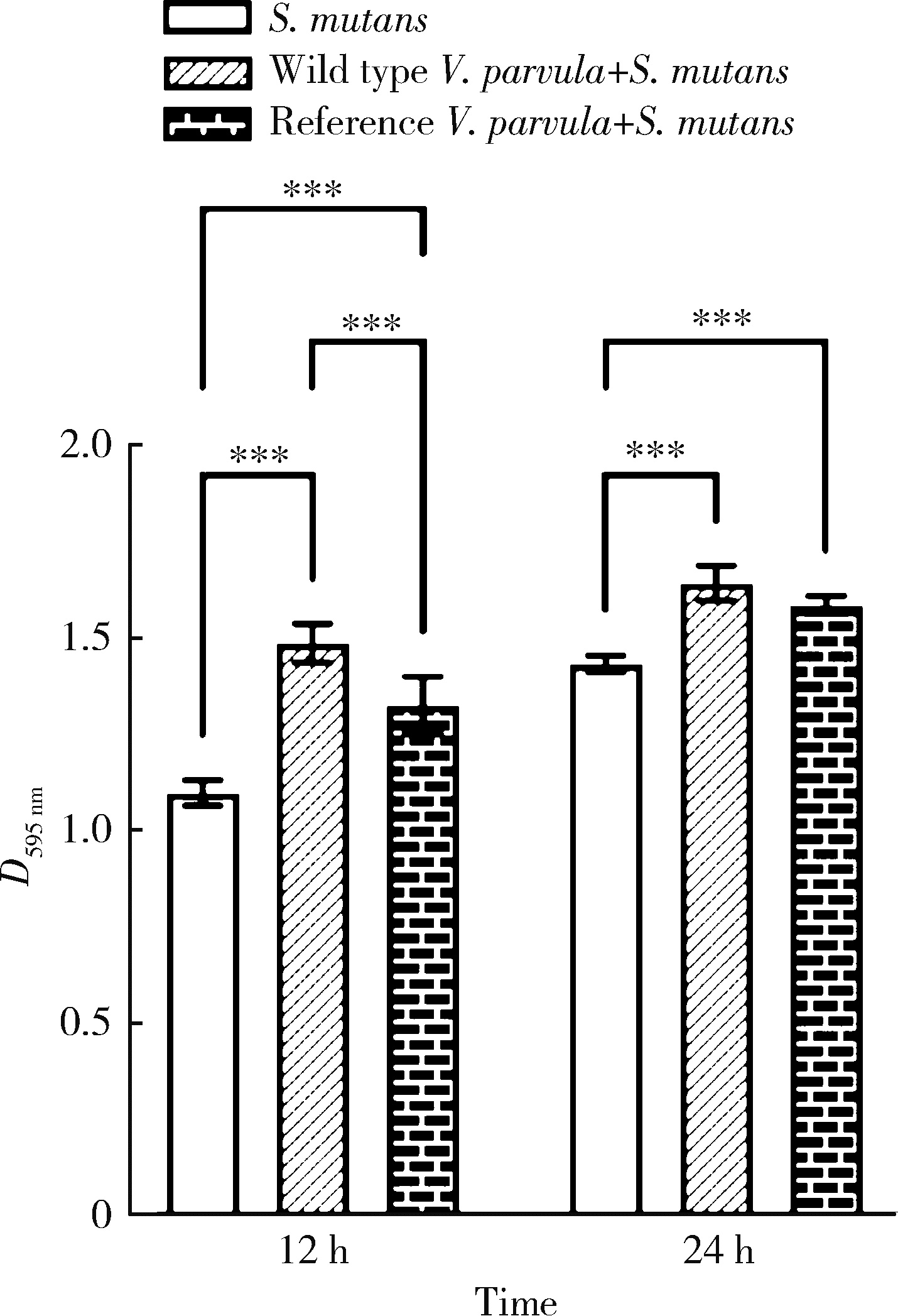
Semiquantitative analysis of crystal violet staining The experiments were performed in biological and technical triplicates. All data are presented as the mean±SD from at least three independent experiments. * * *P < 0.001."

Figure 7

Changes in lactate accumulation and pH values in a co-culture group of V. parvula and S. mutans A, lactate concentration of single-and dual-species biofilms; B, pH value of single-and dual-species biofilms. All data are presented as the mean±SD from at least three independent experiments. * *P < 0.01, * * *P < 0.001."

1
Emmanuelli B , Knorst JK , Menegazzo GR , et al. Dental caries prediction and the indication of pit and fissure sealant in children first permanent molars: A prospective study[J]. J Dent, 2023, 135, 104557.

doi: 10.1016/j.jdent.2023.104557
2
Ganhewa M , Murthy V , Rajappa R , et al. Rampant caries: What it is and what it isn't[J]. Spec Care Dentist, 2024, 44 (4): 1300- 1302.

doi: 10.1111/scd.12986
3
Tang Y , Nie H , Zhang Y , et al. Effects of Sj gren's syndrome and high sugar diet on oral microbiome in patients with rampant caries: A clinical study[J]. BMC Oral Health, 2024, 24 (1): 361.

doi: 10.1186/s12903-024-04150-8
4
Xie Y , Fan Y , Su M , et al. Characteristics of the oral microbiota in patients with primary Sj gren's syndrome[J]. Clin Rheumatol, 2024, 43 (6): 1939- 1947.

doi: 10.1007/s10067-024-06958-9
5
Marsh PD . Microbial ecology of dental plaque and its significance in health and disease[J]. Adv Dent Res, 1994, 8 (2): 263- 271.

doi: 10.1177/08959374940080022001
6
Xiao C , Ran S , Huang Z , et al. Bacterial diversity and community structure of supragingival plaques in adults with dental health or caries revealed by 16S pyrosequencing[J]. Front Microbiol, 2016, 7, 1145.
7
Li K , Wang J , Du N , et al. Salivary microbiome and metabolome analysis of severe early childhood caries[J]. BMC Oral Health, 2023, 23 (1): 30.

doi: 10.1186/s12903-023-02722-8
8
Zhou Z , Ling G , Ding N , et al. Molecular analysis of oral microflora in patients with primary Sj gren's syndrome by using high-throughput sequencing[J]. PeerJ, 2018, 6, e5649.

doi: 10.7717/peerj.5649
9
Xing H , Liu H , Pan J . High-throughput sequencing of oral microbiota in Candida carriage Sj gren's syndrome patients: A pilot cross-sectional study[J]. J Clin Med, 2023, 12 (4): 1559.

doi: 10.3390/jcm12041559
10
Singh M , Teles F , Uzel NG , et al. Characterizing microbiota from Sj gren's syndrome patients[J]. JDR Clin Trans Res, 2021, 6 (3): 324- 332.
11
Wei Y , Zhang Y , Zhuang Y , et al. Veillonella parvula acts as a pathobiont promoting the biofilm virulence and cariogenicity of Streptococcus mutans in adult severe caries[J]. Microbiol Spectr, 2024, 12 (11): e0431823.

doi: 10.1128/spectrum.04318-23
12
Ng SK , Hamilton IR . Lactate metabolism by Veillonella parvula[J]. J Bacteriol, 1971, 105 (3): 999- 1005.

doi: 10.1128/jb.105.3.999-1005.1971
13
Mikx FH , van der Hoeven JS . Symbiosis of Streptococcus mutans and Veillonella alcalescens in mixed continuous cultures[J]. Arch Oral Biol, 1975, 20 (7): 407- 410.

doi: 10.1016/0003-9969(75)90224-1
14
Zhou P , Manoil D , Belibasakis GN , et al. Veillonellae: Beyond bridging species in oral biofilm ecology[J]. Front Oral Health, 2021, 2, 774115.

doi: 10.3389/froh.2021.774115
15
Moussa HA , Wasfi R , Abdeltawab NF , et al. High counts and anthracene degradation ability of Streptococcus mutans and Veillonella parvula isolated from the oral cavity of cigarette smokers and non-smokers[J]. Front Microbiol, 2021, 12, 661509.

doi: 10.3389/fmicb.2021.661509
16
Mashima I , Nakazawa F . The influence of oral Veillonella species on biofilms formed by Streptococcus species[J]. Anaerobe, 2014, 28, 54- 61.

doi: 10.1016/j.anaerobe.2014.05.003
17
Liu S , Chen M , Wang Y , et al. Effect of Veillonella parvula on the physiological activity of Streptococcus mutans[J]. Arch Oral Biol, 2020, 109, 104578.

doi: 10.1016/j.archoralbio.2019.104578
18
Li G , Liu Y , Zhang M , et al. Veillonella parvula promotes root caries development through interactions with Streptococcus mutans and Candida albicans[J]. Microb Biotechnol, 2024, 17 (8): e14547.

doi: 10.1111/1751-7915.14547
19
Chalmers NI , Palmer RJ Jr. , Cisar JO , et al. Characterization of a Streptococcus sp.-Veillonella sp. community micromanipulated from dental plaque[J]. J Bacteriol, 2008, 190 (24): 8145- 8154.

doi: 10.1128/JB.00983-08
20
Yang Z , Wang J , Chen Y , et al. Veillonella intestinal colonization promotes C. difficile infection in Crohn's disease[J]. Cell Host Microbe, 2025, 33 (9): 1518- 1534. e10.

doi: 10.1016/j.chom.2025.07.019
21
Lu H , Zou P , Zhang Y , et al. The sampling strategy of oral microbiome[J]. iMeta, 2022, 1 (2): e23.

doi: 10.1002/imt2.23
22
Momeni SS , Beno SM , Baker JL , et al. Caries-associated biosynthetic gene clusters in Streptococcus mutans[J]. J Dent Res, 2020, 99 (8): 969- 976.

doi: 10.1177/0022034520914519
23
Díaz-Garrido N , Lozano CP , Kreth J , et al. Competition and caries on enamel of a dual-species biofilm model with Streptococcus mutans and Streptococcus sanguinis[J]. Appl Environ Microbiol, 2020, 86 (21): e0126220.

doi: 10.1128/AEM.01262-20
24
van der Hoeven JS , Toorop AI , Mikx RH . Symbiotic relationship of Veillonella alcalescens and Streptococcus mutans in dental plaque in gnotobiotic rats[J]. Caries Res, 1978, 12 (3): 142- 147.

doi: 10.1159/000260324
25
Abram AM , Szewczyk MM , Park SG , et al. A co-association of Streptococcus mutans and Veillonella parvula/dispar in root caries patients and in vitro biofilms[J]. Infect Immun, 2022, 90 (10): e0035522.

doi: 10.1128/iai.00355-22
26
Scarampi A , Lawrence JM , Bombelli P , et al. Polyploid cyanobacterial genomes provide a reservoir of mutations, allowing rapid evolution of herbicide resistance[J]. Curr Biol, 2025, 35 (7): 1549- 1561.

doi: 10.1016/j.cub.2025.02.044
27
Kara D , Luppens SBI , van Marle J , et al. Microstructural differences between single-species and dual-species biofilms of Streptococcus mutans and Veillonella parvula, before and after exposure to chlorhexidine[J]. FEMS Microbiol Lett, 2007, 271 (1): 90- 97.

doi: 10.1111/j.1574-6968.2007.00701.x
28
Zhang Y , Liu X , Gao Q , et al. Copper ions inhibit Streptococcus mutans-Veillonella parvula dual biofilm by activating Streptococcus mutans reactive nitrogen species[J]. BMC Oral Health, 2023, 23 (1): 48.

doi: 10.1186/s12903-023-02738-0
29
Koo H , Falsetta ML , Klein MI . The exopolysaccharide matrix: A virulence determinant of cariogenic biofilm[J]. J Dent Res, 2013, 92 (12): 1065- 1073.

doi: 10.1177/0022034513504218
[1] Xinxin CHEN, Zhe TANG, Yanchun QIAO, Wensheng RONG. Caries experience and its correlation with caries activity of 4-year-old children in Miyun District of Beijing [J]. Journal of Peking University (Health Sciences), 2024, 56(5): 833-838.
[2] ZHAO Si-ming,ZHAO Xiao-han,ZHANG Jie,WANG Dang-xiao,WANG Xiao-yan. Preliminary evaluation of a virtual reality dental simulation system on training of caries identification ability [J]. Journal of Peking University (Health Sciences), 2021, 53(1): 139-142.
[3] Xiao-xian CHEN,Jie ZHONG,Wen-juan YAN,Hong-mei ZHANG,Xia JIANG,Qian HUANG,Shi-hua XUE,Xing-gang LIU. Clinical performance of rensin-bonded composite strip crowns in primary incisors [J]. Journal of Peking University (Health Sciences), 2020, 52(5): 907-912.
[4] Qiong ZHOU,Chu-fang PENG,Man QIN. Near-infrared light transillumination for detection of incipient proximal caries in primary molars [J]. Journal of Peking University(Health Sciences), 2019, 51(1): 59-64.
[5] YAN Wen-juan, ZHENG Jia-jia, CHEN Xiao-Xian. Application of fluoride releasing flowable resin in pit and fissure sealant of children with early enamel caries [J]. Journal of Peking University(Health Sciences), 2018, 50(5): 911-914.
[6] WANG Xiao, WANG Xin, QIN Man. A preliminary study of saliva matrix metalloproteinases (MMP-2 and MMP-9) in children with caries [J]. Journal of Peking University(Health Sciences), 2018, 50(3): 527-531.
[7] YU Jiang-li,TANG Ren-tao,FENG Lin,DONG Yan-mei. Digital imaging fiber optic transillumination (DIFOTI) method for determining the depth of cavity [J]. Journal of Peking University(Health Sciences), 2017, 49(1): 81-085.
[8] PAN Hui,CHENG Can,HU Jia,LIU He,SUN Zhi-hui. Bond strengths of absorbable polylactic acid root canal post with three different adhesives [J]. Journal of Peking University(Health Sciences), 2015, 47(6): 990-993.
[9] ZHAO Xiao-yi, GAO Xue-jun. Surface roughness and staining stability of infiltrant resin for enamel white spot  lesion [J]. Journal of Peking University(Health Sciences), 2014, 46(1): 53-57.
[10] REN Wen, CHEN Feng, ZHANG Yi-fei, ZHANG Qian, WANG Xiao-yan, LIU Ying-yi, YUAN Chong-yang, MA Qing-wei, XU Tao, ZHENG Shu-guo. Identification of Streptococcus mutans in carious patients’ saliva samples by MALDI-TOF mass spectrometry [J]. Journal of Peking University(Health Sciences), 2014, 46(1): 25-29.
Viewed
Full text


Abstract

Cited

  Shared   
  Discussed   
No Suggested Reading articles found!