Journal of Peking University (Health Sciences) ›› 2026, Vol. 58 ›› Issue (2): 327-331. doi: 10.19723/j.issn.1671-167X.2026.02.016

Previous Articles     Next Articles

Genetic variants analysis of 17 female patients with idiopathic hypogonadotropic hypogonadism

Qiqi CHEN1, Haining WANG2, Ye LIU2, Xu ZHI1,*()   

  1. 1. Department of Obstetrics and Gynecology, Center for Reproductive Medicine, Peking University Third Hospital; State Key Laboratory of Female Fertility Promotion; National Clinical Research Center for Obstetrics and Gynecology (Peking University Third Hospital); Key Laboratory of Assisted Reproduction (Peking University), Ministry of Education; Beijing Key Laboratory of Reproductive Endocrinology and Assisted Reproductive Technology, Beijing 100191, China
    2. Department of Endocrinology and Metabolism, Peking University Third Hospital, Beijing 100191, China
  • Received:2024-03-16 Online:2026-04-18 Published:2026-03-12
  • Contact: Xu ZHI
  • Supported by:
    the National Key Research and Development Program of China(2022YFC2703902); National Natural Science Foundation of China(82370896); Capital Health Development Research Special Project(2022-2-4095)

RICH HTML


Abstract:

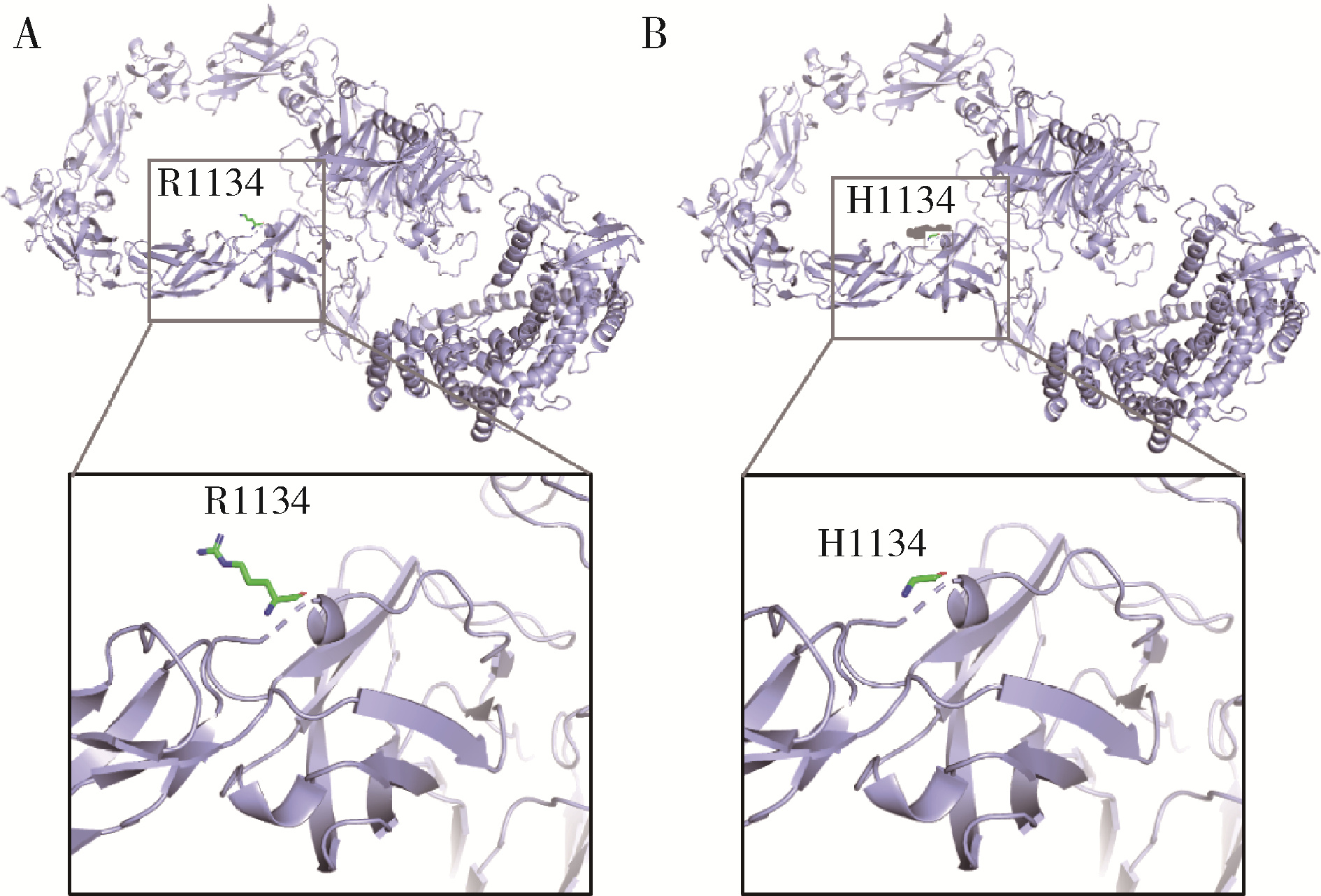
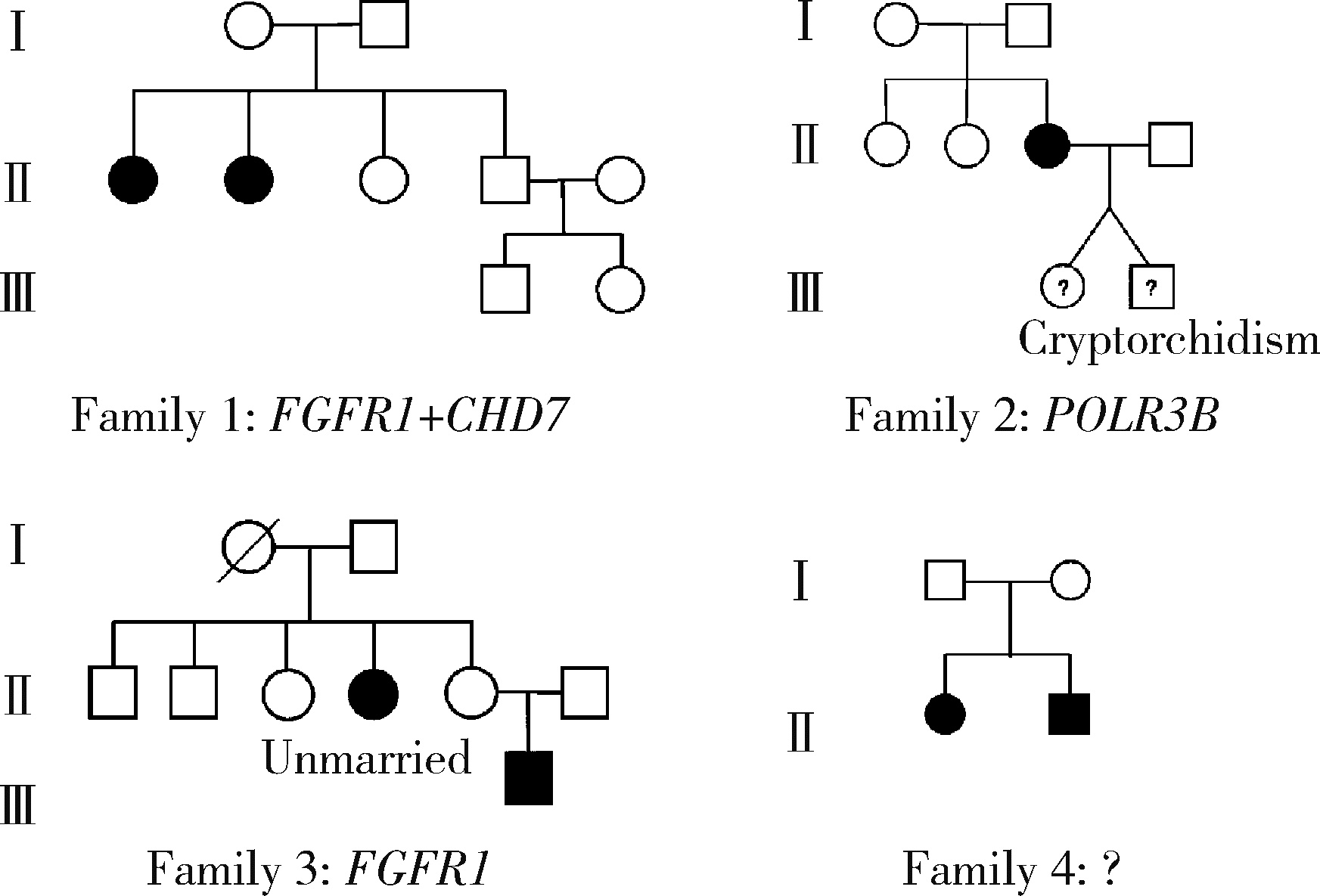
Objective: To analyze the clinical phenotype characteristics and genetic testing data of idiopathic hypogonadotropic hypogonadism (IHH) female patients, aiming to improve the understanding of genetic etiology and inheritance patterns among female patients. Methods: This study recruited twenty-one female patients and their clinical data were collected and analyzed. Based on the olfaction function, the patients were divided into normosmic IHH group and Kallmann syndrome (KS) group. Whole exome sequencing and Sanger sequencing were performed to screen for underlying genetic etiology including genetic variants of known pathogenic genes and PLEXIN pathway genes. Alphafold2 was used for mutant protein structure prediction of PLXNA1 missense mutation. Results: Normosmic IHH patients and KS patients had no difference in baseline clinical data. Among the 21 recruited patients, 17 patients and their immediate family members' peripheral blood was collected for sequencing, and four patients were found carrying pathogenic variants involving FGFR1 and PROKR2, and the pathogenic variant carrying rate was 23.5%. The remaining 13 patients didn't obtain a specific genetic diagnosis. Two KS patients withoutknown pathogenic variants carried the same heterozygous variant PLXNA1: c.3401G>A but no other PLEXIN pathway gene variants. The missense mutation caused hydrophobicity change of the 1134 amino acid loci of PLXNA1. Four patients with family history carried relevant gene variants involving FGFR1, CHD7 and POLR3B. However, the genetic diagnosis of some patients wasn't reached because the pathogenicity of these variants only reached variants of unknown significance based on American College of Medical Genetics and Genomics (ACMG) guidelines and the genotype-phenotype co-segregation within family was inconsistent. Female IHH patients could only maintain secondary sex characteristics and artificial menstruation through hormone replacement treatment and gain fertility by gonadotropin ovulation sti-mulating therapy. Conclusion: Female IHH patients have complex genetic etiology and polygenic inheri-tance mode. Both hereditary and sporadic patients may have various degrees of genetic inheritance risk. The missense variant PLXNA1: c.3401G>A might be a potential risk variant of KS.

Key words: Hypogonadism, Kallmann syndrome, Whole exome sequencing, PLXNA1

CLC Number: 

  • R394.8

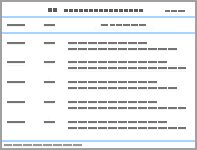
Table 1

Clinical data of 21 female IHH patients"

Items nIHH (n=15) KS (n=6) Statistics P
Age/years 31.0 (25.0, 33.0) 27.0 (22.5, 33.3) Z=-0.981 0.326
BMI/(kg/m2) 21.43 (19.93, 22.48) 23.84 (21.77, 25.38) Z=-1.815 0.070
FSH/(IU/L) 0.55 (0.25, 1.87) 0.75 (0.22, 2.57) Z=-0.078 0.938
LH/(IU/L) 0.23 (0.11, 0.73) 0.41 (0.10, 0.71) Z=-0.078 0.938
E2/(ng/L) 12.00 (10.00, 26.40) 14.80 (9.98, 21.98) Z=-0.397 0.692
P/(μg/L) 0.70 (0.11, 0.87) 0.83 (0.35, 1.83) Z=-1.092 0.275
PRL/(μg/L) 10.05±18.86 18.88±25.92 t=-0.872 0.394
T/(ng/dL) < 0.69 < 0.69

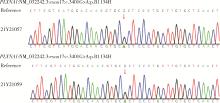
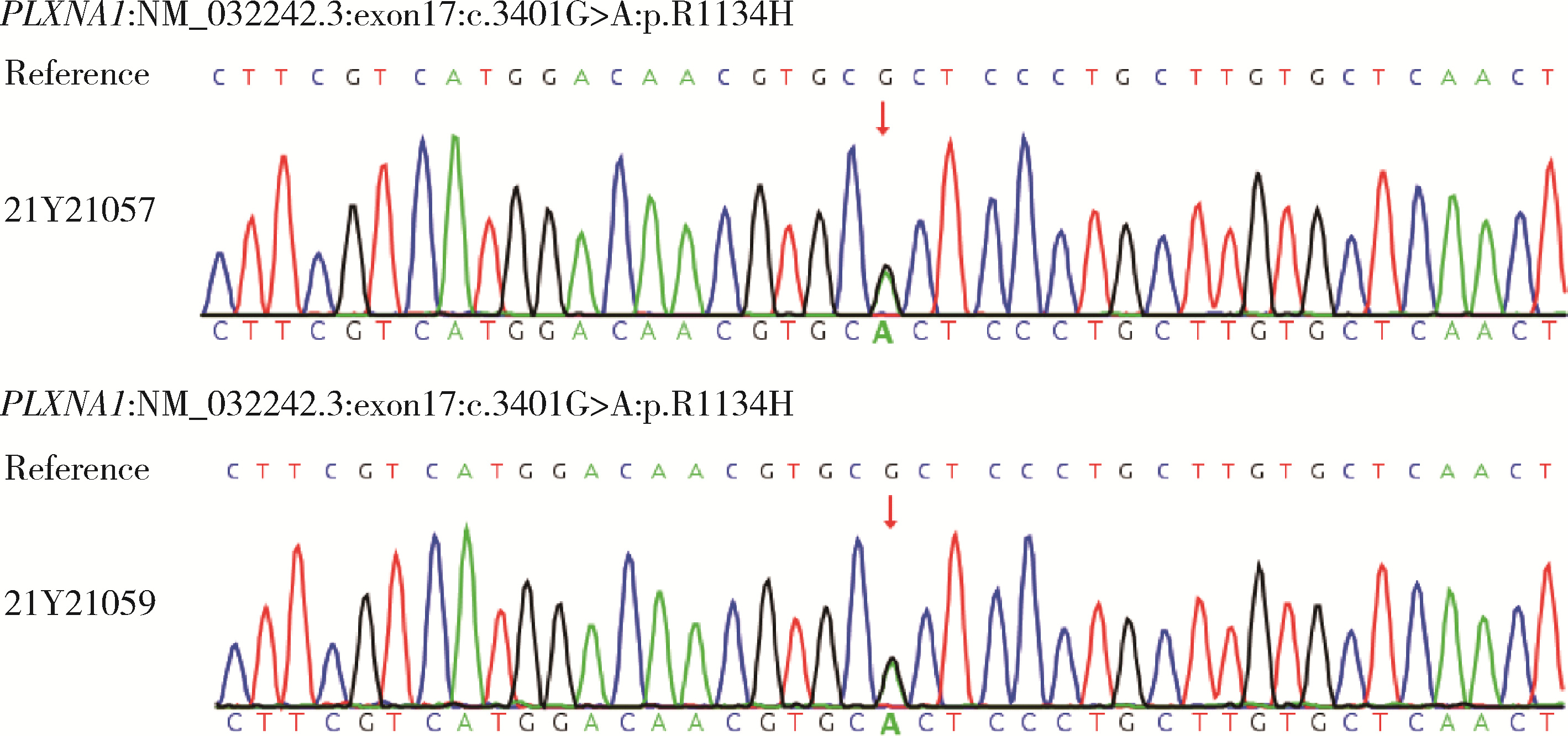
Figure 1

Sanger sequencing of PLXNA1 variant"

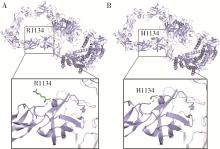
Figure 2

Prediction of PLXNA1 mutant protein structure A, wildtype protein; B, mutant protein."

Figure 3

Pedigree charts of four IHH female patients IHH, idiopathic hypogonadotropic hypogonadism."

1
Laitinen EM , Vaaralahti K , Tommiska J , et al. Incidence, phenotypic features and molecular genetics of Kallmann syndrome in Finland[J]. Orphanet J Rare Dis, 2011, 6, 41.

doi: 10.1186/1750-1172-6-41
2
Federici S , Cangiano B , Goggi G , et al. Genetic and phenotypic differences between sexes in congenital hypogonadotropic hypo-gonadism (CHH): Large cohort analysis from a single tertiary centre[J]. Front Endocrinol, 2022, 13, 965074.

doi: 10.3389/fendo.2022.965074
3
Patil VA , Lila AR , Shah N , et al. Genetic spectrum of Kallmann syndrome: Single-center experience and systematic review[J]. Clin Endocrinol, 2022, 97 (6): 804- 813.

doi: 10.1111/cen.14822
4
Marcos S , Monnier C , Rovira X , et al. Defective signaling through plexin-A1 compromises the development of the peripheral olfactory system and neuroendocrine reproductive axis in mice[J]. Hum Mol Genet, 2017, 26 (11): 2006- 2017.

doi: 10.1093/hmg/ddx080
5
Oleari R , Caramello A , Campinoti S , et al. PLXNA1 and PLXNA3 cooperate to pattern the nasal axons that guide gonadotropin-releasing hormone neurons[J]. Development, 2019, 146 (21): dev176461.

doi: 10.1242/dev.176461
6
汪保安, 马晓莉, 邹效漫, 等. 女性特发性低促性腺激素性性腺功能减退症的临床评价及KAL1FGFR1基因突变分析[J]. 军医进修学院学报, 2011, 32 (10): 1017- 1019.
7
曾旺, 李家大, 王新颖, 等. 中国先天性低促性腺激素性性腺功能减退症患者ANOS1的突变(英文)[J]. 中南大学学报(医学版), 2022, 47 (7): 847- 857.
8
张丽琼, 张红艳, 李明泸, 等. 低促性腺激素性性腺功能减退症患者KAL-1基因突变分析[J]. 云南医药, 2010, 31 (1): 27- 30.
9
解一丹, 郑瑞芝, 韩宾宾, 等. 22例低促性腺激素性性腺功能减退症患者CHD7基因变异分析[J]. 中华医学遗传学杂志, 2022, 39 (6): 571- 575.
10
Men M , Chen DN , Li JD , et al. Analysis of PLXNA1, NRP1, and NRP2 variants in a cohort of patients with isolated hypogonadotropic hypogonadism[J]. Mol Genet Genomic Med, 2021, 9 (11): e1816.

doi: 10.1002/mgg3.1816
11
Kotan LD , Isik E , Turan I , et al. Prevalence and associated phenotypes of PLXNA1 variants in normosmic and anosmic idiopathic hypogonadotropic hypogonadism[J]. Clin Genet, 2019, 95 (2): 320- 324.

doi: 10.1111/cge.13482
12
Alto LT , Terman JR . Semaphorins and their signaling mechanisms[J]. Methods Mol Biol, 2017, 1493, 1- 25.
[1] Shang XIE,Zhi-gang CAI,Xiao-feng SHAN. Application value of whole exon sequencing and immune related indicators in the precision treatment of oral squamous cell carcinoma [J]. Journal of Peking University (Health Sciences), 2023, 55(4): 697-701.
[2] FENG Ke,NI Jing-jing,XIA Yan-qing,QU Xiao-wei,ZHANG Hui-juan,WAN Feng,HONG Kai,ZHANG Cui-lian,GUO Hai-bin. Genetic analysis of three cases of acephalic spermatozoa syndrome caused by SUN5 mutation and the outcome of assisted reproductive technology [J]. Journal of Peking University (Health Sciences), 2021, 53(4): 803-807.
[3] Xiao-zhen LIU,Ying-ying LI,Li-ping YANG. Comparison study of whole exome sequencing and targeted panel sequencing in molecular diagnosis of inherited retinal dystrophies [J]. Journal of Peking University (Health Sciences), 2020, 52(5): 836-844.
[4] SHAO Wei-Min, BAI Wen-Jun, CHEN Yi-Min, LIU Lei, WANG Yu-Jie. Micropump infusion of gonadorelin in the treatment of hypogonadotropic hypogonadism in patients with pituitary stalk interruption syndrome: cases analysis and literature review [J]. Journal of Peking University(Health Sciences), 2014, 46(4): 642-645.
Viewed
Full text


Abstract

Cited

  Shared   
  Discussed   
No Suggested Reading articles found!