Journal of Peking University (Health Sciences) ›› 2026, Vol. 58 ›› Issue (2): 399-404. doi: 10.19723/j.issn.1671-167X.2026.02.027

Previous Articles     Next Articles

Conversion therapy for hepatoid adenocarcinoma of the stomach: A case report

Jialin LI1, Liqiao CHEN1, Jiatian TANG1, Yan WU2, Anqiang WANG1,*()   

  1. 1. Key laboratory of Carcinogenesis and Translational Research (Ministry of Education), Center of Gastrointestinal Cancer, Peking University Cancer Hospital & Institute, Beijing 100142, China
    2. Key laboratory of Carcinogenesis and Translational Research (Ministry of Education), Department of Pathology, Peking University Cancer Hospital & Institute, Beijing 100142, China
  • Received:2025-12-12 Online:2026-04-18 Published:2026-03-12
  • Contact: Anqiang WANG

RICH HTML


Abstract:

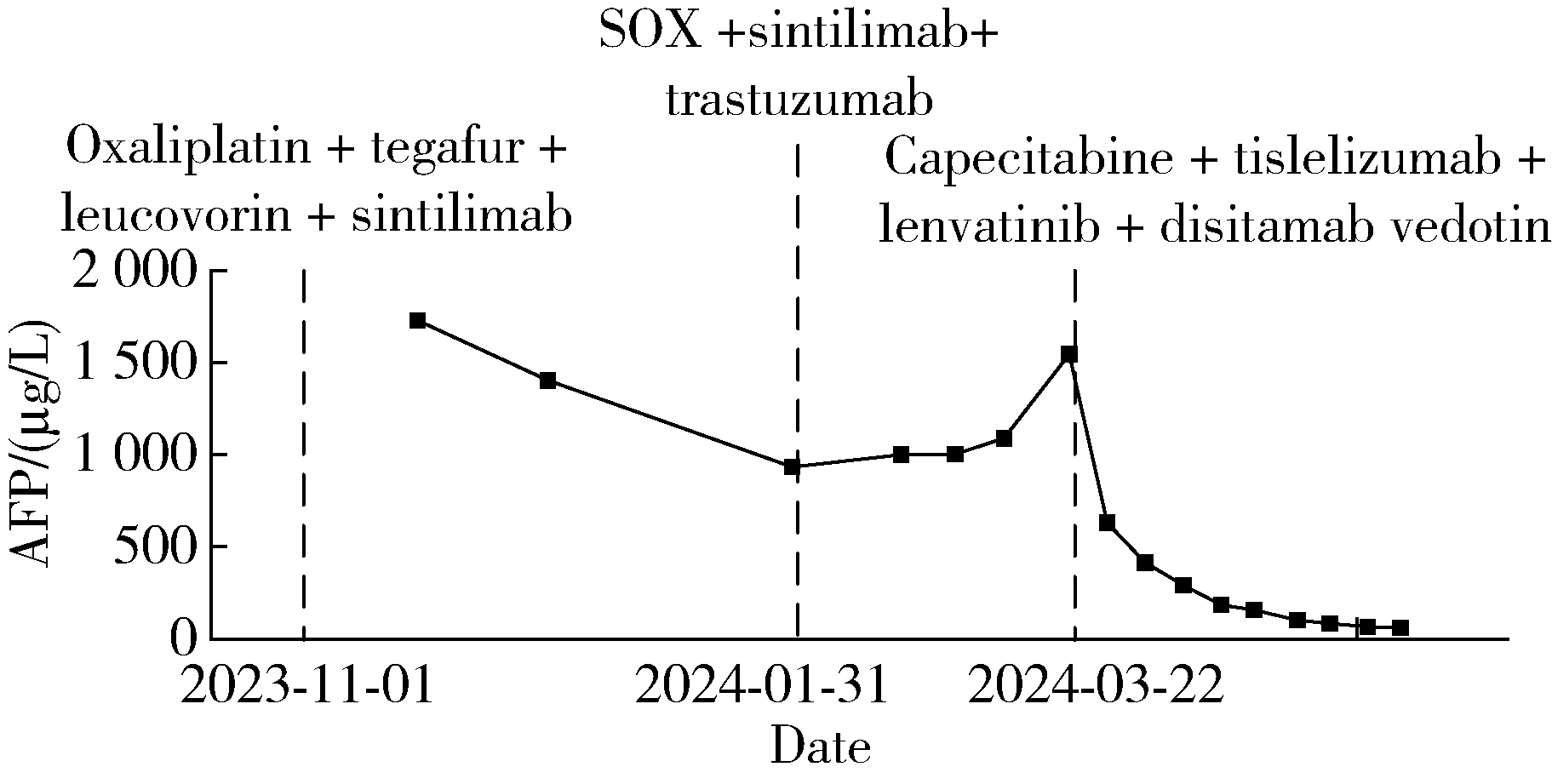
Hepatoid adenocarcinoma of the stomach (HAS) is a rare and highly malignant variant of gastric cancer, distinguished by histological features resembling hepatocellular carcinoma and frequent elevation of serum alpha-fetoprotein (AFP). It demonstrates aggressive biological behavior, early metasta-tic potential, and intrinsic resistance to conventional platinum-based chemotherapy, resulting in poor outcomes. No standard systemic therapy exists for initially unresectable HAS, making conversion strategies a critical therapeutic goal. We present a 56-year-old male with biopsy-proven locally advanced HAS and markedly elevated AFP (1 729.53 μg/L). Imaging revealed bulky lymphadenopathy (largest node: 39 mm×27 mm), rendering the tumor unresectable. Molecular profiling confirmed human epidermal growth factor receptor 2 (HER2) amplification. First-line conversion therapy with oxaliplatin, fluoropyrimidine, sintilimab (a programmed death-1 inhibitor), and later trastuzumab yielded only transient stabilization followed by clear progression: After six cycles, AFP rose to 1 546.07 μg/L and target lymph nodes enlarged to 46 mm×31 mm on CT. Given treatment failure and persistent HER2 positivity, a second-line, biology-informed regimen was initiated: Disitamab vedotin (an HER2-targeted antibody-drug conjugate delivering monomethyl auristatin E), lenvatinib (a multi-targeted tyrosine kinase inhibitor blocking vascular endothelial growth factor receptor and other pro-angiogenic pathways), tislelizumab (a programmed death-1 inhibitor), and short-course capecitabine (discontinued after 7 days due to grade 3 thrombocytopenia). This combination produced rapid and sustained antitumor activity. Serum AFP declined drama-tically to 102.3 μg/L after two cycles. Radiological reassessment showed progressive shrinkage of metastatic lymph nodes (from 46 mm to 25 mm after cycle two, and further to 14 mm after cycle three) consistent with partial response according to Response Evaluation Criteria in Solid Tumors (RECIST) criteria. Fluorine-18 fluorodeoxyglucose positron emission tomography/computed tomography (18F-FDG PET-CT) confirmed reduced metabolic activity in residual lesions. These results enabled successful R0 radical distal gastrectomy in June 2024. Final pathology revealed minimal residual disease (ypT1bN1) with hepatoid morphology and positive immunostaining for AFP, glypican-3, Sal-like protein 4, and HER2 (2 +). The patient received two adjuvant cycles of the same targeted-immunotherapy backbone before transitioning to observation due to cumulative toxicity. Eighteen months postoperatively, he remained free of recurrence. This case underscores that in HER2-positive, chemotherapy-refractory HAS, a rationally designed, multimodal regimen integrating an HER2-directed antibody-drug conjugate, antiangiogenic agent, and immune checkpoint blockade can overcome therapeutic resistance, achieve meaningful downstaging, and enable long-term disease control. Early molecular characterization and aggressive, persona-lized intervention are essential for improving outcomes in this rare malignancy.

Key words: Adenocarcinoma, Stomach neoplasms, Neoadjuvant therapy, Precision medicine, Hepatoid adenocarcinoma of the stomach, Conversion therapy

CLC Number: 

  • R735.2

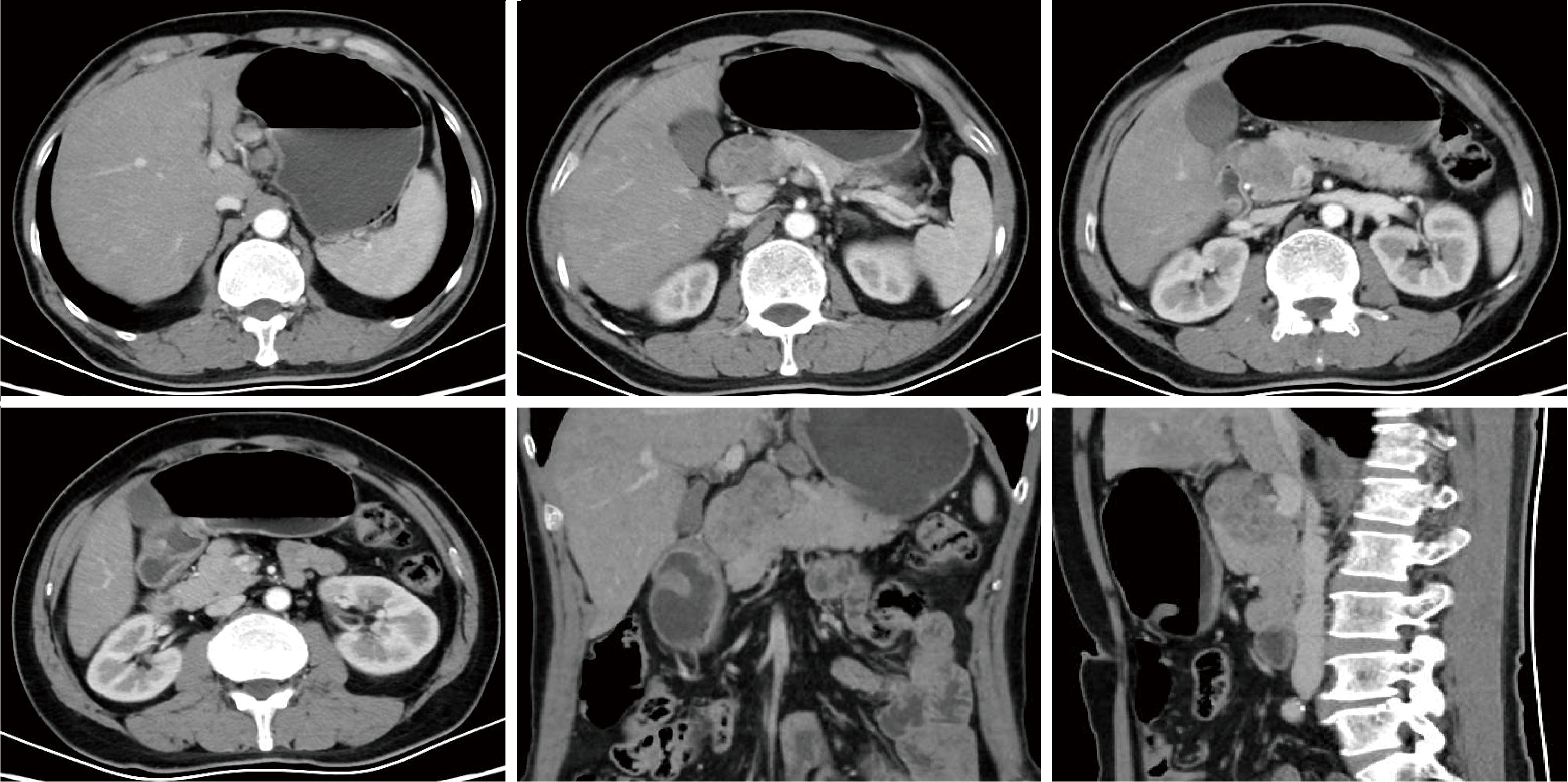
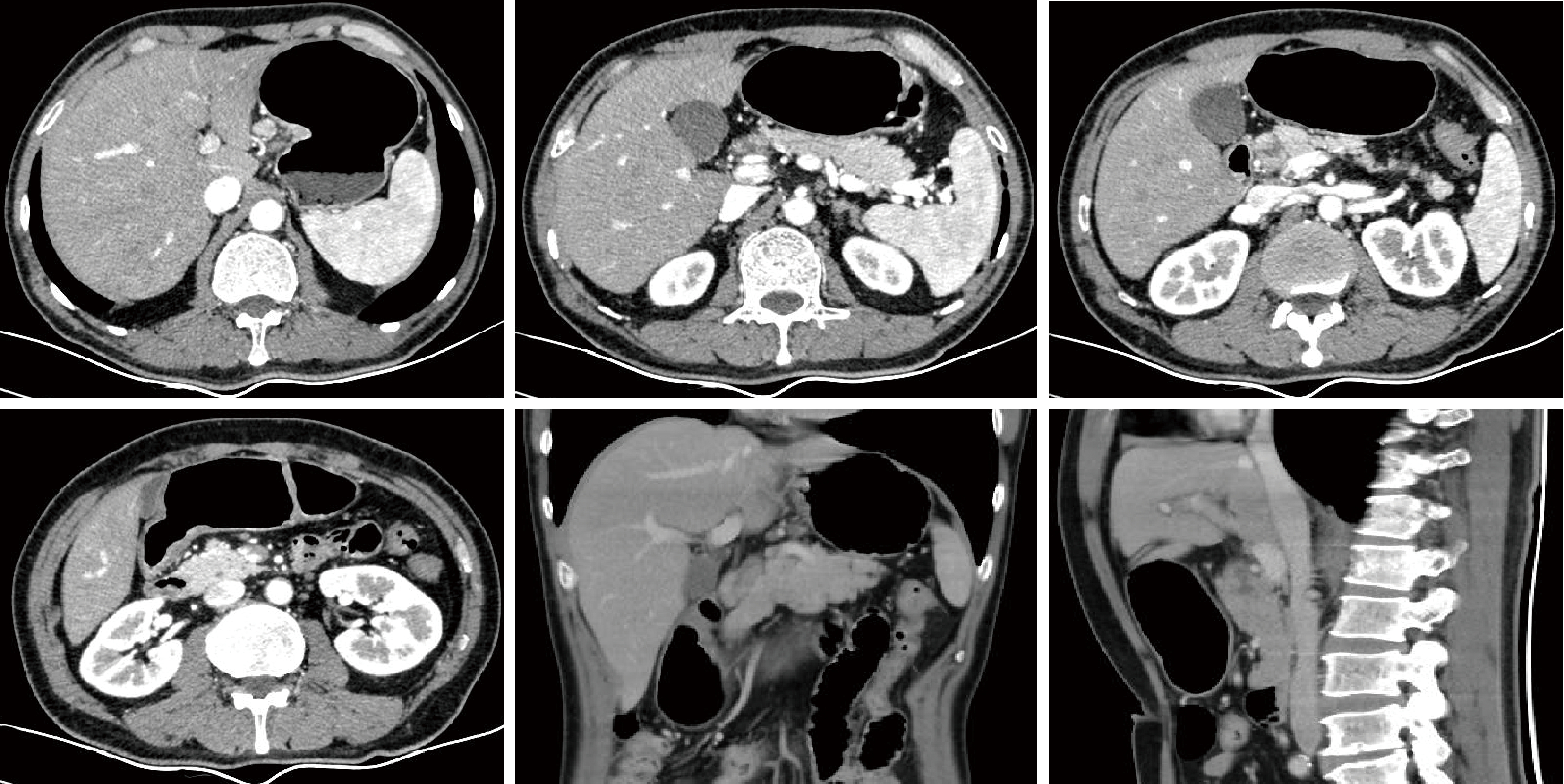
Figure 1

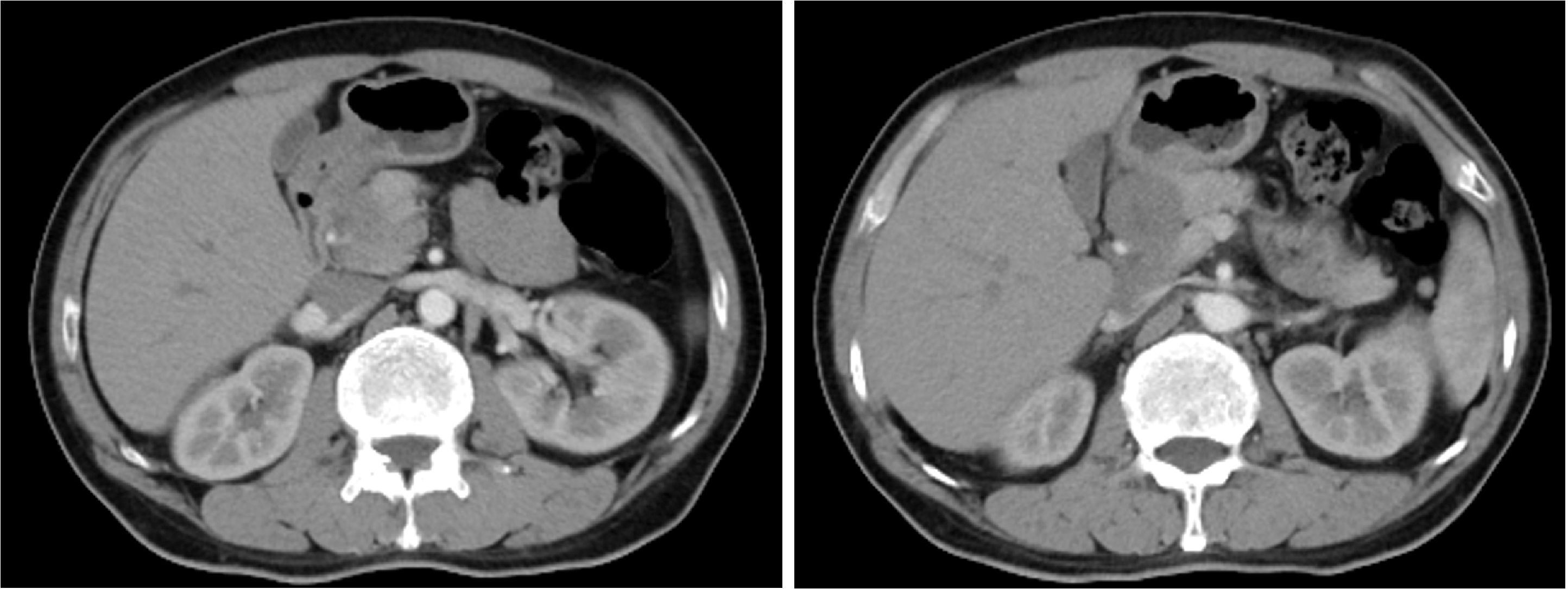
Baseline enhanced abdominal and pelvic CT scan at a local hospital"

Figure 2

Images of enhanced abdominal and pelvic CT scan after 1-4 cycles of chemotherapy and immunotherapy"

Figure 3

Images of enhanced abdominal and pelvic CT scan after 5-6 cycles of chemotherapy, immunotherapy, and trastuzumab treatment"

Figure 4

Images of enhanced abdominal and pelvic CT scan after 2 cycles of second-line therapy"

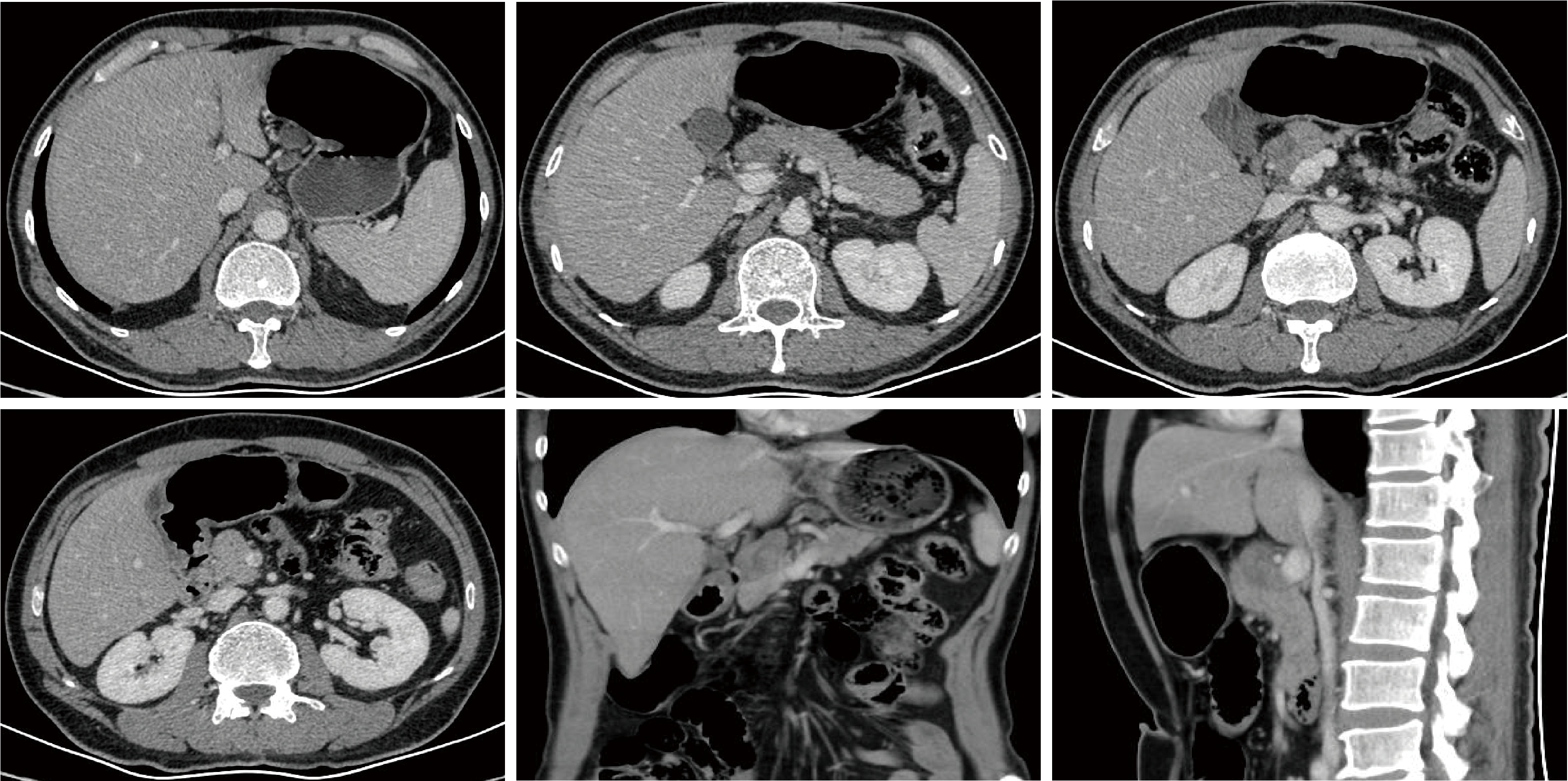
Figure 5

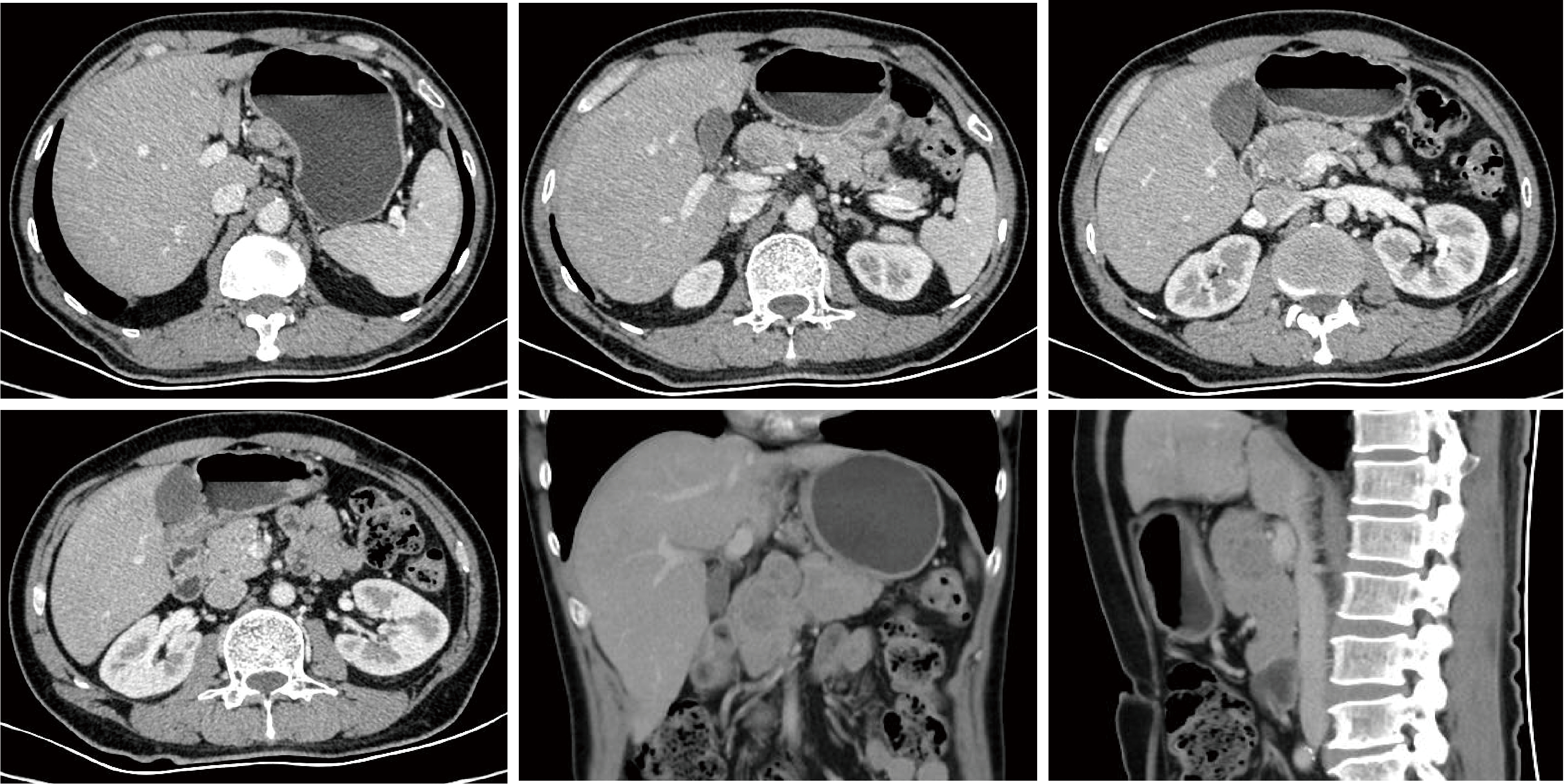
Images of enhanced abdominal and pelvic CT scan after 3 cycles of second-line therapy"

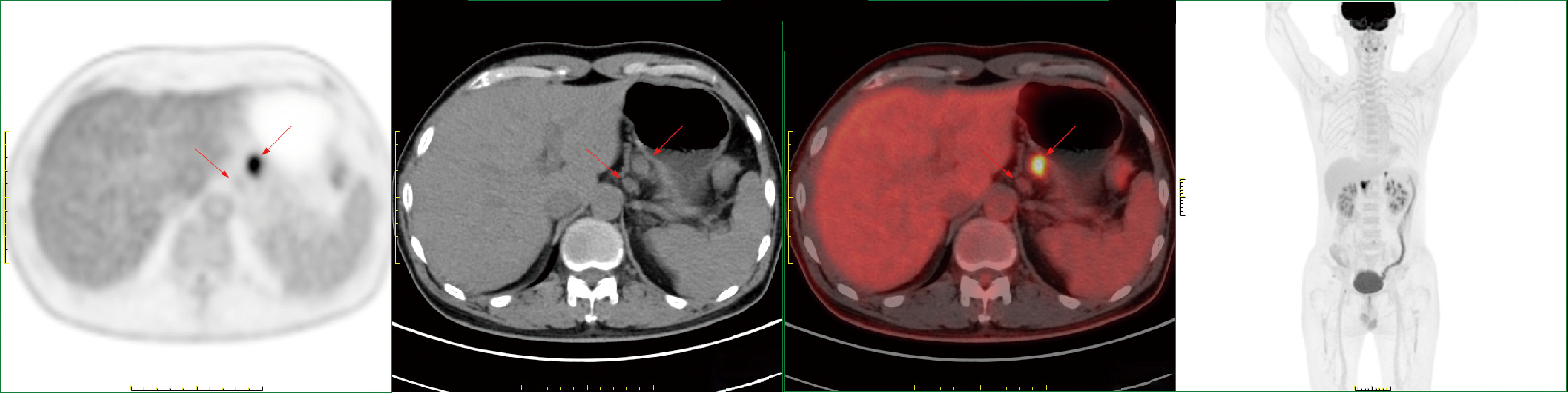
Figure 6

Images of 18F-FDG PET-CT scan after 3 cycles of second-line therapy Red arrows show enlarged perigastric lymph nodes. 18F-FDG PET-CT, fluorine-18 fluorodeoxyglucose positron emission tomography/computed tomography."

Figure 7

Changes in AFP levels during conversion therapy AFP, alpha-fetoprotein; SOX, S-1 and oxaliplatin."

Figure 8

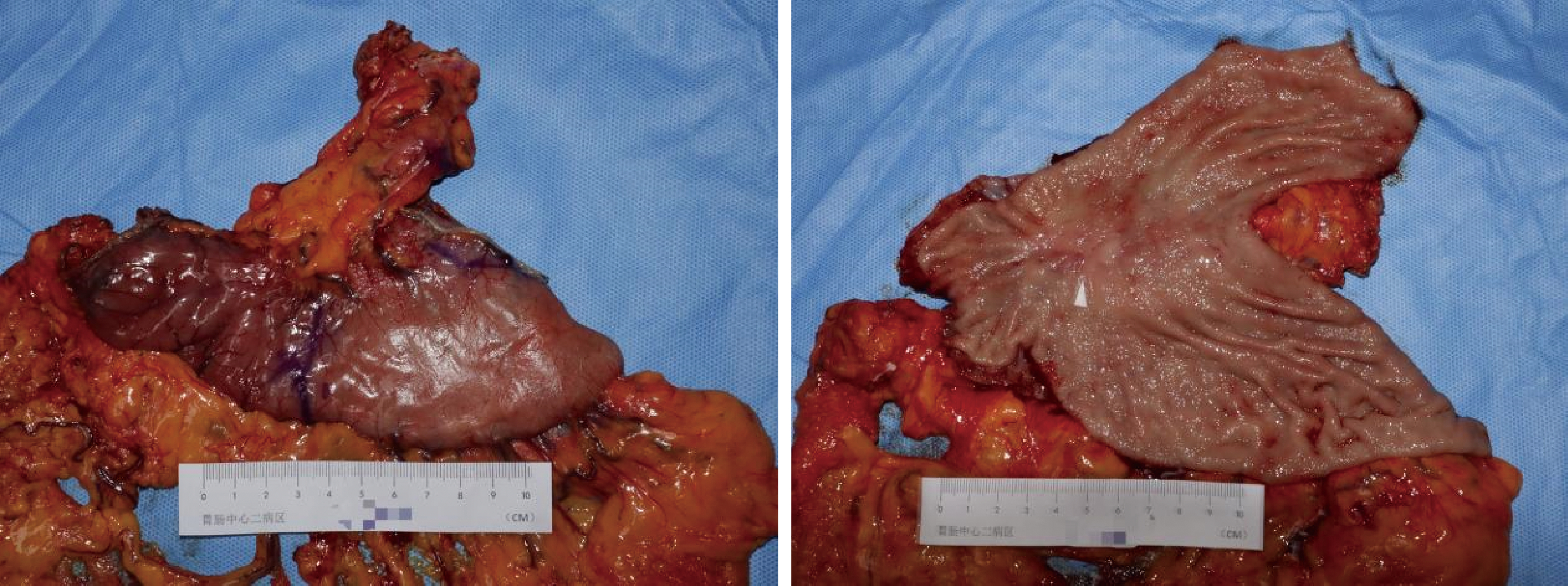
Specimen after radical distal subtotal gastrectomy"

1
Zhu M , Chen E , Yu S , et al. Genomic profiling and the impact of MUC19 mutation in hepatoid adenocarcinoma of the stomach[J]. Cancer Commun, 2022, 42 (10): 1032- 1035.

doi: 10.1002/cac2.12336
2
Liu Z , Wang A , Pu Y , et al. Genomic and transcriptomic profiling of hepatoid adenocarcinoma of the stomach[J]. Oncogene, 2021, 40 (38): 5705- 5717.

doi: 10.1038/s41388-021-01976-2
3
Shattuck DL , Miller JK , Carraway KL 3rd , et al. Met receptor contributes to trastuzumab resistance of Her2-overexpressing breast cancer cells[J]. Cancer Res, 2008, 68 (5): 1471- 1477.

doi: 10.1158/0008-5472.CAN-07-5962
4
Yao X , Jiang J , Wang X , et al. A novel humanized anti-HER2 antibody conjugated with MMAE exerts potent anti-tumor activity[J]. Breast Cancer Res Treat, 2015, 153 (1): 123- 133.

doi: 10.1007/s10549-015-3503-3
5
Peng Z , Liu T , Wei J , et al. Efficacy and safety of a novel anti-HER2 therapeutic antibody RC48 in patients with HER2-overexpressing, locally advanced or metastatic gastric or gastro-esophageal junction cancer: A single-arm phase Ⅱ study[J]. Cancer Commun, 2021, 41 (11): 1173- 1182.

doi: 10.1002/cac2.12214
6
Al-Salama ZT , Syed YY , Scott LJ . Lenvatinib: A review in hepatocellular carcinoma[J]. Drugs, 2019, 79 (6): 665- 674.

doi: 10.1007/s40265-019-01116-x
7
Xu J , Shen J , Gu S , et al. Camrelizumab in combination with apatinib in patients with advanced hepatocellular carcinoma (RESCUE): A nonrandomized, open-label, phase Ⅱ trial[J]. Clin Cancer Res, 2021, 27 (4): 1003- 1011.

doi: 10.1158/1078-0432.CCR-20-2571
8
Sun X , Zhang Q , Mei J , et al. Real-world efficiency of lenvatinib plus PD-1 blockades in advanced hepatocellular carcinoma: An exploration for expanded indications[J]. BMC Cancer, 2022, 22 (1): 293.

doi: 10.1186/s12885-022-09405-7
9
Kawazoe A , Fukuoka S , Nakamura Y , et al. Lenvatinib plus pembrolizumab in patients with advanced gastric cancer in the first-line or second-line setting (EPOC1706): An open-label, single-arm, phase 2 trial[J]. Lancet Oncol, 2020, 21 (8): 1057- 1065.

doi: 10.1016/S1470-2045(20)30271-0
[1] Jiafu JI, Jingtao WEI, Ke JI, Zhaode BU. Bottlenecks and breakthroughs in gastric cancer diagnosis and treatment: Towards a new era of precision and intelligent integration [J]. Journal of Peking University (Health Sciences), 2026, 58(2): 231-238.
[2] Jiale GAO, Zhongtao ZHANG. Current status and future perspectives of precision treatment for locally advanced rectal cancer [J]. Journal of Peking University (Health Sciences), 2026, 58(2): 247-250.
[3] Hai WANG, Yizhou JIANG. Molecular mechanisms and clinical applications of anti-angiogenic therapy in precision treatment of breast cancer [J]. Journal of Peking University (Health Sciences), 2026, 58(2): 251-256.
[4] Youdong LIU, Yajun LYU, Jie CHEN, Mingde ZANG, Hongda PAN, Xiaowen LIU, Jun LU, Fenglin LIU. Clinical efficacy and safety of totally laparoscopic subtotal gastrectomy with cardia-gastric fundus preservation in middle-upper gastric cancer [J]. Journal of Peking University (Health Sciences), 2026, 58(2): 301-306.
[5] Bin LI, Han LIANG. Robotic gastrectomy: Research progress and practical challenges [J]. Journal of Peking University (Health Sciences), 2026, 58(2): 416-422.
[6] Xiaolin WANG, Luyao LI, Wen ZHANG, Hongyan WANG. Clinicopathological analysis of mesonephric-like adenocarcinoma in the corpusuteri: A report of 3 cases [J]. Journal of Peking University (Health Sciences), 2025, 57(6): 1208-1212.
[7] Weihua HOU, Shujie SONG, Zhongyue SHI, Lu LIU, Mulan JIN. Neuroendocrine carcinoma with significantly vacuolar nucleus at the esophagogastric junction: A case report [J]. Journal of Peking University (Health Sciences), 2025, 57(5): 1005-1009.
[8] Shang XIE, Luming WANG, Xinyuan ZHANG, Qiushi FENG, Yangyang XIA, Ziwei DAI, Xiaofeng SHAN, Zhigang CAI. Construction and application of oral squamous cell carcinoma organoid bank [J]. Journal of Peking University (Health Sciences), 2025, 57(5): 847-851.
[9] Xiaoyong YANG, Fan ZHANG, Lulin MA, Cheng LIU. Clinical characteristics and influencing factors of extraglandular invasion of prostatic ductal adenocarcinoma [J]. Journal of Peking University (Health Sciences), 2025, 57(5): 956-960.
[10] Dan LUO, Haijian HUANG, Xin CHEN, Xiaoyan CHEN. Primary uterine hepatoid adenocarcinoma: Clinicopathological analysis of 2 cases and literature review [J]. Journal of Peking University (Health Sciences), 2024, 56(6): 1126-1131.
[11] Shang XIE,Zhi-gang CAI,Xiao-feng SHAN. Application value of whole exon sequencing and immune related indicators in the precision treatment of oral squamous cell carcinoma [J]. Journal of Peking University (Health Sciences), 2023, 55(4): 697-701.
[12] Qi SHEN,Yi-xiao LIU,Qun HE. Mucinous tubular and spindle cell carcinoma of kidney: Clinicopathology and prognosis [J]. Journal of Peking University (Health Sciences), 2023, 55(2): 276-282.
[13] Wei-hua HOU,Shu-jie SONG,Zhong-yue SHI,Mu-lan JIN. Clinicopathological features of Helicobacter pylori-negative early gastric cancer [J]. Journal of Peking University (Health Sciences), 2023, 55(2): 292-298.
[14] Yan XIONG,Bo ZHANG,Li-gong NIE,Shi-kai WU,Hu ZHAO,Dong LI,Ji-ting DI. Thoracic SMARCA4-deficient undifferentiated tumor-pathological diagnosis and combined immune checkpoint inhibitor treatment [J]. Journal of Peking University (Health Sciences), 2023, 55(2): 351-356.
[15] Bo-han NING,Qing-xia ZHANG,Hui YANG,Ying DONG. Endometrioid adenocarcinoma with proliferated stromal cells, hyalinization and cord-like formations: A case report [J]. Journal of Peking University (Health Sciences), 2023, 55(2): 366-369.
Viewed
Full text


Abstract

Cited

  Shared   
  Discussed   
No Suggested Reading articles found!