Journal of Peking University (Health Sciences) ›› 2026, Vol. 58 ›› Issue (2): 393-398. doi: 10.19723/j.issn.1671-167X.2026.02.026

Previous Articles     Next Articles

Expression and significance of the FABP6 long transcript in clear cell renal cell carcinoma

Haoming YIN1, Zijie WANG1, Fan SHU1, Zhanyi ZHANG1, Hui LIANG2,*(), Shudong ZHANG1,*()   

  1. 1. Department of Urology, Peking University Third Hospital, Beijing 100191, China
    2. Department of Pathology, Peking University School of Basic Medical Sciences, Beijing 100191, China
  • Received:2024-03-15 Online:2026-04-18 Published:2026-01-12
  • Contact: Hui LIANG, Shudong ZHANG
  • Supported by:
    the National Natural Science Foundation of China(82273389); Beijing Natural Science Foundation(7232212)

RICH HTML


Abstract:

Objective: To investigate the expression of the fatty acid binding protein 6 (FABP6) long transcript in clear cell renal cell carcinoma (ccRCC), its correlation with tumor biological behavior, and further analyze its potential as a biomarker and therapeutic target. Methods: Following bioinformatics analysis of the Gene Expression Omnibus (GEO) and The Cancer Genome Atlas (TCGA) databases, the FABP6 gene associated with ccRCC development and prognosis was screened. The existence and expression patterns of FABP6 long and short transcripts were further confirmed experimentally. In the experimental section, reverse transcription quantitative real-time PCR (RT-qPCR) and Western blot were used to detect the differential expression levels of the FABP6 long and short transcripts in ccRCC cell lines and tissue samples. ccRCC cell lines with overexpression and knockdown of the FABP6 long transcript were constructed. The impact of the FABP6 long transcript on the proliferation capacity of ccRCC cells was assessed using the 5-ethynyl-2'-deoxyuridine proliferation assay and the colony formation assay, respectively. Results: Bioinformatics database analysis revealed that the expression of the FABP6 gene was higher in ccRCC cell lines and tissue samples compared with their normal counterparts (P=0.02), with FABP6 long transcript being the predominant form (P=0.02). RT-qPCR and Western blot results further confirmed that the expression level of the FABP6 long transcript was higher than that of the FABP6 short transcript in ccRCC cell lines such as 769P, A498, CAKI1, OSRC2, and 786O. In in vitro functional experiments, overexpression of the FABP6 long transcript promoted the proliferation of ccRCC cells. Conversely, knockdown of the FABP6 long transcript significantly inhibited the proliferation of ccRCC cells. This suggested that the FABP6 long transcript might play an oncogenic role in the development and progression of ccRCC, potentially by driving cell cycle progression or regulating related proli-ferative signaling pathways. Conclusion: This study systematically reports the specific high expression of the FABP6 long transcript in ccRCC. Gain-of-function and loss-of-function experiments confirmed its crucial role in promoting ccRCC cell proliferation. This reveals an important new function of the FABP6 gene, particularly FABP6 long transcript, in the malignant progression of ccRCC.

Key words: Clear cell renal cell carcinoma, FABP6 gene, Proliferation

CLC Number: 

  • R737.1

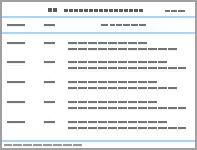
Table 1

Nucleotide sequences of primers used in RT-qPCR"

Genes Primer
FABP6S Forward:5′-CCACCCATTCTCCTCATCCCTCTGCTC-3′
Reverse:5′-ACCAAGTGAAGTCCTGCCCATCCTG-3′
FABP6L Forward:5′-ACATGGGTGAGCCGGAAAGGAGAC-3′
Reverse:5′-CCGGAGTAGTGCTGGGACCAAGTGAAGT-3′

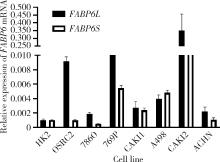
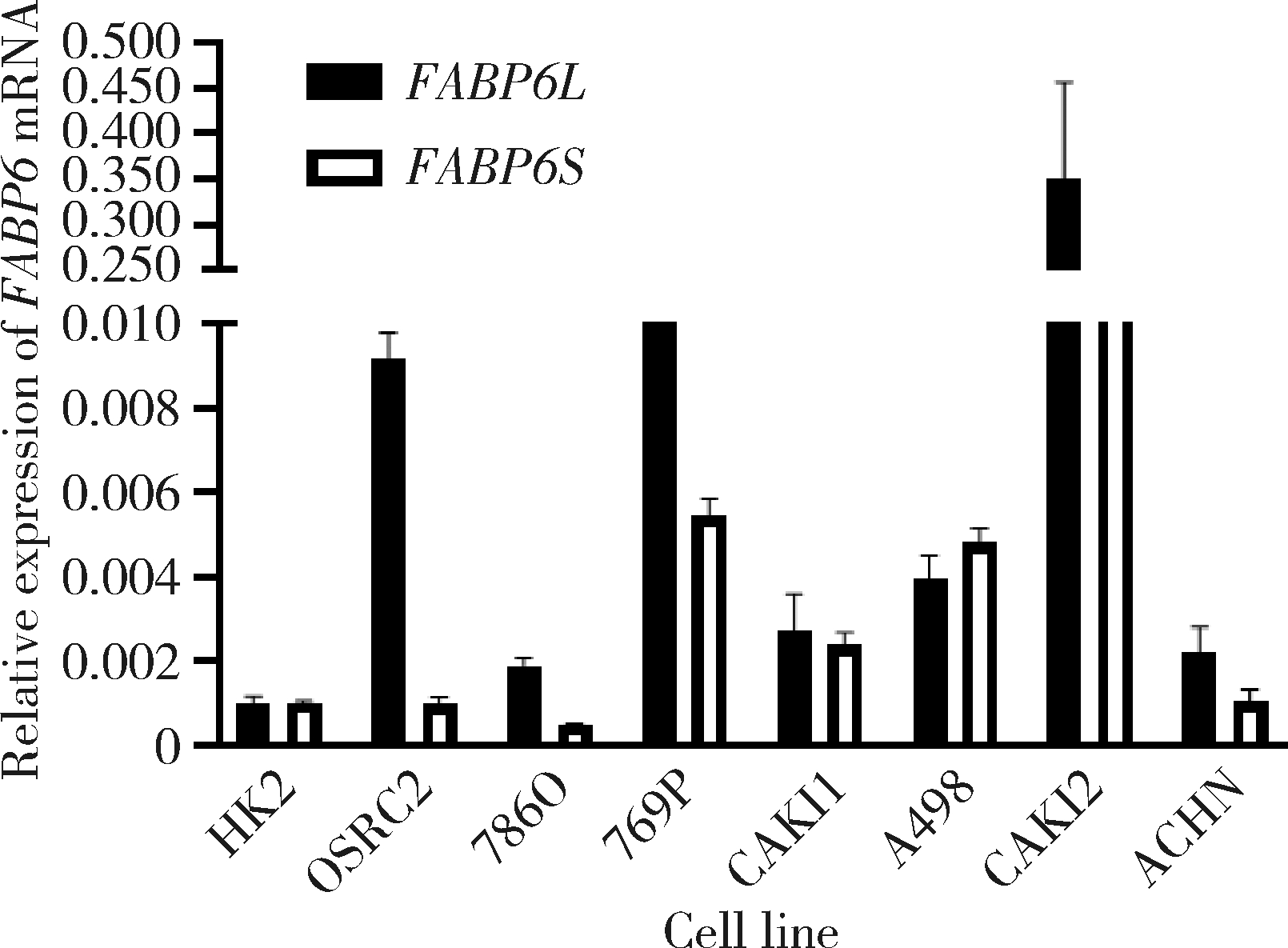
Figure 1

mRNA expression profile of FABP6 gene isoforms in the normal renal tubular cell line and renal cancer cell lines FABP6L, fatty acid binding protein 6 long transcript; FABP6S, fatty acid binding protein 6 short transcript."

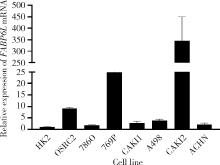
Figure 2

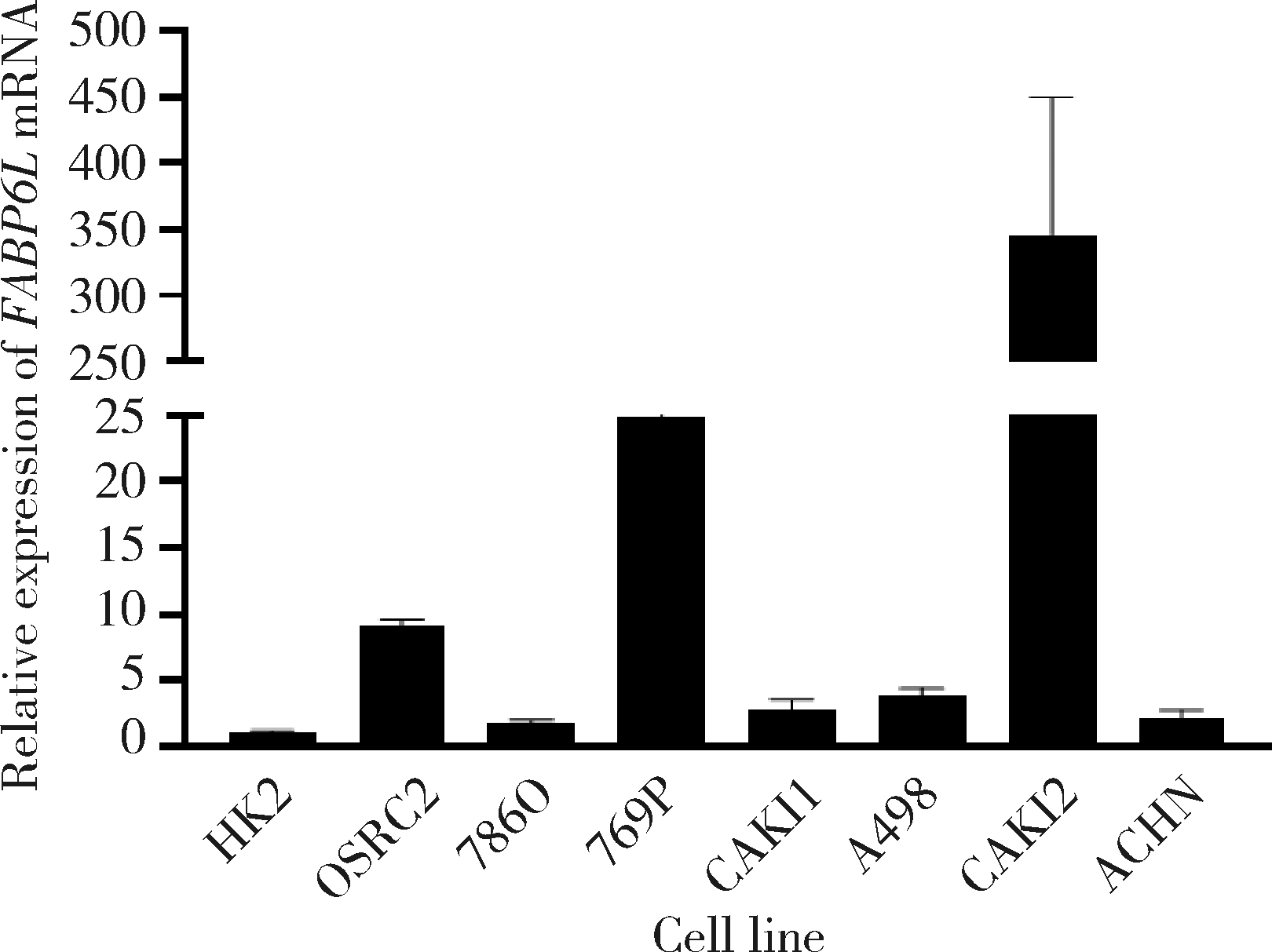
Expression of FABP6L mRNA in normal renal tubular cell line and renal cancer cell lines FABP6L, fatty acid binding protein 6 long transcript."

Figure 3

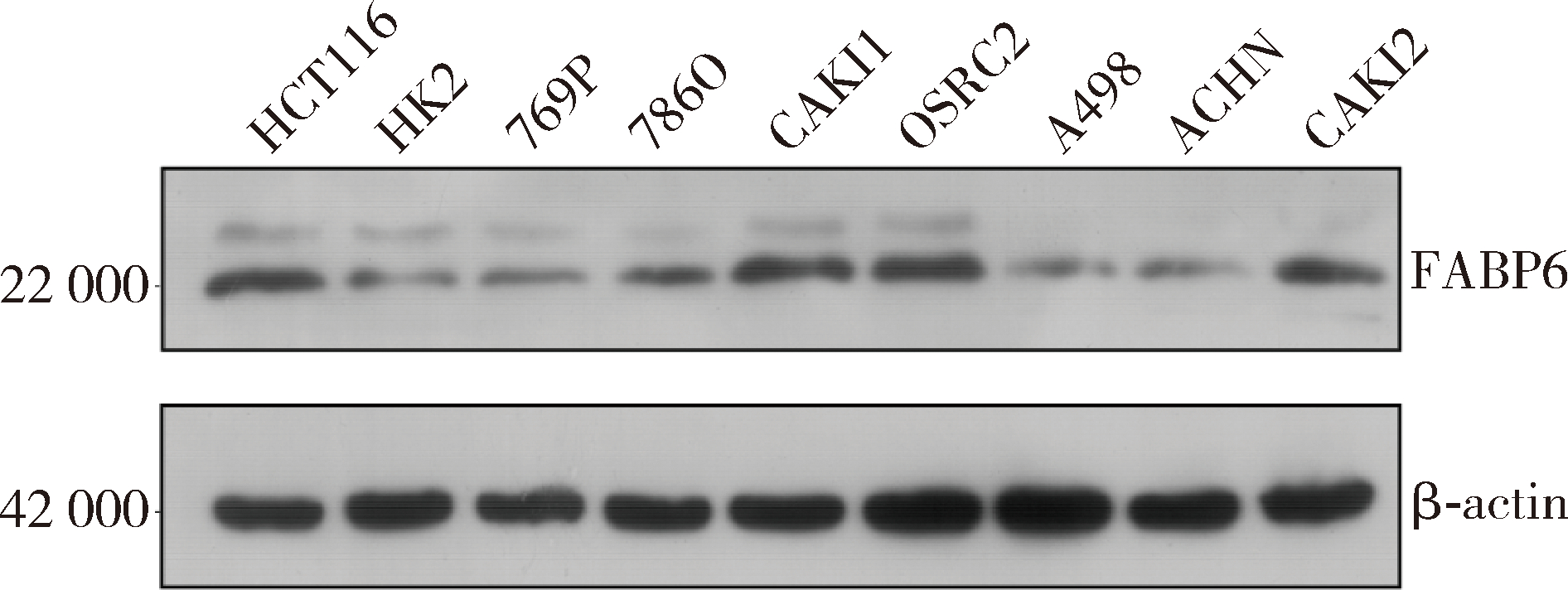
Expression of FABP6 protein in renal cancer cell lines and normal renal tubular cell line HK2, HCT116 as a reported high FABP6 protein expression cell line FABP6, fatty acid binding protein 6."

Figure 4

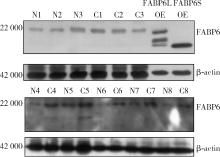
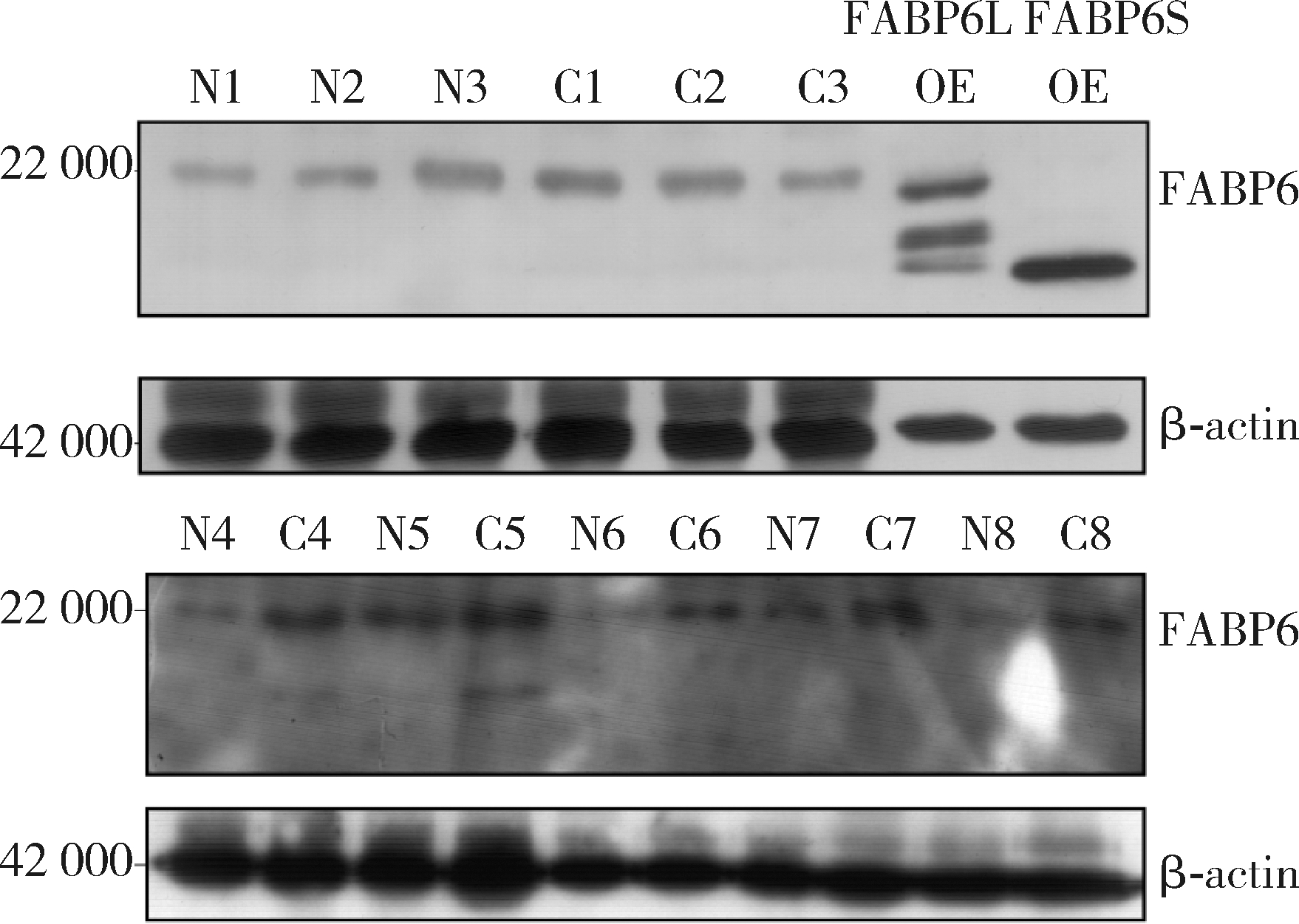
Expression of FABP6 protein in normal kidney tissue and ccRCC tissue FABP6L, fatty acid binding protein 6 long transcript; FABP6S, fatty acid binding protein 6 short transcript; FABP6, fatty acid binding protein 6; OE, over expression; N, normal kidney tissue; C, ccRCC tissue; ccRCC, clear cell renal cell carcinoma."

Figure 5

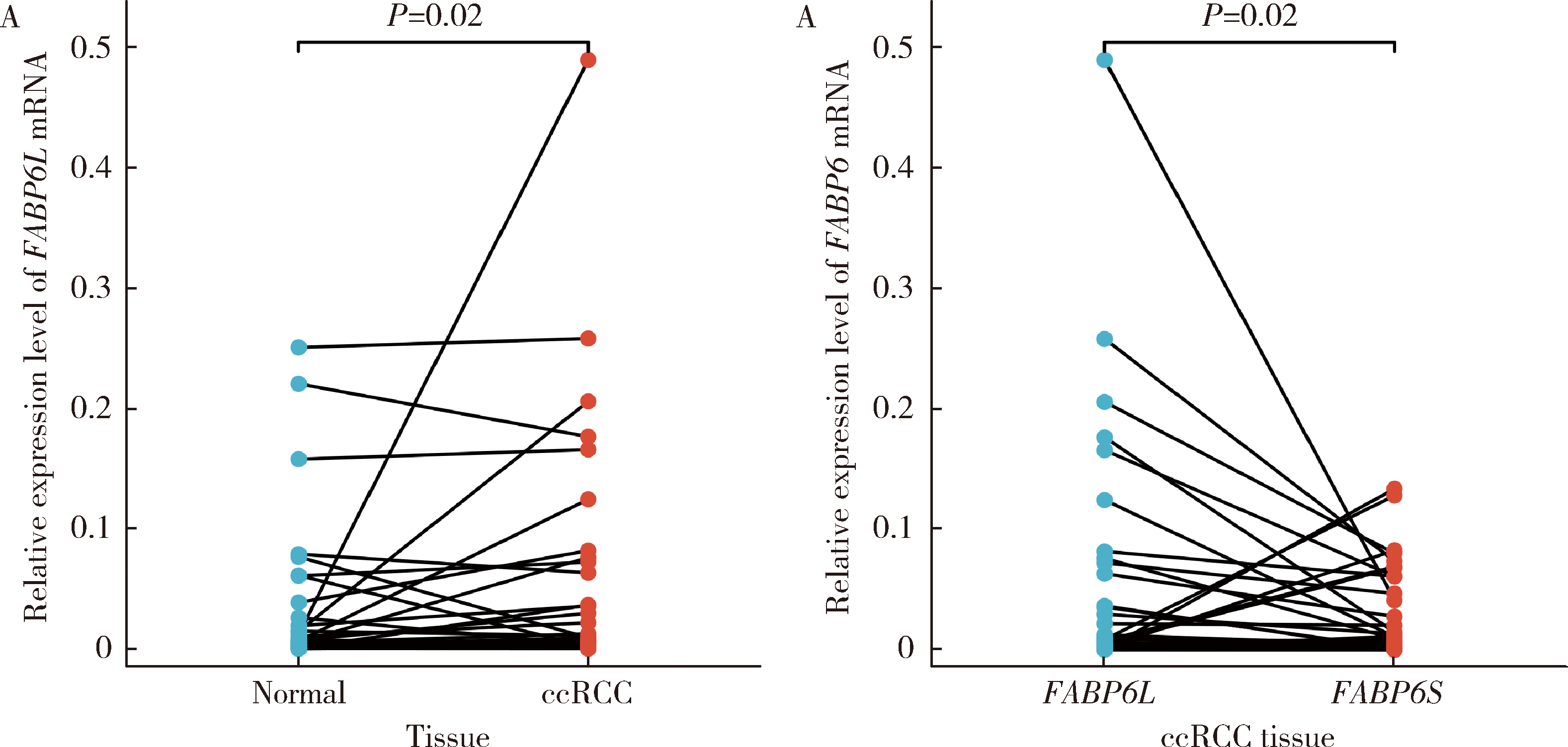
mRNA expression profile of FABP6 in normal kidney tissue and ccRCC tissue FABP6L, fatty acid binding protein 6 long transcript; FABP6S, fatty acid binding protein 6 short transcript; FABP6, fatty acid binding protein 6; ccRCC, clear cell renal cell carcinoma."

Figure 6

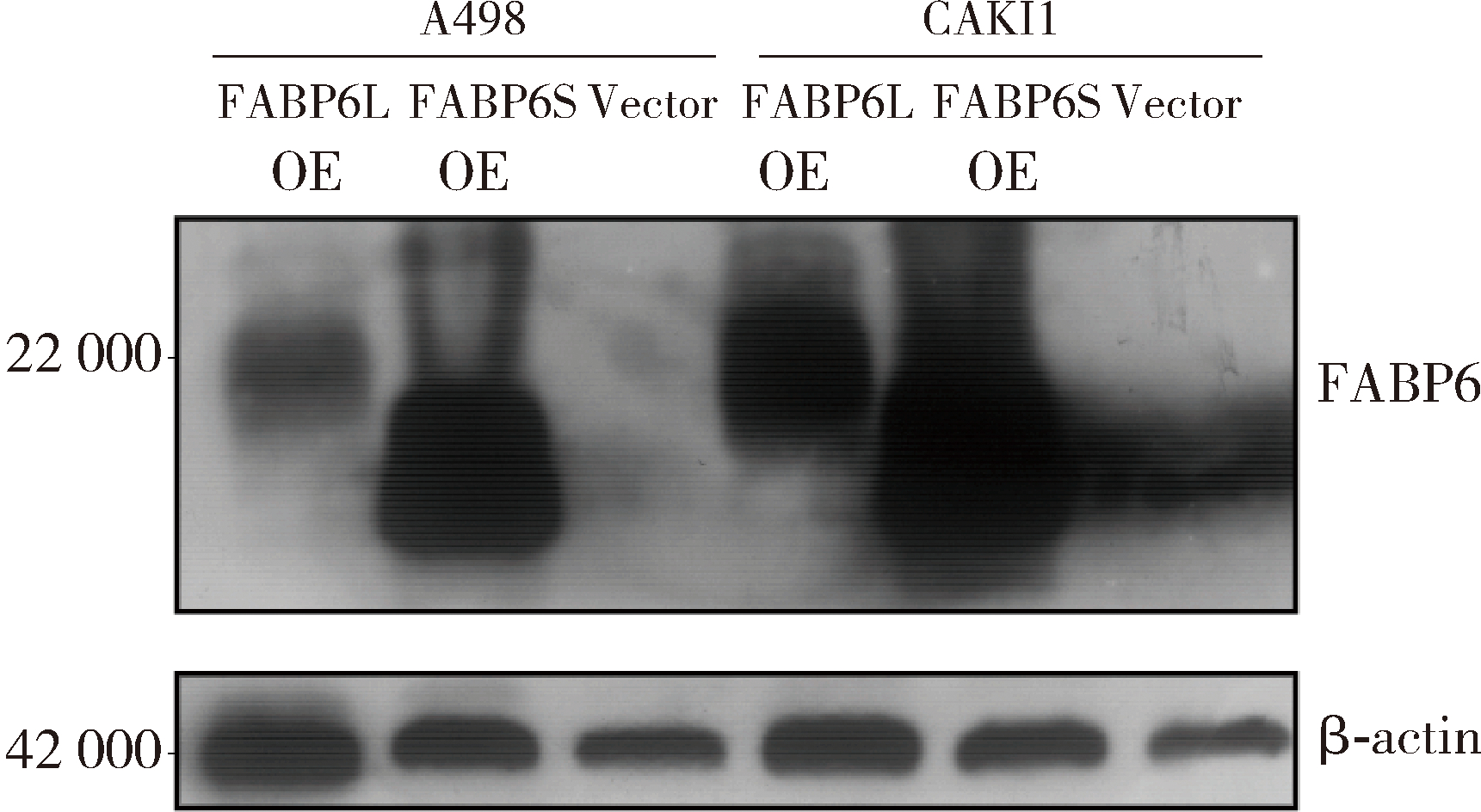
A498 and CAKI1 cell line stable transfection efficiency validation FABP6L, fatty acid binding protein 6 long transcript; FABP6S, fatty acid binding protein 6 short transcript; FABP6, fatty acid binding protein 6; OE, over expression; ccRCC, clear cell renal cell carcinoma."

Figure 7

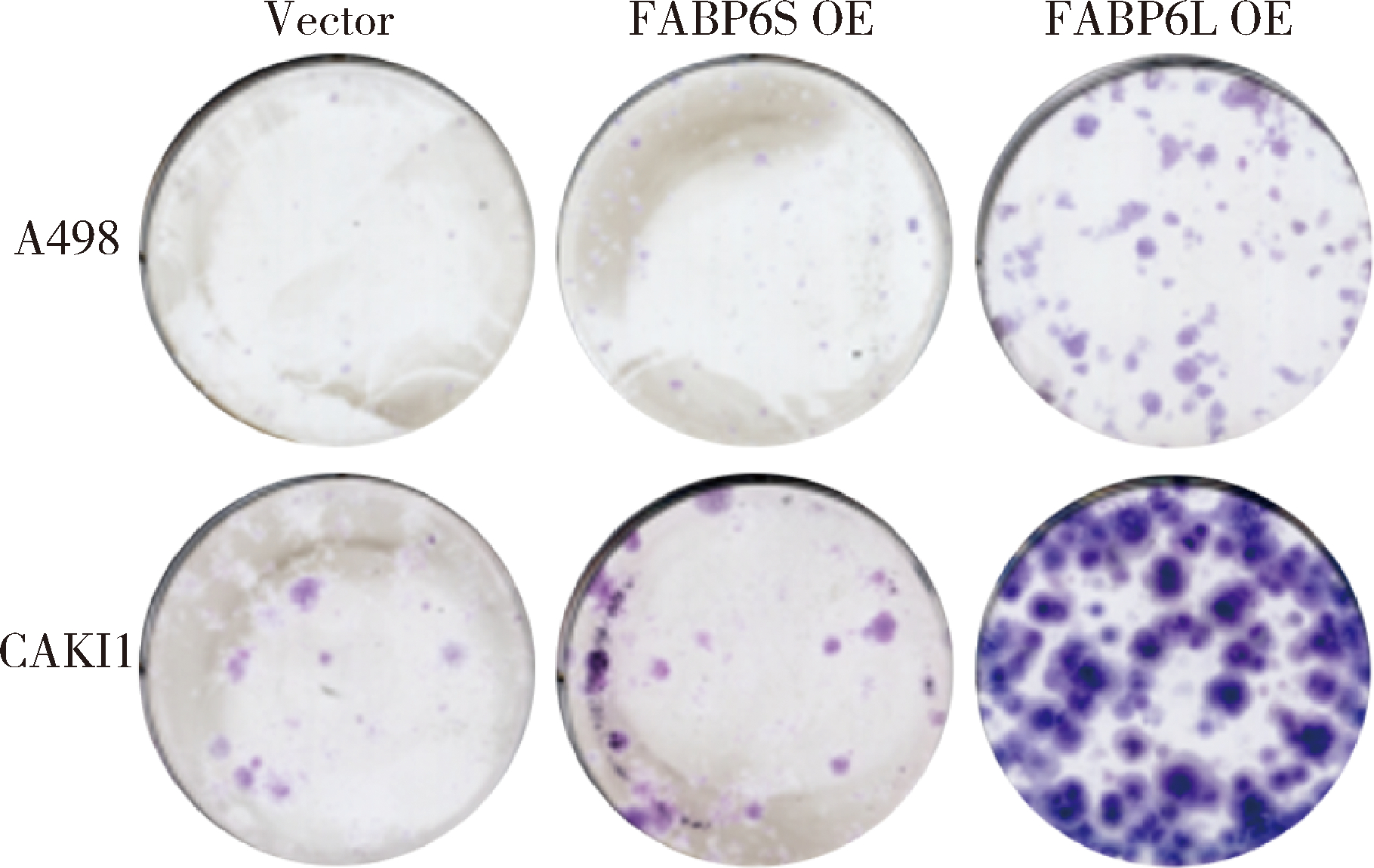
Colony formation assay of A498 and CAKI1 cell line FABP6S, fatty acid binding protein 6 short transcript; FABP6L, fatty acid binding protein 6 long transcript; OE, over expression."

Figure 8

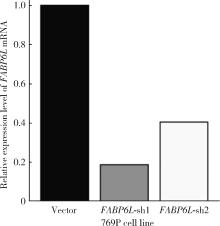
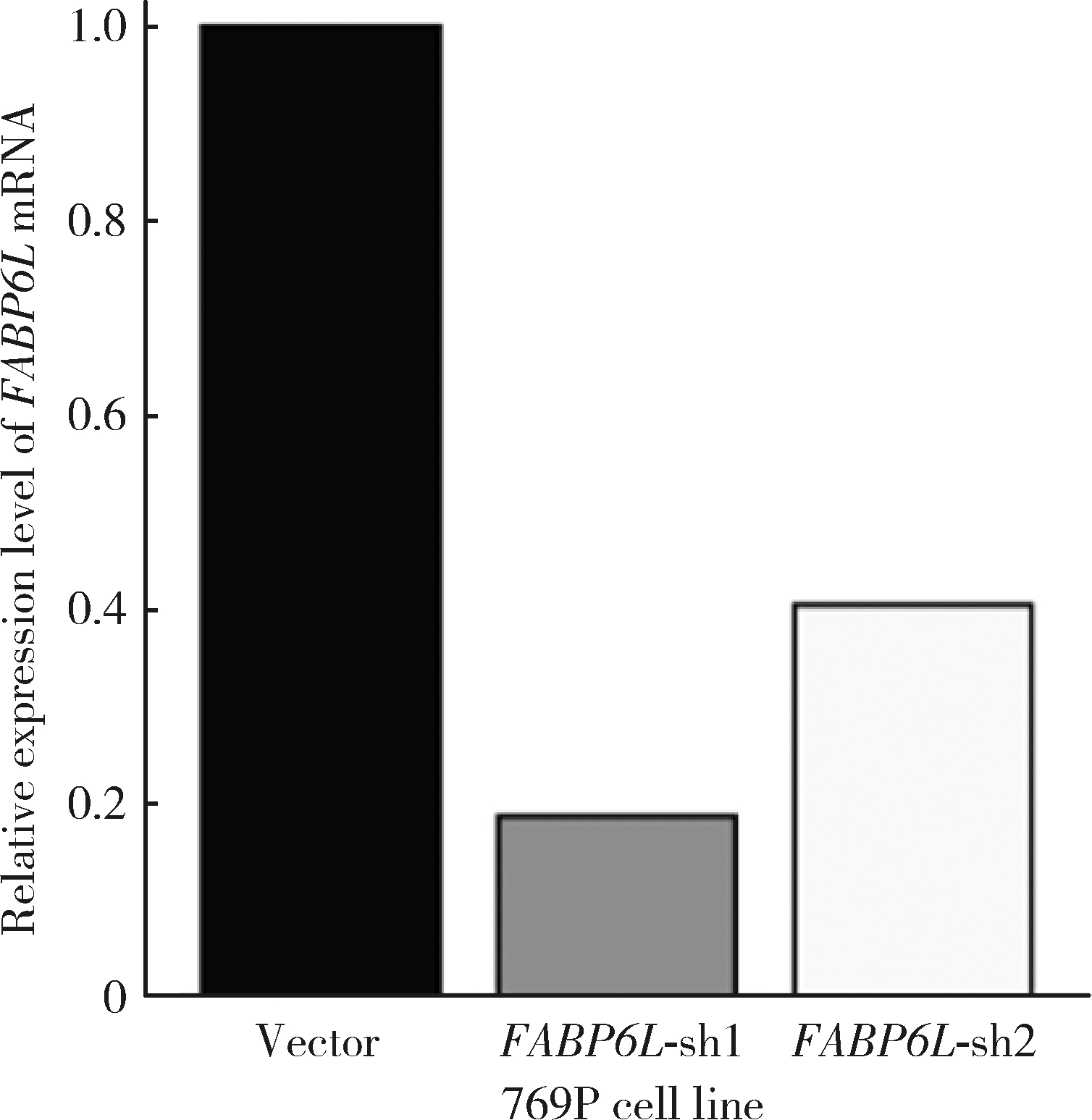
Knockdown efficiency validation of 769P cell line FABP6L, fatty acid binding protein 6 long transcript; sh, short hairpin RNA."

Figure 9

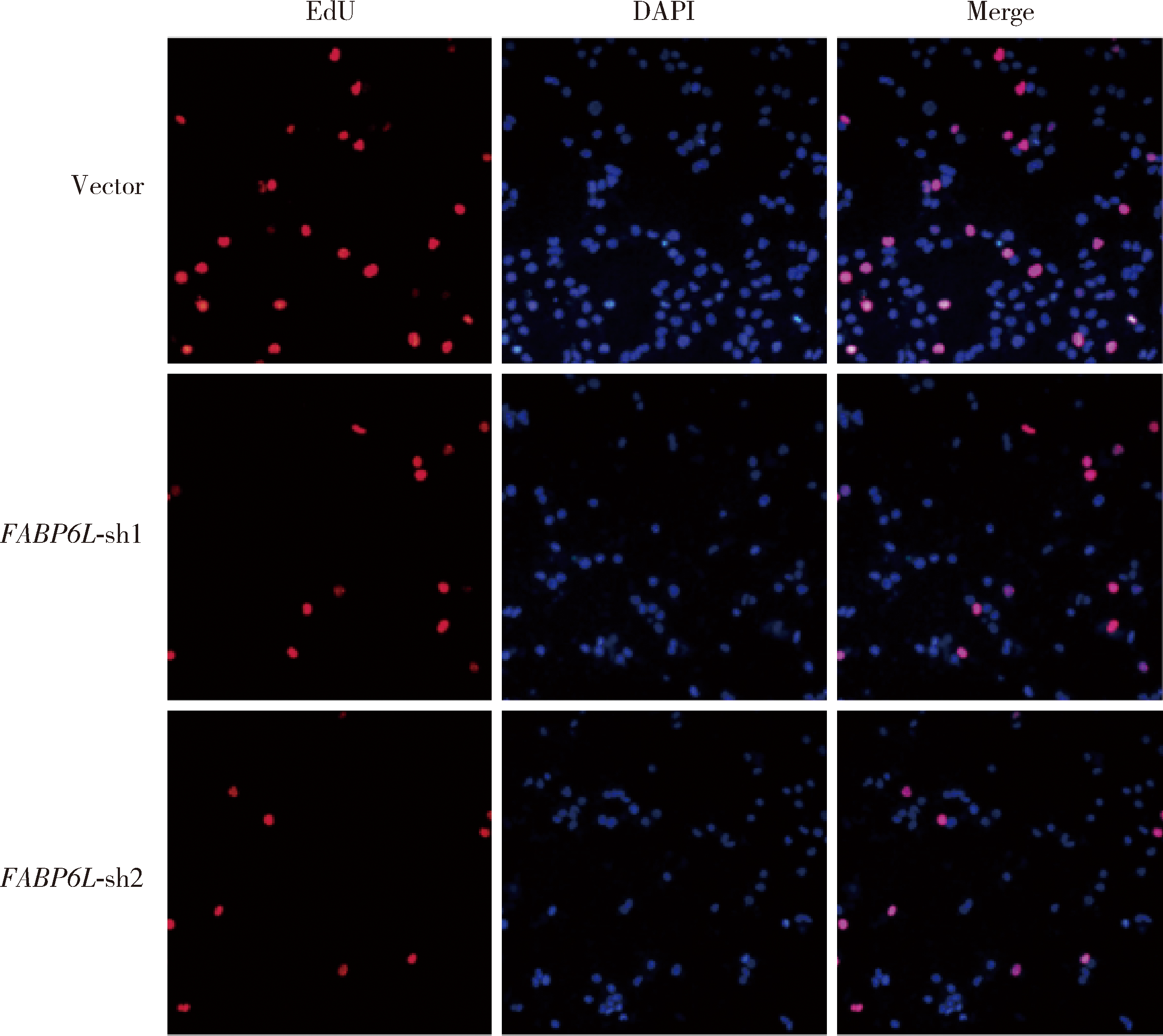
EdU labeling of 769P cell line (×20) EdU, 5-Ethynyl-2'-deoxyuridine; DAPI, 4', 6-diamidino-2-phenylindole; FABP6L, fatty acid binding protein 6 long transcript; sh, short hairpin RNA."

1
Hu J , Wang SG , Hou Y , et al. Multi-omic profiling of clear cell renal cell carcinoma identifies metabolic reprogramming associated with disease progression[J]. Nat Genet, 2024, 56 (3): 442- 457.

doi: 10.1038/s41588-024-01662-5
2
Fang C , Dean J , Smith JW . A novel variant of ileal bile acid binding protein is up-regulated through nuclear factor-kappaB activation in colorectal adenocarcinoma[J]. Cancer Res, 2007, 67 (19): 9039- 9046.

doi: 10.1158/0008-5472.CAN-06-3690
3
D'Onofrio M , Zanzoni S , Munari F , et al. The long variant of human ileal bile acid-binding protein associated with colorectal cancer exhibits sub-cellular localization and lipid binding behaviour distinct from those of the common isoform[J]. Biochim Biophys Acta Gen Subj, 2017, 1861 (9): 2315- 2324.

doi: 10.1016/j.bbagen.2017.07.004
4
Lian W , Wang Z , Ma Y , et al. FABP6 expression correlates with immune infiltration and immunogenicity in colorectal cancer cells[J]. J Immunol Res, 2022, 2022, 3129765.
5
Zhang Y , Zhao X , Deng L , et al. High expression of FABP4 and FABP6 in patients with colorectal cancer[J]. World J Surg Oncol, 2019, 17 (1): 171.

doi: 10.1186/s12957-019-1714-5
6
Zhang D , Zhao F , Liu H , et al. FABP6 serves as a new therapeutic target in esophageal tumor[J]. Aging, 2024, 16 (2): 1640- 1662.

doi: 10.18632/aging.205448
7
Pai FC , Huang HW , Tsai YL , et al. Inhibition of FABP6 reduces tumor cell invasion and angiogenesis through the decrease in MMP-2 and VEGF in human glioblastoma cells[J]. Cells, 2021, 10 (10): 2782.

doi: 10.3390/cells10102782
8
Zheng J , Li YZ , Ni WJ , et al. Comprehensive analysis of the roles of fatty acid transport related proteins in clear cell renal cell carcinoma[J]. Prostaglandins Other Lipid Mediat, 2023, 167, 106732.

doi: 10.1016/j.prostaglandins.2023.106732
[1] Shaohai TANG, Baoming YANG, Jiankun LI, Lili ZHAO, Yifan WANG, Shunxiang WANG. HDAC2-mediated H3K27 acetylation promotes the proliferation and migration of hepatocellular carcinoma cells [J]. Journal of Peking University (Health Sciences), 2025, 57(5): 884-894.
[2] Yao ZHANG,Jinxin GUO,Shijia ZHAN,Enyu HONG,Hui YANG,Anna JIA,Yan CHANG,Yongli GUO,Xuan ZHANG. Role and mechanism of cysteine and glycine-rich protein 2 in the malignant progression of neuroblastoma [J]. Journal of Peking University (Health Sciences), 2024, 56(3): 495-504.
[3] Yun-chong LIU,Zong-long WU,Li-yuan GE,Tan DU,Ya-qian WU,Yi-meng SONG,Cheng LIU,Lu-lin MA. Mechanism of nuclear protein 1 in the resistance to axitinib in clear cell renal cell carcinoma [J]. Journal of Peking University (Health Sciences), 2023, 55(5): 781-792.
[4] Tian-yu CAI,Zhen-peng ZHU,Chun-ru XU,Xing JI,Tong-de LV,Zhen-ke GUO,Jian LIN. Expression and significance of fibroblast growth factor receptor 2 in clear cell renal cell carcinoma [J]. Journal of Peking University (Health Sciences), 2022, 54(4): 628-635.
[5] Mei-ni ZUO,Yi-qing DU,Lu-ping YU,Xiang DAI,Tao XU. Correlation between metabolic syndrome and prognosis of patients with clear cell renal cell carcinoma [J]. Journal of Peking University (Health Sciences), 2022, 54(4): 636-643.
[6] YANG Duo,ZHOU Xin-na,WANG Shuo,WANG Xiao-li,YUAN Yan-hua,YANG Hua-bin,GENG Hui-zhen,PENG Bing,LI Zi-bo,LI Bin,REN Jun. Assessment of lymphocytic function in vitro stimulated by specific tumor polypeptide combined with dendritic cells [J]. Journal of Peking University (Health Sciences), 2021, 53(6): 1094-1098.
[7] Jing XIE,Yu-ming ZHAO,Nan-quan RAO,Xiao-tong WANG,Teng-jiao-zi FANG,Xiao-xia LI,Yue ZHAI,Jing-zhi LI,Li-hong GE,Yuan-yuan WANG. Comparative study of differentiation potential of mesenchymal stem cells derived from orofacial system into vascular endothelial cells [J]. Journal of Peking University(Health Sciences), 2019, 51(5): 900-906.
[8] Fan ZHANG,Tai-qiang YAN,Wei GUO. Rasfonin inhibits proliferation and migration of osteosarcoma 143B cells [J]. Journal of Peking University(Health Sciences), 2019, 51(2): 234-238.
[9] WANG Zi-cheng, CHENG Li, LV Tong-de, SU Li, LIN Jian, ZHOU Li-qun. Inflammatory priming adipose derived stem cells significantly inhibit the proliferation of peripheral blood mononuclear cells [J]. Journal of Peking University(Health Sciences), 2018, 50(4): 590-594.
[10] TANG Xu, ZHAO Wei-hong, SONG Qin-qin, YIN Hua-qi, DU Yi-qing, SHENG Zheng-zuo, WANG Qiang, ZHANG Xiao-wei, LI Qing, LIU Shi-jun, XU Tao. Influence of SOX10 on the proliferation and invasion of prostate cancer cells [J]. Journal of Peking University(Health Sciences), 2018, 50(4): 602-606.
[11] WANG Xiao-tong, RAO Nan-quan, FANG Teng-jiao-zi, ZHAO Yu-ming, GE Li-hong. Comparison of the properties of CD146 positive and CD146 negative subpopulations of stem cells from human exfoliated deciduous teeth [J]. Journal of Peking University(Health Sciences), 2018, 50(2): 284-292.
[12] CHEN Wei, HU Fan-lei, LIU Hong-jiang, XU Li-ling, LI Ying-ni, LI Zhan-guo. Myeloid-derived suppressor cells promoted autologous B cell proliferation in rheumatoid arthritis [J]. Journal of Peking University(Health Sciences), 2017, 49(5): 819-823.
[13] CAI Yi, GUO Hao, LI Han-zhong, WANG Wen-da, ZHANG Yu-shi. MicroRNA differential expression profile in tuberous sclerosis complex cell line TSC2-/- MEFs and normal cell line TSC2+/+ MEFs [J]. Journal of Peking University(Health Sciences), 2017, 49(4): 580-584.
[14] SIMA Zi-han, HONG Ying-ying, LI Tie-jun△. Effects of PTCH1 mutations on the epithelial proliferation derived from keratocystic odontogenic tumour [J]. Journal of Peking University(Health Sciences), 2017, 49(3): 522-526.
[15] GAO Xiang, CHEN Xiang-mei, ZHANG Ting, ZHANG Jing, CHEN Mo, GUO Zheng--yang, SHI Yan-yan, LU Feng-min, DING Shi-gang. Relationship between macrophage capping protein and gastric cancer cell’s proliferation and migration ability [J]. Journal of Peking University(Health Sciences), 2017, 49(3): 489-494.
Viewed
Full text


Abstract

Cited

  Shared   
  Discussed   
No Suggested Reading articles found!