Journal of Peking University (Health Sciences) ›› 2026, Vol. 58 ›› Issue (4): 707-715. doi: 10.19723/j.issn.1671-167X.2026.04.005

Previous Articles     Next Articles

CRISPR-Cas9 activation screening identifies candidate chemokine regulators of ter-tiary lymphoid structure formation in bladder cancer

Yongcun WANG1,2, Hongchen SONG1,2, Yiqing DU2,*(), Tao XU2,*()   

  1. 1. Department of Surgery, Hebei Medical University, Shijiazhuang 050011, China
    2. Department of Urology, Peking University People's Hospital, Beijing 100044, China
  • Received:2026-03-02 Online:2026-08-18 Published:2026-06-30
  • Contact: Yiqing DU, Tao XU
  • Supported by:
    the Noncommunicable Chronic Diseases-National Science and Technology Major Project(2024ZD0525700); the National Natural Science Foundation of China(82471866); the National Natural Science Foundation of China(82472912); the Beijing Natural Science Foundation(L252190)

RICH HTML


Abstract:

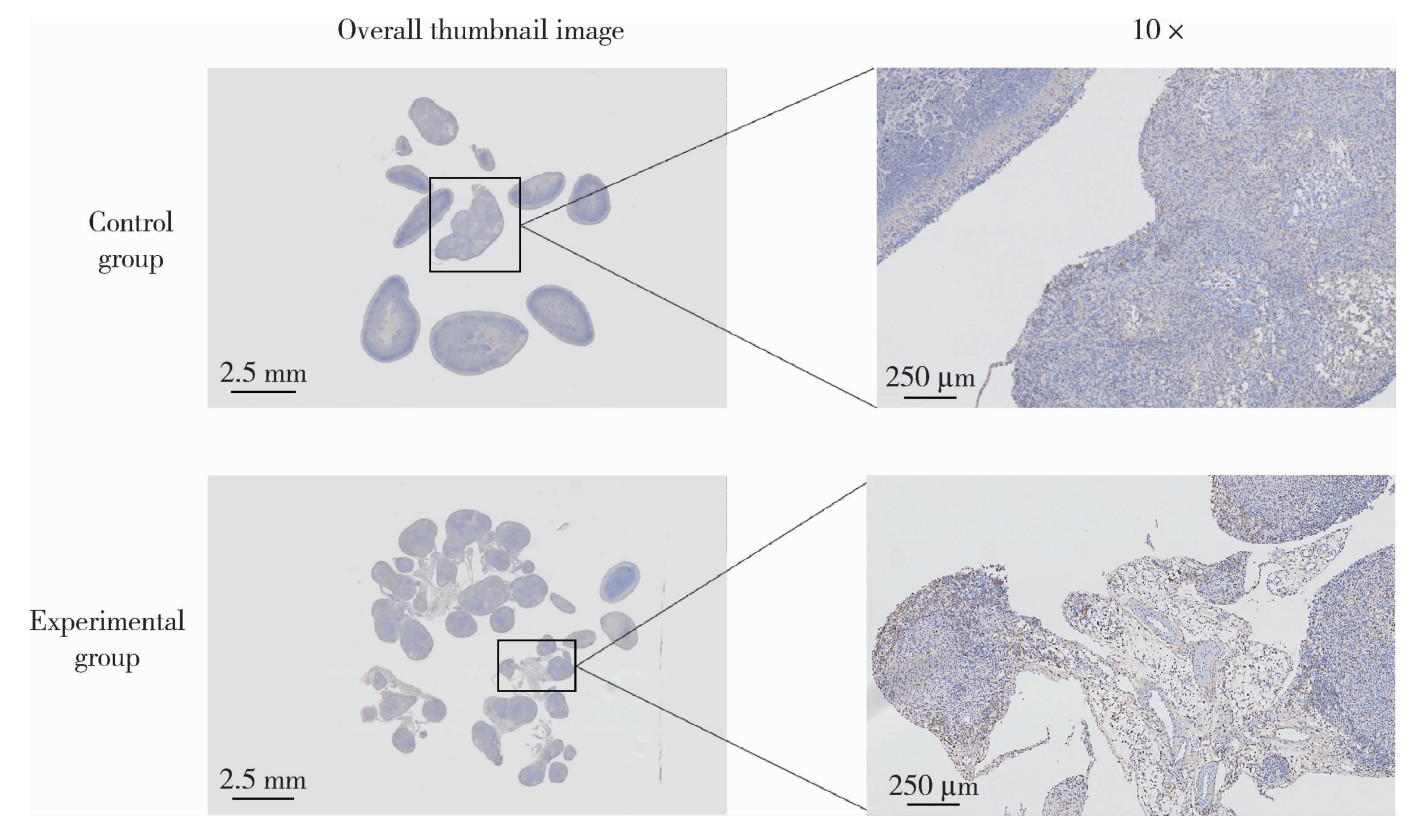
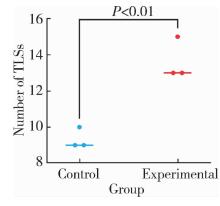
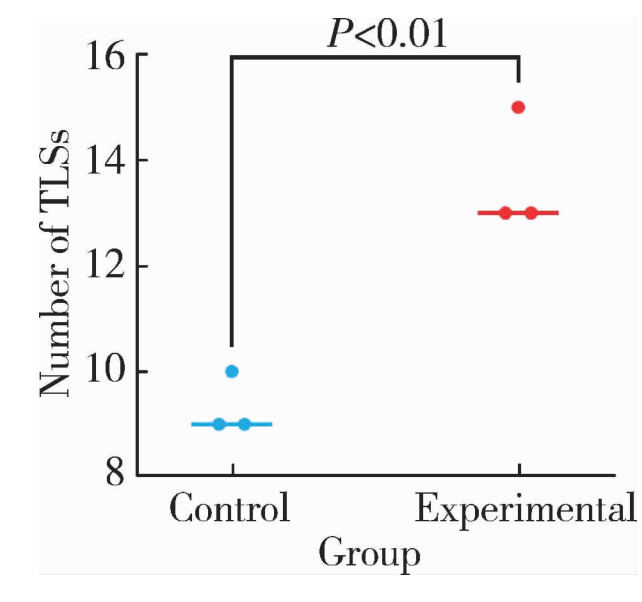
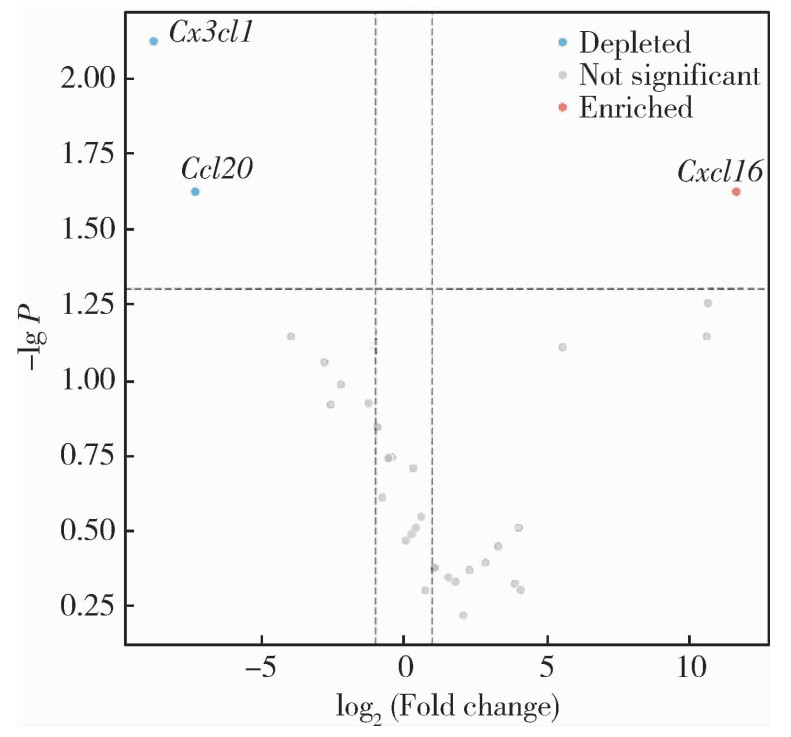
Objective: To identify the cytokine genes influencing the formation of tertiary lymphoid structures (TLS) through CRISPR-Cas9 library screening, and to discover potential key regulatory molecules, providing new targets for enhancing the efficacy of bladder cancer immunotherapy. Methods: Based on a mouse whole-genome library, 44 chemokine-related genes were identified, and an single-guide RNA (sgRNA) library targeting these genes was designed and constructed, with three sgRNAs assigned to each gene. Using a lentiviral packaging system, the library plasmids were used to transfect HEK293T cells to generate a lentiviral library, which was then used to infect the mouse bladder cancer cell line MB49. Purinomycin selection was performed to obtain the MB49-mCherry cell line stably over-expressing chemokines. The cells were inoculated into the peritoneal cavity of C57BL/6 mice to establish a bladder cancer xenograft model, and tumor growth was monitored. Three weeks later, tumor tissue was excised, genomic DNA was extracted for high-throughput sequencing, and sgRNA enrichment was analyzed to screen for differentially expressed cytokine genes. Concurrently, immunohistochemical staining was performed to detect TLS markers CD20 and CD3, and the number, distribution, and maturity of TLS were assessed. The selected candidate genes were validated individually in vivo to further confirm their impact on TLS formation. Results: We successfully constructed a cytokine gene library containing 132 sgRNAs, covering 44 chemokine genes. Following lentiviral infection, we obtained the MB49-mCherry cell line, which stably expressed the library, and isolated dead Cas9-positive monoclonal cell lines via flow cytometry to ensure the homogeneity and reproducibility of subsequent experiments. Intratumoral tumor experiments in mice revealed that the number of TLS cells in the experimental group was significantly higher than in the control group, primarily distributed at the tumor margins. High-throughput sequencing results showed that, compared with the control group, in the experimental group, Cxcl16 sgDNA was significantly enriched, while Ccl20 and Cx3lc1 sgDNA levels decreased compared with baseline (P < 0.05). Further validation of the individual roles of each factor via intraperitoneal injection revealed that the number of TLSs in tumors decreased in the group treated with the CX3CL1 chemokine, suggesting that CX3CL1 might negatively regulate TLS formation. Immunohistochemical results showed that in the CX3CL1-treated group, the aggregation of CD20-positive B cells and CD3-positive T cells in the tumor tissue was reduced, and the TLS structure was incomplete. Conclusion: Through CRISPR-Cas9 library screening combined with in vivo validation, this study successfully identified CX3CL1 as a potential negative regulator of TLS formation in bladder cancer. High CX3CL1 expression was associated with a reduction in TLS numbers, suggesting that it might exert an inhibitory role in the immune microenvironment of bladder cancer. This finding provides new clues and research directions for understanding the molecular mechanisms of TLS formation in bladder cancer. However, whether CX3CL1 can serve as an immunotherapeutic target remains to be further validated through clinical specimen analysis, multidimensional mechanistic investigation, and immunotherapy response correlation studies.

Key words: Urinary bladder neoplasms, CRISPR-Cas systems, Tertiary lymphoid structures, Gene library, Chemokines

CLC Number: 

  • R737.14

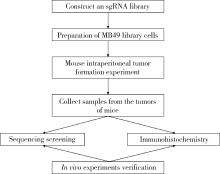
Figure 1

Flowchart of sgRNA screening experiment sgRNA, single-guide RNA."

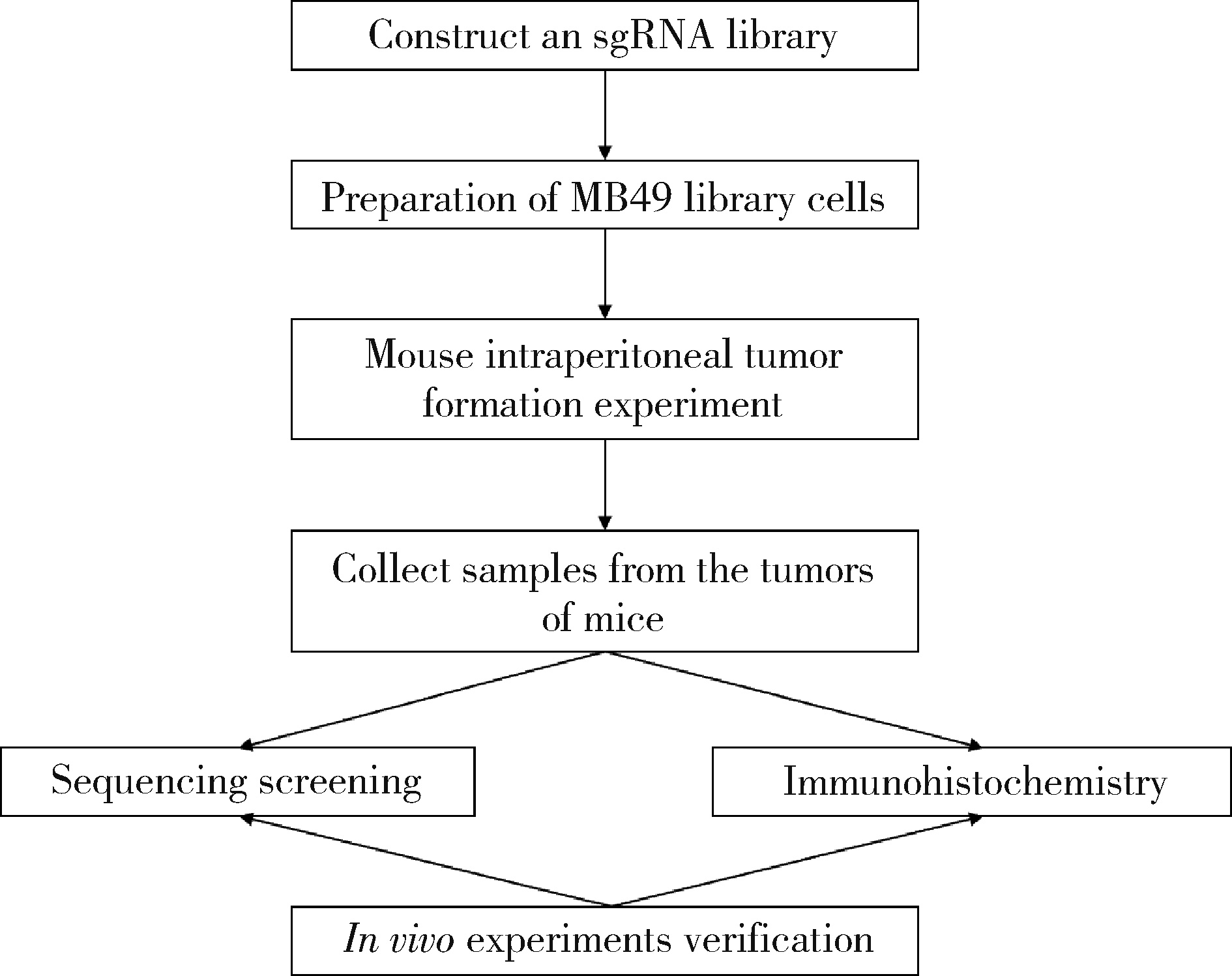
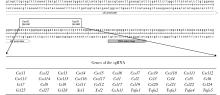
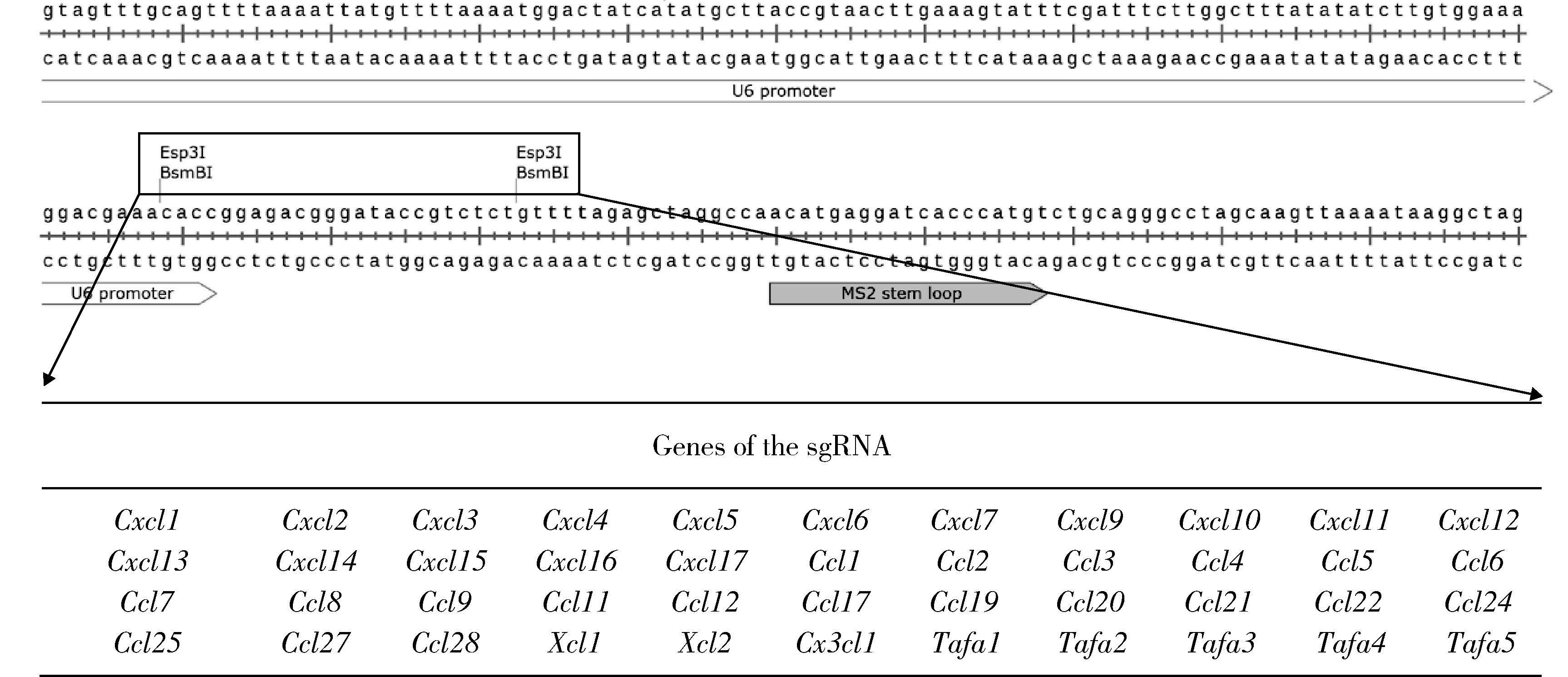
Figure 2

The insertion sites of sgRNAs and the names of the inserted chemokines sgRNA, single-guide RNA."

Figure 3

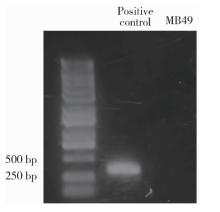
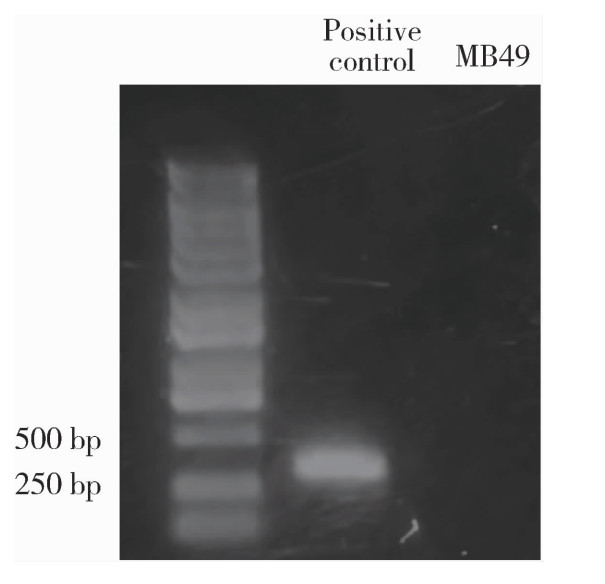
MB49 cell mycoplasma detection results"

Figure 4

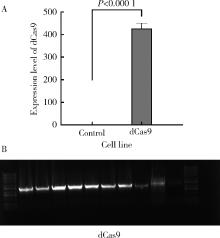
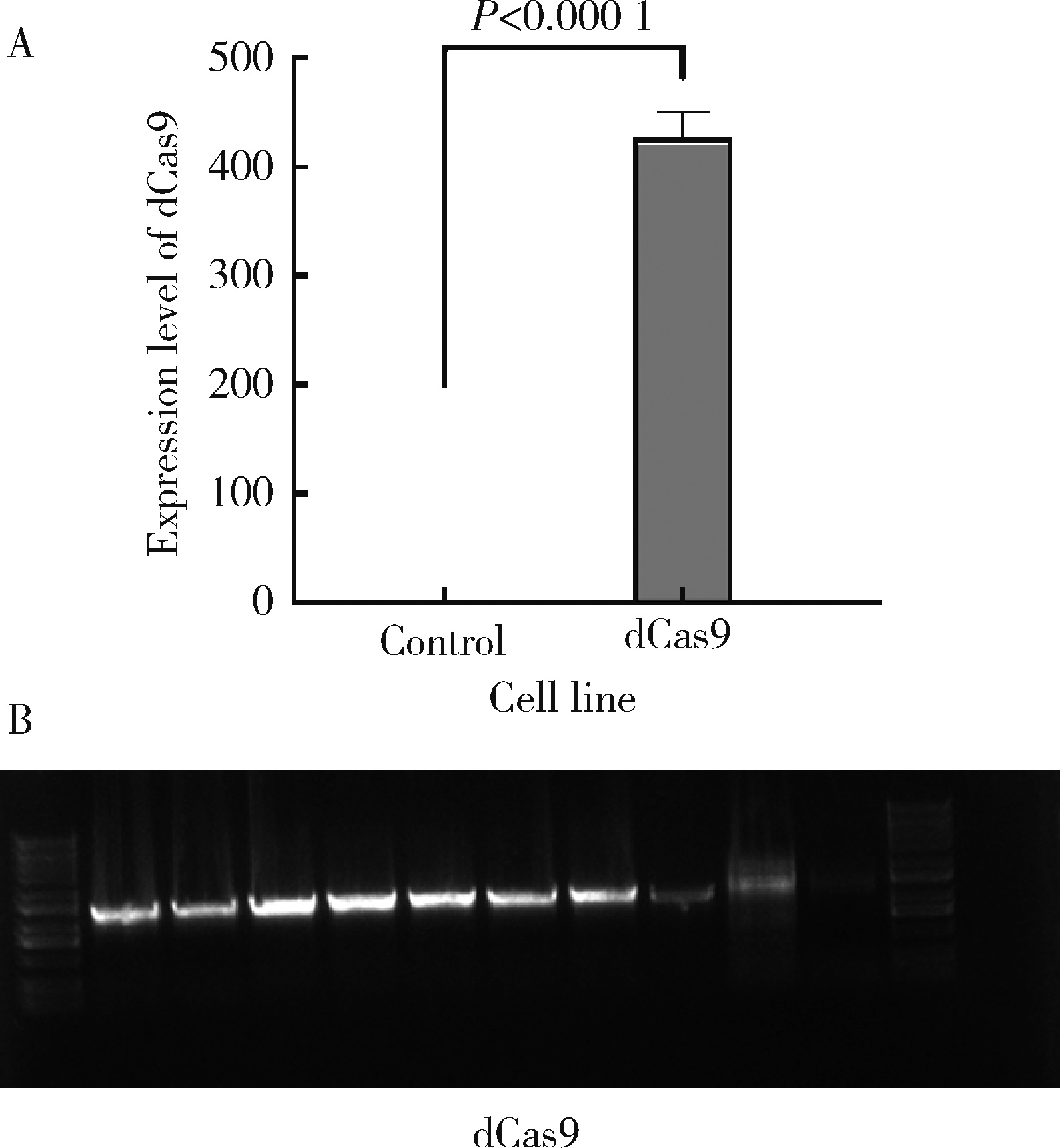
The transfection effect and expression status of dCas9 virus A, reverse transcription quantitative real-time PCR detection of dCas9 virus transfection efficiency; B, expression of dCas9 virus in monoclonal cell lines. dCas9, dead Cas9."

Figure 5

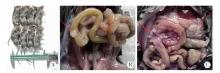
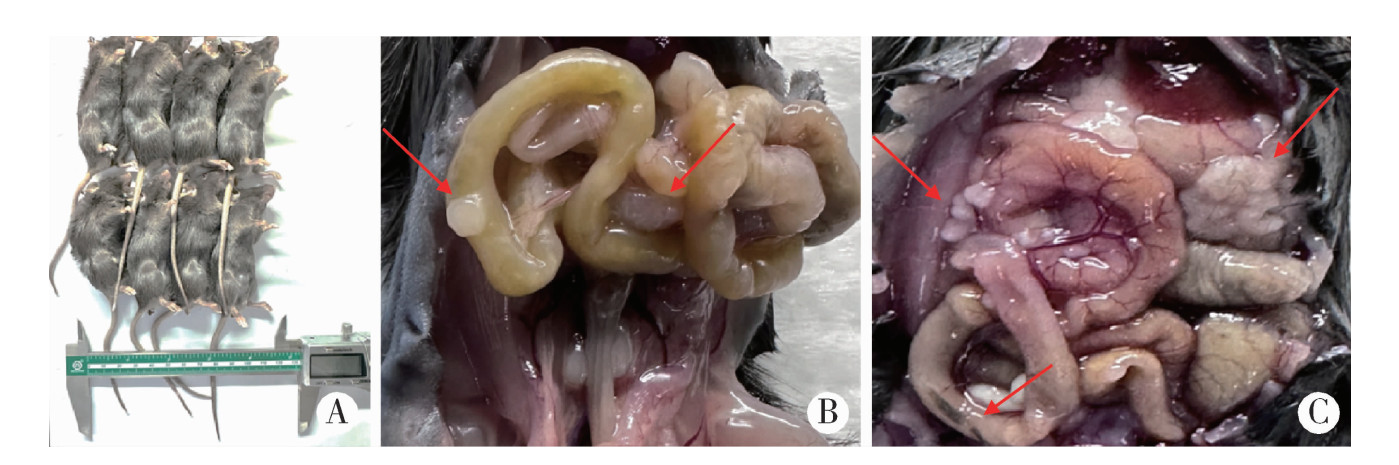
Results of CRISPR screening for peritoneal tumors in mice A, gross view of mice and tumor measurement; B, gross anatomy of the peritoneal cavity in the control group (arrow indicates tumor location); C, gross anatomy of the peritoneal cavity in the experimental group (arrows indicate tumor locations)."

Figure 6

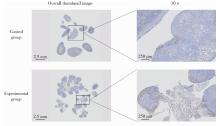
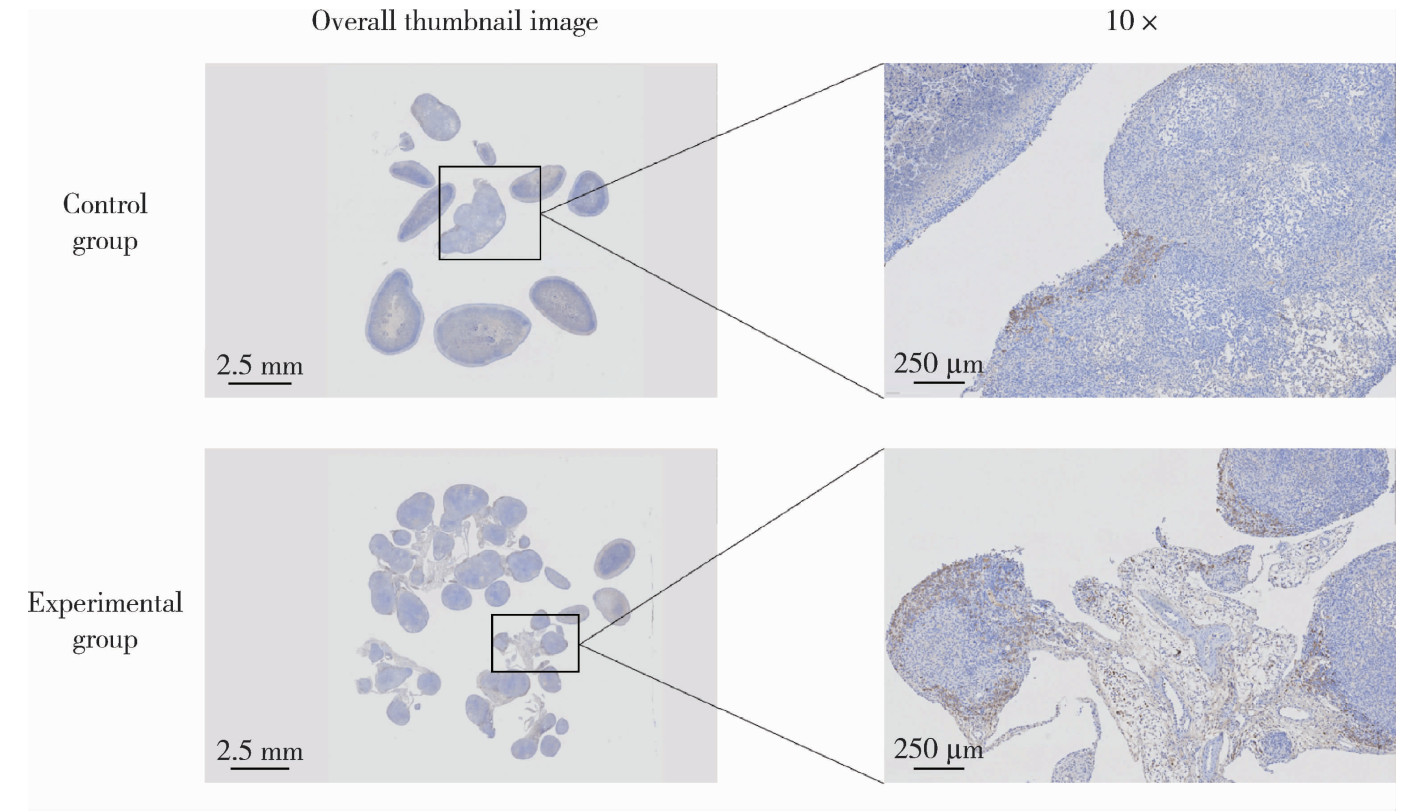
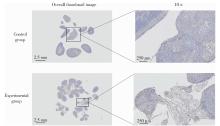
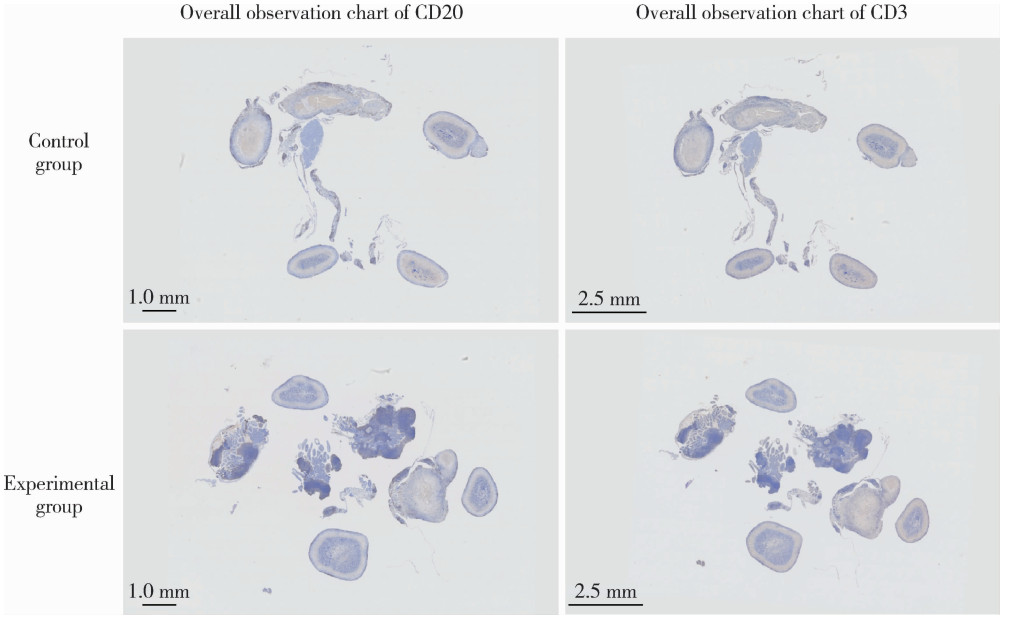
CD20 staining results between the control group and the experimental group"

Figure 7

CD3 staining results between the control group and the experimental group"

Figure 8

Comparison of the number of TLS formed between the control group and the experimental group TLS, tertiary lymphoid structure."

Figure 9

Volcano plot of CRISPR screening results"

Figure 10

Immunohistochemical results following CX3CL1 treatment"

1
Filho AM , Briganti A , Jemal A , et al. Bladder cancer incidence and mortality: A global overview and recent trends[J]. Eur Urol, 2026, 89 (5): 426- 436.

doi: 10.1016/j.eururo.2025.12.011
2
Olislagers M , de Jong FC , Rutten VC , et al. Molecular bio-markers of progression in non-muscle-invasive bladder cancer: Beyond conventional risk stratification[J]. Nat Rev Urol, 2025, 22 (2): 75- 91.

doi: 10.1038/s41585-024-00914-7
3
Jain P , Kathuria H , Momin M . Clinical therapies and nano drug delivery systems for urinary bladder cancer[J]. Pharmacol Ther, 2021, 226, 107871.

doi: 10.1016/j.pharmthera.2021.107871
4
Wang Y , He M , Li J , et al. Immunotherapeutic strategies for invasive bladder cancer: A comprehensive review[J]. Front Immunol, 2025, 16, 1591379.

doi: 10.3389/fimmu.2025.1591379
5
Michaud é , Mansure JJ , Kassouf W . Integrating novel immunotherapeutic approaches in organ-preserving therapies for bladder cancer[J]. Br J Pharmacol, 2026, 183 (6): 1215- 1232.

doi: 10.1111/bph.16300
6
Fan Z , Deng J , Wang Y , et al. Bladder cancer: Immunotherapy and pelvic lymph node dissection[J]. Vaccines, 2024, 12 (2): 150.

doi: 10.3390/vaccines12020150
7
Chen C , An M , Zheng H , et al. B cells disrupt tertiary lymphoid structure formation and suppress anti-tumor immunity[J]. Cancer Cell, 2026, 44 (3): 551- 566. e17.

doi: 10.1016/j.ccell.2025.12.011
8
Lin J , Jiang S , Chen B , et al. Tertiary lymphoid structures are linked to enhanced antitumor immunity and better prognosis in muscle-invasive bladder cancer[J]. Adv Sci, 2025, 12 (7): 2410998.

doi: 10.1002/advs.202410998
9
Bao X , Lin X , Xie M , et al. Mature tertiary lymphoid structures: Important contributors to anti-tumor immune efficacy[J]. Front Immunol, 2024, 15, 1413067.

doi: 10.3389/fimmu.2024.1413067
10
Amisaki M , Zebboudj A , Yano H , et al. IL-33-activated ILC2s induce tertiary lymphoid structures in pancreatic cancer[J]. Nature, 2025, 638 (8052): 1076- 1084.

doi: 10.1038/s41586-024-08426-5
11
Sautès-Fridman C , Lawand M , Giraldo NA , et al. Tertiary lym-phoid structures in cancers: Prognostic value, regulation, and manipulation for therapeutic intervention[J]. Front Immunol, 2016, 7, 407.
12
Shu WJ , Ma Z , Jia L , et al. miR-ON-CRISPR: A microRNA-activated CRISPR-dCas9 system for precise gene therapy in living cells and mouse models of sepsis[J]. Nucleic Acids Res, 2025, 53 (19): gkaf1037.

doi: 10.1093/nar/gkaf1037
13
Razavi Z , Soltani M , Souri M , et al. CRISPR innovations in tissue engineering and gene editing[J]. Life Sci, 2024, 358, 123120.

doi: 10.1016/j.lfs.2024.123120
14
Awwad SW , Serrano-Benitez A , Thomas JC , et al. Revolu-tionizing DNA repair research and cancer therapy with CRISPR-Cas screens[J]. Nat Rev Mol Cell Biol, 2023, 24 (7): 477- 494.

doi: 10.1038/s41580-022-00571-x
15
Wu Y , Wang Y , Wang Y , et al. Exploring synthetic lethality in cancer therapy: CRISPR-Cas9 technology offers new hope[J]. Biochim Biophys Acta BBA Rev Cancer, 2025, 1880 (4): 189370.

doi: 10.1016/j.bbcan.2025.189370
16
Santinha AJ , Strano A , Platt RJ . Methods and applications of in vivo CRISPR screening[J]. Nat Rev Genet, 2025, 26 (10): 702- 718.

doi: 10.1038/s41576-025-00873-8
17
Chen J , Wu Q , Berglund AE , et al. Tumor-associated macrophages in glioblastoma: Mechanisms of tumor progression and therapeutic strategies[J]. Cells, 2025, 14 (18): 1458.

doi: 10.3390/cells14181458
18
Seitz S , Dreyer TF , Stange C , et al. The chemokine CX3CL1 promotes intraperitoneal tumour growth despite enhanced T-cell recruitment in ovarian cancer[J]. Neoplasia, 2025, 60, 101130.

doi: 10.1016/j.neo.2025.101130
19
Eain HS , Kawai H , Nakayama M , et al. Double-faced CX3CL1 enhances lymphangiogenesis-dependent metastasis in an aggressive subclone of oral squamous cell carcinoma[J]. JCI Insight, 2024, 9 (10): e174618.

doi: 10.1172/jci.insight.174618
20
Dreyer TF , Kuhn S , Stange C , et al. The chemokine CX3CL1 improves trastuzumab efficacy in HER2 low-expressing cancer in vitro and in vivo[J]. Cancer Immunol Res, 2021, 9 (7): 779- 789.

doi: 10.1158/2326-6066.CIR-20-0327
21
Adib E , Nassar AH , Akl EW , et al. CDKN2A alterations and response to immunotherapy in solid tumors[J]. Clin Cancer Res, 2021, 27 (14): 4025- 4035.

doi: 10.1158/1078-0432.CCR-21-0575
22
Astorri E , Scrivo R , Bombardieri M , et al. CX3CL1 and CX3CR1 expression in tertiary lymphoid structures in salivary gland infiltrates: Fractalkine contribution to lymphoid neogenesis in Sjogren' s syndrome[J]. Rheumatology (Oxford), 2014, 53 (4): 611- 620.

doi: 10.1093/rheumatology/ket401
23
Babendreyer A , Molls L , Dreymueller D , et al. Shear stress counteracts endothelial CX3CL1 induction and monocytic cell adhesion[J]. Mediat Inflamm, 2017, 2017, 1515389.
[1] Guangwei ZHENG, Yun PENG, Yiqing DU, Tao XU. Expression characteristics and clinical significance of ERBB2 in bladder urothelial carcinoma based on the TCGA database [J]. Journal of Peking University (Health Sciences), 2026, 58(4): 818-826.
[2] Junyong OU,Kunming NI,Lulin MA,Guoliang WANG,Ye YAN,Bin YANG,Gengwu LI,Haodong SONG,Min LU,Jianfei YE,Shudong ZHANG. Prognostic factors of patients with muscle invasive bladder cancer with intermediate-to-high risk prostate cancer [J]. Journal of Peking University (Health Sciences), 2024, 56(4): 582-588.
[3] Shi-ming ZHAO,Tie-jun YANG,Chun-miao XU,Xiao-feng GUO,Yong-kang MA,Xue-jun CHEN,Xiang LI,Chao-hong HE. Bladder cancer local staging about muscle invasion: 3.0T MRI performance following transurethral resection [J]. Journal of Peking University (Health Sciences), 2020, 52(4): 701-704.
[4] Tian WANG,Xin HONG,Xiao-feng WANG. Clinical application of the needle electrode in transurethral plasmakinetic resection of bladder tumor around ureteral orifice: A report of 16 cases [J]. Journal of Peking University (Health Sciences), 2020, 52(4): 632-636.
[5] Hai-wen HUANG,Bing YAN,Mei-xia SHANG,Li-bo LIU,Han HAO,Zhi-jun XI. Propensity-matched comparison of laparoscopic and open radical cystectomy for female patients with bladder cancer [J]. Journal of Peking University(Health Sciences), 2019, 51(4): 698-705.
[6] WANG Huan-rui, ZHANG Wei-yu, LIU Xian-hui, HU Hao, ZHANG Xiao-peng, XU Ke-xin. Clinical application of partial cystectomy with augmentation cystoplasty for invasive bladder cancer in elderly patients [J]. Journal of Peking University(Health Sciences), 2018, 50(4): 626-629.
[7] ZHOU Jian-hua, WANG Di, WANG Huan-rui, HOU Xiao-li,YU Wei-dong, XU Ke-xin, HU Hao. Cytotoxic effects of γδT cells on bladder cancer cells and expression of MICA/B in bladder cancer [J]. Journal of Peking University(Health Sciences), 2018, 50(4): 595-601.
[8] HAO Han, SU Xiao-hong, ZHENG Wei, GE Peng, HE Qun, SHEN Qi, YANG Xin-yu, ZHANG Zheng, LI Xue-song, LIN Jian, ZHOU Li-qun. Radical cystectomy in patients with pathological non-muscle invasive bladder cancer [J]. Journal of Peking University(Health Sciences), 2016, 48(4): 627-631.
[9] YE Hai-yun, XU Qing-quan, HUANG Xiao-bo, MA Kai, WANG Xiao-feng. Tuberculous prostatic abscess following intravesical bacillus Calmette-Guérin immunotherapy: a case report [J]. Journal of Peking University(Health Sciences), 2015, 47(6): 1039-1041.
[10] LIU Yu-Qing, LU Jian, ZHAO Lei, HOU Xiao-Fei, MA Lu-Lin. Prognostic factors for intravesical recurrence after surgery for upper tract urothelial carcinoma in renal transplant recipients [J]. Journal of Peking University(Health Sciences), 2015, 47(4): 605-610.
[11] HAO Han, WU Xin, ZHENG Wei, YU Wei, FAN Yu, HE Qun, LI Xue-Song, ZHOU Li-Qun. Characteristics of lymph node metastasis in patients undergoing radical cystectomy for bladder cancer:a retrospective single-center study of 522 cases [J]. Journal of Peking University(Health Sciences), 2014, 46(4): 524-527.
Viewed
Full text


Abstract

Cited

  Shared   
  Discussed   
No Suggested Reading articles found!