Journal of Peking University (Health Sciences) ›› 2026, Vol. 58 ›› Issue (4): 770-778. doi: 10.19723/j.issn.1671-167X.2026.04.013

Previous Articles     Next Articles

A multi-level study of androgen deprivation therapy on the immune microenvironment in prostate cancer

Zhongyu TAN, Yiqing DU, Caipeng QIN*(), Tao XU*()   

  1. Department of Urology, Peking University People' s Hospital, Beijing 100044, China
  • Received:2026-03-02 Online:2026-08-18 Published:2026-05-27
  • Contact: Caipeng QIN, Tao XU
  • Supported by:
    the National Natural Science Foundation of China(82371840); the Beijing Natural Science Foundation(7262134)

RICH HTML


Abstract:

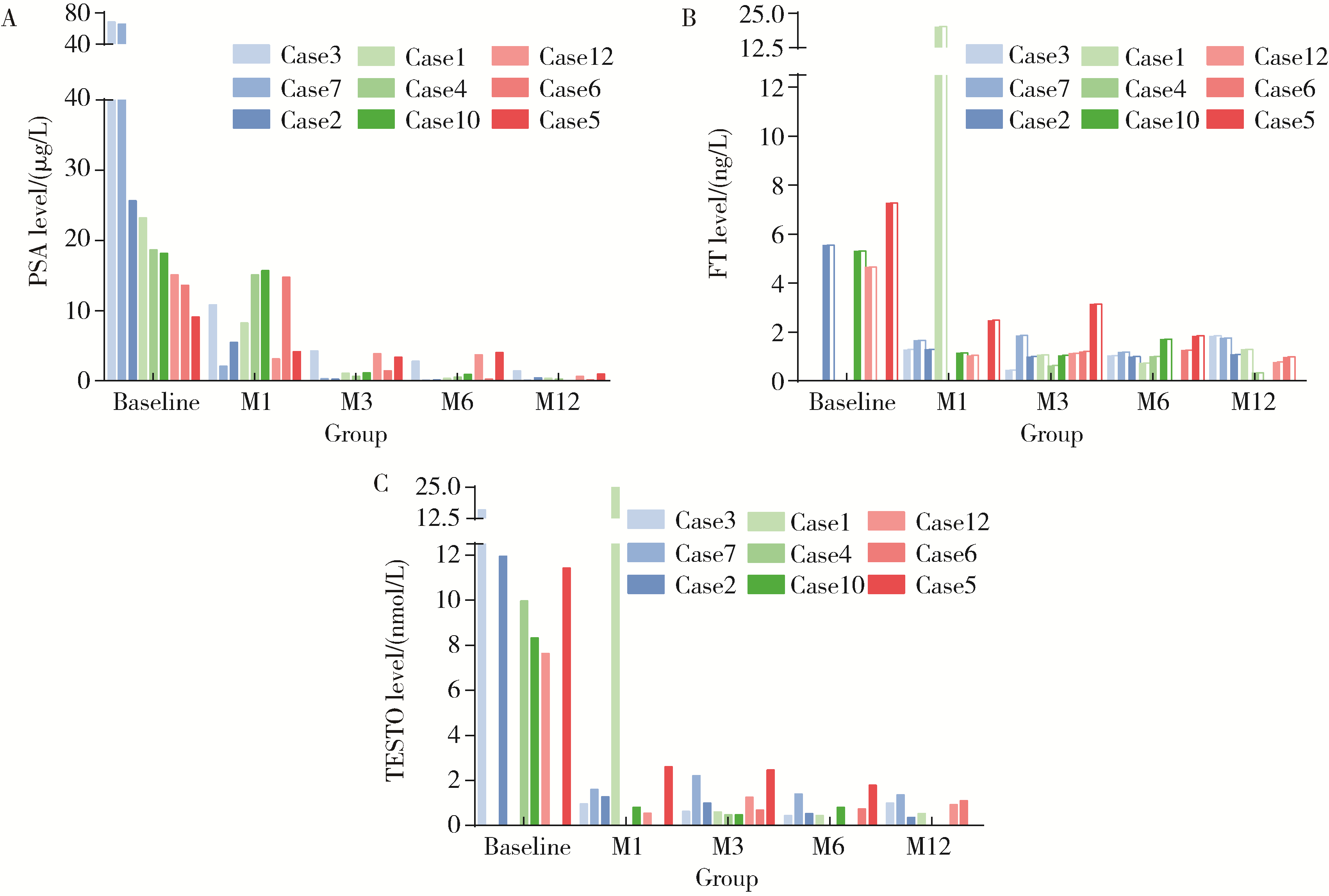
Objective: To systematically evaluate the impact of androgen deprivation therapy (ADT) on the immune microenvironment of prostate cancer at the levels of systemic immunity, animal model transcriptomics, and single-cell omics, and to elucidate the characteristics of ADT-mediated tumor immune remodeling. Methods: Twelve prostate cancer patients who received ADT at Peking University People' s Hospital were enrolled. Dynamic monitoring of serum prostate specific antigen (PSA), testosterone levels, peripheral blood immune cell proportions, and cytokine expression changes was performed. Transcriptomic data from patient-derived tumor xenograft (PDX) models before and after castration (GSE41193, 5 cases in total) were downloaded from the gene expression omnibus (GEO) database for relevant bioinformatics analyses. Single-cell RNA sequencing (scRNA-seq) was performed on 4 prostate cancer tissue samples (2 received neoadjuvant ADT, 2 untreated) to analyze tumor microenvironment cell composition and T-cell functional states. Results: ADT significantly reduced serum PSA and testosterone levels in the patients, but had no significant effect on peripheral blood immune cell proportions or most cytokines. PDX model analysis showed that differentially expressed genes after castration were enriched in neural-related and immune regulation pathways, with trending changes observed in the infiltration characteristics of various immune cells. scRNA-seq results indicated a decreased proportion of intratumoral effector CD8+ T cells after ADT treatment, with downregulated expression of cytotoxicity-related genes, such as GZMA, GZMB, GNLY, and NKG7, while regulatory T cells (Tregs) were relatively enriched. Hallmark pathway analysis revealed suppression of interferon signaling pathways. Conclusion: The preliminary results of this study suggest that ADT can induce a trend of change in the tumor immune microenvironment of prostate cancer, characterized by weakened T-cell killing function and enrichment of immunosuppressive cells. This suggests that ADT may promote the formation of an immunosuppressive tumor immune microenvironment (TIME), providing a theoretical basis for ADT combined with immune-modulating therapeutic strategies.

Key words: Prostate cancer, Androgen deprivation therapy, Tumor immune microenvironment

CLC Number: 

  • R737.25

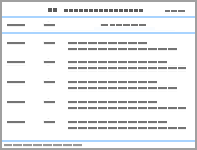
Table 1

Clinical information of the patients undergoing ADT treatment"

Case Age/years Baseline PSA/(μg/L) f/t PSA Gleason score Clinical stage
1 79 23.21 0.09 3+4 T4N0M0
2 84 25.64 0.09 4+3 T2N0M0
3 77 68.44 0.05 4+5 T3bN0M0
4 81 18.63 0.07 3+4 T1cN0M0
5 81 9.06 0.14 3+4 T2N0M0
6 77 13.61 0.23 3+3 T1cN0M0
7 64 65.84 0.07 4+3 T2N0M1b
8 80 76.27 0.2 3+4 T2N0M1b
9 64 172.70 0.08 4+3 T4N1M1b
10 83 18.17 0.24 3+3 T2N0M0
11 83 17.86 0.11 4+4 T4N0M0
12 85 15.08 0.08 4+3 T4N0M0

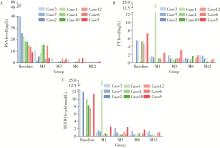
Figure 1

Trends of serum PSA and androgen changes in prostate cancer patients undergoing ADT treatment The dynamic changes of serum PSA (A), serum free testosterone (B), and serum testosterone (C) in 12 patients undergoing ADT treatment over a one-year period. PSA, prostate specific antigen; ADT, androgen deprivation therapy."

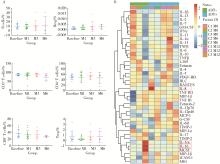
Figure 2

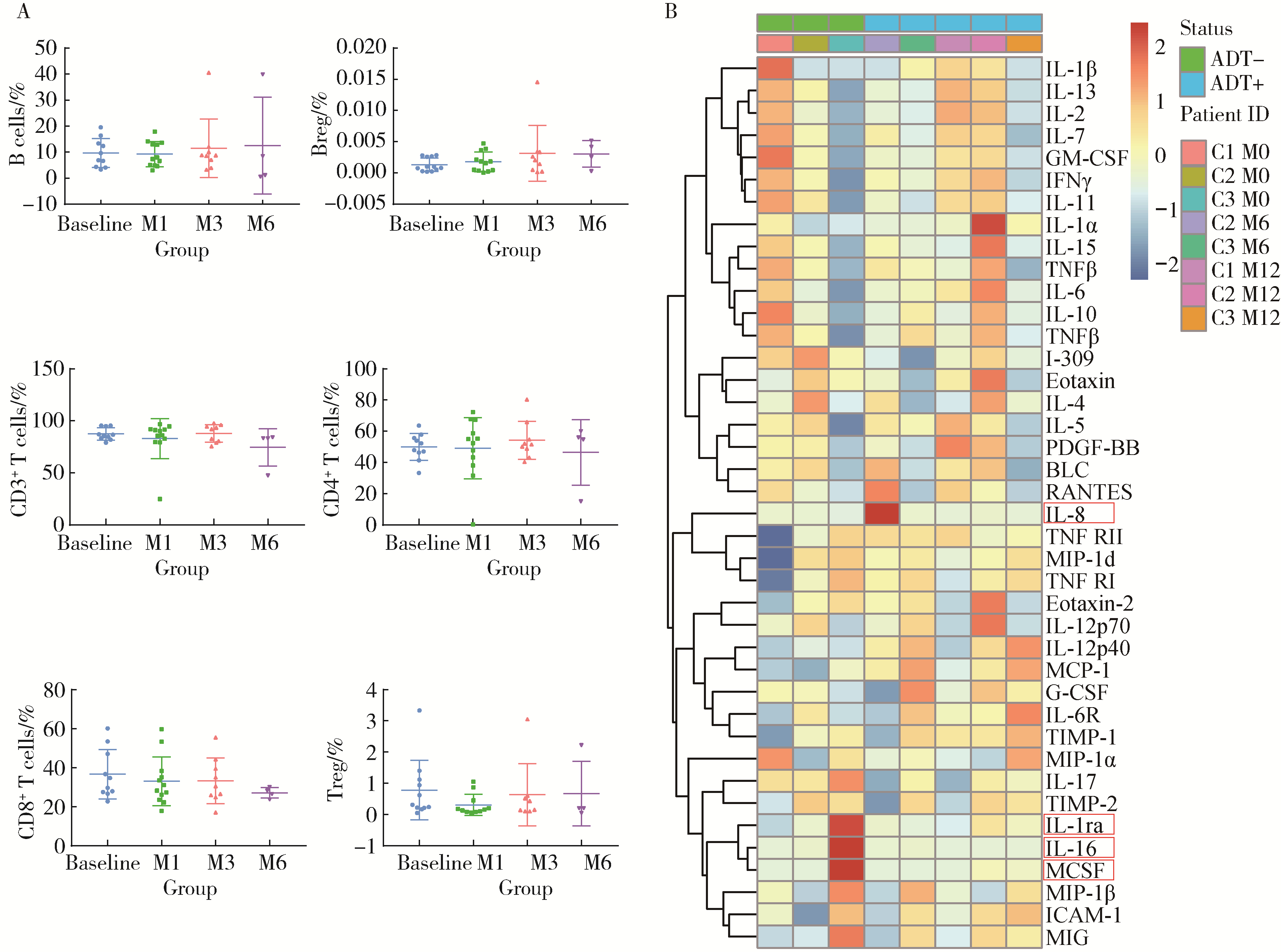
Dynamic changes of peripheral blood immune cells and immune-related factors in prostate cancer patients undergoing ADT treatment Flow cytometry was used to detect the changes in the proportion of peripheral blood immune cells in patients before and after ADT treatment (A), and antibody arrays were used to detect the changes in immune-related factors (B). IL, interleukin; GM-CSF, granulocyte-macrophage colony-stimulating factor; IFN, interferon; TNF, tumor necrosis factor; PDGF, platelet derived growth factor; BLC, B lymphocyte chemoattractant; RANTES, regulated on activation normal T cell expressed and secreted; MIP, major intrinsic protein of lens fiber; MCP, membrane cofactor protein; G-CSF, granulocyte colony-stimulating factor; TIMP, tissue inhibitor of metalloproteinases; MCSF, macrophage colony-stimulating factor, ICAM, intercellular adhesion molecule; MIG, monokine induced by interferon-γ."

Figure 3

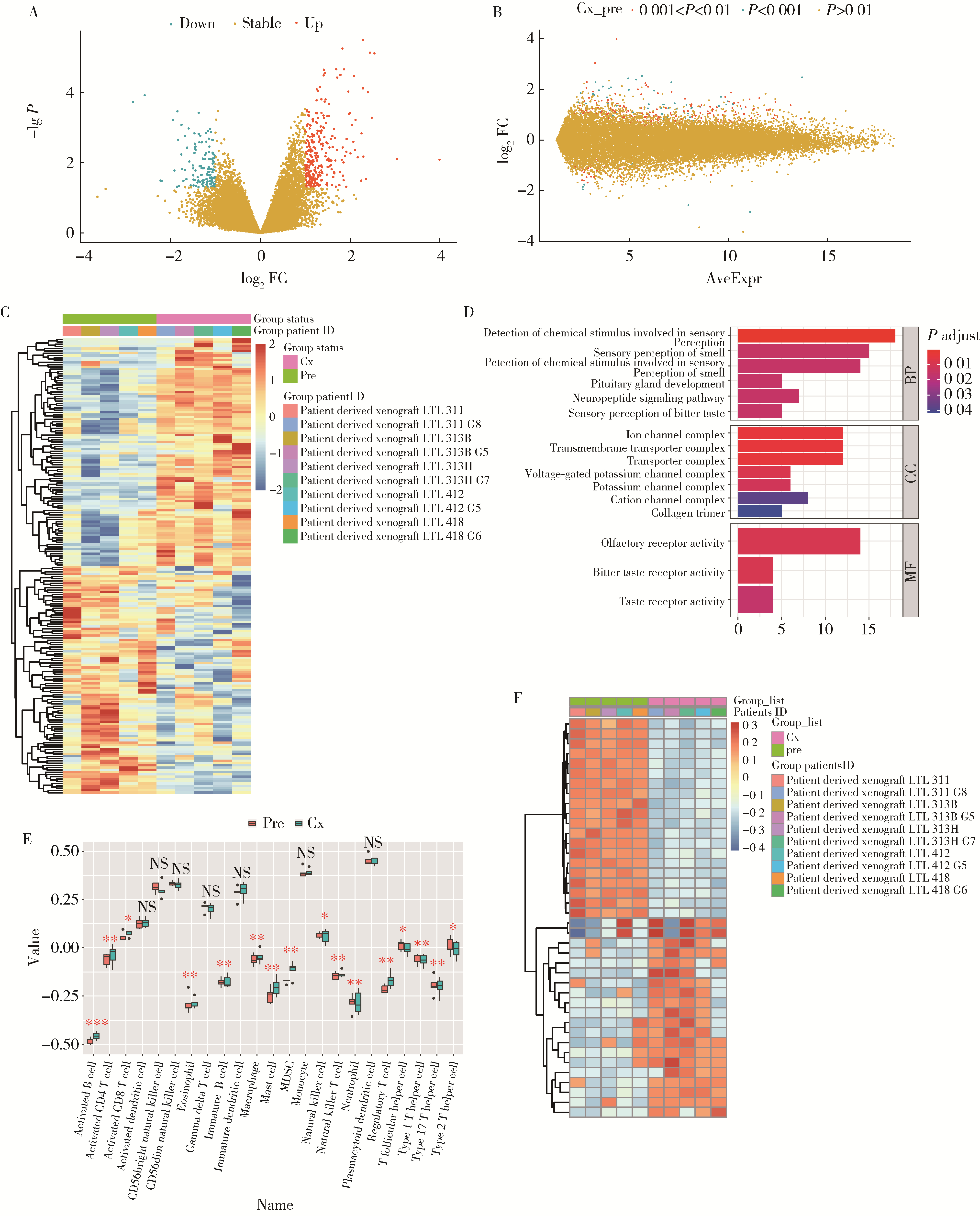
Transcriptomic analysis of the effects of castration on gene expression and tumor microenvironment in prostate cancer PDX tissues RNAseq data from five prostate cancer PDX models of GEO (GSE41193) were analyzed before and after surgical castration. Differential genes were displayed, with A being a volcano plot, B being a MA plot, C being a Top200 differential gene heatmap, and D being a GO analysis. ssGSEA was applied to analyze the expression ratios of various immune cells before and after surgical castration, and Wilcoxon rank-sum test was used for inter-group difference comparison, with *P < 0.05, * *P < 0.01, * * *P < 0.001 (E). GSVA was also applied to perform enrichment analysis on immune-related pathways, with NES >1 and FDR < 0.05 as the significant criteria for pathway enrichment (F). FC, fold change; PDX, patient-derived tumor xenograft; GEO, gene expression omnibus; MA, mean-difference; GO, gene expression omnibus; ssGSEA, single-sample gene set enrichment analysis; GSVA, gene set variation analysis; NES, normalized enrichment score; FDR, false discovery rate."

Figure 4

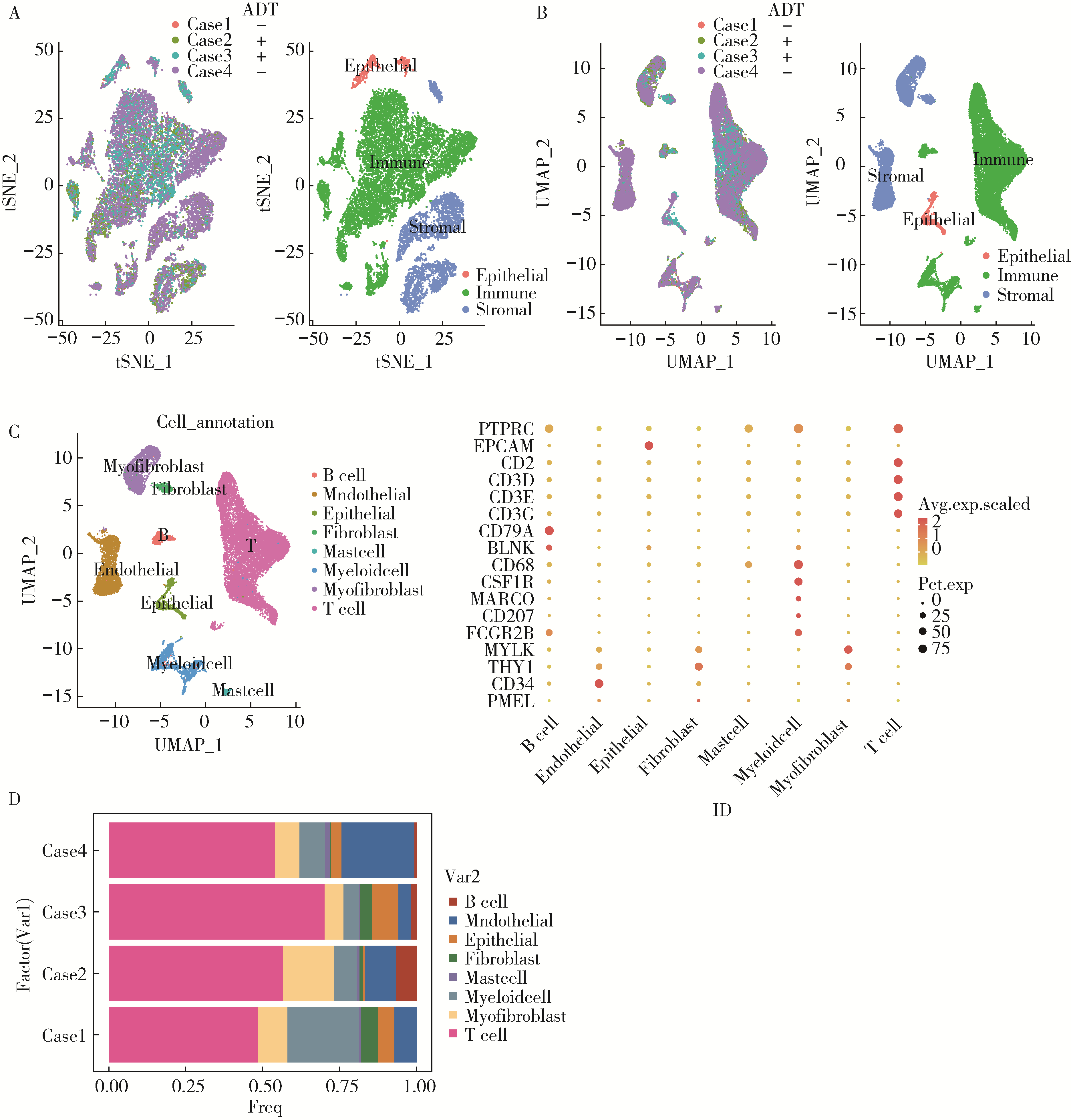
Initial cell clustering of scRNAseq data from four prostate cancer tissues (two cases received ADT treatment) Using marker genes, single cells were initially grouped into three major populations: immune cells, stromal cells, and epithelial cells, which were then visualized using tSNE (A) and UMAP (B). Subsequently, subpopulation analysis was performed on these three major populations, resulting in the identification of eight subpopulations (C). The distribution of each subpopulation in each case was statistically presented (D). tSNE, t-distributed stochastic neighbor embedding; UMAP, uniform manifold approximation and projection."

Figure 5

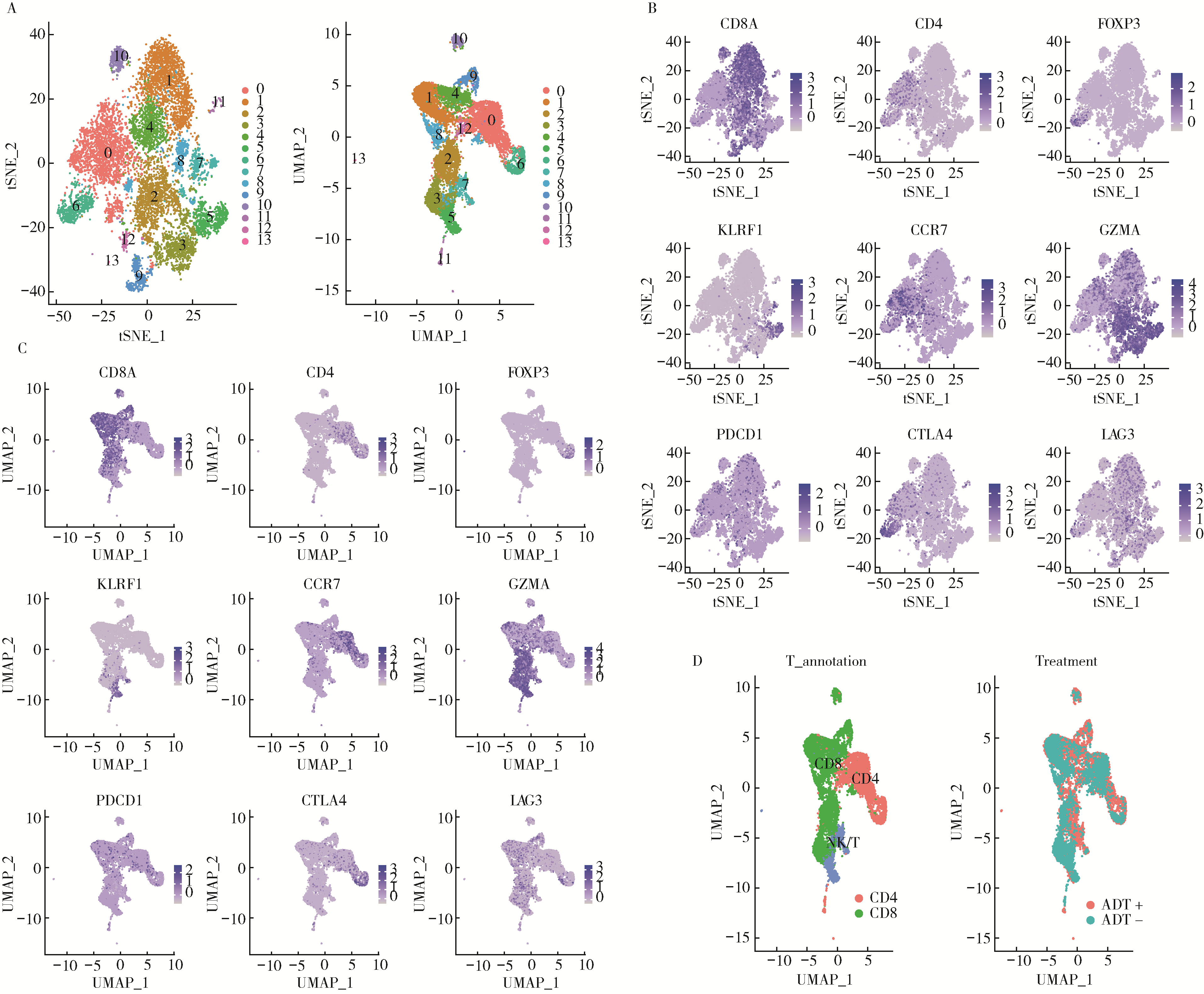
Annotation of T-cell subpopulations in prostate cancer Through clustering analysis of T cells, a total of 14 T cell subpopulations were obtained (A). T cell subpopulation markers were used to annotate the subpopulations (B, C), with a focus on the expression of CD4+T cells and CD8+T cells in different groups (D)."

Figure 6

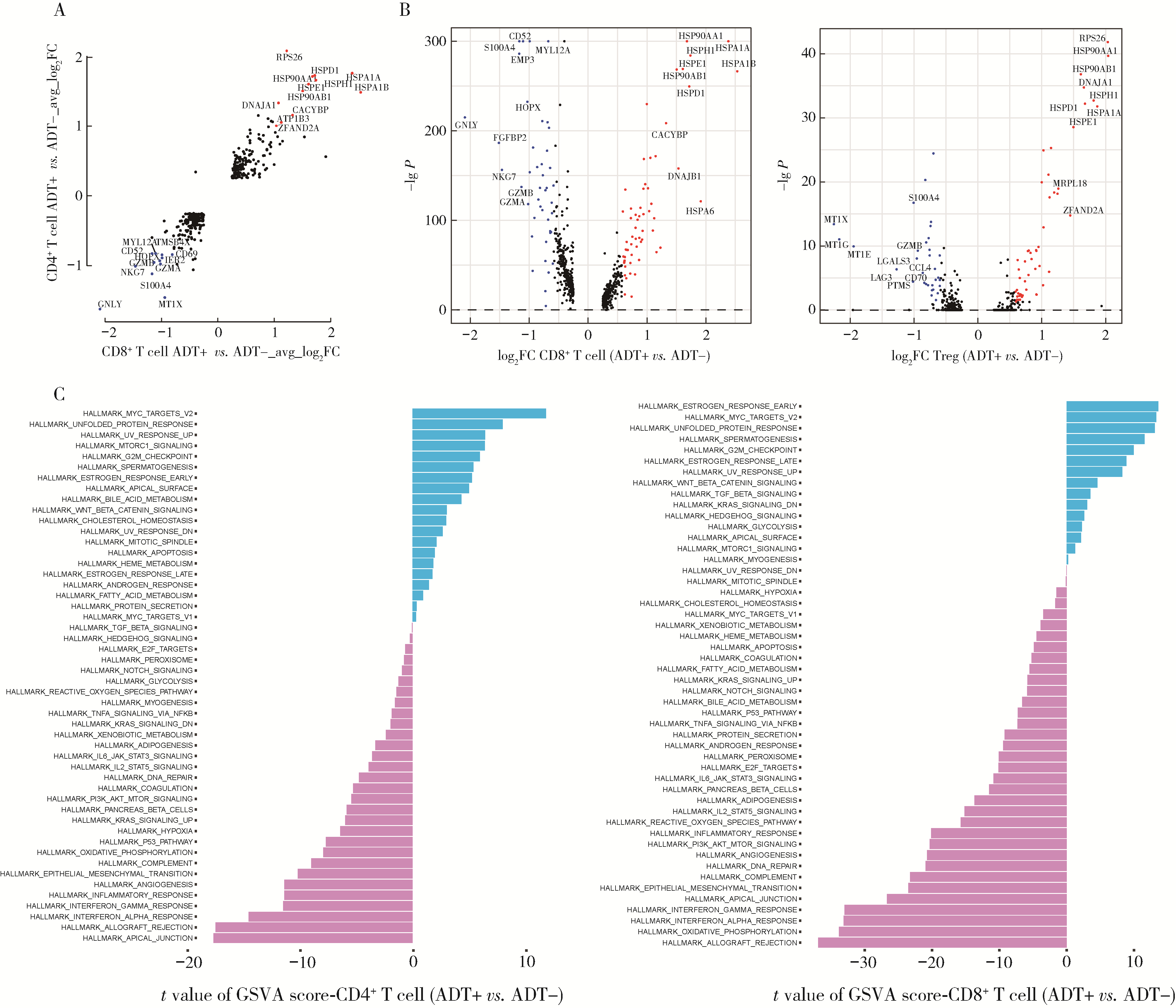
Effect of ADT treatment on T cell function After ADT treatment, the expression of genes related to T cells and cytotoxicity was downregulated (A). Specifically, the expression of NKG7, GZMB, and GZMA in CD8+T cells was significantly downregulated, and the expression of genes related to T regulatory cell function, such as CCL4, LGALS3, and LAG3, also showed a downward trend. GSVA enrichment analysis was performed on the differential genes of CD4+T cells and CD8+T cells in the Hallmark 50 gene pathways. ADT treatment led to the downregulation of the interferon pathway (C). ADT, androgen deprivation therapy; FC, fold change; GSVA, gene set variation analysis."

1
Li M , Bai G , Cen Y , et al. Silencing HOXC13 exerts anti-prostate cancer effects by inducing DNA damage and activating cGAS/STING/IRF3 pathway[J]. J Transl Med, 2023, 21(1): 884.

doi: 10.1186/s12967-023-04743-x
2
Kumar A , Reddy A , Sekar A . Enzalutamide induced non-ischemic cardiomyopathy. A case report and review of literature on anti-androgen therapy-related cardiovascular events[J]. Cardio Oncol, 2023, 9(1): 9.

doi: 10.1186/s40959-023-00160-7
3
Liu Y , Shi Y , Cao Y , et al. Development of a metabolism-associated prognostic risk model based on immune landscape stratification in prostate cancer[J]. Discov Oncol, 2025, 16(1): 1733.

doi: 10.1007/s12672-025-03269-6
4
Zhao D , Mo Z , Zhang T , et al. Lactate derived from cancer-associated fibroblasts promotes alternative splicing and castration resistance in prostate cancer[J]. Sci Adv, 2026, 12(3): eady5324.

doi: 10.1126/sciadv.ady5324
5
Liu L , Rascón IA , Lin D , et al. CXCR4-LASP1-G9a-SNAIL axis drives NEPC transdifferentiation via induction of EMT and downregulation of REST[J]. Cell Genom, 2025, 5(8): 100916.

doi: 10.1016/j.xgen.2025.100916
6
Dallos MC , Obradovic AZ , McCann P , et al. Androgen deprivation therapy drives a distinct immune phenotype in localized prostate cancer[J]. Clin Cancer Res, 2024, 30(22): 5218- 5230.

doi: 10.1158/1078-0432.CCR-24-0060
7
Cobos FA , Panah MJN , Epps J , et al. Effective methods for bulk RNA-seq deconvolution using scnRNA-seq transcriptomes[J]. Genome Biol, 2023, 24(1): 177.

doi: 10.1186/s13059-023-03016-6
8
Wang H , Huang H , Liu T , et al. Peripheral blood lymphocyte subsets predict the efficacy of TACE with or without PD-1 inhibitors in patients with hepatocellular carcinoma: A prospective clinical study[J]. Front Immunol, 2024, 15, 1325330.

doi: 10.3389/fimmu.2024.1325330
9
Venkadakrishnan VB , Presser AG , Singh R , et al. Lineage-specific canonical and non-canonical activity of EZH2 in advanced prostate cancer subtypes[J]. Nat Commun, 2024, 15, 6779.

doi: 10.1038/s41467-024-51156-5
10
Guan X , Polesso F , Wang C , et al. Androgen receptor activity in T cells limits checkpoint blockade efficacy[J]. Nature, 2022, 606(7915): 791- 796.

doi: 10.1038/s41586-022-04522-6
11
Izumi K , Mizokami A . Suppressive role of androgen/androgen receptor signaling via chemokines on prostate cancer cells[J]. J Clin Med, 2019, 8(3): 354.

doi: 10.3390/jcm8030354
12
Wen R , Huang X , Long J , et al. Advances in traditional Chinese herbal medicine and their pharmacodynamic mechanisms in cancer immunoregulation: A narrative review[J]. Transl Cancer Res, 2024, 13(2): 1166- 1187.

doi: 10.21037/tcr-23-1983
13
Lin Y , Jin H , She Y , et al. CBX2 suppresses interferon signaling to diminish tumor immunogenicity via a noncanonical corepressor complex[J]. Proc Natl Acad Sci USA, 2025, 122(5): e2417529122.

doi: 10.1073/pnas.2417529122
14
Klawon DEJ , Pagane N , Walker MT , et al. Regulatory T cells constrain T cells of shared specificity to enforce tolerance during infection[J]. Science, 2025, 387(6740): eadk3248.

doi: 10.1126/science.adk3248
[1] Dandan SU, Baishun LI, Ruotao XIAO, Fan ZHANG, Shudong ZHANG. Comparison of clinical outcomes between radical prostatectomy and permanent prostate brachytherapy in patients with oligometastatic prostate cancer: A propensity score-matched study [J]. Journal of Peking University (Health Sciences), 2026, 58(4): 787-793.
[2] Mingjian RUAN, Yudong CAO, Jinchao MA, Chen LIN, Shuo WANG, Peng DU. Feasibility and clinical value of a prostate cancer screening model based on biparametric magnetic resonance imaging combined with prostate-specific antigen in a Chinese population [J]. Journal of Peking University (Health Sciences), 2026, 58(4): 779-786.
[3] Jie LIU, Mingwei MA, Qing'an WANG, Ming SHI, Jinpeng YIN, Zhanping WANG, Jingtao SHEN, Xianshu GAO. Comparison of setup errors between two immobilization methods in prostate cancer radiotherapy based on cone-beam computed tomography [J]. Journal of Peking University (Health Sciences), 2025, 57(4): 692-697.
[4] Ye YAN,Xiaolong LI,Haizhui XIA,Xuehua ZHU,Yuting ZHANG,Fan ZHANG,Ke LIU,Cheng LIU,Lulin MA. Analysis of risk factors for long-term overactive bladder after radical prostatectomy [J]. Journal of Peking University (Health Sciences), 2024, 56(4): 589-593.
[5] Sheng-jie LIU,Hui-min HOU,Zheng-tong LV,Xin DING,Lu WANG,Lei ZHANG,Ming LIU. Bipolar androgen therapy followed by immune checkpoint inhibitors in metastatic castration resistant prostate cancer: A report of 4 cases [J]. Journal of Peking University (Health Sciences), 2022, 54(4): 766-769.
[6] BAI Gao-chen,SONG Yi,JIN Jie,YU Wei,HE Zhi-song. Clinical efficacy of docetaxel combined with carboplatin in patients with metastatic castration-resistant prostate cancer [J]. Journal of Peking University (Health Sciences), 2021, 53(4): 686-691.
[7] Kui-xia SUN,Cun-ling YAN,Zhi-yan LI,Ping LIU,Wei ZHANG,Qun HE. Clinical value of serum isoform [-2] proprostate-specific antigen and its derivatives in predicting aggressive prostate cancer [J]. Journal of Peking University (Health Sciences), 2020, 52(2): 234-239.
[8] Wen-qing LI,Si-mei REN,Xing-bo LONG,Yu-qing TIAN. Palmitoylome profiling indicates that androgens promote the palmitoylation of metabolism-related proteins in prostate cancer-derived LNCaP cells [J]. Journal of Peking University (Health Sciences), 2020, 52(2): 227-233.
[9] Kuan-gen ZHANG,Yu-he ZHOU,Ya-kun SHAO,Fang MEI,Jiang-feng YOU,Bei-ying LIU,Fei PEI. Novel tumor metastasis suppressorgene LASS2/TMSG1 S248A mutant promotes invasion of prostate cancer cells through increasing ATP6V0C expression [J]. Journal of Peking University(Health Sciences), 2019, 51(2): 210-220.
[10] TANG Xu, ZHAO Wei-hong, SONG Qin-qin, YIN Hua-qi, DU Yi-qing, SHENG Zheng-zuo, WANG Qiang, ZHANG Xiao-wei, LI Qing, LIU Shi-jun, XU Tao. Influence of SOX10 on the proliferation and invasion of prostate cancer cells [J]. Journal of Peking University(Health Sciences), 2018, 50(4): 602-606.
[11] ZOU Peng-cheng, YANG Yi-feng, XU Xiao-yan LIU Bei-ying, MEI Fang, YOU Jiang-feng, LIU Qi-chen, PEI Fei . Silencing of vacuolar ATPase c subunit ATP6V0C inhibits invasion of prostate cancer cells [J]. Journal of Peking University(Health Sciences), 2017, 49(6): 937-947.
[12] JI Guang-jie, HUANG Cong, SONG Gang, LI Xue-song, SONG Yi, ZHOU Li-qun. Predictive factor analysis of time to progression of castration-resistant prostate cancer after androgen deprivation therapy [J]. Journal of Peking University(Health Sciences), 2017, 49(4): 657-662.
Viewed
Full text


Abstract

Cited

  Shared   
  Discussed   
No Suggested Reading articles found!