Journal of Peking University (Health Sciences) ›› 2025, Vol. 57 ›› Issue (3): 569-577. doi: 10.19723/j.issn.1671-167X.2025.03.022

Previous Articles     Next Articles

Ferroptosis-related long non-coding RNA to predict the clinical outcome of non-small cell lung cancer after radiotherapy

Qiushi XU1, Tong LIU2, Junjie WANG3,*()   

  1. 1. Institute of Medical Technology, Peking University Health Science Center, Beijing 100191, China
    2. Center of Basic Medical Research, Institute of Medical Innovation and Research, Peking University Third Hospital, Beijing 100191, China
    3. Department of Radiation Oncology, Peking University Third Hospital, Beijing 100191, China
  • Received:2022-05-28 Online:2025-06-18 Published:2025-06-13
  • Contact: Junjie WANG
  • Supported by:
    the Beijing Natural Science Foundation(7202228); National Natural Science Foundation of China(82073335); National Natural Science Foundation of China(82073057); Clinical Medicine plus X Project of Peking University(PKU2020LCXQ024)

RICH HTML


Abstract:

Objective: To construct a long non-coding RNA (lncRNA) model based on ferroptosis and predict the prognosis of non-small cell lung cancer (NSCLC) patients after radiotherapy, to develop a comprehensive framework that integrates genomic data with clinical outcomes, and to identify lncRNA associated with ferroptosis and evaluate their predictive power for patient survival and progression-free survival following radiotherapy. Methods: This study commenced by acquiring standardized transcriptome data from primary tumors and normal tissues, along with corresponding clinical information, from the cancer genome atlas (TCGA) database. This dataset provided a robust foundation for identifying differentially expressed genes (DEGs) related to ferroptosis. These analyses helped pinpoint specific pathways and biological processes involved in ferroptosis, such as glutathione metabolism, lipid signaling, oxidative stress, and reactive oxygen species (ROS) metabolism. Subsequently, univariate and multivariate Cox regression analyses were conducted to construct a predictive model based on lncRNA associated with ferroptosis. The goal was to differentiate between the high-risk and low-risk groups of NSCLC patients who had undergone radiotherapy. By incorporating these lncRNA into the model, we aimed to provide a more accurate prediction of patient outcomes. The performance of the model was validated by comparing the survival rates and progression-free survival between the high-risk and low-risk groups. Additionally, differences in gene expression patterns and pathway activities between these two groups were examined to further validate the model's effectiveness. Results: Our analysis revealed that the differentially expressed genes related to ferroptosis were significantly enriched in several key pathways, including ferroptosis itself, glutathione metabolism, lipid signaling, and processes involving oxidative stress and ROS metabolism. Based on these findings, we constructed a prognostic model using 14 lncRNA that showed strong associations with ferroptosis. Further data analysis demonstrated that these lncRNA could independently predict the prognosis of NSCLC patients after radiotherapy. Specifically, age, stage, and gender were used as clinical pathological variables, and the results indicated that the high-risk group of NSCLC patients had a poorer prognosis following radiotherapy. This finding underscores the potential of the model to serve as a valuable tool for predicting prognosis for NSCLC patients undergoing radiotherapy. Conclusion: The risk model developed in this study can independently predict the prognosis of NSCLC patients after radiotherapy. This model provides a solid basis for understanding the role of ferroptosis-related lncRNA in the prognosis of NSCLC patients following radiotherapy. Furthermore, it offers clinical guidance for combining radiotherapy with ferroptosis-targeted treatments, potentially improving therapeutic outcomes for NSCLC patients. The integration of genomic and clinical data in this study highlights the importance of personalized medicine approaches in oncology, paving the way for more precise and effective treatment strategies.

Key words: Ferroptosis, Long non-coding RNA, Radiotherapy, Non-small cell lung cancer

CLC Number: 

  • R34

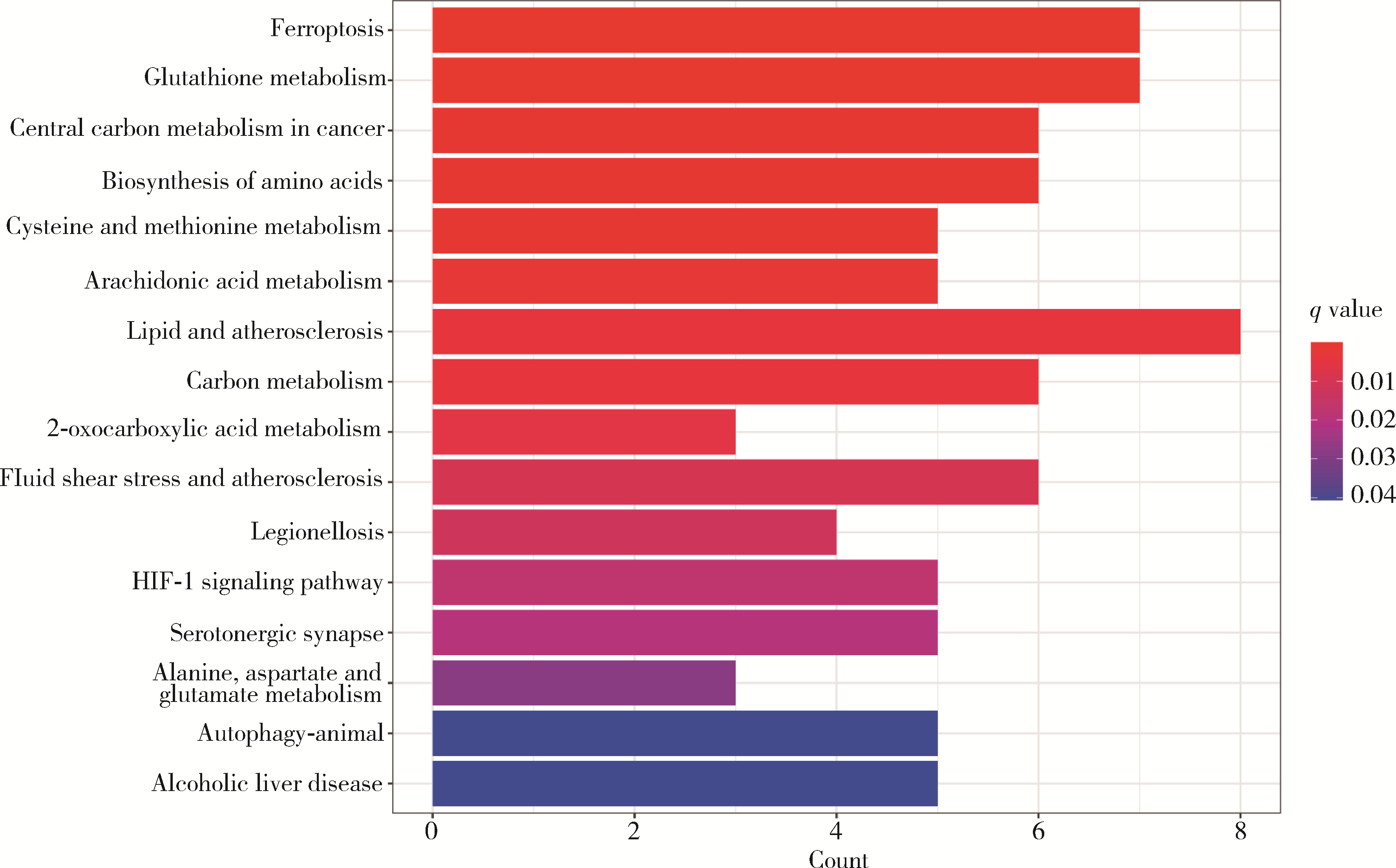
Figure 1

Enrichment analysis of pathways for ferroptosis-related differential genes in the KEGG database HIF-1, hypoxia-inducible factor-1; KEGG, Kyoto encyclopedia of genes and genomes."

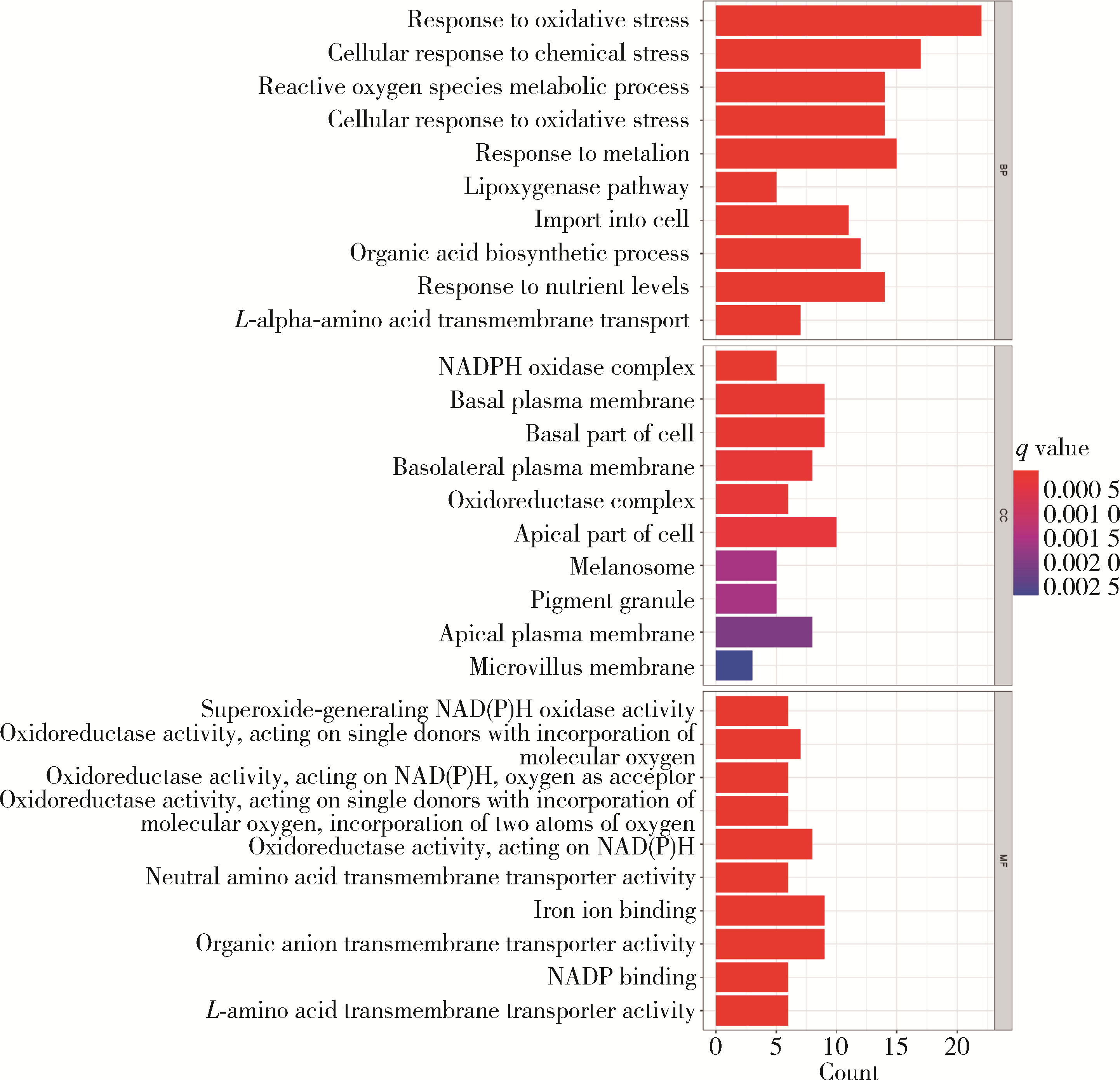
Figure 2

Enrichment analysis of metabolic pathways for ferroptosis-related differential genes in the GO database BP, biological process; CC, cellular component; MF, molecular function; NAD(P)H, nicotinamide adenine dinucleotide phosphate-reduced; NADP, nicotinamide adenine dinucleotide phosphate; GO, gene ontology."

Figure 3

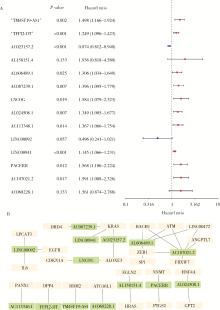
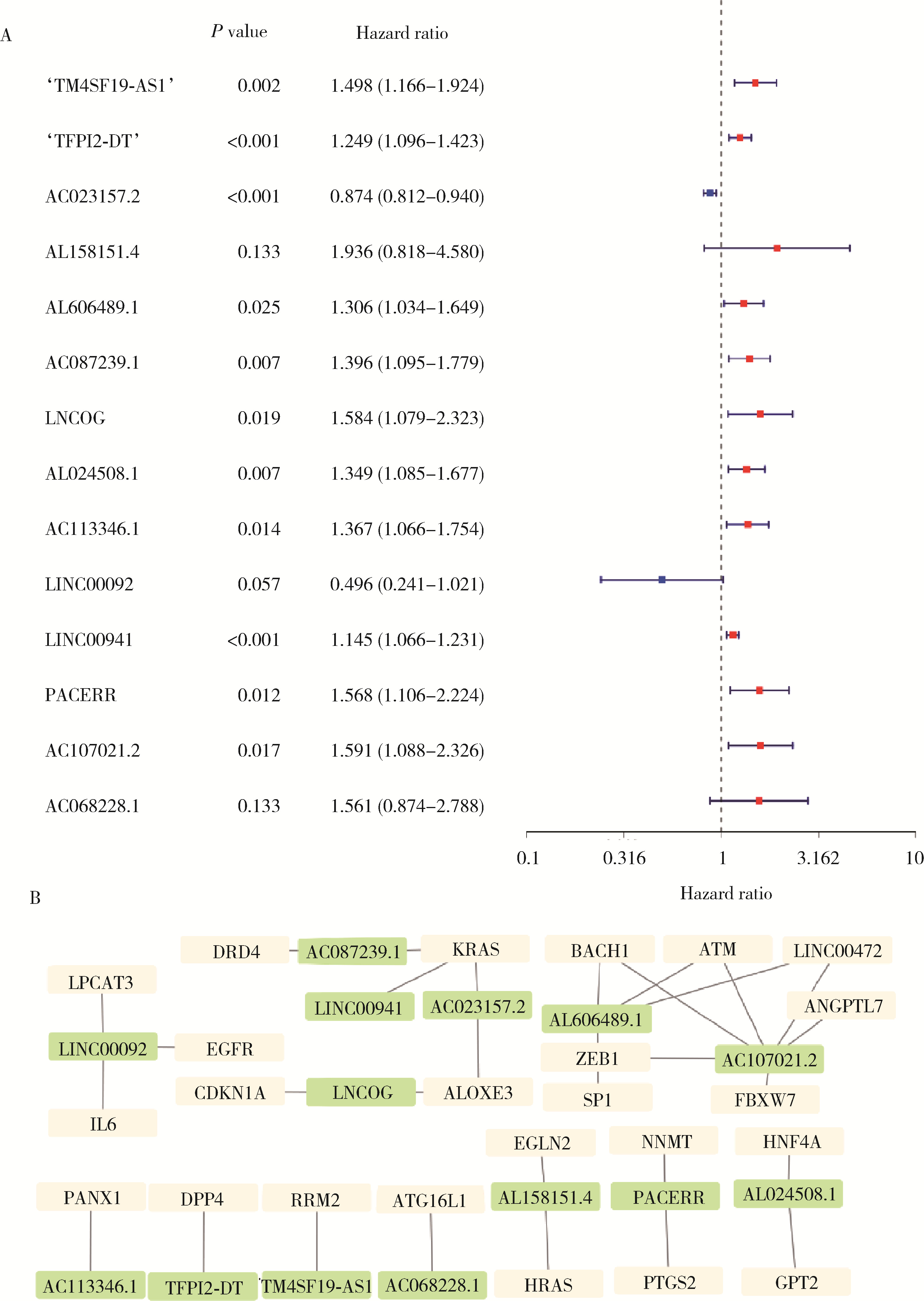
Expression levels of 14 lncRNA related to ferroptosis and the lncRNA-mRNA co-expression network The green color indicates 14 predicted lncRNA;The yellow color indicates genes related to ferroptosis. lncRNA, long non-coding RNA."

Figure 4

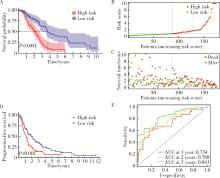
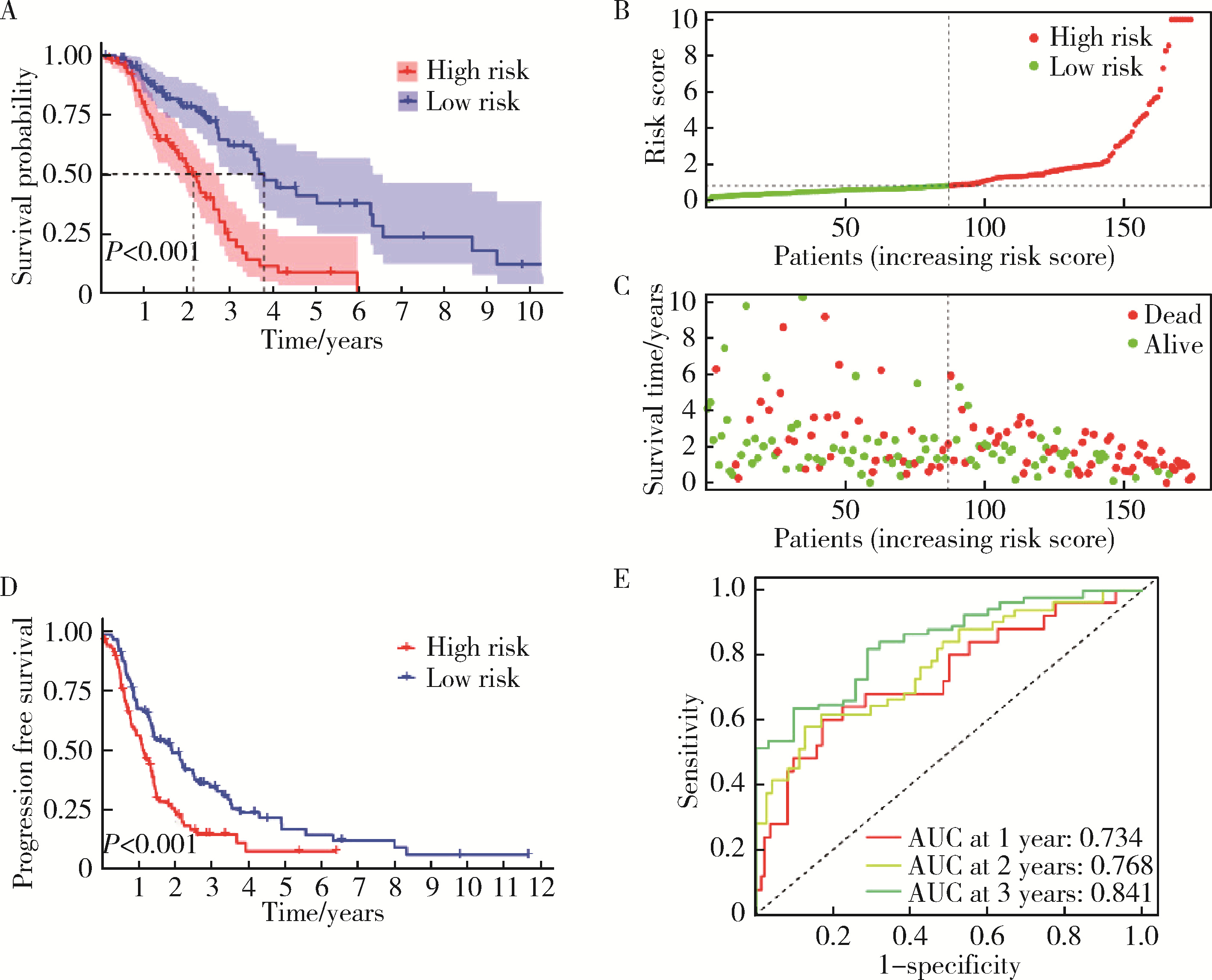
Correlation between the predictive model and the prognosis of patients with non-small cell lung cancer A, the overall survival time for the high-risk and low-risk groups; B, the horizontal axis represented patients arranged in increasing order of risk score, and the vertical axis represented the specific risk score values; C, the relationship between risk score and survival time; D, progression free survival in the high risk and low risk groups; E, the ROC curves for 1 year, 2 year, and 3 year survival. ROC, receiver operating characteristic curve; AUC, area under curve."

Figure 5

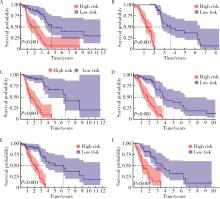
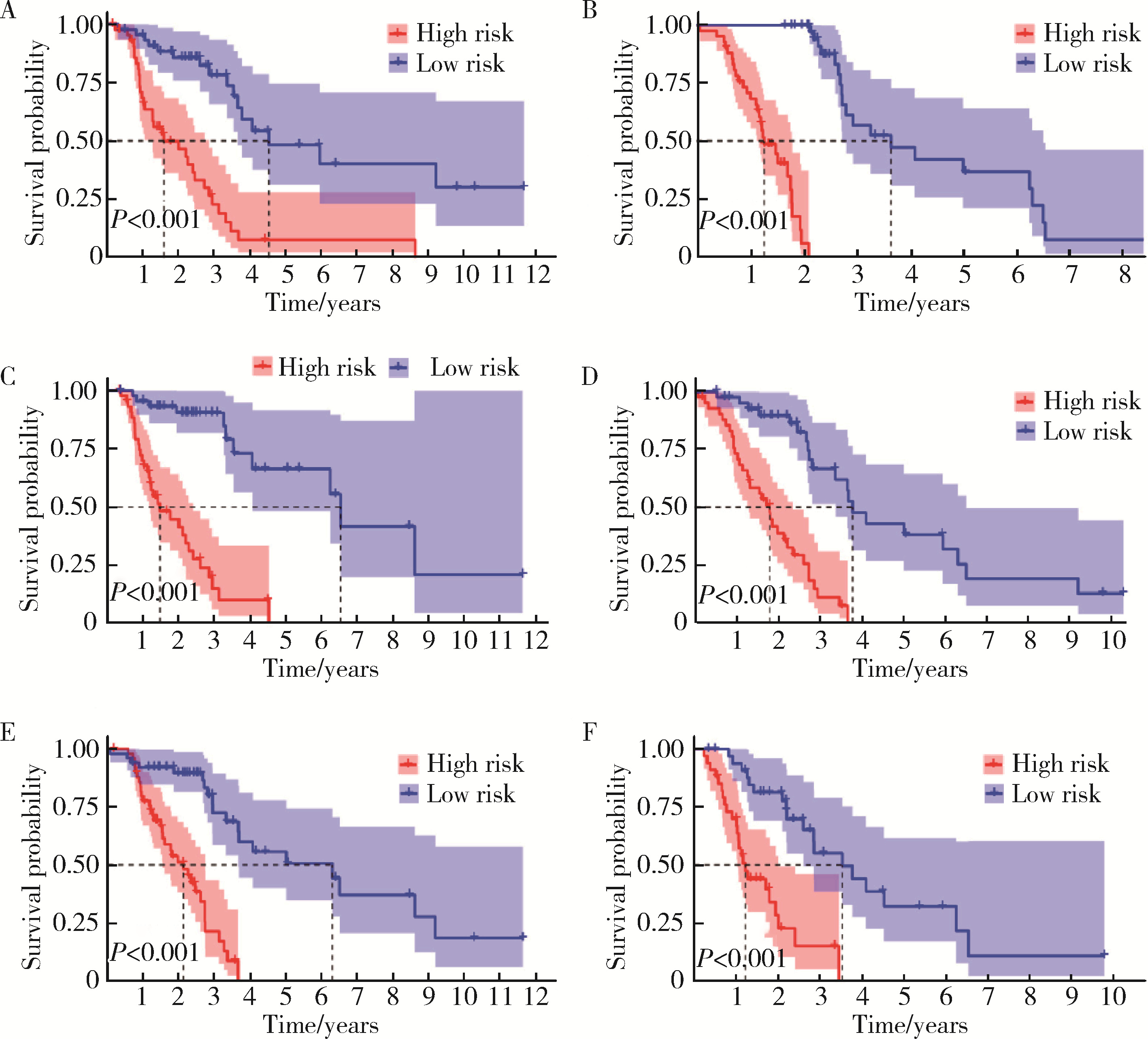
Prognostic impact of clinical variables on overall survival A, age≤65 years; B, age>65 years; C, male; D, female; E, stage Ⅰ-Ⅱ;F,stage Ⅲ-Ⅳ."

Table 1

Clinical characteristics of patients in the training dataset and validation dataset"

Items Total number of datasets (n=175) Training dataset (n=88) Validation dataset (n=87)
Age/years, n (%)
    ≤65 90 (51.43) 45 (51.14) 45 (51.72)
    >65 85 (48.57) 43 (48.86) 42 (48.28)
Gender, n (%)
    Male 84 (48.00) 43 (48.86) 41 (47.13)
    Female 91 (52.00) 45 (51.14) 46 (52.87)
Stage, n (%)
    Ⅰ+Ⅱ 103 (58.86) 49 (55.68) 54 (62.07)
    Ⅲ+Ⅳ 69 (39.43) 37 (42.05) 22 (25.29)
    Unknown 3 (1.71) 2 (2.27) 1 (1.15)
T, n (%)
    T1+T2 133 (76.00) 69 (78.41) 64 (73.56)
    T3+T4 40 (22.86) 18 (20.45) 22 (25.29)
    TX+unknown 2 (1.14) 1 (1.14) 1 (1.15)
M, n (%)
    M0 122 (69.71) 61 (69.32) 61 (70.11)
    M1 10 (5.71) 3 (3.41) 7 (8.05)
    MX+unknown 42 (24.00) 24 (27.27) 19 (21.84)
N, n (%)
    N0 82 (46.86) 40 (45.45) 42 (48.28)
    N1+N2 86 (49.14) 44 (5.00) 42 (48.28)
    N3 3 (1.71) 2 (2.27) 1 (1.15)
    NX+unknown 4 (2.29) 2 (2.27) 2 (2.30)

Figure 6

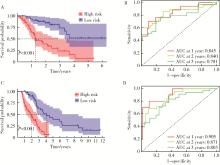
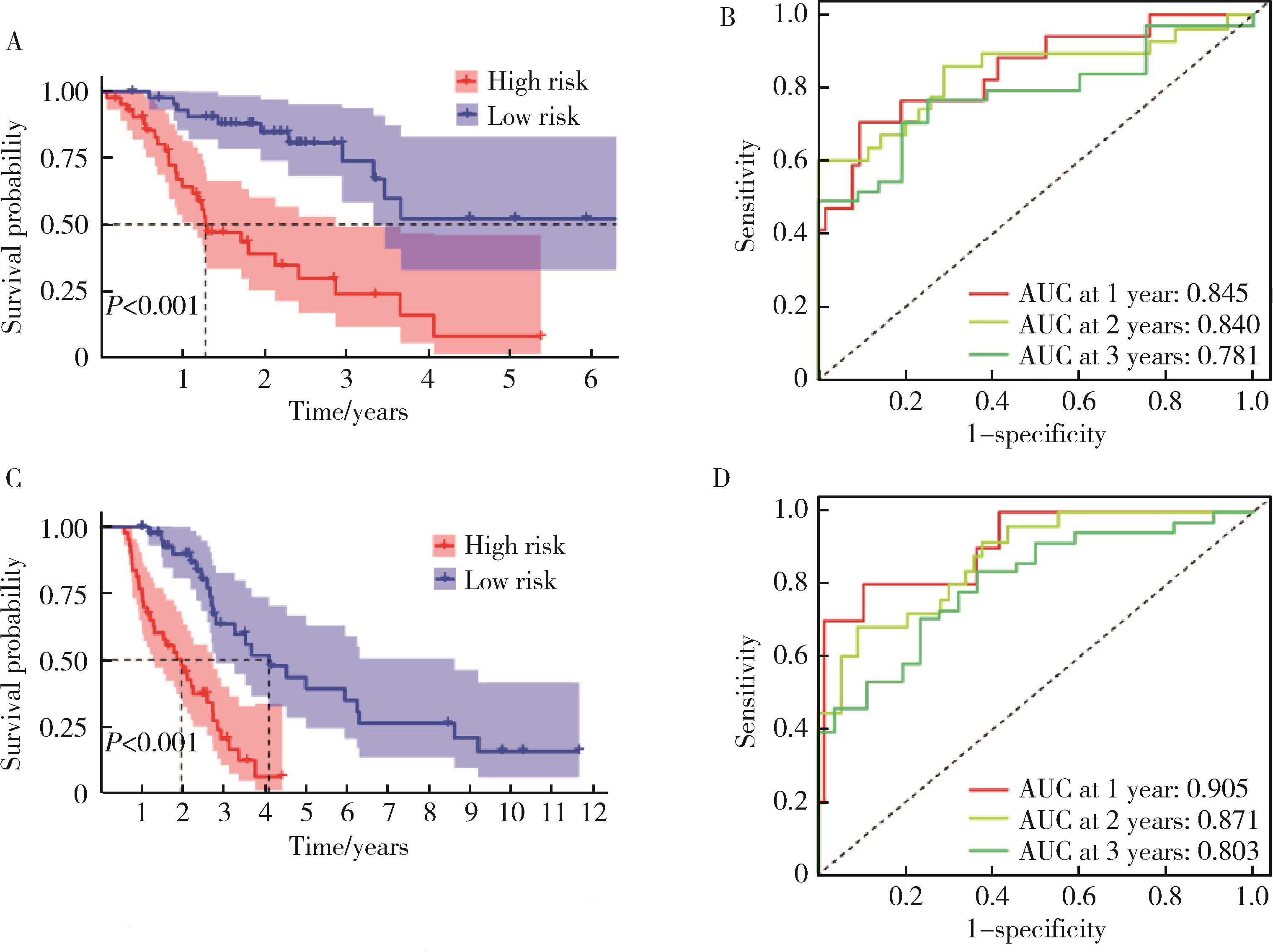
Validation results of the training dataset and validation dataset A, B, training dataset; C, D, validation dataset. AUC, area under curve."

1
Siegel RL , Miller KD , Jemal A . Cancer statistics[J]. CA Cancer J Clin, 2020, 70 (1): 7- 30.

doi: 10.3322/caac.21590
2
Nooreldeen R , Bach H . Current and future development in lung cancer diagnosis[J]. Int J Mol Sci, 2021, 22 (16): 8661.

doi: 10.3390/ijms22168661
3
Wu F , Wang L , Zhou C . Lung cancer in China: Current and prospect[J]. Curr Opin Oncol, 2021, 33 (1): 40- 46.

doi: 10.1097/CCO.0000000000000703
4
Vinod SK , Hau E . Radiotherapy treatment for lung cancer: Current status and future directions[J]. Respirology, 2020, 25 (Suppl 2): 61- 71.
5
Citrin DE . Recent developments in radiotherapy[J]. N Engl J Med, 2017, 377 (11): 1065- 1075.

doi: 10.1056/NEJMra1608986
6
Baidoo KE , Yong K , Brechbiel MW . Molecular pathways: Targeted α-particle radiation therapy[J]. Clin Cancer Res, 2013, 19 (3): 530- 537.

doi: 10.1158/1078-0432.CCR-12-0298
7
Azzam EI , Jay-Gerin JP , Pain D . Ionizing radiation-induced metabolic oxidative stress and prolonged cell injury[J]. Cancer Lett, 2012, 327 (1/2): 48- 60.
8
Dixon SJ , Lemberg KM , Lamprecht MR , et al. Ferroptosis: An iron-dependent form of nonapoptotic cell death[J]. Cell, 2012, 149 (5): 1060- 1072.

doi: 10.1016/j.cell.2012.03.042
9
Tang D , Kang R , Berghe TV , et al. The molecular machinery of regulated cell death[J]. Cell Res, 2019, 29 (5): 347- 364.

doi: 10.1038/s41422-019-0164-5
10
Kuang F , Liu J , Tang D , et al. Oxidative damage and antioxidant defense in ferroptosis[J]. Front Cell Dev Biol, 2020, 8, 586578.

doi: 10.3389/fcell.2020.586578
11
Yang WS , Stockwell BR . Ferroptosis: Death by lipid peroxidation[J]. Trends Cell Biol, 2016, 26 (3): 165- 176.

doi: 10.1016/j.tcb.2015.10.014
12
Lang X , Green MD , Wang W , et al. Radiotherapy and immunotherapy promote tumoral lipid oxidation and ferroptosis via synergistic repression of SLC7A11[J]. Cancer Discov, 2019, 9 (12): 1673- 1685.

doi: 10.1158/2159-8290.CD-19-0338
13
Lei G , Zhang Y , Koppula P , et al. The role of ferroptosis in ionizing radiation-induced cell death and tumor suppression[J]. Cell Res, 2020, 30 (2): 146- 162.

doi: 10.1038/s41422-019-0263-3
14
Spizzo R , Almeida MI , Colombatti A , et al. Long non-coding RNAs and cancer: A new frontier of translational research?[J]. Oncogene, 2012, 31 (43): 4577- 4587.

doi: 10.1038/onc.2011.621
15
Li CH , Chen Y . Targeting long non-coding RNAs in cancers: Progress and prospects[J]. Int J Biochem Cell Biol, 2013, 45 (8): 1895- 1910.

doi: 10.1016/j.biocel.2013.05.030
16
Zhou M , Guo M , He D , et al. A potential signature of eight long non-coding RNAs predicts survival in patients with non-small cell lung cancer[J]. J Transl Med, 2015, 13, 231.

doi: 10.1186/s12967-015-0556-3
17
Han L , Zhang EB , Yin DD , et al. Low expression of long nonco-ding RNA PANDAR predicts a poor prognosis of non-small cell lung cancer and affects cell apoptosis by regulating Bcl-2[J]. Cell Death Dis, 2015, 6 (2): e1665.

doi: 10.1038/cddis.2015.30
18
Nie FQ , Sun M , Yang JS , et al. Long noncoding RNA ANRIL promotes non-small cell lung cancer cell proliferation and inhibits apoptosis by silencing KLF2 and P21 expression[J]. Mol Cancer Ther, 2015, 14 (1): 268- 277.

doi: 10.1158/1535-7163.MCT-14-0492
19
Yang X , Song JH , Cheng Y , et al. Long non-coding RNA HNF1A-AS1 regulates proliferation and migration in oesophageal adenocarcinoma cells[J]. Gut, 2014, 63 (6): 881- 890.

doi: 10.1136/gutjnl-2013-305266
20
Yang YR , Zang SZ , Zhong CL , et al. Increased expression of the lncRNA PVT1 promotes tumorigenesis in non-small cell lung can-cer[J]. Int J Clin Exp Pathol, 2014, 7 (10): 6929- 6935.
21
Chen Q , Ma X , Xie L , et al. Iron-based nanoparticles for MR imaging-guided ferroptosis in combination with photodynamic therapy to enhance cancer treatment[J]. Nanoscale, 2021, 13 (9): 4855- 4870.

doi: 10.1039/D0NR08757B
22
Ghoochani A , Hsu EC , Aslan M , et al. Ferroptosis inducers are a novel therapeutic approach for advanced prostate cancer[J]. Cancer Res, 2021, 81 (6): 1583- 1594.

doi: 10.1158/0008-5472.CAN-20-3477
23
Li H , Li L , Xue C , et al. A novel ferroptosis-related gene signature predicts overall survival of breast cancer patients[J]. Biology (Basel), 2021, 10 (2): 151.
24
Zheng J , Zhou Z , Qiu Y , et al. A prognostic ferroptosis-related lncRNA signature associated with immune landscape and radio-therapy response in glioma[J]. Front Cell Dev Biol, 2021, 9, 675555.

doi: 10.3389/fcell.2021.675555
25
Ye LF , Chaudhary KR , Zandkarimi F , et al. Radiation-induced lipid peroxidation triggers ferroptosis and synergizes with ferroptosis inducers[J]. ACS Chem Biol, 2020, 15 (2): 469- 484.

doi: 10.1021/acschembio.9b00939
26
Weber DG , Johnen G , Casjens S , et al. Evaluation of long noncoding RNA MALAT1 as a candidate blood-based biomarker for the diagnosis of non-small cell lung cancer[J]. BMC Res Notes, 2013, 6, 518.

doi: 10.1186/1756-0500-6-518
27
Tantai J , Hu D , Yang Y , et al. Combined identification of long non-coding RNA XIST and HIF1A-AS1 in serum as an effective screening for non-small cell lung cancer[J]. Int J Clin Exp Pathol, 2015, 8 (7): 7887- 7895.
28
Tong YS , Wang XW , Zhou XL , et al. Identification of the long non-coding RNA POU3F3 in plasma as a novel biomarker for diagnosis of esophageal squamous cell carcinoma[J]. Mol Cancer, 2015, 14, 3.
29
Chen M , Wu D , Tu S , et al. A novel biosensor for the ultrasensitive detection of the lncRNA biomarker MALAT1 in non-small cell lung cancer[J]. Sci Rep, 2021, 11 (1): 3666.

doi: 10.1038/s41598-021-83244-7
30
Gupta RA , Shah N , Wang KC , et al. Long non-coding RNA HOTAIR reprograms chromatin state to promote cancer metastasis[J]. Nature, 2010, 464 (7291): 1071- 1076.

doi: 10.1038/nature08975
31
Matouk IJ , DeGroot N , Mezan S , et al. The H19 non-coding RNA is essential for human tumor growth[J]. PLoS One, 2007, 2 (9): e845.

doi: 10.1371/journal.pone.0000845
32
Colombo T , Farina L , Macino G , et al. PVT1:A rising star among oncogenic long noncoding RNAs[J]. Biomed Res Int, 2015, 2015, 304208.
33
Zhu SY , Zou HC , Gao MM , et al. LncRNA GIHCG promoted the proliferation and migration of renal cell carcinoma through regulating miR-499a-5p/XIAP axis[J]. Transl Oncol, 2022, 20, 101356.

doi: 10.1016/j.tranon.2022.101356
34
Yap KL , Li S , Muñoz-Cabello AM , et al. Molecular interplay of the noncoding RNA ANRIL and methylated histone H3 lysine 27 by polycomb CBX7 in transcriptional silencing of INK4a[J]. Mol Cell, 2010, 38 (5): 662- 674.

doi: 10.1016/j.molcel.2010.03.021
35
Hua Q , Jin M , Mi B , et al. LINC01123, a c-Myc-activated long non-coding RNA, promotes proliferation and aerobic glycolysis of non-small cell lung cancer through miR-199a-5p/c-Myc axis[J]. J Hematol Oncol, 2019, 12 (1): 91.

doi: 10.1186/s13045-019-0773-y
36
Sun J , Zhang Z , Bao S , et al. Identification of tumor immune infiltration-associated lncRNA for improving prognosis and immunotherapy response of patients with non-small cell lung cancer[J]. J Immunother Cancer, 2020, 8 (1): e000110.

doi: 10.1136/jitc-2019-000110
37
Wang M , Mao C , Ouyang L , et al. Long noncoding RNA LINC00336 inhibits ferroptosis in lung cancer by functioning as a competing endogenous RNA[J]. Cell Death Differ, 2019, 26 (11): 2329- 2343.

doi: 10.1038/s41418-019-0304-y
38
Yao J , Chen X , Liu X , et al. Characterization of a ferroptosis and iron-metabolism related lncRNA signature in lung adenocarcinoma[J]. Cancer Cell Int, 2021, 21 (1): 340.

doi: 10.1186/s12935-021-02027-2
[1] Wanwei HUANG, Xianshen SHA, Yibao ZHANG, Guohao WU, Feng LUO, Zhihui CHEN, Dongming YE, Xuesong LI, Caiyong LAI. Total 3D laparoscopic ileal ureters replacement for bilateral ureters combined with bladder augmentation in the management of post-radiotherapy bilateral ureteral strictures and contracted bladder [J]. Journal of Peking University (Health Sciences), 2025, 57(4): 789-795.
[2] Kelin ZHAO, Xue XIA, Naixu SHI, Han ZHOU, Jingwen GAI, Ping LI. Expression and significance of ferroptosis marker 4-HNE in in vitro model of systemic sclerosis [J]. Journal of Peking University (Health Sciences), 2024, 56(6): 950-955.
[3] Shengjia PENG,Yu QI,Lijie SUN,Dan LI,Xinyu WANG,Jiangli HAN,Baoxia CHEN,Yuan ZHANG. Afferent baroreflex failure with hyponatremia: A case report [J]. Journal of Peking University (Health Sciences), 2024, 56(2): 357-361.
[4] Hai-hong JIANG,Xiao-fan LI,Jian-liu WANG. Relationship between chronic radiation enteritis of cervical cancer and gut microbiota [J]. Journal of Peking University (Health Sciences), 2023, 55(4): 619-624.
[5] SHUAI Ting,LIU Juan,GUO Yan-yan,JIN Chan-yuan. Knockdown of long non-coding RNA MIR4697 host gene inhibits adipogenic differentiation in bone marrow mesenchymal stem cells [J]. Journal of Peking University (Health Sciences), 2022, 54(2): 320-326.
[6] Qiao ZHU,Cui REN,Yan ZHANG,Mei-jiao LI,Xiao-hua WANG. Comparative imaging study of mediastinal lymph node from pre-surgery dual energy CT versus post-surgeron verifications in non-small cell lung cancer patients [J]. Journal of Peking University (Health Sciences), 2020, 52(4): 730-737.
[7] Hao WANG,Shu-kun JIANG,Ran PENG,Yi HUANG,Ming-qing WANG,Jun-jie WANG,Cheng LIU,Fan ZHANG,Lu-lin MA. Individual control of urine volume to improve stability of bladder volume in radiotherapy of urinary tumor [J]. Journal of Peking University (Health Sciences), 2020, 52(4): 688-691.
[8] Yu-qing OUYANG,Lian-fang NI,Xin-min LIU. Prognosis factors analysis of patients with malignant solitary pulmonary nodules [J]. Journal of Peking University(Health Sciences), 2020, 52(1): 158-162.
[9] Fei-long YANG,Kai HONG,Guo-jiang ZHAO,Cheng LIU,Yi-meng SONG,Lu-lin MA. Construction of prognostic model and identification of prognostic biomarkers based on the expression of long non-coding RNA in bladder cancer via bioinformatics [J]. Journal of Peking University(Health Sciences), 2019, 51(4): 615-622.
[10] SUN Hai-tao, YANG Rui-jie, JIANG Ping, JIANG Wei-juan, LI Jin-na, MENG Na, WANG Jun-jie. Dosimetric analysis of volumetric modulated arc therapy and intensity modulated radiotherapy for patients undergone breast-conserving operation [J]. Journal of Peking University(Health Sciences), 2018, 50(1): 188-192.
[11] GUO Fu-xin, JIANG Yu-liang, JI Zhe, PENG Ran, SUN Hai-tao, WANG Jun-jie. 3D printed template-assisted and computed tomography image-guided 125-iodine seed implantation for supraclavicular metastatic tumor: a dosimetric study [J]. Journal of Peking University(Health Sciences), 2017, 49(3): 506-511.
[12] LIU Xing-hua, JIANG Xie-yuan, GONG Mao-qi, ZHA Ye-jun. Effect of radiotherapy and indomethacin together in the prevention of recurrence of ectopic ossification around the elbow after resection [J]. Journal of Peking University(Health Sciences), 2016, 48(2): 230-233.
[13] JIANG Ping, ZHOU Shun,WANG Jun-jie, YANG Rui-jie, LIU Zi-yi, JIANG Shu-kun, WANG Wei. Errors in six degree-of-freedom pose estimation of spine tumors assessed by image guided radiotherapy [J]. Journal of Peking University(Health Sciences), 2015, 47(6): 952-956.
[14] WANG Qing-guo, LI Xiao-mei, ZHANG Min, LI Hang, WEN Bing, LI Hong-zhen, GAO Xian-shu. Effect of two dose fractionations on postoperative radiotherapy of keloid: an analysis of 107 patients [J]. Journal of Peking University(Health Sciences), 2014, 46(1): 169-172.
Viewed
Full text


Abstract

Cited

  Shared   
  Discussed   
No Suggested Reading articles found!