北京大学学报(医学版) ›› 2025, Vol. 57 ›› Issue (4): 764-771. doi: 10.19723/j.issn.1671-167X.2025.04.022

• 论著 • 上一篇    下一篇

基于秀丽线虫模型探究七叶皂苷和右美沙芬对阿尔茨海默病的保护作用

张一平1, 李璐迪1, 朱安2, 肖武生1, 王旗1,*()   

  1. 1. 北京大学公共卫生学院毒理学系,国家中医药管理局中药配伍减毒重点研究室,食品安全毒理学研究与评价北京市重点实验室,北京 100191
    2. 福建医科大学基础医学院消化道恶性肿瘤教育部重点实验室,福州 350108
  • 收稿日期:2025-02-08 出版日期:2025-08-18 发布日期:2025-08-02
  • 通讯作者: 王旗
  • 基金资助:
    国家自然科学基金(82174068)

Protective effects of escin and dextromethorphan on Alzheimer disease in Caenorhabditis elegans models

Yiping ZHANG1, Ludi LI1, An ZHU2, Wusheng XIAO1, Qi WANG1,*()   

  1. 1. Department of Toxicology, Peking University School of Public Health, Key Laboratory of State Administration of Traditional Chinese Medicine for Compatibility Toxicology, Beijing Key Laboratory of Toxicological Research and Risk Assessment for Food Safety, Beijing 100191, China
    2. Key Laboratory of Gastrointestinal Malignant Tumors, Basic Medical College, Fujian Medical University, Ministry of Education, Fuzhou 350108, China
  • Received:2025-02-08 Online:2025-08-18 Published:2025-08-02
  • Contact: Qi WANG
  • Supported by:
    the National Nature Science Foundation of China(82174068)

RICH HTML


摘要:

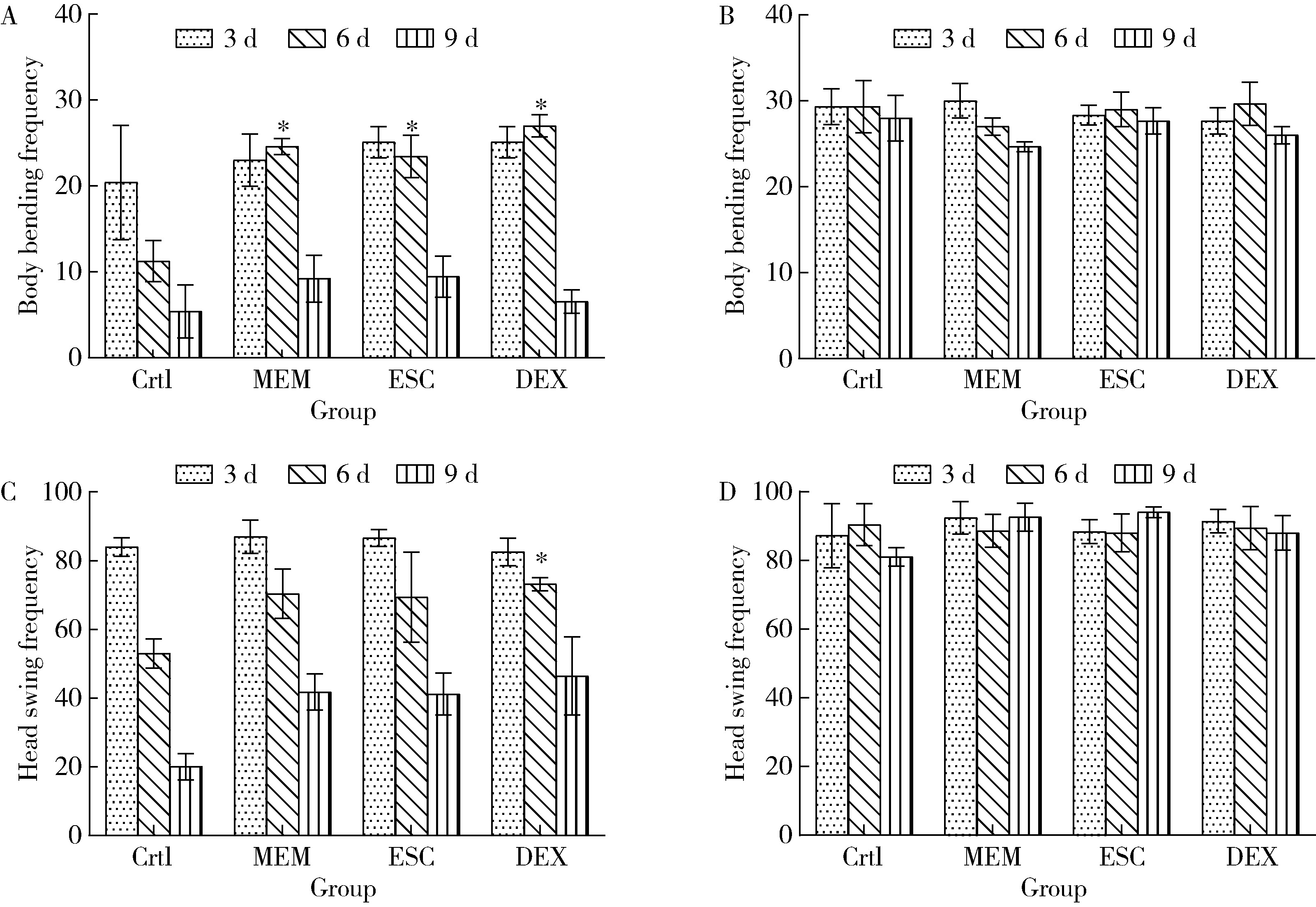
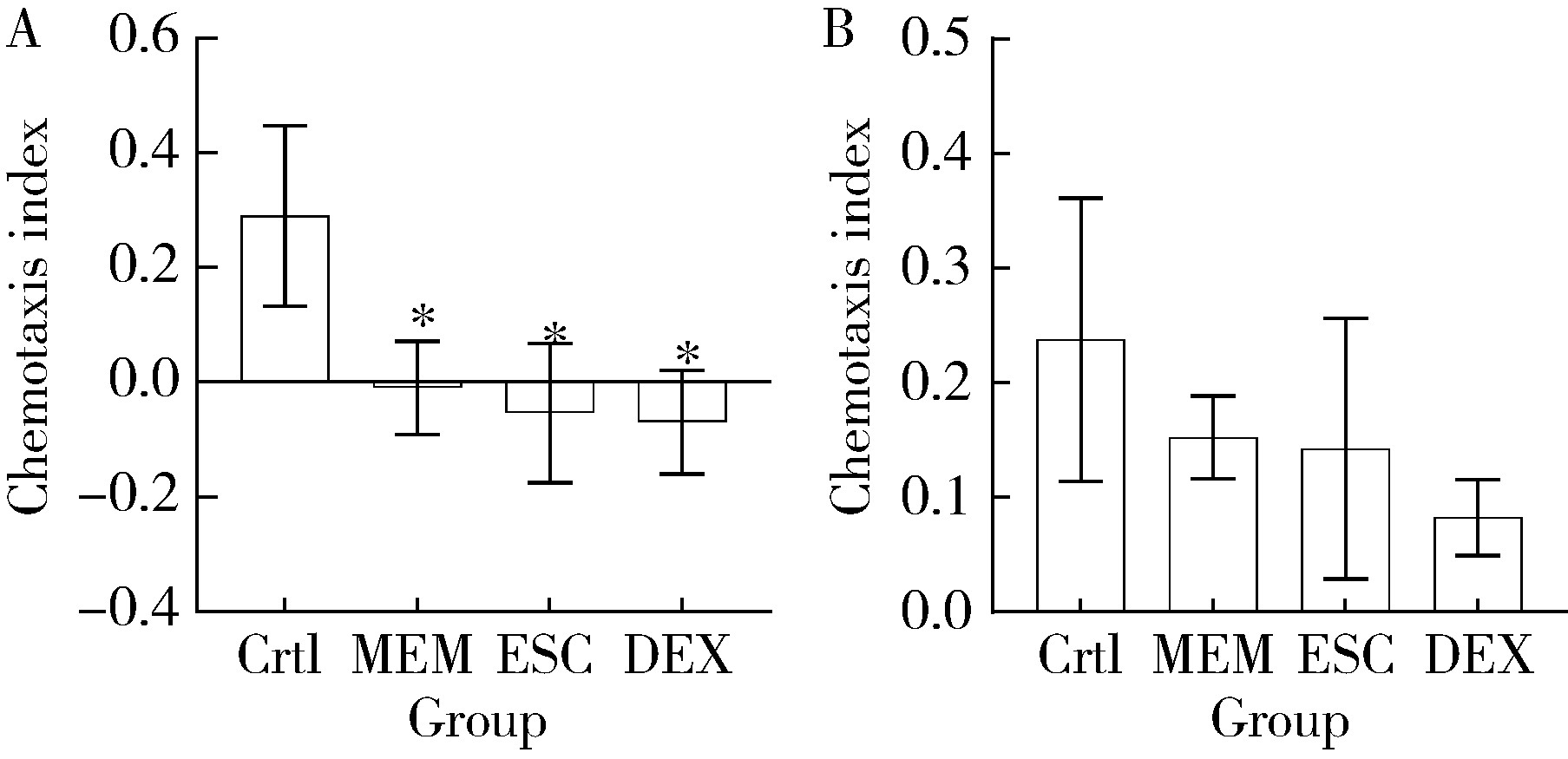
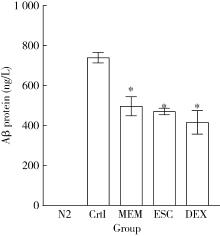
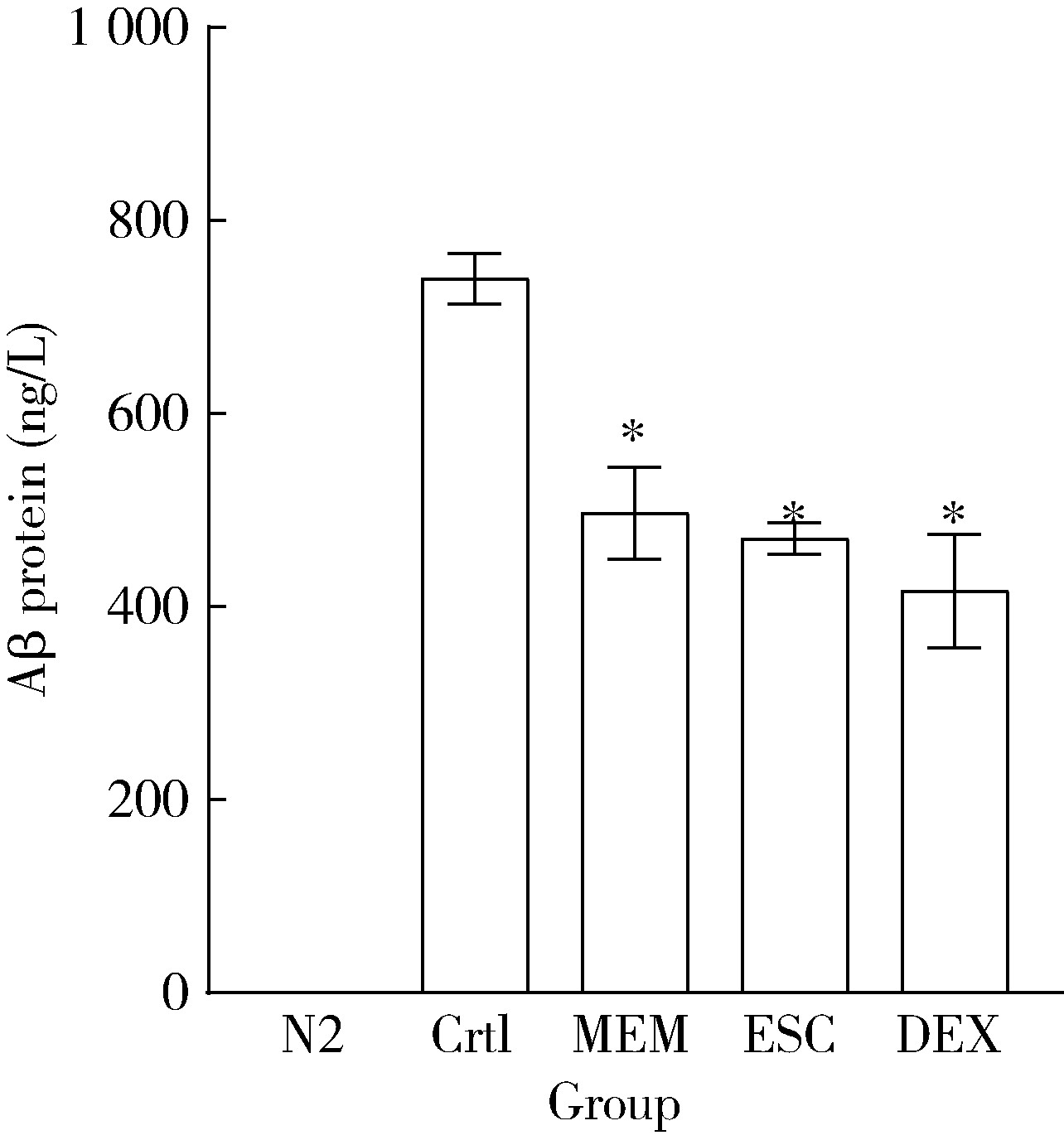
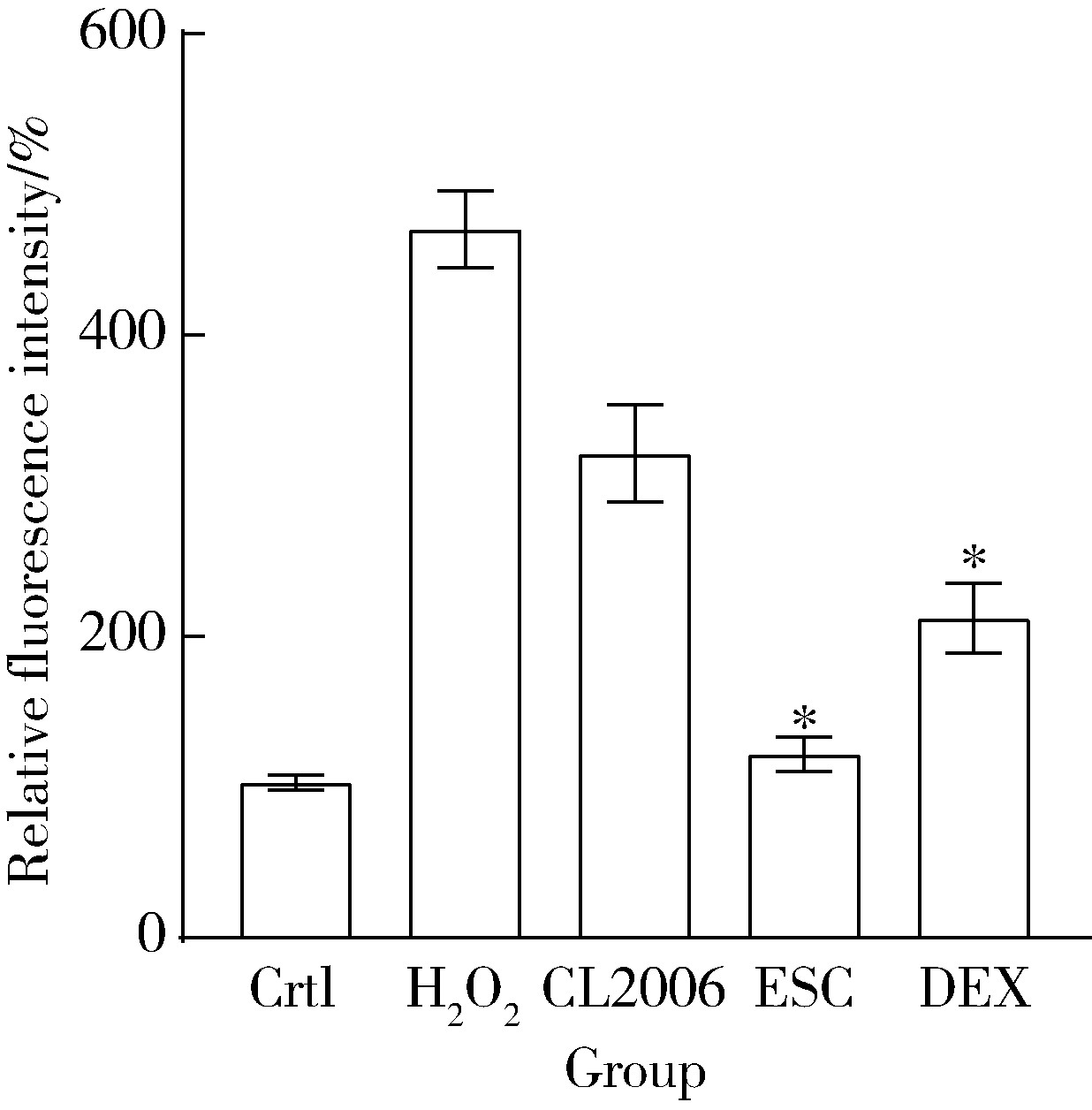
目的: 探究七叶皂苷(escin,ESC)和右美沙芬(dextromethorphan,DEX)是否具有延缓阿尔茨海默病(Alzheimer disease,AD)的作用。方法: 使用秀丽隐杆线虫β-淀粉样蛋白(amyloid β-protein,Aβ)转基因构建的AD模型,采用固体暴露方式,给予不同浓度的ESC和DEX处理,以美金刚(memantine,MEM)50 μmol/L作为阳性对照组,检测线虫的寿命变化、运动能力和认知功能变化、Aβ蛋白表达量,以及活性氧含量。通过实时荧光定量PCR检测氧化应激通路相关基因的表达。结果: 高剂量处理(1 000 μmol/L ESC或DEX)对野生型N2线虫活动无明显影响。与空白对照组相比,20 μmol/L ESC组和60 μmo/L DEX组显著延长AD模型线虫的生存时间。在AD发病中期,ESC和DEX可减少AD模型线虫的身体弯曲频率的降低,且DEX能明显改善AD模型线虫的头部摆动频率降低。早期的认知功能测试的趋化指数ESC组和DEX组及阳性对照组显著高于空白对照组,这与其体内Aβ蛋白的含量降低相关。ESC组和DEX组的活性氧含量相较于空白对照组有所减少;且基因表达结果显示,ESC可通过上调抗氧化应激基因skn1的表达来减轻AD模型线虫体内的氧化损伤。结论: ESC和DEX能改善AD模型线虫运动能力和认知功能的降低,延缓AD相关症状的加重。ESC可能通过激活SKN-1/Nrf2通路,降低AD模型线虫的氧化应激进而延缓AD进展。

关键词: 阿尔茨海默病, 七叶皂苷, 右美沙芬, 秀丽隐杆线虫

Abstract:

Objective: To investigate whether escin (ESC) and dextromethorphan (DEX) have the protective effects on the progression and symptoms of Alzheimer disease (AD). Methods: The AD model of Caenorhabditis elegans (C. elegans) was established by transgenic amyloid β-protein (Aβ protein). Different concentrations of ESC or DEX or 50 μmol/L memantine (MEM) were used to treat the AD model worms, and their lifespan was detected. The movement ability of AD model C. elegans was evaluated by body bending frequency and head swinging frequency. The changes in cognitive functions of AD model C. elegans before and after treatment were detected by chemotaxis experiments. The changes in Aβ protein and reactive oxygen species (ROS) content in C. elegans were detected. The changes in gene pathways related to oxidative stress were detected by Real-time quantitative polymerase chain reaction (RT-qPCR). Results: At high dose 1 000 μmol/L, ESC or DEX treatment showed no significant effects on the activity of C. elegans. Compared with untreated worms, the survival time of AD model C. elegans in the 20 μmol/L ESC and 60 μmol/L DEX intervention groups was significantly extended. In the middle stage of AD progression, the body bending frequency and head swinging frequency of AD model worms after ESC or DEX treatment was significantly increased compared with the untreated control group with DEX being more effective in the recovery of head swinging frequency. For the early cognitive function tests, the chemotaxis index of ESC or DEX treated worms was significantly higher than that of the untreated worms, which correlated with marked reductions in the Aβ protein levels. The reactive oxygen species content in the drug intervention group was also lower than that in the control group. RT-qPCR results showed that ESC could inhibit oxidative stress in the AD model C. elegans by a 2-fold upregulation of skn1 expression. Conclusion: ESC and DEX could improve the reductions of movement ability and cognitive function in the AD model worms and delay the aggravation of AD-related symptoms. ESC delays the progression of AD possibly by activating the SKN-1/Nrf2 pathway to protect against oxidative injury in the AD model.

Key words: Alzheimer disease, Escin, Dextromethorphan, Caenorhabditis elegans

中图分类号: 

  • R749.16

表1

AD模型线虫株基因型及其表型"

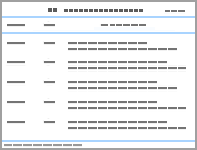
Strain Genotype Description
CL2006 dvIs2 [pCL12(unc-54/human Aβ peptide 1-42 minigene)+rol-6(su1006)] Adult onset paralysis and egg-laying deficiency
CL2355 dvIs50 [pCL45 (snb-1:: Abeta 1-42:: 3′ UTR(long)+mtl-2:: GFP] Ⅰ Pan-neuronal expression of human Aβ peptide. Strain shows deficits in chemotaxis, associative learning, and thrashing in liquid
CL4176 dvIs27 [myo-3p: : Abeta (1-42): : let-851 3′UTR)+rol-6(su1006)] Ⅹ Adult onset paralysis quickly

图1

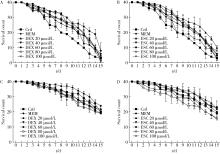
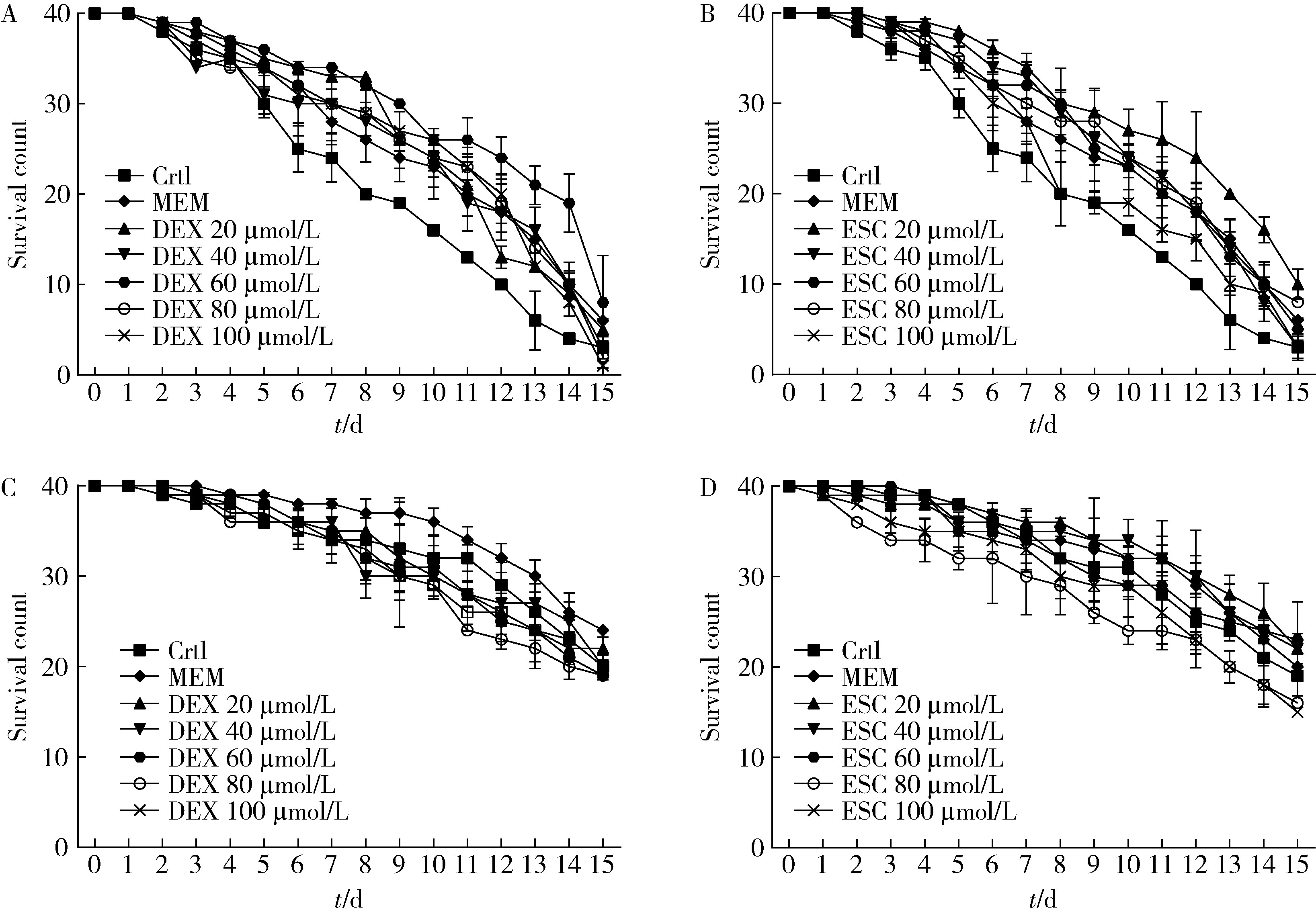
不同剂量下ESC与DEX干预组CL2006模型和野生型N2线虫存活数量"

表2

ESC与DEX处理CL2006线虫的生存时间变化"

Items Concentration/(μmo/L) Sample size,n Medium lifespan/d Mean lifespan/d, ${\bar x}$±s
Crtl 40 8.00 14.71±0.23
MEM 40 11.00 20.41±0.25
ESC 20 40 15.00 25.13±0.71
40 40 13.00 20.93±0.63
60 40 13.00 20.73±0.54
80 40 13.00 21.49±0.42
100 40 8.00 17.54±0.46
DEX 20 40 11.00 20.60±0.14
40 40 11.00 21.16±0.23
60 40 13.00 25.20±0.47
80 40 11.00 20.59±0.25
100 40 12.00 20.38±0.58

图2

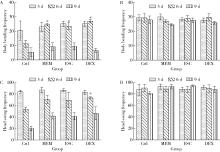
ESC与DEX对线虫活动能力的影响"

图3

ECS与DEX处理对线虫趋化指数的影响"

图4

各组AD模型线虫中Aβ蛋白含量变化"

图5

AD模型(CL2006)线虫体内ROS含量变化"

表3

各干预组中基因mRNA表达情况"

Items skn-1 daf-16 daf-2 sod-2 jjk-1 aak-2
Crtl 1.0±0.1 1.0±0.2 1.0±0.0 1.0±0.0 1.0±0.1 1.0±0.1
MEM 1.1±0.0 0.9±0.2 1.1±0.2 1.3±0.2 1.2±0.0 1.1±0.0
ESC 1.9±0.2* 1.1±0.1 1.2±0.1 1.1±0.1 1.2±0.2 1.1±0.1
DEX 1.1±0.1 0.9±0.1 0.8±0.1 0.9±0.1 0.8±0.1 0.9±0.2
1
Monteiro AR , Barbosa DJ , Remião F , et al. Alzheimer' s disease: Insights and new prospects in disease pathophysiology, biomarkers and disease-modifying drugs[J]. Biochem Pharmacol, 2023, 211, 115522.
2
Twarowski B , Herbet M . Inflammatory processes in Alzheimer' s disease-pathomechanism, diagnosis and treatment: A review[J]. Int J Mol Sci, 2023, 24 (7): 6518.
3
Zhu Z , Yang T , Zhang L , et al. Inhibiting Aβ toxicity in Alzheimer' s disease by a pyridine amine derivative[J]. Eur J Med Chem, 2019, 168, 330- 339.
4
Weintraub S , Wicklund AH , Salmon DP . The neuropsychological profile of Alzheimer disease[J]. Cold Spring Harb Perspect Med, 2012, 2 (4): a006171.
5
周小涛, 杨梦艳, 张继川. 细胞自噬与阿尔茨海默病的关系[J]. 中国组织化学与细胞化学杂志, 2022, 31 (5): 517- 522.
6
陈长军, 徐为华, 张梦晨, 等. 七叶皂苷药理活性及制剂临床应用研究进展[J]. 武汉大学学报(医学版), 2020, 41 (1): 157- 163.
7
Wang Y , Han X , Wan X , et al. β-escin: An updated review of its analysis, pharmacology, pharmacokinetics, and toxicity[J]. Am J Chin Med, 2023, 51 (8): 2095- 2120.
8
徐效凤. 右美沙芬在血管性痴呆中的保护作用及机制研究[D], 上海: 上海交通大学, 2015.
9
Schoedel KA , Morrow SA , Sellers EM . Evaluating the safety and efficacy of dextromethorphan/quinidine in the treatment of pseudobulbar affect[J]. Neuropsychiatr Dis Treat, 2014, 10, 1161- 1174.
10
Shen P , Yue Y , Zheng J , et al. Caenorhabditis elegans: A convenient in vivo model for assessing the impact of food bioactive compounds on obesity, aging, and Alzheimer' s disease[J]. Annu Rev Food Sci Technol, 2018, 9, 1- 22.
11
Romussi S , Giunti S , Andersen N , et al. C. elegans: A prominent platform for modeling and drug screening in neurological disorders[J]. Expert Opin Drug Discov, 2024, 19 (5): 565- 585.
12
Roussos A , Kitopoulou K , Borbolis F , et al. Caenorhabditis elegans as a model system to study human neurodegenerative disorders[J]. Biomolecules, 2023, 13 (3): 478.
13
Alvarez J , Alvarez-Illera P , Santo-Domingo J , et al. Modeling Alzheimer' s disease in Caenorhabditis elegans[J]. Biomedicines, 2022, 10 (2): 288.
14
Park HH , Jung Y , Lee SV . Survival assays using Caenorhabditis elegans[J]. Mol Cells, 2017, 40 (2): 90- 99.
15
Zhao J , Zhu A , Sun Y , et al. Beneficial effects of sappanone A on lifespan and thermotolerance in Caenorhabditis elegans[J]. Eur J Pharmacol, 2020, 888, 173558.
16
Li L , Li Y , Zeng K , et al. Mercuric sulfide nanoparticles suppress the neurobehavioral functions of Caenorhabditis elegans through a Skp1-dependent mechanism[J]. Food Chem Toxicol, 2024, 186, 114576.
17
Saeki S , Yamamoto M , Iino Y . Plasticity of chemotaxis revealed by paired presentation of a chemoattractant and starvation in the nematode Caenorhabditis elegans[J]. J Exp Biol, 2001, 204 (Pt 10): 1757- 1764.
18
Zhu A , Ji Z , Zhao J , et al. Effect of Euphorbia factor L1 on intestinal barrier impairment and defecation dysfunction in Caenorhabditis elegans[J]. Phytomedicine, 2019, 65, 153102.
19
李品洁. 线虫头部运动: 定量分析和神经机制研究[D], 合肥: 中国科学技术大学, 2022.
20
Babaei P . NMDA and AMPA receptors dysregulation in Alzheimer's disease[J]. Eur J Pharmacol, 2021, 908, 174310.
21
Madeira JM , Schindler SM , Klegeris A . A new look at auranofin, dextromethorphan and rosiglitazone for reduction of glia-mediated inflammation in neurodegenerative diseases[J]. Neural Regen Res, 2015, 10 (3): 391- 393.
22
徐玉兰, 薛雅丹, 康利军. 秀丽隐杆线虫神经胶质细胞对神经系统发育和功能的影响[J]. 浙江大学学报(医学版), 2016, 45 (3): 315- 322.
23
Tullet JMA , Green JW , Au C , et al. The SKN-1/Nrf2 transcription factor can protect against oxidative stress and increase lifespan in C. elegans by distinct mechanisms[J]. Aging Cell, 2017, 16 (5): 1191- 1194.
24
Wang W , Liu M , Gao W , et al. Coassembled chitosan-hyaluronic acid nanoparticles as a theranostic agent targeting Alzheimer' s β-amyloid[J]. ACS Appl Mater Interfaces, 2021, 13 (47): 55879- 55889.
25
邹羽真, 韩菲, 梅丹. 右美沙芬在神经系统应用的研究新进展[J]. 中国医院药学杂志, 2019, 39 (3): 313- 317.
[1] 何丽杰,张春艳,王静. NEAT1、miR-27a-3p在阿尔茨海默病患者血清和脑脊液中的表达关系[J]. 北京大学学报(医学版), 2024, 56(2): 207-212.
[2] 韩济生. 疼痛、药物成瘾和神经退行性疾病最新研究进展[J]. 北京大学学报(医学版), 2009, 41(3): 249-254.
[3] 查芹芹, 阮燕, 刘中华, 曹连元, 张岱. β-淀粉样前体蛋白第二、三外显子删除突变抑制β-淀粉样蛋白分泌[J]. 北京大学学报(医学版), 2003, 35(3): 261-265.
[4] 丁吉新, 阮燕, 朱忠军, 张岱. β-淀粉样蛋白前体N端神经节苷脂GM1结合位点定位分析[J]. 北京大学学报(医学版), 2002, 34(5): 594-598.
[5] 常磊, 马康涛, 张蘅. 阿尔茨海默病淀粉样前体蛋白可与低密度脂蛋白受体相关蛋白6直接作用[J]. 北京大学学报(医学版), 2000, 32(4): 366-368.
Viewed
Full text


Abstract

Cited

  Shared   
  Discussed   
No Suggested Reading articles found!