北京大学学报(医学版) ›› 2026, Vol. 58 ›› Issue (3): 560-566. doi: 10.19723/j.issn.1671-167X.2026.03.016

• 论著 • 上一篇    下一篇

健康老龄化目标下老年助餐服务的政策逻辑与多重困境

潘薇1, 陈良侠2, 张晓菲2, 张浩宇1, 闵鹤葳1, 雷晓燕3, 孙昕霙1, 张旭熙1,*()   

  1. 1. 北京大学公共卫生学院社会医学与健康教育系,北京 100191
    2. 山东省疾病预防控制中心,济南 250014
    3. 北京大学国家发展研究院,北京 100871
  • 收稿日期:2026-03-03 出版日期:2026-06-18 发布日期:2026-04-28
  • 通讯作者: 张旭熙
  • 基金资助:
    国家自然科学基金(72474006); 国家自然科学基金(72204008)

Policy logic and multiple challenges of meal assistance services for older adults under the goal of healthy aging

Wei PAN1, Liangxia CHEN2, Xiaofei ZHANG2, Haoyu ZHANG1, Hewei MIN1, Xiaoyan LEI3, Xinying SUN1, Xuxi ZHANG1,*()   

  1. 1. Department of Social Medicine and Health Education, Peking University School of Public Health, Beijing 100191, China
    2. Shandong Center for Disease Control and Prevention, Jinan 250014, China
    3. National School of Development at Peking University, Beijing 100871, China
  • Received:2026-03-03 Online:2026-06-18 Published:2026-04-28
  • Contact: Xuxi ZHANG
  • Supported by:
    the National Natural Science Foundation of China(72474006); the National Natural Science Foundation of China(72204008)

RICH HTML


摘要:

目的: 以山东省为案例分析老年助餐服务的政策逻辑与实践困境,为优化助餐服务政策、更好发挥其健康支撑作用提供实证依据。方法: 运用政策工具文本分析法对筛选出的2013—2024年中央及山东省老年助餐相关59份政策文本进行三分法划分,并以政策条款为单元编码分析;于2023年8至10月及2026年1月在山东省三大经济圈8个城乡样本点,对17名老年助餐服务供给方人员进行定性访谈,采用主题分析法进行编码归类;最后,通过政策工具与实践主题对照方式整合政策和访谈两类资料。结果: 山东省老年助餐政策大体经历萌芽期、上升期和深化期三个阶段,政策工具总体呈现供给型与环境型并重、需求型相对不足的特征。访谈显示,城市地区主要形成“政府补贴+市场运营”模式,农村地区主要依托幸福院、村集体资源和公益岗位开展助餐服务;但两类地区均面临财政补贴与运营成本错配、专业人员不足、社会参与动力偏弱、老年人需求表达和持续消费不足、基层执行能力有限等问题。部分助餐点已初步体现健康助餐取向,如根据老年人口味偏好、咀嚼能力和慢性病情况调整菜谱,控制油盐摄入,探索高龄送餐、健康知识讲座等做法,但总体仍以经验性探索为主,尚未形成制度化、规范化的健康助餐模式。结论: 老年助餐服务不仅是保障老年人“一餐热饭”的民生工程,也是促进合理膳食、维护功能能力和实现健康老龄化的重要抓手。建议完善分层分类补贴机制,优化城乡差异化供给结构,增强需求侧动员与社会协同,强化基层治理和质量监管,推动老年助餐服务由项目化供给转向制度化,以便可持续发展。

关键词: 老年助餐, 公共政策, 健康老龄化, 居家社区养老

Abstract:

Objective: To provide empirical evidence for optimizing meal assistance policies and strengthening their role in supporting the health of older adults, this study took Shandong Province as a case to examine the policy logic and practical challenges of meal assistance services for older adults. Methods: A combination of policy tool text analysis and qualitative interviews was employed. For the policy tool analysis, 59 policy documents related to meal assistance for older adults at the central and Shandong provincial levels from 2013 to 2024 were selected and categorized using a three-part framework, with policy provisions coded and analyzed as units. Qualitative interviews were conducted in two rounds, from August to October 2023 and again in January 2026, across eight urban and rural sample sites within Shandong' s three major economic circles, involving 17 providers of meal assistance services for older adults; the interview data were coded and analyzed using thematic analysis. Finally, the two sets of data, including policy tools and implementation themes, were integrated through a comparative approach. Results: The development of meal assistance policies for older adults in Shandong Province can be broadly divided into three stages: The initial stage, the growth stage, and the deepening stage. Overall, policy tools exhibited a balanced emphasis on supply-oriented and environment-oriented instruments, while demand-oriented instruments remained relatively insufficient. Interview findings indicated that urban areas had primarily adopted a "government subsidy + market operation" model, while rural areas mainly relied on happiness homes, village collective resources, and public welfare positions to deliver meal assistance services. However, both urban and rural areas faced common challenges, including a mismatch between financial subsidies and operational costs, a shortage of professional staff, weak motivation for social participation, insufficient expression of demand and sustained spending by older adults, and limited implementation capacity at the grassroots level. Meanwhile, some meal assistance sites showed early signs of health-oriented meal assistance practices, such as adjusting menus according to older adults 'dietary preferences, chewing ability, and chronic disease conditions, reducing oil and salt in meal preparation, and exploring meal delivery and health education activities. Nevertheless, these efforts remained largely experience-based and fragmented, and had not yet developed into a standardised model. Conclusion: Meal assistance services for older adults are not only a livelihood initiative to ensure access to warm meals for older adults, but also a crucial entry point for promoting balanced diets, maintaining functional capacity, and achieving healthy aging. Future efforts should focus on refining a tiered and categorized subsidy mechanism, optimizing the differentiated supply structure between urban and rural areas, enhancing demand-side mobilization and social collaboration, strengthening grassroots governance and quality supervision, and facilitating the transition of meal assistance services from project-based provision to an institutionalized and sustainable model.

Key words: Meal assistance for older adults, Public policy, Healthy aging, Home- and community-based care

中图分类号: 

  • D669.6

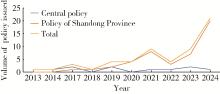
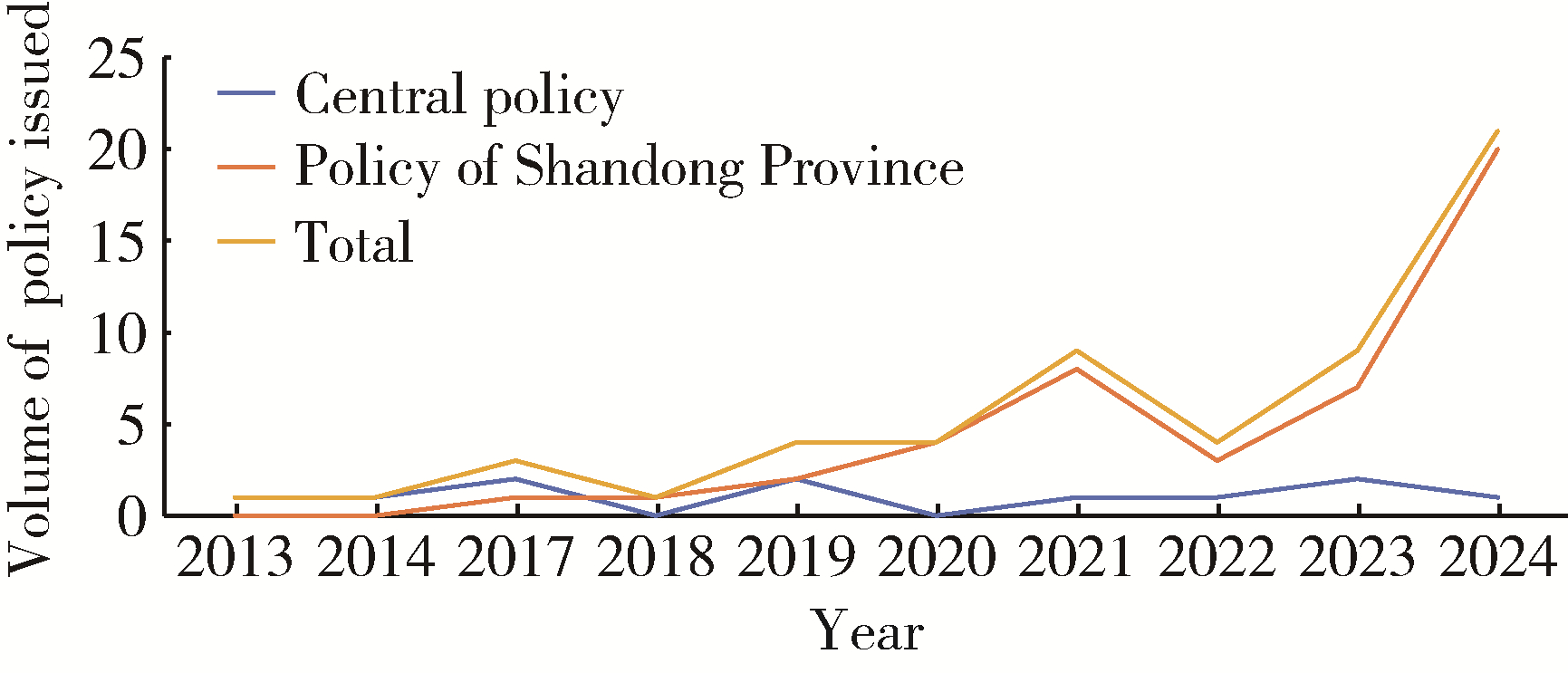
图1

2013—2024年老年助餐政策年度统计"

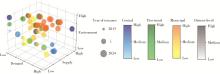
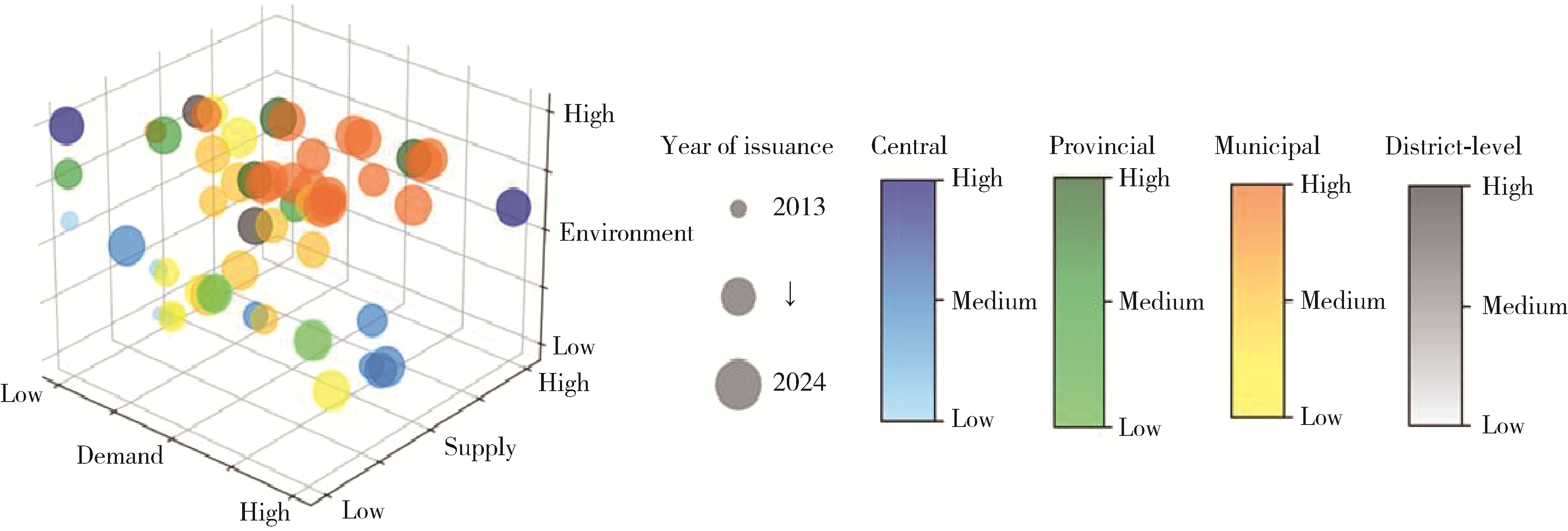
图2

三维框架下助餐类政策的热力分布——基于2013—2024年政策文本的层级分析"

表1

老年助餐服务实践主题分析结果"

Theme Category Codes examples
Service provision models Leveraging existing enterprises to provide meal services for the older adults “The government subsidizes 1-2 yuan per meal, and older adults receive a discounted price.” (P9)
Private enterprise + Government subsidy “Part is covered by the government and part by us.” (P5)
Mutual-help meals “We run a mutual-help model, and older villagers help one another.” (P8)
Nursing home “The happiness home mainly provides meals and lodging.” (P8)
Service providers Village cadres “The village committee is responsible for management.”(P8)
Enterprise managers “We selected a core group of young staff for long-term development.” (P5)
Volunteer “The Nursing home has two public welfare positions for cleaning, meals and daily maintenance.” (P8)
Mutual help “Older villagers come together to make dumplings and eat together at noon.” (P8)
Operational difficulties Financial sustainability pressure “The village has no money, and long-term operation is difficult.” (P8)
Staff taking multiple roles “Village cadres take on many management tasks, but there are no professional workers.” (P9)
Insufficient public welfare posts “There are not enough public welfare positions.” (P8)
Limited workforce “Graduates come for a while but cannot be retained locally.” (P5)
Scale limits “Serving more older adults makes management difficult.” (P8)
Future directions Upgrading canteen facilities “We plan to add a small extension outside the happiness home.” (P8)
Diversifying revenue sources “We hope to use photovoltaic rental income to subsidize operation.” (P8)
Meal delivery and healthier menus “We need a long-term home-based care mechanism, not only temporary preferential treatment.” (P9)
Adding meal delivery and optimizing menus “Meal delivery may be added in the future, and menus should become more health-oriented” (P5/P9)
Health-oriented meal assistance Personalized menu “We ask what older adults like to eat… If something is not sui-table, or they cannot chew it, we can adjust it at any time.” (P15)
Disease-adapted meals “For older adults with high blood sugar, we provide coarse-grain buns. For those with hypertension… we try not to give them fatty meat. Meals are prepared with less oil and less salt.” (P15)
Meal delivery and basic health support for vulnerable groups “For those aged 85 and above, meals are delivered… free of charge.”(P16)
1
潘薇, 陈良侠, 张晓菲, 等. 高质量发展视角下的老年人居家社区养老服务需求分析[J]. 中国卫生事业管理, 2025, 42(10): 1103- 1108.
2
阳义南, 袁涛. 养老服务购买者的甄别与归因分解[J]. 中国人口科学, 2022, 36(1): 113- 125.
3
World Health Organization. Healthy ageing and functional ability[EB/OL]. (2020-10-26)[2026-03-01]. https://www.who.int/news-room/questions-and-answers/item/healthy-ageing-and-functional-ability.
4
Yeung SSY , Kwan M , Woo J . Healthy diet for healthy aging[J]. Nutrients, 2021, 13(12): 4310.

doi: 10.3390/nu13124310
5
Kiefte-de Jong JC , Mathers JC , Franco OH . Nutrition and healthy ageing: The key ingredients[J]. Proc Nutr Soc, 2014, 73(2): 249- 259.
6
Wang X , Liu M , Li Y , et al. Community canteen services for the rural elderly: Determining impacts on general mental health, nutritional status, satisfaction with life, and social capital[J]. BMC Public Health, 2020, 20(1): 230.

doi: 10.1186/s12889-020-8305-9
7
Jacques PF , Tucker KL . Are dietary patterns useful for understanding the role of diet in chronic disease?[J]. Am J Clin Nutr, 2001, 73(1): 1- 2.
8
Wang F , Zhou H , Lv C , et al. Analysis of distribution equilib-rium and influencing factors for older adult meal service facilities in mainland China[J]. Front Public Health, 2025, 13, 1578827.

doi: 10.3389/fpubh.2025.1578827
9
刘太刚, 吴峥嵘. 我国社区居家养老服务中非营利组织的功能嵌入分析——以北京市A助老食堂与上海市B助餐点为例[J]. 北京行政学院学报, 2019(3): 1- 9.
10
高云霞, 杜鹏. 我国老年助餐服务可持续运营模式研究[J]. 当代经济管理, 2025, 47(5): 56- 62.
11
陈朋, 程瑶. 社区养老"助餐点"的地方性实践: 进展、困境与未来发展——基于S省"舒心助餐"专项行动的分析[J]. 行政管理改革, 2025(7): 66- 75.
12
邓婷鹤, 郑晓冬, 杨园争, 等. 养老助餐服务效率研究——基于北京市73家助餐点的调查分析[J]. 兰州学刊, 2021(12): 131- 148.
13
钟慧澜. 理论融合视阈下的城市社区老年助餐多元供给研究——以上海个案为例[J]. 兰州大学学报(社会科学版), 2017, 45(5): 98- 106.
14
陈秋玉, 孙建成, 叶青, 等. 上海市杨浦区为老助餐食品安全监管机制探讨[J]. 上海预防医学, 2009, 21(6): 303- 305.
15
马慧园, 耿永志. 我国省级老年助餐服务政策文本内容与问题研究——基于NVivo12 Plus的编码分析[J]. 社会工作与管理, 2025, 25(4): 89- 98.
16
山东省统计局. 2024年山东省国民经济和社会发展统计公报[EB/OL]. (2025-03-05)[2025-03-01]. http://tjj.shandong.gov.cn/art/2025/3/5/art_6196_10316729.html.
17
田国垒, 陈国欣. 让老年人在家门口吃上"一餐热饭"[N]. 工人日报, 2024-10-28(3).
18
Rothwell R, Zegveld W. Industrial innovation and public policy[M]. London: F. Pinter, 1981.
19
民政部, 国家发展改革委, 财政部, 等. 积极发展老年助餐服务行动方案[EB/OL]. (2023-10-20)[2026-03-01]. https://www.gov.cn/gongbao/2023/issue_10886/202312/content_6921258.html.
20
山东省人民政府办公厅. 山东省"十四五"养老服务体系规划[EB/OL]. (2021-07-29)[2026-03-01]. http://www.shandong.gov.cn/art/2021/8/7/art_307620_10330550.html.
21
Rothwell R , Zegveld W . An assessment of government innovation policies[J]. Rev Policy Res, 1984, 3(3/4): 436- 444.
22
Howlett M . Governance modes, policy regimes and operational plans: A multi-level nested model of policy instrument choice and policy design[J]. Policy Sci, 2009, 42(1): 73- 89.

doi: 10.1007/s11077-009-9079-1
23
Howlett M , Ramesh M . Studying public policy: Policy cycles and policy subsystems[M]. Toronto: Oxford University Press, 1995.
24
淄博市人民政府办公室. 关于推进养老事业高质量发展的实施意见[EB/OL]. (2021-01-03)[2026-02-20]. https://www.zibo.gov.cn/gongkai/site_srmzfbgs/channel_shifubanwenjian/doc_5ff123740f2a33534e5a7e7f.html.
25
山东省人民政府办公厅. 山东省养老服务高质量发展三年行动计划(2024—2026年)[EB/OL]. (2023-12-30)[2026-02-06]. http://mzt.shandong.gov.cn/art/2024/1/11/art_101948_10321682.html.
No related articles found!
Viewed
Full text


Abstract

Cited

  Shared   
  Discussed   
No Suggested Reading articles found!