北京大学学报(医学版) ›› 2026, Vol. 58 ›› Issue (4): 707-715. doi: 10.19723/j.issn.1671-167X.2026.04.005

• 论著 • 上一篇    下一篇

利用CRISPR-Cas9文库筛选识别膀胱癌中潜在的三级淋巴结构形成调节因子

王永存1,2,*, 宋泓辰1,2,*, 杜依青2,*(), 徐涛2,*()   

  1. 1. 河北医科大学外科学教研室,石家庄 050011
    2. 北京大学人民医院泌尿外科,北京 100044
  • 收稿日期:2026-03-02 出版日期:2026-08-18 发布日期:2026-06-30
  • 通讯作者: 杜依青, 徐涛
  • 作者简介:

    *These authors contributed equally to this work

  • 基金资助:
    科技创新2030-“癌症、心脑血管、呼吸和代谢性疾病防治研究”国家科技重大专项(2024ZD0525700); 国家自然科学基金(82471866); 国家自然科学基金(82472912); 北京市自然科学基金(L252190)

CRISPR-Cas9 activation screening identifies candidate chemokine regulators of ter-tiary lymphoid structure formation in bladder cancer

Yongcun WANG1,2, Hongchen SONG1,2, Yiqing DU2,*(), Tao XU2,*()   

  1. 1. Department of Surgery, Hebei Medical University, Shijiazhuang 050011, China
    2. Department of Urology, Peking University People's Hospital, Beijing 100044, China
  • Received:2026-03-02 Online:2026-08-18 Published:2026-06-30
  • Contact: Yiqing DU, Tao XU
  • Supported by:
    the Noncommunicable Chronic Diseases-National Science and Technology Major Project(2024ZD0525700); the National Natural Science Foundation of China(82471866); the National Natural Science Foundation of China(82472912); the Beijing Natural Science Foundation(L252190)

RICH HTML


摘要:

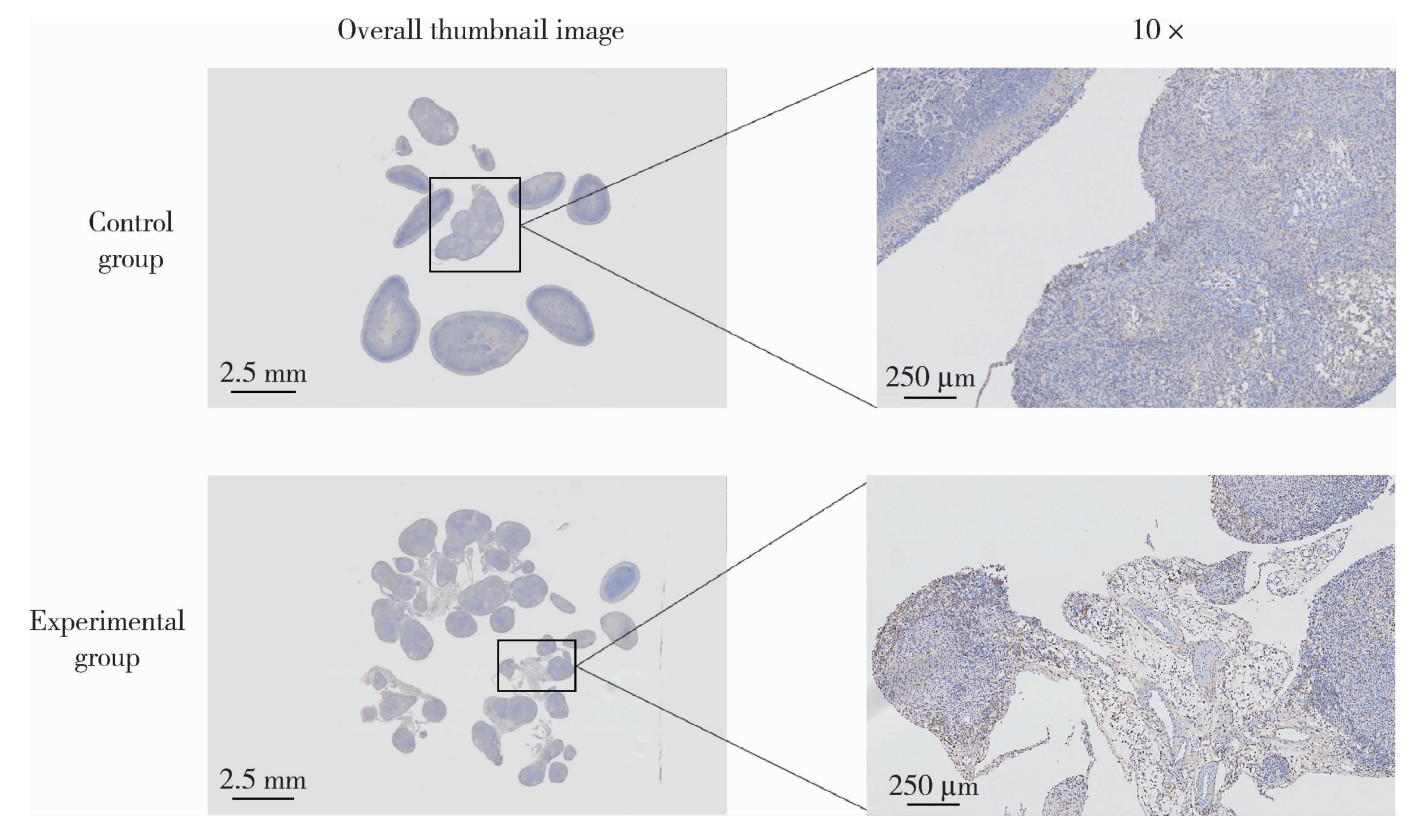
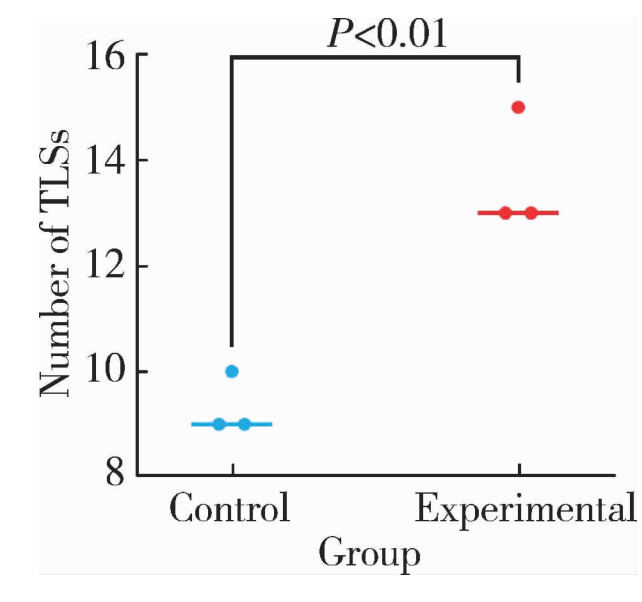
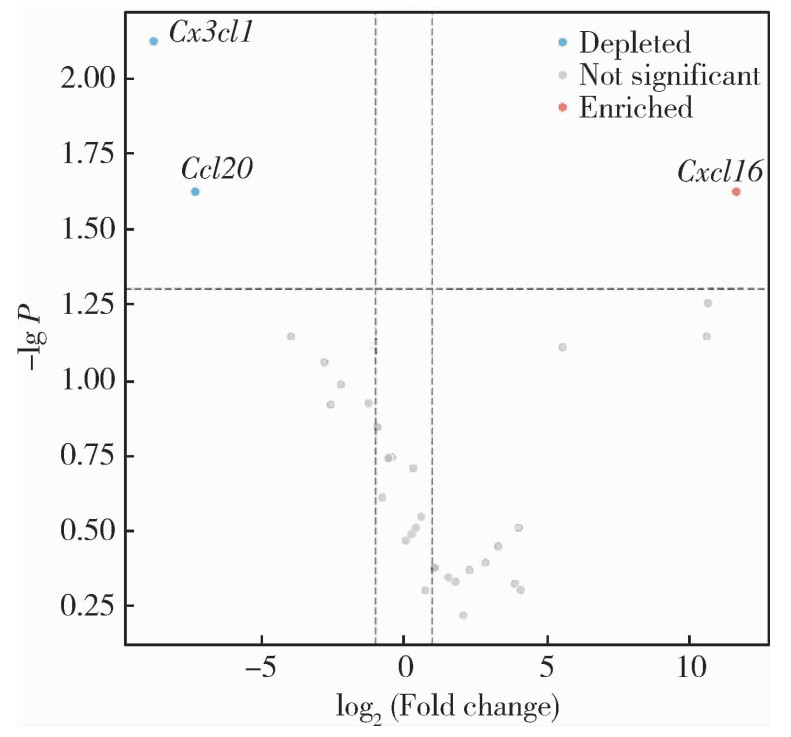
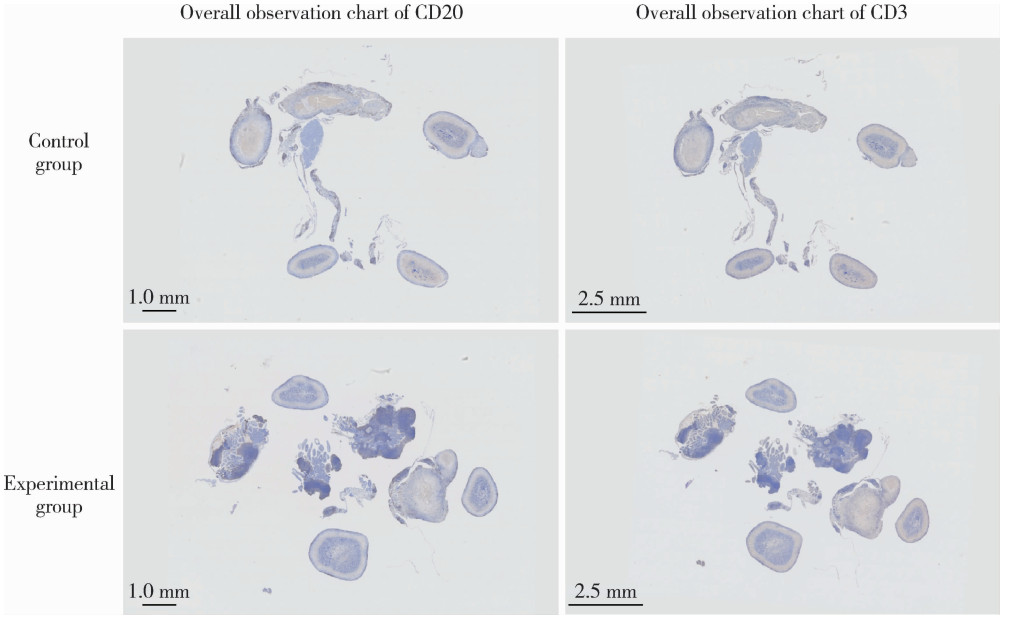
目的: 通过CRISPR-Cas9文库筛选影响三级淋巴结构(tertiary lymphoid structure,TLS)形成的调节因子,鉴定潜在的关键调控分子,为提升膀胱癌免疫治疗疗效提供新靶点。方法: 基于小鼠全基因组文库,筛选44个趋化因子相关基因,设计并构建靶向这些基因的单向导RNA(single-guide RNA,sgRNA)文库,每个基因配置3条sgRNA。利用慢病毒包装系统将文库质粒感染HEK293T细胞,获得慢病毒文库并感染小鼠膀胱癌细胞系MB49。通过嘌呤霉素筛选获得稳定过表达趋化因子的MB49-mCherry细胞株。将细胞接种于C57BL/6小鼠腹腔,建立膀胱癌移植瘤模型,观察肿瘤生长情况。3周后剥离肿瘤组织,提取基因组DNA进行高通量测序,分析sgRNA富集情况,筛选差异表达的趋化因子基因。同时,通过免疫组织化学染色检测TLS标志物CD20和CD3,评估TLS数量、分布及成熟度。对筛选出的候选基因进行单独体内验证,进一步确认其对TLS形成的影响。结果: 成功构建了包含132条sgRNA的细胞因子基因文库,覆盖44个趋化因子基因。慢病毒感染后获得稳定表达文库的MB49-mCherry细胞株,流式分选获得失活的Cas9阳性单克隆细胞株,确保后续实验的均一性和可重复性。小鼠腹腔肿瘤实验显示,实验组肿瘤组织中TLS数量较对照组明显增多,主要分布于肿瘤边缘。高通量测序结果显示,与对照组相比,实验组中Cxcl16 sgDNA显著富集,Ccl20Cx3cl1 sgDNA则较初始有所下降(P < 0.05)。进一步通过腹腔注射分别验证各趋化因子的作用,发现给予CX3CL1组肿瘤中TLS数量减少,提示CX3CL1可能负向调控TLS形成。免疫组织化学结果显示,CX3CL1处理组肿瘤组织中CD20阳性B细胞和CD3阳性T细胞聚集减少,TLS结构不完整。结论: 通过CRISPR-Cas9文库筛选结合体内验证,初步鉴定出CX3CL1可能为调控膀胱癌TLS形成的负向调节因子。CX3CL1高表达与TLS数量减少相关,提示其在膀胱癌免疫微环境中可能发挥抑制作用,这为深入理解膀胱癌中TLS形成的分子机制提供了新的线索和研究方向,但CX3CL1是否可作为免疫治疗靶点,仍需后续结合临床样本、多维度分子机制解析及免疫治疗响应相关性研究进行进一步验证。

关键词: 膀胱肿瘤, CRISPR-Cas系统, 三级淋巴结构, 基因文库, 炎症趋化因子

Abstract:

Objective: To identify the cytokine genes influencing the formation of tertiary lymphoid structures (TLS) through CRISPR-Cas9 library screening, and to discover potential key regulatory molecules, providing new targets for enhancing the efficacy of bladder cancer immunotherapy. Methods: Based on a mouse whole-genome library, 44 chemokine-related genes were identified, and an single-guide RNA (sgRNA) library targeting these genes was designed and constructed, with three sgRNAs assigned to each gene. Using a lentiviral packaging system, the library plasmids were used to transfect HEK293T cells to generate a lentiviral library, which was then used to infect the mouse bladder cancer cell line MB49. Purinomycin selection was performed to obtain the MB49-mCherry cell line stably over-expressing chemokines. The cells were inoculated into the peritoneal cavity of C57BL/6 mice to establish a bladder cancer xenograft model, and tumor growth was monitored. Three weeks later, tumor tissue was excised, genomic DNA was extracted for high-throughput sequencing, and sgRNA enrichment was analyzed to screen for differentially expressed cytokine genes. Concurrently, immunohistochemical staining was performed to detect TLS markers CD20 and CD3, and the number, distribution, and maturity of TLS were assessed. The selected candidate genes were validated individually in vivo to further confirm their impact on TLS formation. Results: We successfully constructed a cytokine gene library containing 132 sgRNAs, covering 44 chemokine genes. Following lentiviral infection, we obtained the MB49-mCherry cell line, which stably expressed the library, and isolated dead Cas9-positive monoclonal cell lines via flow cytometry to ensure the homogeneity and reproducibility of subsequent experiments. Intratumoral tumor experiments in mice revealed that the number of TLS cells in the experimental group was significantly higher than in the control group, primarily distributed at the tumor margins. High-throughput sequencing results showed that, compared with the control group, in the experimental group, Cxcl16 sgDNA was significantly enriched, while Ccl20 and Cx3lc1 sgDNA levels decreased compared with baseline (P < 0.05). Further validation of the individual roles of each factor via intraperitoneal injection revealed that the number of TLSs in tumors decreased in the group treated with the CX3CL1 chemokine, suggesting that CX3CL1 might negatively regulate TLS formation. Immunohistochemical results showed that in the CX3CL1-treated group, the aggregation of CD20-positive B cells and CD3-positive T cells in the tumor tissue was reduced, and the TLS structure was incomplete. Conclusion: Through CRISPR-Cas9 library screening combined with in vivo validation, this study successfully identified CX3CL1 as a potential negative regulator of TLS formation in bladder cancer. High CX3CL1 expression was associated with a reduction in TLS numbers, suggesting that it might exert an inhibitory role in the immune microenvironment of bladder cancer. This finding provides new clues and research directions for understanding the molecular mechanisms of TLS formation in bladder cancer. However, whether CX3CL1 can serve as an immunotherapeutic target remains to be further validated through clinical specimen analysis, multidimensional mechanistic investigation, and immunotherapy response correlation studies.

Key words: Urinary bladder neoplasms, CRISPR-Cas systems, Tertiary lymphoid structures, Gene library, Chemokines

中图分类号: 

  • R737.14

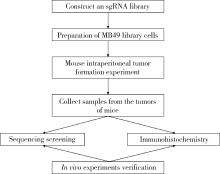
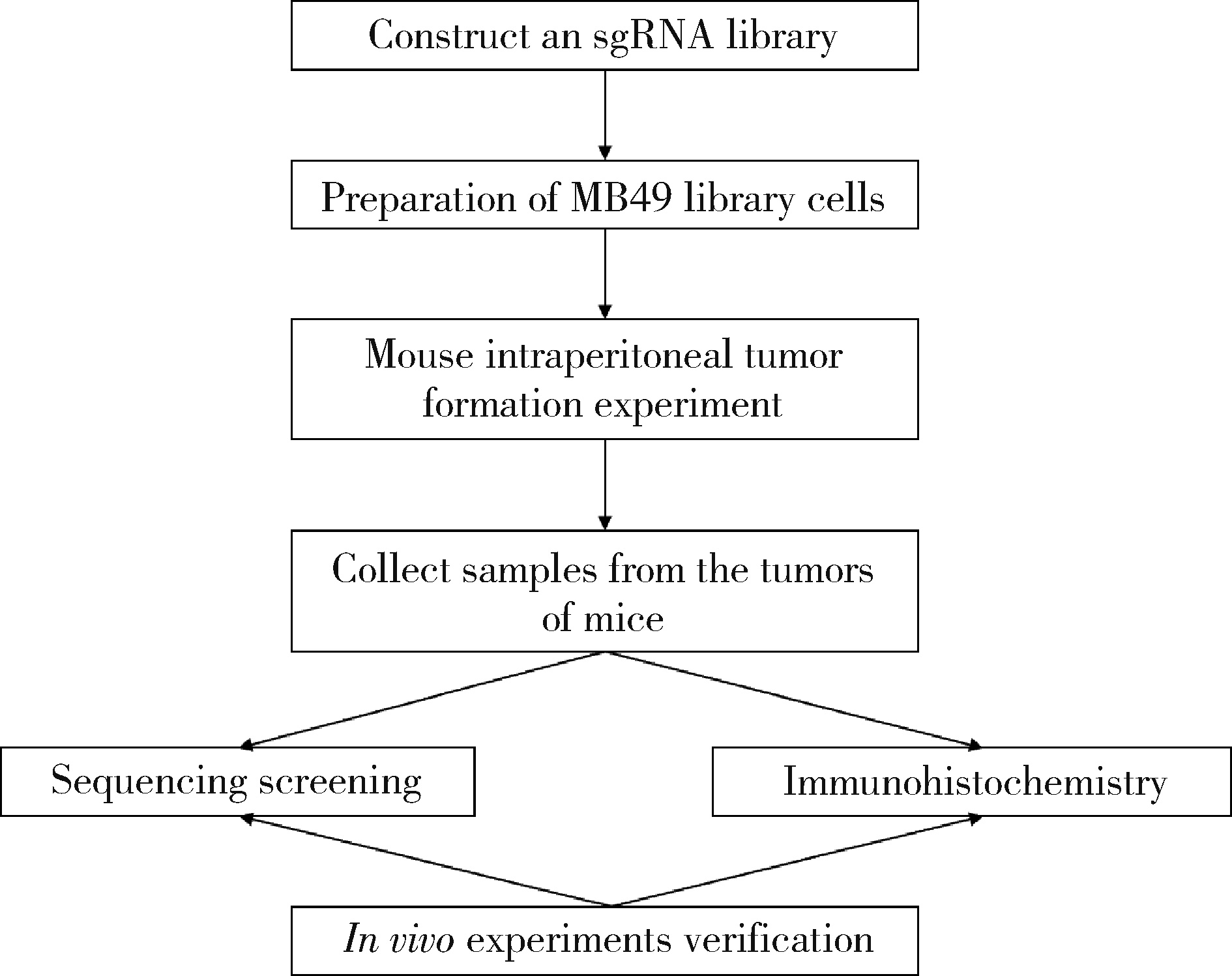
图1

sgRNA筛选实验流程图"

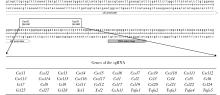
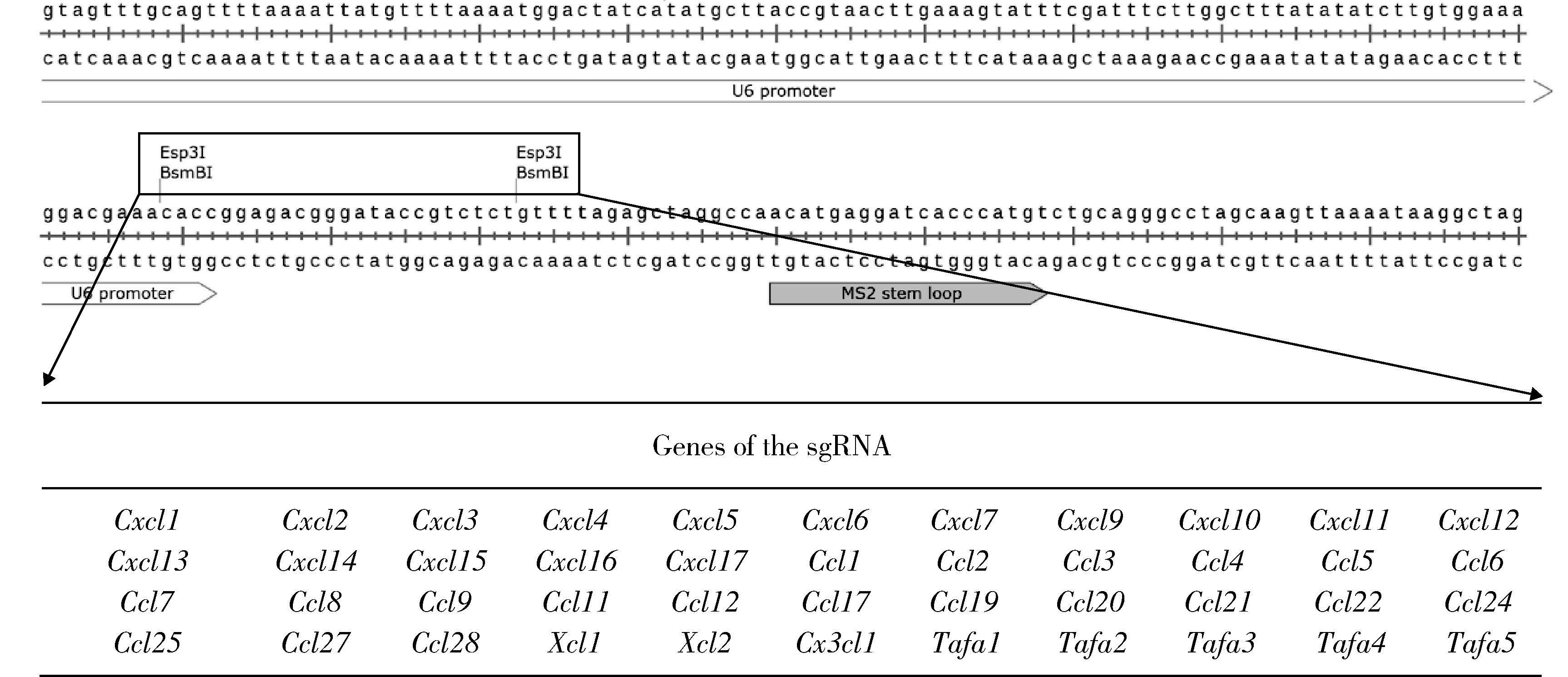
图2

sgRNAs插入位点及所插入趋化因子名称"

图3

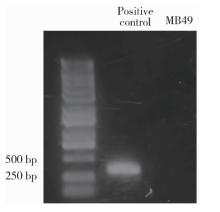
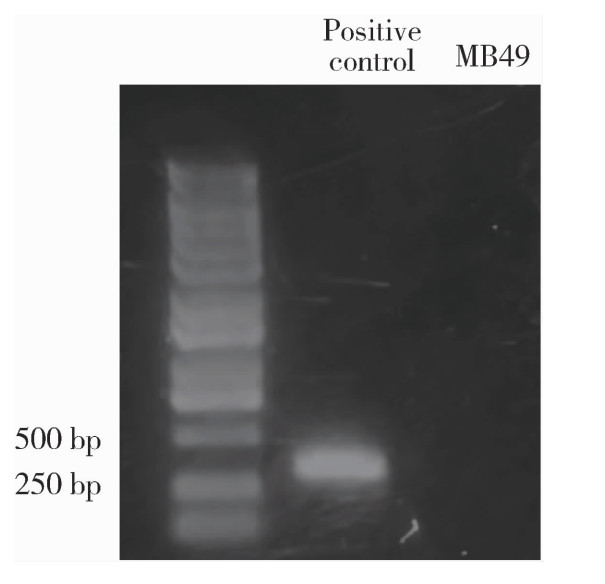
MB49细胞支原体检测结果"

图4

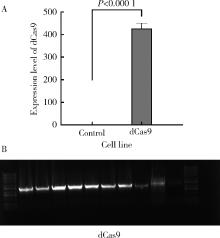
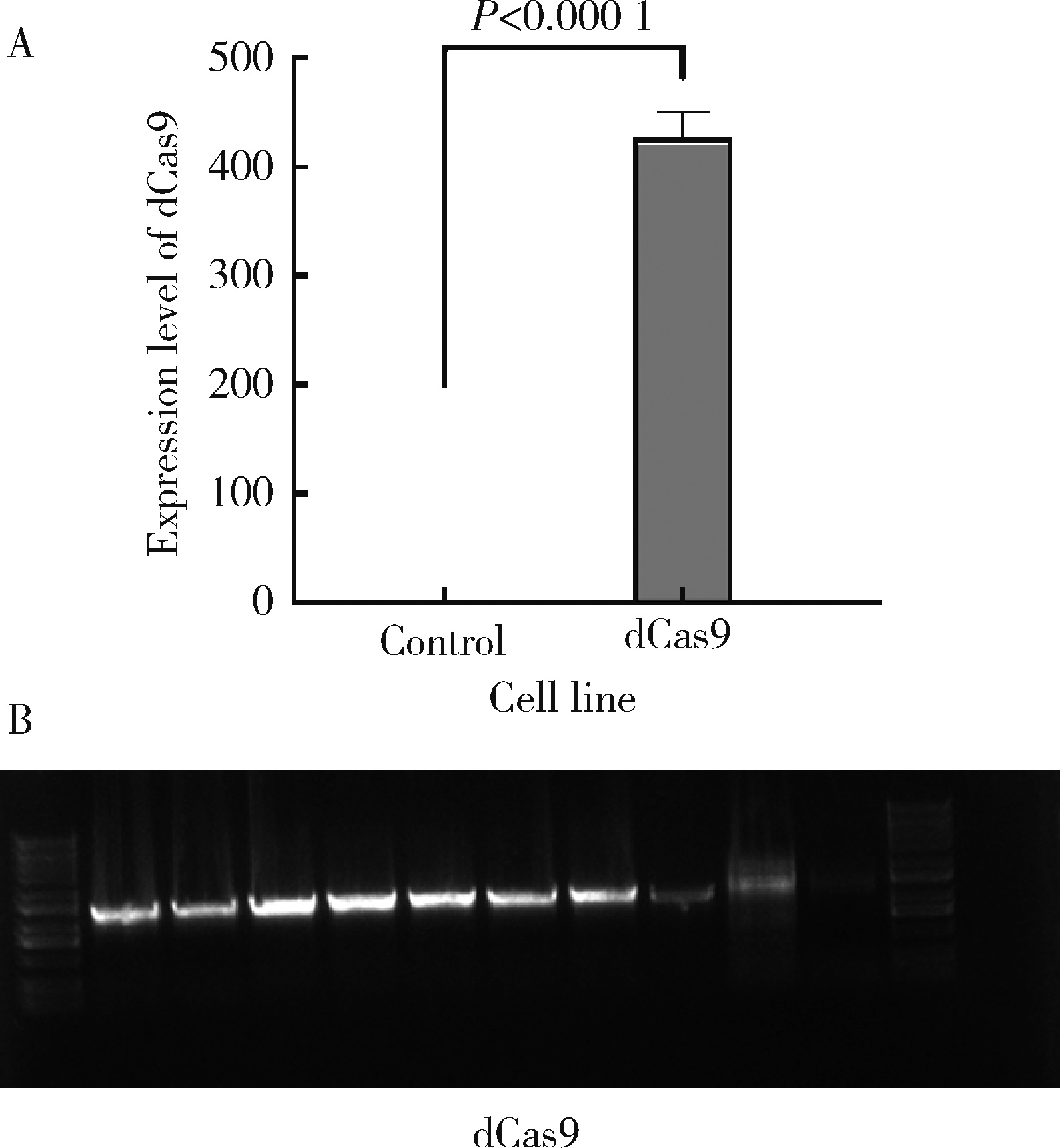
dCas9病毒转染效果及表达情况"

图5

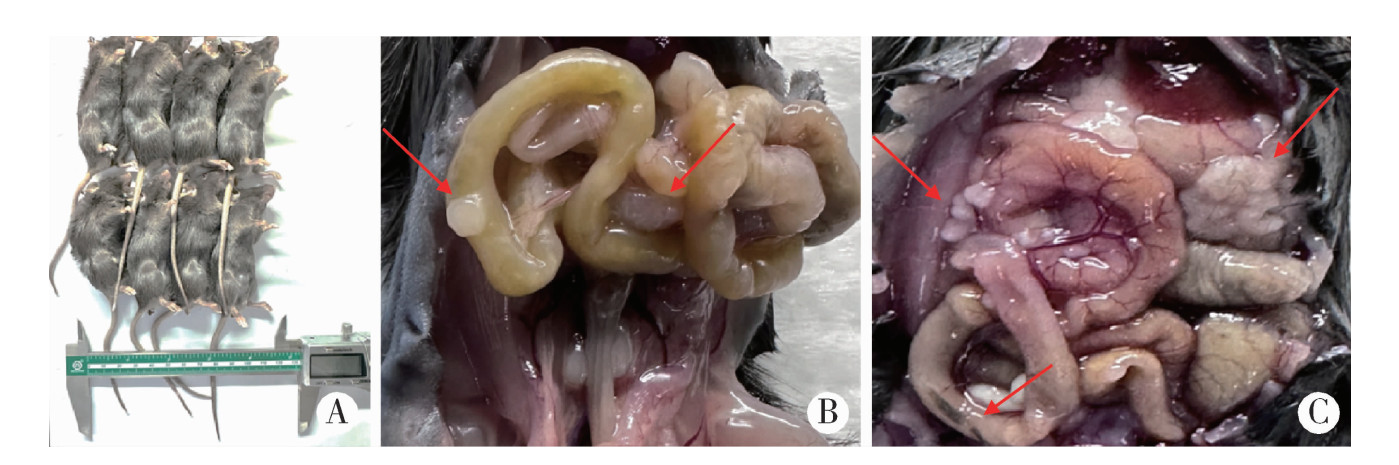
CRISPR筛选小鼠腹腔肿瘤结果"

图6

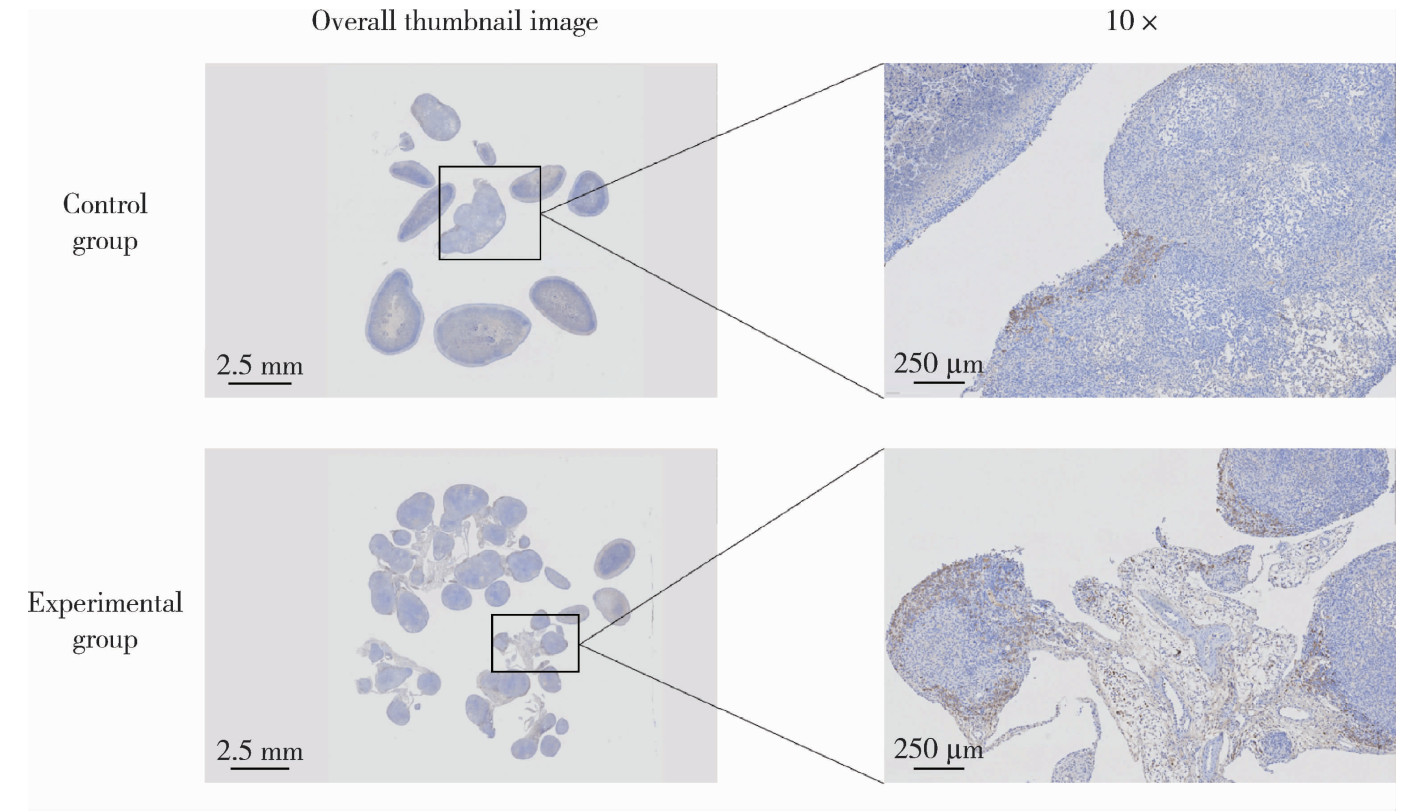
对照组与实验组CD20染色结果"

图7

对照组与实验组CD3染色结果"

图8

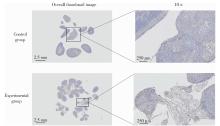
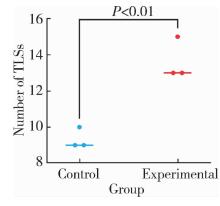
对照组与实验组TLS形成数量对比"

图9

CRISPR筛选结果火山图"

图10

CX3CL1处理后免疫组织化学结果"

1
Filho AM , Briganti A , Jemal A , et al. Bladder cancer incidence and mortality: A global overview and recent trends[J]. Eur Urol, 2026, 89 (5): 426- 436.

doi: 10.1016/j.eururo.2025.12.011
2
Olislagers M , de Jong FC , Rutten VC , et al. Molecular bio-markers of progression in non-muscle-invasive bladder cancer: Beyond conventional risk stratification[J]. Nat Rev Urol, 2025, 22 (2): 75- 91.

doi: 10.1038/s41585-024-00914-7
3
Jain P , Kathuria H , Momin M . Clinical therapies and nano drug delivery systems for urinary bladder cancer[J]. Pharmacol Ther, 2021, 226, 107871.

doi: 10.1016/j.pharmthera.2021.107871
4
Wang Y , He M , Li J , et al. Immunotherapeutic strategies for invasive bladder cancer: A comprehensive review[J]. Front Immunol, 2025, 16, 1591379.

doi: 10.3389/fimmu.2025.1591379
5
Michaud é , Mansure JJ , Kassouf W . Integrating novel immunotherapeutic approaches in organ-preserving therapies for bladder cancer[J]. Br J Pharmacol, 2026, 183 (6): 1215- 1232.

doi: 10.1111/bph.16300
6
Fan Z , Deng J , Wang Y , et al. Bladder cancer: Immunotherapy and pelvic lymph node dissection[J]. Vaccines, 2024, 12 (2): 150.

doi: 10.3390/vaccines12020150
7
Chen C , An M , Zheng H , et al. B cells disrupt tertiary lymphoid structure formation and suppress anti-tumor immunity[J]. Cancer Cell, 2026, 44 (3): 551- 566. e17.

doi: 10.1016/j.ccell.2025.12.011
8
Lin J , Jiang S , Chen B , et al. Tertiary lymphoid structures are linked to enhanced antitumor immunity and better prognosis in muscle-invasive bladder cancer[J]. Adv Sci, 2025, 12 (7): 2410998.

doi: 10.1002/advs.202410998
9
Bao X , Lin X , Xie M , et al. Mature tertiary lymphoid structures: Important contributors to anti-tumor immune efficacy[J]. Front Immunol, 2024, 15, 1413067.

doi: 10.3389/fimmu.2024.1413067
10
Amisaki M , Zebboudj A , Yano H , et al. IL-33-activated ILC2s induce tertiary lymphoid structures in pancreatic cancer[J]. Nature, 2025, 638 (8052): 1076- 1084.

doi: 10.1038/s41586-024-08426-5
11
Sautès-Fridman C , Lawand M , Giraldo NA , et al. Tertiary lym-phoid structures in cancers: Prognostic value, regulation, and manipulation for therapeutic intervention[J]. Front Immunol, 2016, 7, 407.
12
Shu WJ , Ma Z , Jia L , et al. miR-ON-CRISPR: A microRNA-activated CRISPR-dCas9 system for precise gene therapy in living cells and mouse models of sepsis[J]. Nucleic Acids Res, 2025, 53 (19): gkaf1037.

doi: 10.1093/nar/gkaf1037
13
Razavi Z , Soltani M , Souri M , et al. CRISPR innovations in tissue engineering and gene editing[J]. Life Sci, 2024, 358, 123120.

doi: 10.1016/j.lfs.2024.123120
14
Awwad SW , Serrano-Benitez A , Thomas JC , et al. Revolu-tionizing DNA repair research and cancer therapy with CRISPR-Cas screens[J]. Nat Rev Mol Cell Biol, 2023, 24 (7): 477- 494.

doi: 10.1038/s41580-022-00571-x
15
Wu Y , Wang Y , Wang Y , et al. Exploring synthetic lethality in cancer therapy: CRISPR-Cas9 technology offers new hope[J]. Biochim Biophys Acta BBA Rev Cancer, 2025, 1880 (4): 189370.

doi: 10.1016/j.bbcan.2025.189370
16
Santinha AJ , Strano A , Platt RJ . Methods and applications of in vivo CRISPR screening[J]. Nat Rev Genet, 2025, 26 (10): 702- 718.

doi: 10.1038/s41576-025-00873-8
17
Chen J , Wu Q , Berglund AE , et al. Tumor-associated macrophages in glioblastoma: Mechanisms of tumor progression and therapeutic strategies[J]. Cells, 2025, 14 (18): 1458.

doi: 10.3390/cells14181458
18
Seitz S , Dreyer TF , Stange C , et al. The chemokine CX3CL1 promotes intraperitoneal tumour growth despite enhanced T-cell recruitment in ovarian cancer[J]. Neoplasia, 2025, 60, 101130.

doi: 10.1016/j.neo.2025.101130
19
Eain HS , Kawai H , Nakayama M , et al. Double-faced CX3CL1 enhances lymphangiogenesis-dependent metastasis in an aggressive subclone of oral squamous cell carcinoma[J]. JCI Insight, 2024, 9 (10): e174618.

doi: 10.1172/jci.insight.174618
20
Dreyer TF , Kuhn S , Stange C , et al. The chemokine CX3CL1 improves trastuzumab efficacy in HER2 low-expressing cancer in vitro and in vivo[J]. Cancer Immunol Res, 2021, 9 (7): 779- 789.

doi: 10.1158/2326-6066.CIR-20-0327
21
Adib E , Nassar AH , Akl EW , et al. CDKN2A alterations and response to immunotherapy in solid tumors[J]. Clin Cancer Res, 2021, 27 (14): 4025- 4035.

doi: 10.1158/1078-0432.CCR-21-0575
22
Astorri E , Scrivo R , Bombardieri M , et al. CX3CL1 and CX3CR1 expression in tertiary lymphoid structures in salivary gland infiltrates: Fractalkine contribution to lymphoid neogenesis in Sjogren' s syndrome[J]. Rheumatology (Oxford), 2014, 53 (4): 611- 620.

doi: 10.1093/rheumatology/ket401
23
Babendreyer A , Molls L , Dreymueller D , et al. Shear stress counteracts endothelial CX3CL1 induction and monocytic cell adhesion[J]. Mediat Inflamm, 2017, 2017, 1515389.
[1] 郑光玮, 彭云, 杜依青, 徐涛. 基于TCGA数据库的ERBB2在膀胱尿路上皮癌中的表达特征及临床意义[J]. 北京大学学报(医学版), 2026, 58(4): 818-826.
[2] 缪祺, 洪保安, 张学舟, 孙志鹏, 王维, 王宇轩, 薄予轩, 赵佳晖, 张宁. 膀胱癌合并冠心病患者行经尿道膀胱肿瘤切除术围手术期抗血小板药物管理[J]. 北京大学学报(医学版), 2025, 57(4): 698-703.
[3] 欧俊永,倪坤明,马潞林,王国良,颜野,杨斌,李庚午,宋昊东,陆敏,叶剑飞,张树栋. 肌层浸润性膀胱癌合并中高危前列腺癌患者的预后因素[J]. 北京大学学报(医学版), 2024, 56(4): 582-588.
[4] 王田,洪欣,王晓峰. 等离子针状电极在经尿道近输尿管口膀胱肿瘤切除术中的临床应用(附16例报道)[J]. 北京大学学报(医学版), 2020, 52(4): 632-636.
[5] 邱敏,徐楚潇,王滨帅,颜野,邓绍晖,肖春雷,刘承,卢剑,田晓军,马潞林. 窄带成像与白光在经尿道膀胱肿瘤切除术中的自身对照分析[J]. 北京大学学报(医学版), 2020, 52(4): 697-700.
[6] 赵世明,杨铁军,许春苗,郭孝峰,马永康,陈学军,李祥,何朝宏. 3.0T磁共振成像在接受过经尿道膀胱肿瘤切除术膀胱癌中诊断肌层浸润的应用[J]. 北京大学学报(医学版), 2020, 52(4): 701-704.
[7] 黄厚锋,张玉石,范欣荣,严维刚,纪志刚,李汉忠. 膀胱平滑肌瘤临床特点分析[J]. 北京大学学报(医学版), 2019, 51(2): 372-373.
[8] 周建华,王地,王焕瑞,侯晓利,郁卫东,许克新,胡浩. γδT细胞对膀胱癌细胞的细胞毒活性及MICA/B蛋白在膀胱癌中的表达[J]. 北京大学学报(医学版), 2018, 50(4): 595-601.
[9] 王焕瑞,张维宇,刘献辉,胡浩,张晓鹏,许克新. 大部分膀胱切除生物补片膀胱扩大术在高龄浸润性膀胱癌患者中的应用[J]. 北京大学学报(医学版), 2018, 50(4): 626-629.
[10] 林天歆. 膀胱癌的淋巴结清扫范围[J]. 北京大学学报(医学版), 2017, 49(4): 565-568.
[11] 郝瀚,苏晓鸿,郑卫,葛鹏,何群,沈棋,杨新宇,张争,李学松,林健,周利群. 非肌层浸润性膀胱癌行膀胱根治性切除[J]. 北京大学学报(医学版), 2016, 48(4): 627-631.
[12] 刘余庆, 卢剑, 赵磊, 侯小飞, 马潞林. 肾移植受者上尿路尿路上皮癌术后膀胱复发的预后因素[J]. 北京大学学报(医学版), 2015, 47(4): 605-610.
[13] 郝瀚, 吴鑫, 郑卫, 虞巍, 范宇, 何群, 李学松, 周利群. 膀胱尿路上皮癌淋巴结转移特点:单中心522例膀胱根治性切除病例回顾[J]. 北京大学学报(医学版), 2014, 46(4): 524-527.
[14] 张治草,黄毅,王秀杰,王猛,马潞林. 膀胱尿路上皮癌患者血液中微小RNA的表达[J]. 北京大学学报(医学版), 2013, 45(4): 532-.
[15] 沈棋,孙莉华,王静华,刘漓波,何群,金杰. 32例肾源性腺瘤临床病理特点及免疫组织化学染色分析[J]. 北京大学学报(医学版), 2013, 45(4): 522-.
Viewed
Full text


Abstract

Cited

  Shared   
  Discussed   
No Suggested Reading articles found!