北京大学学报(医学版) ›› 2026, Vol. 58 ›› Issue (4): 865-871. doi: 10.19723/j.issn.1671-167X.2026.04.026

• 疑难/罕见病例分析 • 上一篇    下一篇

晚期透明细胞肾细胞癌患者接受贝莫苏拜单抗联合安罗替尼治疗获得长期生存1例

田惠春1,*, 张佳冉2,*, 李娟1,*()   

  1. 1. 北京大学肿瘤医院暨北京市肿瘤防治研究所泌尿肿瘤内科,恶性肿瘤发病机制及转化研究教育部重点实验室,北京 100142
    2. 北京大学第三医院肿瘤化疗与放射病科,北京 100191
  • 收稿日期:2026-02-28 出版日期:2026-08-18 发布日期:2026-05-19
  • 通讯作者: 李娟
  • 作者简介:

    *These authors contributed equally to this work

  • 基金资助:
    CAPTRA-STAR科研基金项目(KY202502055)

Long-term survival achieved with benmelstobart plus anlotinib in a patient with advanced clear cell renal cell carcinoma: A case report

Huichun TIAN1, Jiaran ZHANG2, Juan LI1,*()   

  1. 1. Department of Genitourinary Oncology, Peking University Cancer Hospital & Institute; Key Laboratory of Carcinogenesis and Translational Research (Ministry of Education), Beijing 100142, China
    2. Department of Medical Oncology and Radiation Sickness, Peking University Third Hospital, Beijing 100191, China
  • Received:2026-02-28 Online:2026-08-18 Published:2026-05-19
  • Contact: Juan LI
  • Supported by:
    the CAPTRA-STAR Research Foundation(KY202502055)

RICH HTML


摘要:

透明细胞肾细胞癌(clear cell renal cell carcinoma,ccRCC)是肾细胞癌最常见的病理类型,国际转移性肾癌数据库联盟(International Metastatic Renal Cell Carcinoma Database Consortium,IMDC)中高危患者,尤其伴多器官转移者预后较差。本文报道1例IMDC高危晚期ccRCC患者,男性,65岁,行右肾癌根治术后短期内出现肺、肝及骨多发转移,伴贫血、中性粒细胞及血小板升高,IMDC评分5分。患者接受贝莫苏拜单抗联合安罗替尼一线治疗,治疗6周后影像学评估即达到部分缓解(partial response,PR),后续多次复查持续维持PR,肿瘤总体缩小约48%,临床症状明显改善。治疗过程中患者出现进行性蛋白尿,经安罗替尼逐步减量后仍反复出现,最终停用靶向治疗后蛋白尿明显缓解。停用安罗替尼后患者继续接受贝莫苏拜单抗单药维持治疗,疾病持续维持深度缓解。治疗约3年后患者出现血肌酐升高,最高达228 μmol/L,综合考虑肾损伤及疾病稳定状态后停用免疫治疗。此后未再接受抗肿瘤治疗,直至2024年9月疾病进展并死亡,总生存期达44个月。本病例提示,在IMDC高危晚期ccRCC患者中,贝莫苏拜单抗联合安罗替尼可实现快速且持久的抗肿瘤效应,对联合治疗敏感的患者,在发生不可耐受不良反应时停用酪氨酸激酶抑制剂(tyrosine kinase inhibitors,TKIs),并转为免疫单药维持治疗,仍可能获得长期疾病控制,其机制可能与抗血管生成治疗诱导的肿瘤免疫微环境重塑及免疫记忆效应有关。本病例同时提示,在靶向联合免疫治疗过程中应重视肾毒性监测,并进行个体化治疗调整。

关键词: 肾透明细胞癌, 免疫治疗, 靶向治疗

Abstract:

Clear cell renal cell carcinoma (ccRCC) is the most common histological subtype of renal cell carcinoma. Patients classified as intermediate- or poor-risk according to the International Metastatic Renal Cell Carcinoma Database Consortium (IMDC), particularly those with multiple organ metastases, generally have an unfavorable prognosis. Here, we report a case of advanced ccRCC in an IMDC poor-risk patient who achieved an unexpectedly prolonged survival with combination therapy followed by maintenance immunotherapy. A 65-year-old male developed multiple metastases involving the lungs, liver, and bone shortly after undergoing radical nephrectomy for right-sided renal cancer. Laboratory findings revealed anemia, neutrophilia, and thrombocytosis, and the IMDC score was 5, indicating poor-risk disease. The patient received first-line treatment with the programmed death-ligand 1 (PD-L1) inhibitor benmelstobart in combination with the multi-target tyrosine kinase inhibitors (TKIs) anlotinib. After 6 weeks of therapy, radiological evaluation demonstrated a partial response (PR), with an overall tumor reduction of approximately 48%. Subsequent imaging assessments confirmed a durable PR, accompanied by significant improvement in clinical symptoms and performance status. During treatment, the patient developed progressive proteinuria, with a maximum 24-hour urinary protein level of 5.18 g. Despite stepwise dose reduction of anlotinib, proteinuria recurred, necessitating discontinuation of the TKIs. Following cessation of anlotinib, the patient continued benmelstobart monotherapy as maintenance therapy and maintained sustained deep remission. After approximately 3 years of treatment, serum creatinine levels gradually increased, reaching a peak of 228 μmol/L. Considering the possibility of treatment-related renal toxicity and the durable disease control achieved, immunotherapy was subsequently discontinued. No further antitumor treatment was administered. The patient eventually experienced disease progression and died in September 2024, with an overall survival of 44 months. This case suggests that the combination of benmelstobart and anlotinib can induce rapid and durable antitumor responses in patients with IMDC poor-risk advanced ccRCC. Notably, in patients who respond well to combination therapy, discontinuation of TKIs due to intolerable adverse events followed by maintenance immunotherapy may still provide long-term disease control. This sustained benefit may be associated with tumor microenvironment remodeling and the establishment of immunological memory induced by anti-angiogenic therapy. Furthermore, this case highlights the importance of vigilant monitoring of renal toxicity and individualized treatment adjustment during combined targeted therapy and immunotherapy.

Key words: Clear cell renal cell carcinoma, Immunotherapy, Targeted therapy

中图分类号: 

  • R737.11

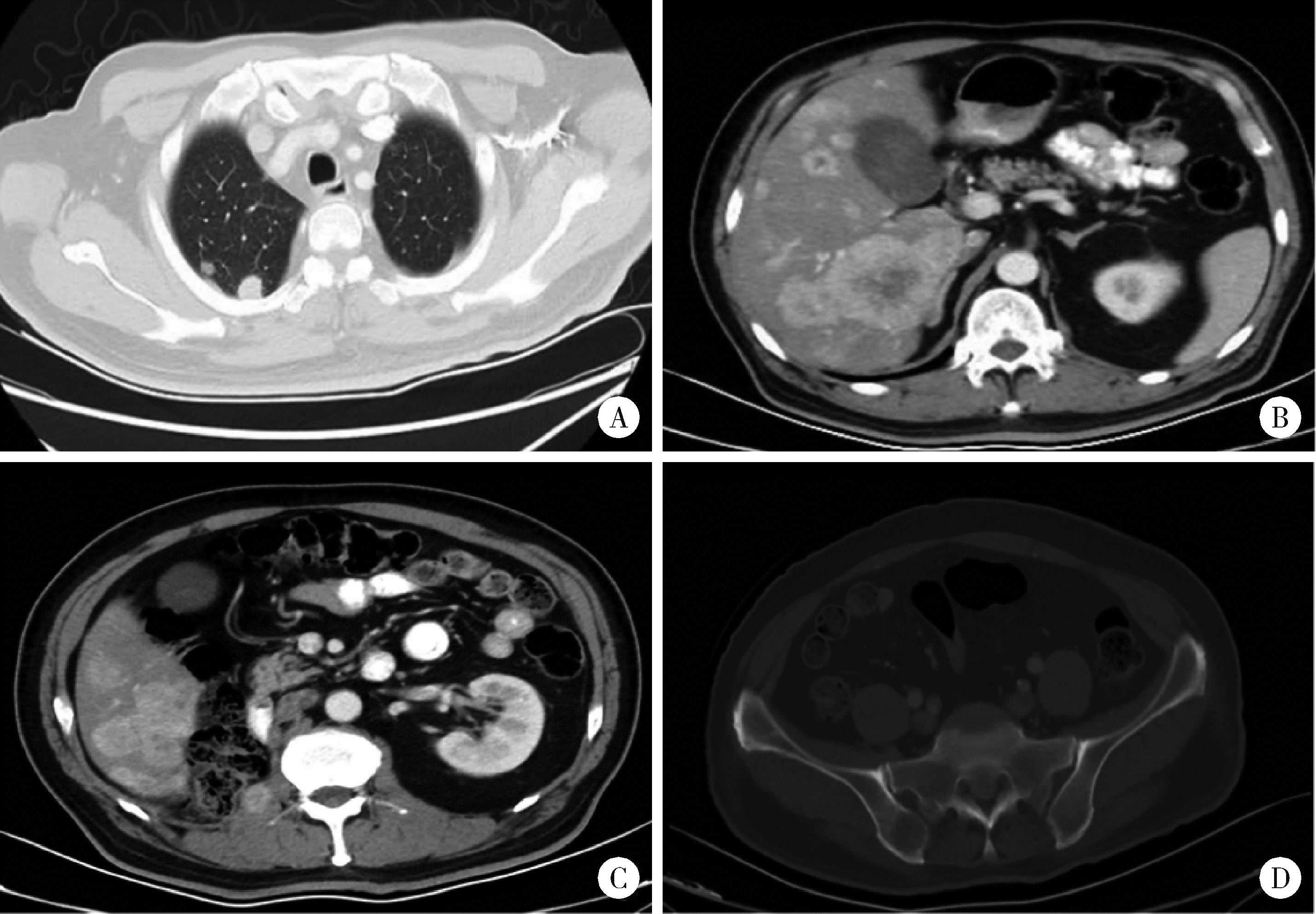
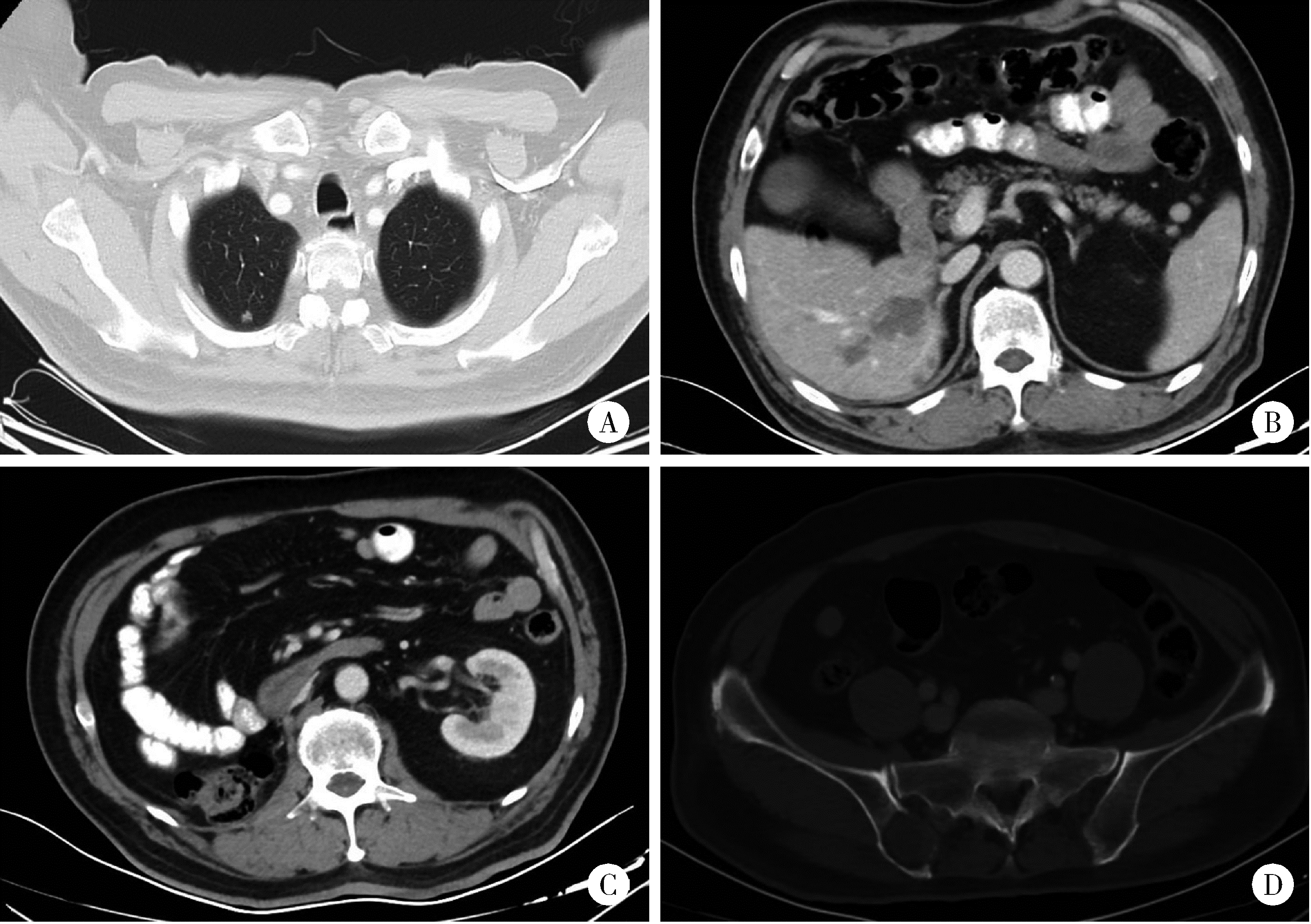
图1

治疗前基线胸部及腹盆CT"

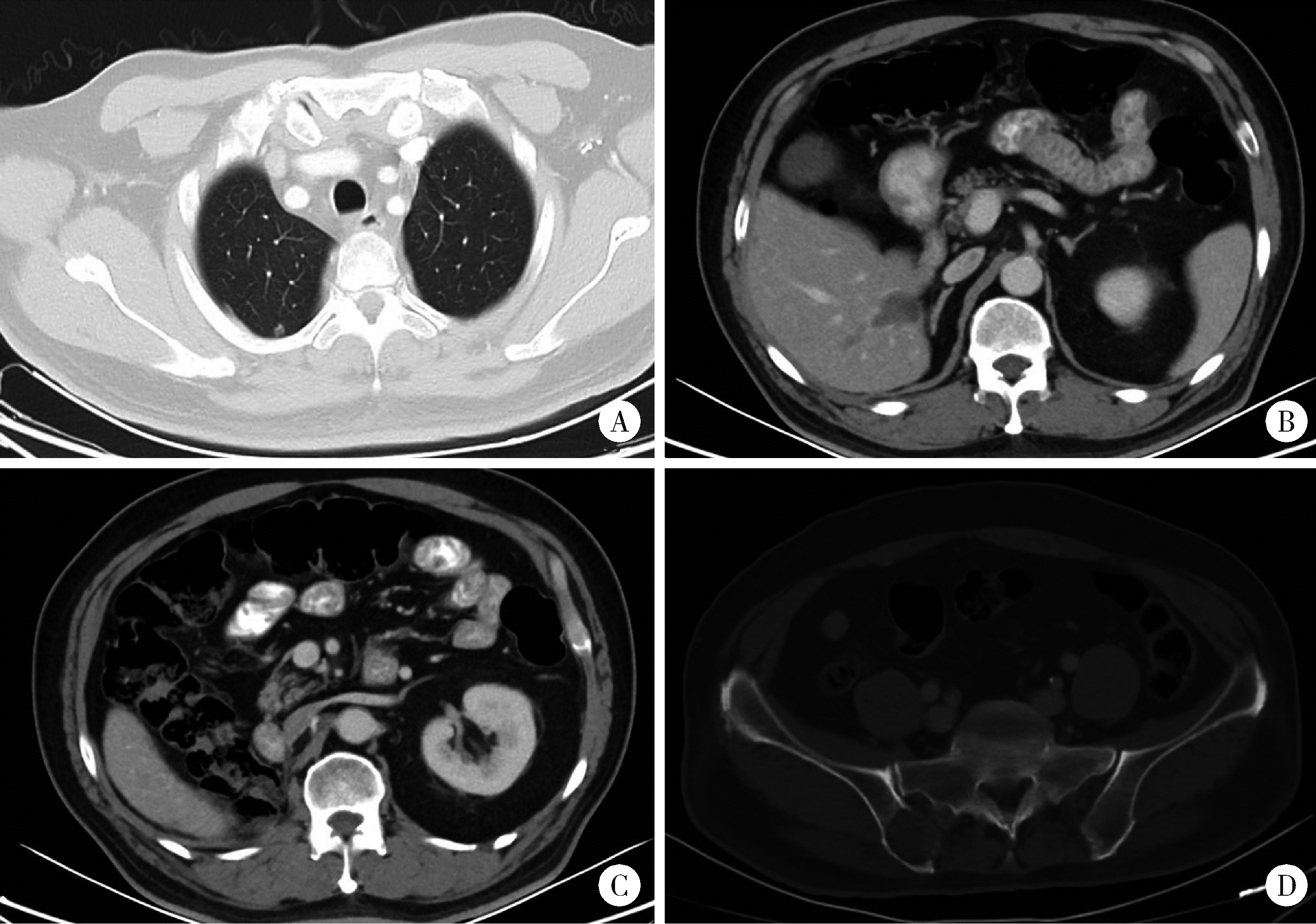
图2

治疗6周后胸部及腹盆CT"

图3

治疗12周后复查胸部及腹盆CT"

图4

治疗24周后复查胸部及腹盆CT"

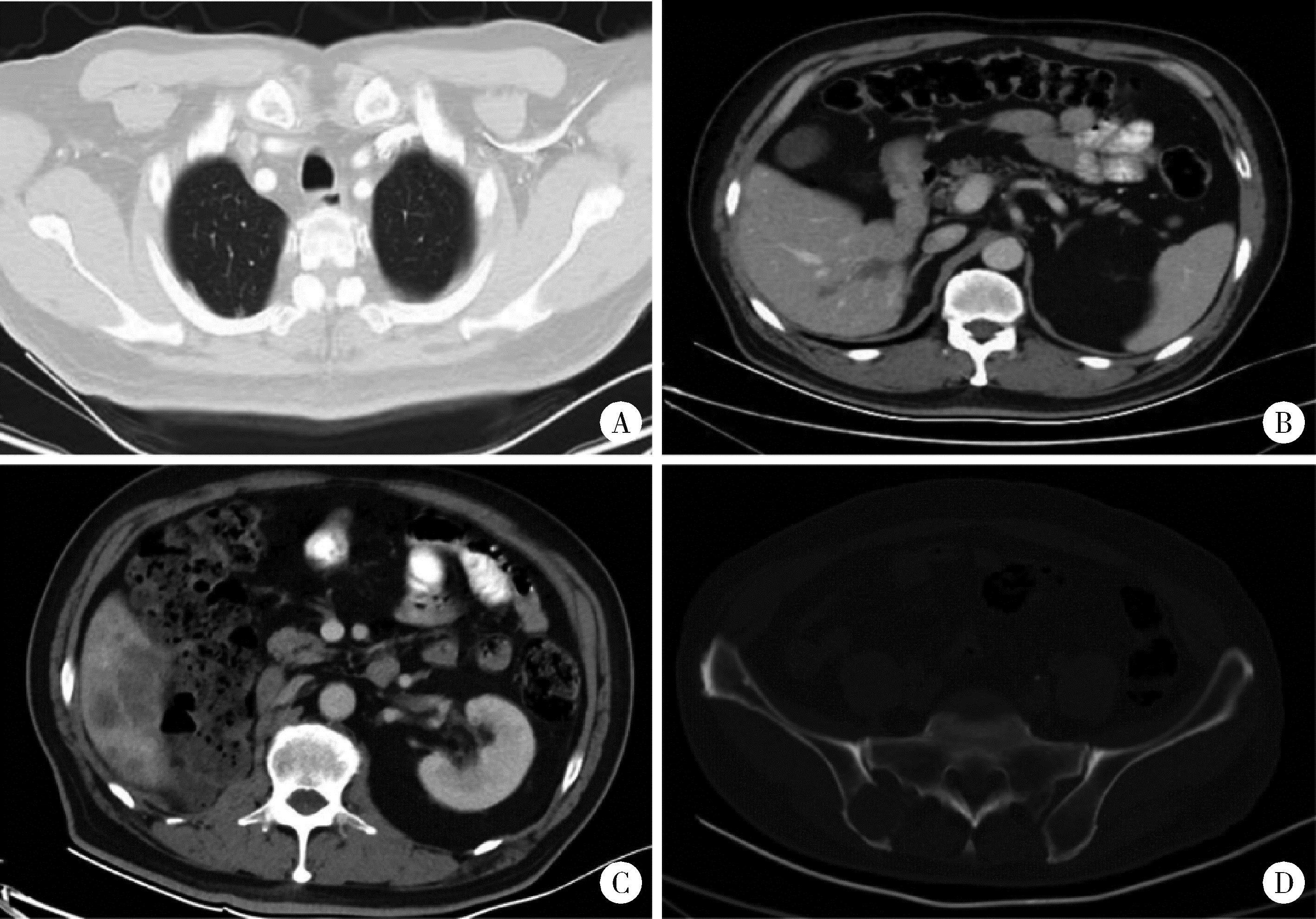
图5

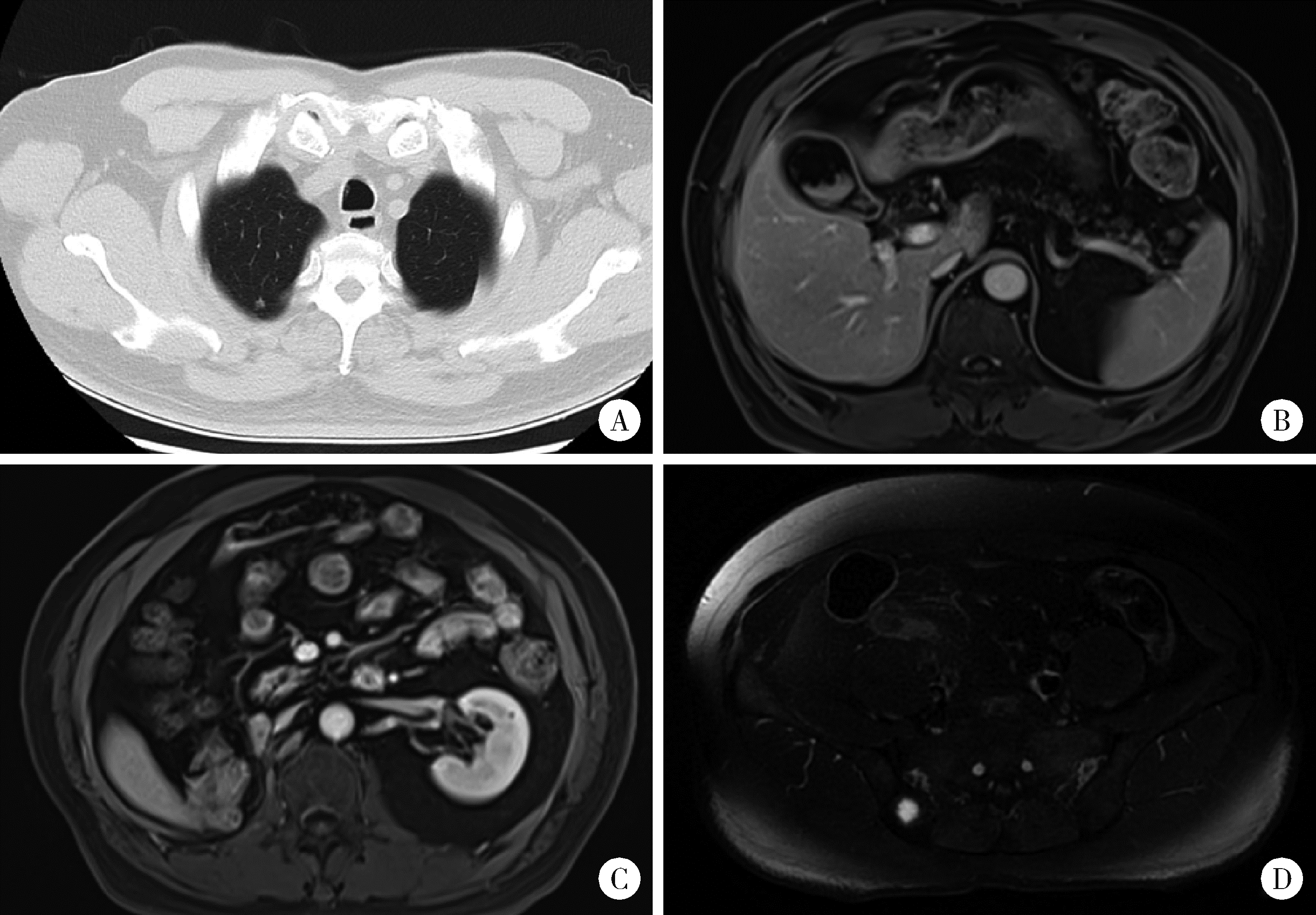
2023年10月末次复查胸部CT及腹盆磁共振成像,维持PR状态"

1
Larcher A , Campi R , Bex A , et al. Epidemiology of renal cancer: Incidence, mortality, survival, genetic predisposition, and risk factors[J]. Eur Urol, 2025, 88 (4): 341- 358.

doi: 10.1016/j.eururo.2025.06.005
2
Rose TL , Kim WY . Renal cell carcinoma: A review[J]. JAMA, 2024, 332 (12): 1001.

doi: 10.1001/jama.2024.12848
3
Barragan-Carrillo R , Saad E , Saliby RM , et al. First and second-line treatments in metastatic renal cell carcinoma[J]. Eur Urol, 2025, 87 (2): 143- 154.

doi: 10.1016/j.eururo.2024.10.019
4
Rini BI , Plimack ER , Stus V , et al. Pembrolizumab plus axitinib versus sunitinib for advanced clear cell renal cell carcinoma: 5-year survival and biomarker analyses of the phase 3 KEYNOTE-426 trial[J]. Nat Med, 2025, 31 (10): 3475- 3484.

doi: 10.1038/s41591-025-03867-5
5
Motzer RJ , Escudier B , Burotto M , et al. Final analysis of nivolumab plus cabozantinib for advanced renal cell carcinoma from the randomized phase Ⅲ CheckMate 9ER trial[J]. Ann Oncol, 2026, 37 (1): 33- 43.

doi: 10.1016/j.annonc.2025.09.006
6
Motzer R , Alekseev B , Rha SY , et al. Lenvatinib plus pembro-lizumab or everolimus for advanced renal cell carcinoma[J]. N Engl J Med, 2021, 384 (14): 1289- 1300.

doi: 10.1056/NEJMoa2035716
7
Yan XQ , Ye MJ , Zou Q , et al. Toripalimab plus axitinib versus sunitinib as first-line treatment for advanced renal cell carcinoma: RENOTORCH, a randomized, open-label, phase Ⅲ study[J]. Ann Oncol, 2024, 35 (2): 190- 199.

doi: 10.1016/j.annonc.2023.09.3108
8
Zhou A , Shen P , Li J , et al. First-line benmelstobart plus anlotinib versus sunitinib in advanced renal cell carcinoma (ETER100): A multicentre, randomised, open-label, phase 3 trial[J]. Lancet Oncol, 2025, 26 (9): 1145- 1157.

doi: 10.1016/S1470-2045(25)00343-2
9
Apte RS , Chen DS , Ferrara N . VEGF in signaling and disease: Beyond discovery and development[J]. Cell, 2019, 176 (6): 1248- 1264.

doi: 10.1016/j.cell.2019.01.021
10
Tang H , Wang Y , Chlewicki LK , et al. Facilitating T cell infiltration in tumor microenvironment overcomes resistance to PD-L1 blockade[J]. Cancer Cell, 2016, 30 (3): 500.

doi: 10.1016/j.ccell.2016.08.011
11
Wallin JJ , Bendell JC , Funke R , et al. Atezolizumab in combination with bevacizumab enhances antigen-specific T-cell migration in metastatic renal cell carcinoma[J]. Nat Commun, 2016, 7, 12624.

doi: 10.1038/ncomms12624
12
Dirkx AEM , Egbrink MGAO , Castermans K , et al. Anti-angiogenesis therapy can overcome endothelial cell anergy and promote leukocyte-endothelium interactions and infiltration in tumors[J]. FASEB J, 2006, 20 (6): 621- 630.

doi: 10.1096/fj.05-4493com
13
Burgers FH , van der Mijn JCK , Seijkens TTP , et al. Immunological features of clear-cell renal-cell carcinoma and resistance to immune checkpoint inhibitors[J]. Nat Rev Nephrol, 2025, 21 (10): 687- 701.

doi: 10.1038/s41581-025-00983-w
14
Yi M , Jiao D , Qin S , et al. Synergistic effect of immune checkpoint blockade and anti-angiogenesis in cancer treatment[J]. Mol Cancer, 2019, 18 (1): 60.

doi: 10.1186/s12943-019-0974-6
15
Motzer RJ , Powles T , Atkins MB , et al. Final overall survival and molecular analysis in IMmotion151, a phase 3 trial comparing atezolizumab plus bevacizumab vs sunitinib in patients with previously untreated metastatic renal cell carcinoma[J]. JAMA Oncol, 2022, 8 (2): 275.

doi: 10.1001/jamaoncol.2021.5981
16
Choueiri TK , Penkov K , Uemura H , et al. Avelumab + axitinib versus sunitinib as first-line treatment for patients with advanced renal cell carcinoma: Final analysis of the phase Ⅲ JAVELIN Renal 101 trial[J]. Ann Oncol, 2025, 36 (4): 387- 392.

doi: 10.1016/j.annonc.2024.12.008
17
Pal SK , Albiges L , Tomczak P , et al. Atezolizumab plus cabozantinib versus cabozantinib monotherapy for patients with renal cell carcinoma after progression with previous immune checkpoint inhibitor treatment (CONTACT-03): A multicentre, randomised, open-label, phase 3 trial[J]. Lancet, 2023, 402 (10397): 185- 195.

doi: 10.1016/S0140-6736(23)00922-4
18
Tian R , Liang J , Li R , et al. Acute kidney injury induced by immune checkpoint inhibitors[J]. Kidney Dis, 2022, 8 (3): 190- 201.

doi: 10.1159/000520798
19
Sorah JD , Rose TL , Radhakrishna R , et al. Incidence and prediction of immune checkpoint inhibitor-related nephrotoxicity[J]. J Immunother, 2021, 44 (3): 127- 131.

doi: 10.1097/CJI.0000000000000338
20
中华医学会泌尿外科学分会肾癌研究协作组, 马鑫, 张旭. 肾癌免疫治疗中国专家共识[J]. 微创泌尿外科杂志, 2025, 14 (2): 73- 83.
21
Iacovelli R , Ciccarese C , Buti S , et al. Avelumab plus inter-mittent axitinib in previously untreated patients with metastatic renal cell carcinoma[J]. Eur Urol, The tide-a phase 2 study 2024, 86 (5): 411- 419.

doi: 10.1016/j.eururo.2024.02.014
[1] 殷昊明, 王子杰, 舒帆, 张展奕, 梁会, 张树栋. 肾透明细胞癌FABP6基因长转录本的表达及意义[J]. 北京大学学报(医学版), 2026, 58(2): 393-398.
[2] 付浩, 申潞艳, 黄冰洋, 马少华. 免疫治疗背景下食管鳞状细胞癌围手术期治疗的临床思考[J]. 北京大学学报(医学版), 2026, 58(2): 266-271.
[3] 梁学军, 张凤霞, 靳婷, 祝静静. 长效重组人白介素2药物的生物学活性和抑瘤作用[J]. 北京大学学报(医学版), 2025, 57(2): 253-261.
[4] 刘家骏, 刘国康, 朱玉虎. 免疫相关性重症肺炎1例[J]. 北京大学学报(医学版), 2024, 56(5): 932-937.
[5] 黄教悌,胡菁,韩博. 治疗相关神经内分泌前列腺癌机制研究与靶向治疗新进展[J]. 北京大学学报(医学版), 2024, 56(4): 557-561.
[6] 刘耘充,吴宗龙,葛力源,杜坦,吴雅倩,宋一萌,刘承,马潞林. 肾透明细胞癌中核蛋白1对阿昔替尼耐药的作用及机制[J]. 北京大学学报(医学版), 2023, 55(5): 781-792.
[7] 左美妮,杜依青,于路平,戴翔,徐涛. 代谢综合征与肾透明细胞癌患者预后的相关性[J]. 北京大学学报(医学版), 2022, 54(4): 636-643.
[8] 蔡天玉,朱振鹏,徐纯如,吉星,吕同德,郭振可,林健. 成纤维细胞生长因子受体2在肾透明细胞癌中的表达及意义[J]. 北京大学学报(医学版), 2022, 54(4): 628-635.
[9] 姜妮,乔国梁,王小利,周心娜,周蕾,宋雨光,赵艳杰,任军. 中性粒细胞与淋巴细胞比例对评估接受过继性细胞免疫治疗的晚期胰腺癌患者预后的临床意义[J]. 北京大学学报(医学版), 2020, 52(3): 597-602.
[10] 尤柱,徐丽莉,李雪芬,张建运,杜菁,孙丽莎. 成釉细胞纤维瘤中BRAF突变基因的检测[J]. 北京大学学报(医学版), 2019, 51(1): 4-5.
[11] 刘静维, 卢戌, 杨照敏, 邓丽娟, 杨林. 负载NY-ESO-1多肽的树突状细胞激发特异性细胞毒性T淋巴细胞反应[J]. 北京大学学报(医学版), 2017, 49(5): 840-846.
Viewed
Full text


Abstract

Cited

  Shared   
  Discussed   
No Suggested Reading articles found!