北京大学学报(医学版) ›› 2026, Vol. 58 ›› Issue (3): 446-454. doi: 10.19723/j.issn.1671-167X.2026.03.002

• 论著 • 上一篇    下一篇

基于层次-K均值混合聚类法的中国人乳头瘤病毒疫苗双边国际合作优先程度评估

吴音格, 黄旸木*()   

  1. 北京大学公共卫生学院全球卫生学系, 北京 100191
  • 收稿日期:2025-10-16 出版日期:2026-06-18 发布日期:2026-04-28
  • 通讯作者: 黄旸木
  • 基金资助:
    国家自然科学基金与盖茨基金联合资助项目(72361127504-2023YFVA1003)

Evaluation of bilateral vaccine cooperation priority countries on Chinese human papillomavirus vaccine using hierarchical K-means hybrid clustering

Yinge WU, Yangmu HUANG*()   

  1. Department of Global Health, Peking University School of Public Health, Beijing 100191, China
  • Received:2025-10-16 Online:2026-06-18 Published:2026-04-28
  • Contact: Yangmu HUANG
  • Supported by:
    the National Natural Science Foundation of China and Gates Foundation Joint Project(72361127504-2023YFVA1003)

RICH HTML


摘要:

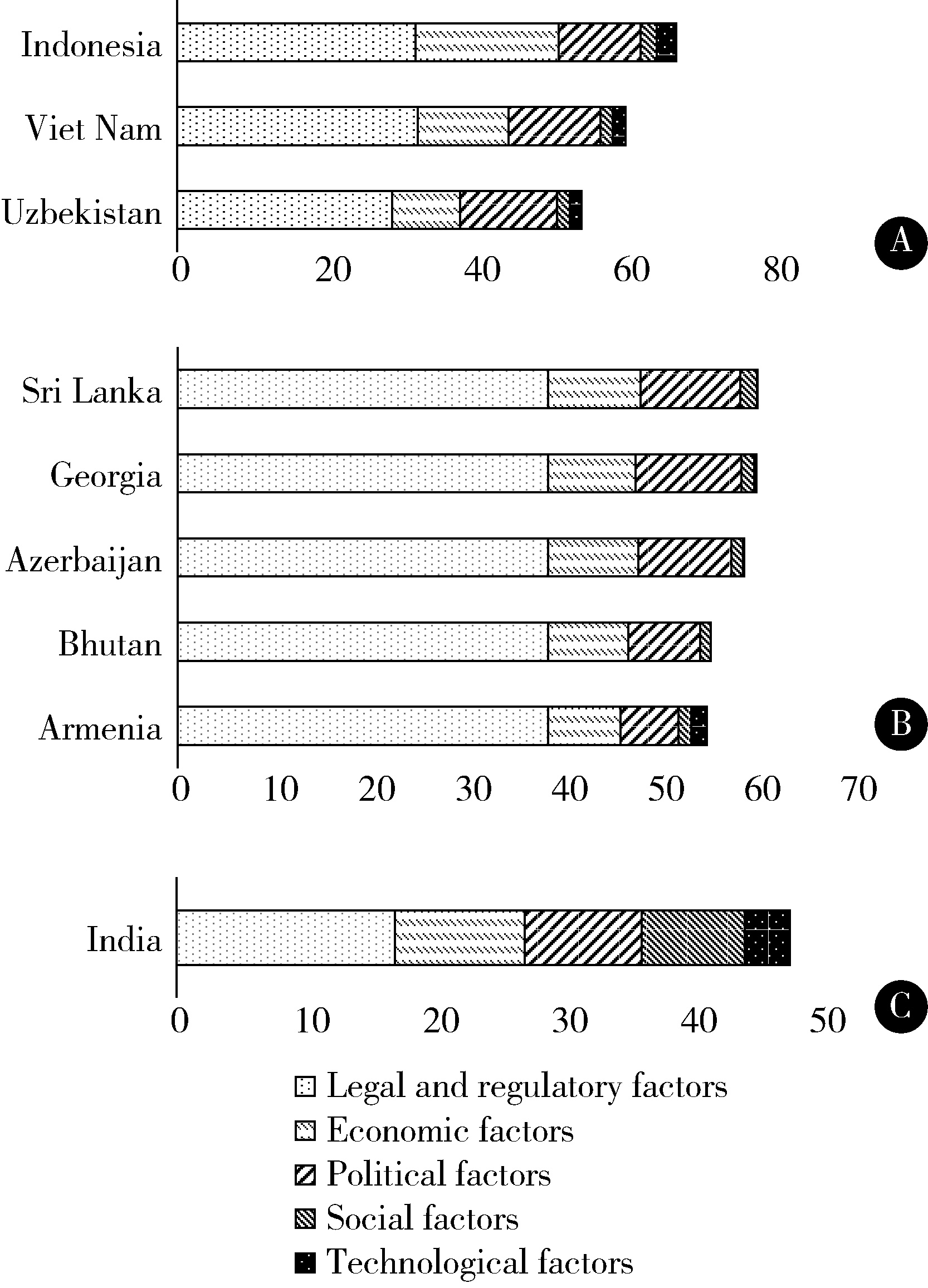
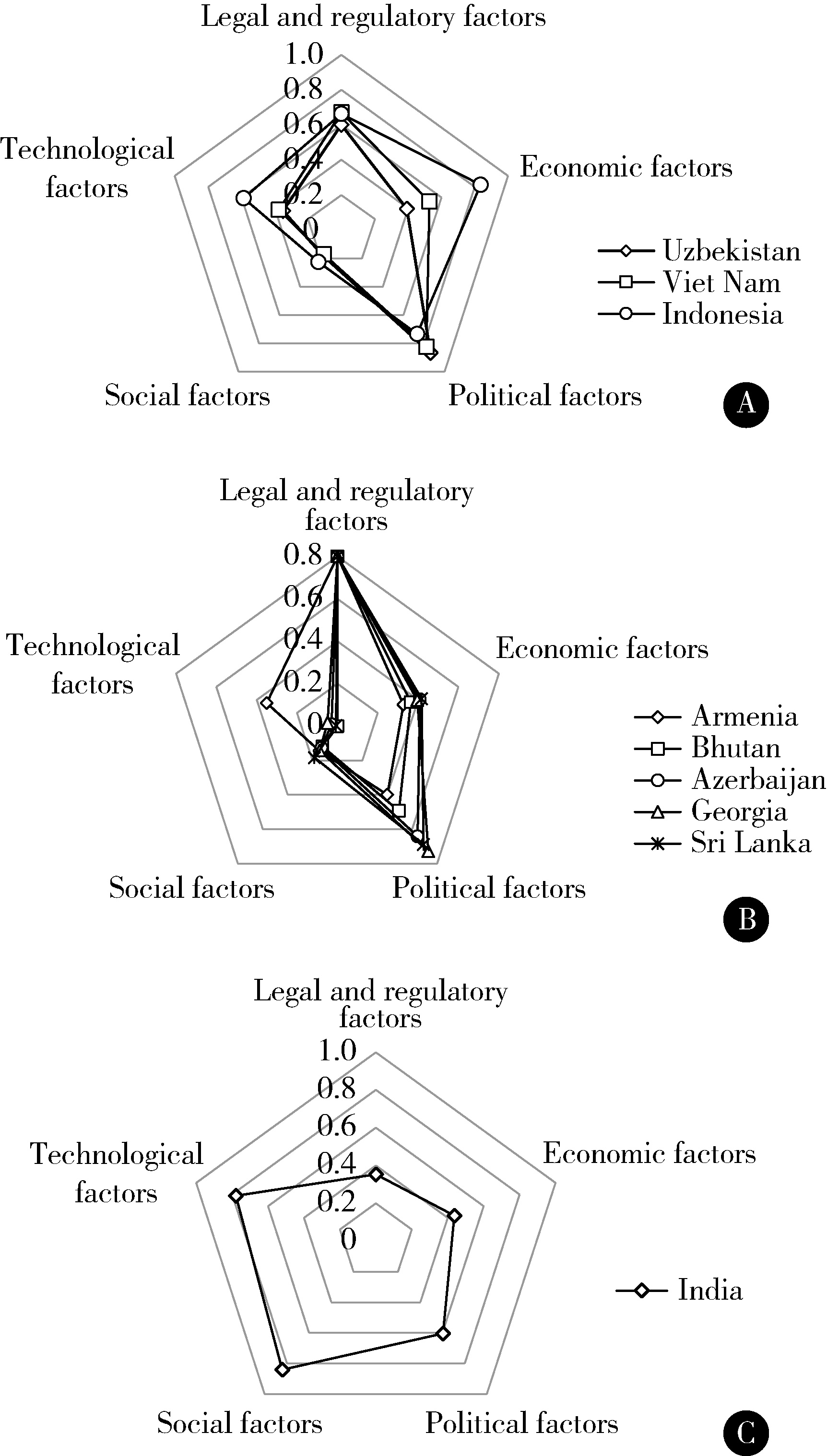
目的: 评估中国人乳头瘤病毒(human papillomavirus,HPV)疫苗双边国际合作中的优先国家及对应的合作方式,为优化中国的HPV疫苗合作策略提供参考与借鉴。方法: 借助已建立完成的中国国际疫苗合作优先国家筛选指标体系,使用加权评分法对处于全球疫苗免疫联盟第三、第四援助阶段29个国家的HPV疫苗合作优先程度进行评分和排序。基于一级指标得分情况运用层次聚类和K均值聚类结合的层次-K均值混合聚类法进行分析。结果: 评分排序中,排名前10的国家大多为亚洲国家,非洲国家排名较靠后。29个国家在HPV疫苗合作中可分为3个类别:技术转移优先型、基础援助型、高壁垒潜力型。技术转移优先型国家有3个,为印度尼西亚、越南和乌兹别克斯坦,该类别在经济、科技和政治因素上得分较高,有良好的支付能力和疫苗进口规模,具有一定的疫苗研发、生产能力,政治稳定性较强,推荐优先开展合作;基础援助型国家有25个,各因素得分接近平均水平,多为人口较少或低收入国家,适合通过援助和优惠采购开展合作;高壁垒潜力型国家有1个,为印度,其在社会因素和科技因素上得分较高,但法律及规章因素得分极低,提示HPV疫苗需求量大,具有成规模的疫苗产业基础,疫苗产品注册壁垒高,开展合作难度大。建议与印度尼西亚开展优惠价格成品出口、疫苗临床试验方面的合作,同时探索授权生产、技术转移的合作;与越南开展疫苗临床试验的合作;与乌兹别克斯坦开展授权生产、技术转移方面的合作。结论: 中国开展HPV疫苗双边国际合作的优先国家为印度尼西亚、越南和乌兹别克斯坦这类技术转移优先型国家,应以涵盖成品出口、临床试验、授权生产与技术转移的方式与其开展合作。

关键词: 国际合作, 人乳头瘤病毒疫苗, 聚类分析, 层次聚类, K均值聚类

Abstract:

Objective: To evaluate priority target countries and formulate context-specific cooperation modalities for China ' s bilateral international collaboration on human papillomavirus (HPV) vaccines, thereby furnishing an evidence-based reference for optimizing China ' s bilateral vaccine cooperation stra-tegies and contributing to global health equity. Methods: Using a previously established index system designed for selecting preferred countries in China ' s international vaccine cooperation, we comprehensively applied a weighted-scoring approach to quantitatively rank 29 Phases 3 and 4 Global Alliance for Vaccines and Immunization (Gavi) eligible countries in HPV vaccine cooperation. Based on 5 first-level index (legal and regulatory factors, economic factors, political factors, social factors, and technological factors) scores, a hierarchical K-means hybrid method was used for clustering the countries. Hierarchical clustering was initially utilized to explore the underlying data structure and determine the optimal number of clusters, followed by K-means clustering to precisely categorize the evaluated nations based on their multidimensional characteristics. Results: The top10 countries were mostly Asian countries. African countries were mostly in the lower ranks. The countries were clustered into three types: (1) Technology transfer priority (n=3: Indonesia, Viet Nam, Uzbekistan), characterized by above-average economic, techno-scientific and political scores, robust vaccine-import volumes, non-negligible domestic manufacturing capacity and high political stability—recommended for priority collaboration; (2) Basic assistance (n=25), approximating mean indicator values, typically low-population or low-income economies suitable for aid-based or concessional-procurement models; (3) High barrier (n=1: India), exhibiting high socio-demographic and scientific base yet minimal legal-regulatory scores, indicating large demand, established vaccine industry, but formidable registration barriers. Policy recommendations included: concessional product export plus clinical-trial cooperation with Indonesia, with prospective licensing and technology transfer; clinical-trial collaboration with Viet Nam; and licensing/technology-transfer schemes with Uzbekistan. Conclusion: Indonesia, Viet Nam, and Uzbekistan are identified as the priority target countries for China ' s bilateral international cooperation on HPV vaccines. For these technology-transfer priority nations, cooperation should be strategically conducted through diverse modalities encompassing vaccine product export, clinical trial collaboration, authorized licensing, and technology transfer.

Key words: International cooperation, Human papillomavirus vaccine, Cluster analysis, Hierarchical clustering, K-means clustering

中图分类号: 

  • R186

表1

中国疫苗国际合作优先国家筛选指标体系一级、二级指标及权重"

Primary indicators (weights) Secondary indicators (weights) Combined weights of secondary indicators
Legal and regulatory factors (0.48) Vaccine product registration (0.40) 0.192
Vaccine clinical trial approval (0.20) 0.096
Requirements for overseas vaccine enterprises (0.40) 0.192
Economic factors (0.23) Target country economic scale (0.23) 0.053
Target country vaccine import scale (0.67) 0.154
Target country economic system (0.10) 0.023
Political factors (0.15) Political stability and absence of violence (0.23) 0.035
Government effectiveness (0.12) 0.018
Public service capacity (0.23) 0.035
Bilateral diplomatic relations (0.42) 0.063
Social factors (0.095) Population size and growth rate (0.20) 0.019
Burden of vaccine-preventable diseases (0.60) 0.057
Health system evaluation (0.20) 0.019
Technological factors (0.045) Vaccine research and development capacity (0.67) 0.030
Vaccine manufacturing capacity (0.33) 0.015

表2

人乳头瘤病毒疫苗合作优先程度评分各一级指标得分及总分排序"

Countries Primary indicators Total score Rank
Legal and regulatory factors Economic factors Political factors Social factors Technological factors
Indonesia 31.87 19.18 11.00 2.14 2.64 66.83 1
Sri Lanka 38.40 9.60 10.36 1.74 0.03 60.13 2
Georgia 38.40 9.11 10.94 1.35 0.22 60.02 3
Viet Nam 32.19 12.14 12.37 1.63 1.69 60.02 4
Azerbaijan 38.40 9.41 9.64 1.20 0.13 58.78 5
Bhutan 38.40 8.37 7.40 1.13 0.00 55.30 6
Armenia 38.40 7.51 6.01 1.37 1.58 54.87 7
Moldova 38.40 8.94 6.26 0.95 0.06 54.61 8
Uzbekistan 28.80 9.04 12.99 1.71 1.58 54.12 9
Nigeria 41.47 2.21 8.17 1.76 0.00 53.61 10
Mongolia 28.80 9.57 12.13 1.60 0.07 52.17 11
Kenya 37.76 1.29 9.51 1.57 0.59 50.72 12
Lao PDR 28.80 8.76 11.47 1.12 0.06 50.21 13
Sao Tome and Principe 28.80 9.49 10.08 1.62 0.00 49.99 14
Bangladesh 34.56 2.39 9.44 1.71 1.36 49.46 15
Nicaragua 28.80 8.65 8.99 1.45 1.50 49.39 16
Djibouti 28.80 8.87 9.87 1.00 0.01 48.55 17
India 16.94 10.04 9.07 7.99 3.50 47.54 18
Papua New Guinea 28.80 7.49 9.41 1.06 0.01 46.77 19
Cuba 31.36 4.43 7.55 1.76 1.60 46.70 20
Angola 28.80 7.06 9.15 1.49 0.01 46.51 21
Côte d’Ivoire 28.80 6.61 8.39 1.37 1.05 46.22 22
Guyana 28.80 7.67 5.88 1.35 0.00 43.70 23
Honduras 28.80 7.78 4.72 1.49 0.40 43.19 24
Solomon Islands 28.80 1.84 10.80 1.56 0.00 43.00 25
Bolivia 28.80 3.66 9.07 1.33 0.00 42.86 26
Timor-Leste 28.80 2.13 10.59 1.26 0.00 42.78 27
Ghana 28.03 1.93 9.59 1.57 0.19 41.31 28
Kiribati 28.80 0.64 6.46 1.32 0.00 37.22 29

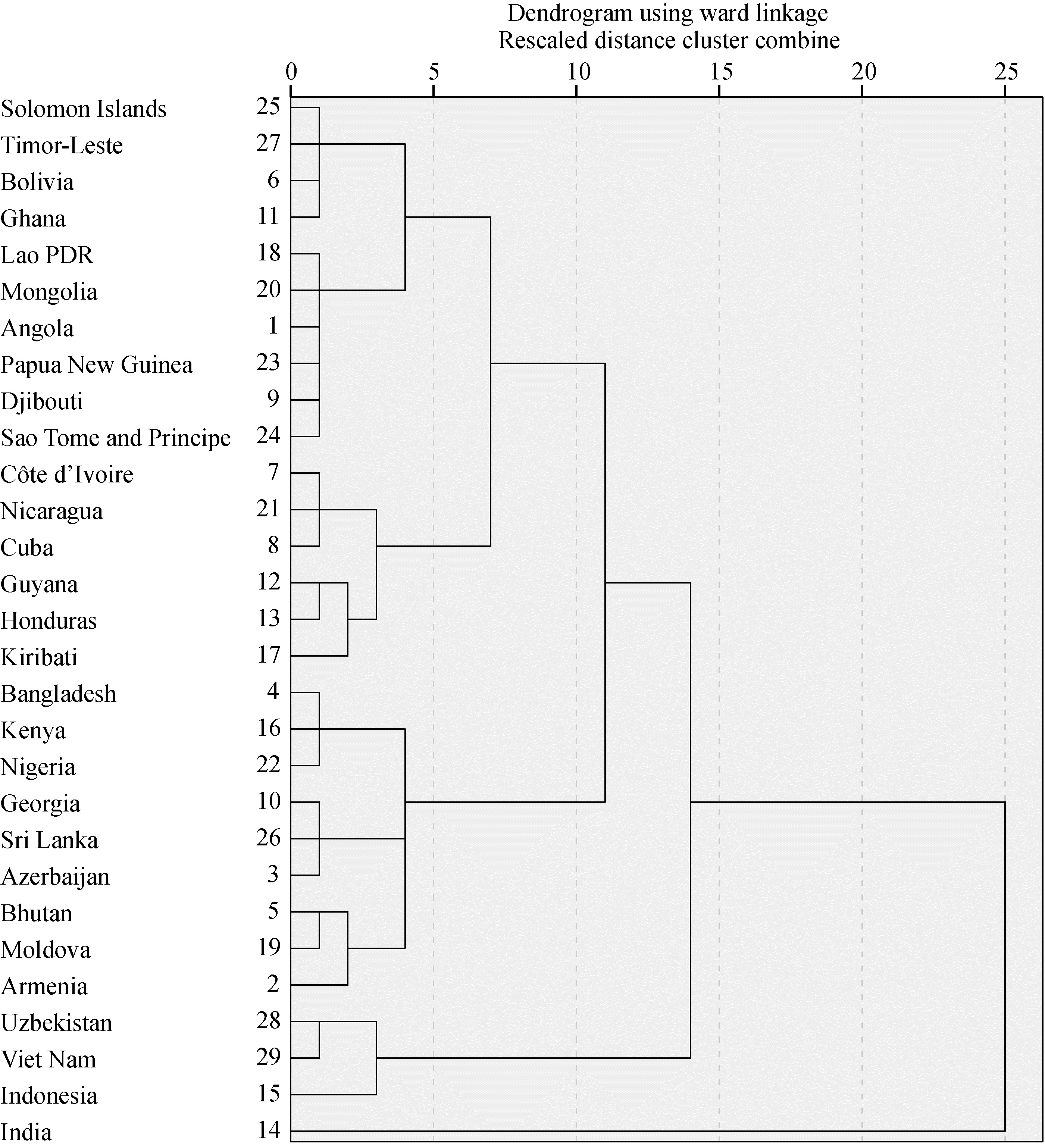
图1

29个国家层次聚类树状图"

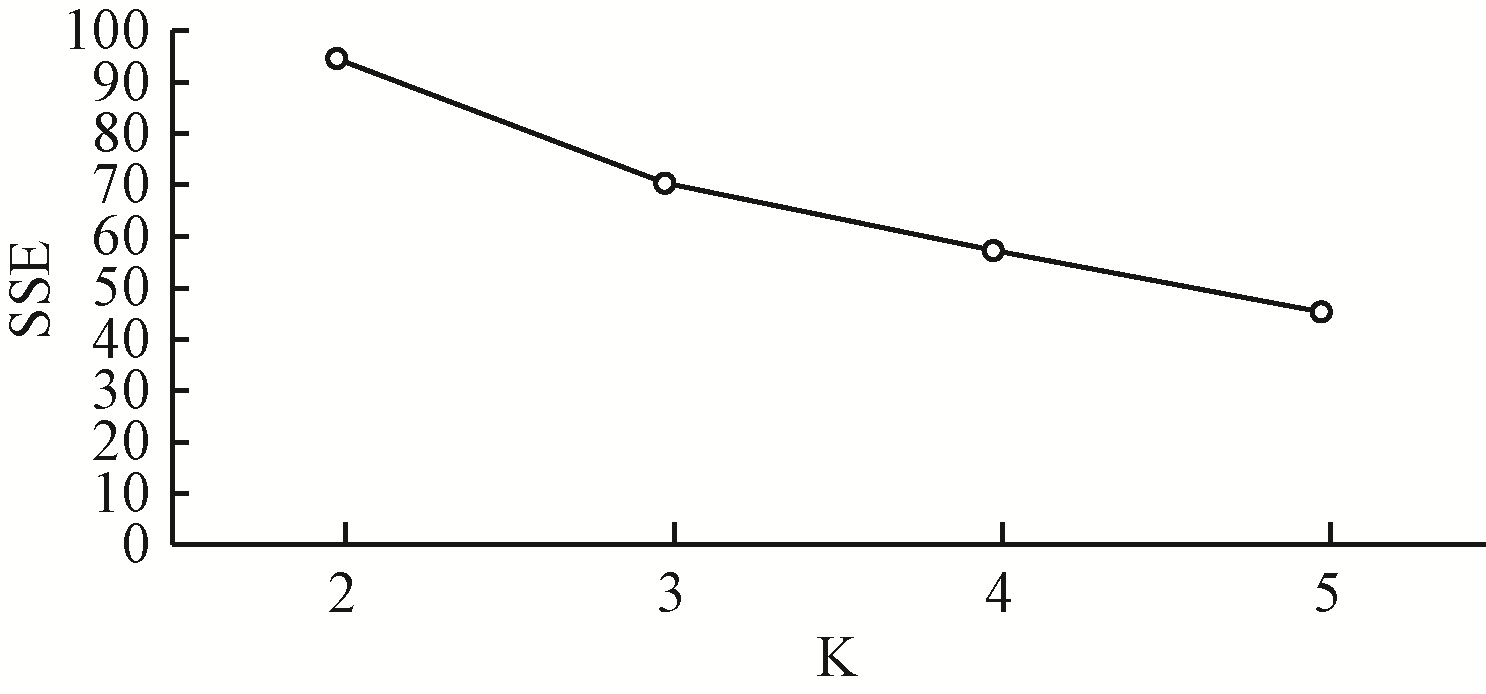
图2

K均值聚类SSE值随候选K值变化图"

表3

29个国家K均值聚类最终聚类中心(K=3)"

Items Cluster
1 2 3
Economic factors 1.593 64 -0.220 75 0.737 87
Political factors 1.418 68 -0.167 36 -0.072 14
Social factors 0.121 29 -0.217 69 5.078 29
Technological factors 1.449 09 -0.298 05 3.104 07
Legal and regulatory factors -0.124 72 0.127 03 -2.801 65

表4

HPV疫苗合作分类结果"

Cluster Countries (ranked in descending order of total score within each cluster)
1 Technology transfer priority Indonesia, Viet Nam, Uzbekistan
2 Basic assistance Sri Lanka, Georgia, Azerbaijan, Bhutan, Armenia, Moldova, Nigeria, Mongolia, Kenya, Lao PDR, Sao Tome and Principe, Bangladesh, Niagara, Djibouti, Papua New Guinea, Cuba, Angola, Côte d’Ivoire, Guyana, Honduras, Solomon Island, Bolivia, Timor-Leste, Ghana, Kiribati
3 High barrier India

图3

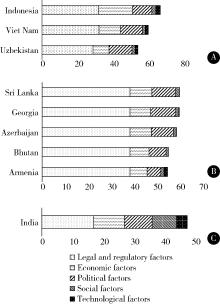
各类别国家得分情况"

图4

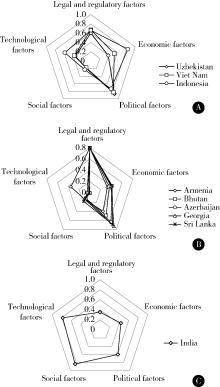
各类别国家五维度得分率"

1
de Martel C , Georges D , Bray F , et al. Global burden of cancer attributable to infections in 2018:A worldwide incidence analysis[J]. Lancet Glob Health, 2020, 8 (2): e180- e190.

doi: 10.1016/S2214-109X(19)30488-7
2
World Health Organization. Global strategy to accelerate the elimination of cervical cancer as a public health problem[R]. Geneva: World Health Organization, 2020.
3
Dorji T , Nopsopon T , Tamang ST , et al. Human papillomavirus vaccination uptake in low-and middle-income countries: A meta-analysis[J]. EClinicalMedicine, 2021, 34, 100836.

doi: 10.1016/j.eclinm.2021.100836
4
Cernuschi T , Gaglione S , Bozzani F . Challenges to sustainable immunization systems in Gavi transitioning countries[J]. Vaccine, 2018, 36 (45): 6858- 6866.

doi: 10.1016/j.vaccine.2018.06.012
5
Li AJ , Kyesi F , Mwengee W , et al. Impact of the human papillomavirus (HPV) vaccine supply shortage on Tanzania ' s national HPV vaccine introduction[J]. Vaccine, 2022, 40, A26- A29.

doi: 10.1016/j.vaccine.2021.01.036
6
Wu T , Hu YM , Li J , et al. Immunogenicity and safety of an E. coli-produced bivalent human papillomavirus (type 16 and 18) vaccine: A randomized controlled phase 2 clinical trial[J]. Vaccine, 2015, 33 (32): 3740- 3746.
7
Zhu FC , Zhong GH , Huang WJ , et al. Head-to-head immunogenicity comparison of an Escherichia coli-produced 9-valent human papillomavirus vaccine and Gardasil 9 in women aged 18-26 years in China: A randomised blinded clinical trial[J]. Lancet Infect Dis, 2023, 23 (11): 1313- 1322.

doi: 10.1016/S1473-3099(23)00275-X
8
Li J , Shi LW , Li K , et al. Comparison of the safety and persistence of immunogenicity of bivalent HPV16/18 vaccine in healthy 9-14-year-old and 18-26-year-old Chinese females: A randomized, double-blind, non-inferiority clinical trial[J]. Vaccine, 2023, 41 (48): 7212- 7219.

doi: 10.1016/j.vaccine.2023.10.041
9
Bown CP, Snyder CM, Staiger RW. Vaccine supply chain resilience and international cooperation[R]. Hanover: Dartmouth College Economics Department, 2022.
10
Pratiwi FI , Muttaqien M , Samy M , et al. International cooperation during COVID-19:Case study vaccine cooperation and its impact in Indonesia[J]. Asian Polit Policy, 2022, 14 (3): 403- 422.

doi: 10.1111/aspp.12643
11
Sirleaf EJ , Clark H . Achieving vaccination justice: A call for global cooperation[J]. PLoS Glob Public Health, 2021, 1 (10): e0000036.

doi: 10.1371/journal.pgph.0000036
12
吴音格, 崔宇煊, 黄旸木. 中国国际疫苗合作优先国家筛选指标体系构建研究[J]. 中国卫生政策研究, 2024, 17 (9): 60- 67.
13
王谋, 康文梅, 张莹. 应对气候变化南南合作优先合作国家选择方法探讨[J]. 气候变化研究进展, 2021, 17 (6): 744- 751.
14
王怀豫, 肖尧, 李奕辰, 等. "一带一路"建设背景下中国与东盟国家农业科技合作的选择机制[J]. 科技管理研究, 2022, 42 (16): 35- 44.
15
Peterson AD , Ghosh AP , Maitra R . Merging K-means with hierarchical clustering for identifying general-shaped groups[J]. Stat (Int Stat Inst), 2018, 7 (1): e172.
16
Chen TS, Tsai TH, Chen YT, et al. A combined K-means and hierarchical clustering method for improving the clustering efficiency of microarray[C]//2005 International Symposium on Intelligent Signal Processing and Communication Systems. Piscataway, USA: IEEE, 2006: 405-408.
17
Gavi. Eligibility & Co-financing policies[EB/OL]. (2025-06-18)[2025-09-15]. https://www.gavi.org/programmes-impact/programmatic-policies/eligibility-co-financing-policies.
18
李文超, 周勇, 夏士雄. 一种新的基于层次和K-means方法的聚类算法[C]//第二十六届中国控制会议论文集. 张家界: 中国自动化学会控制理论专业委员会, 2007: 2331-2335.
19
胡伟. 改进的层次K均值聚类算法[J]. 计算机工程与应用, 2013, 49 (2): 157- 159.
20
World Health Organization. IA2030 Global Report 2024[EB/OL]. (2025-04-26)[2025-09-15]. https://www.immunizationagenda2030.org/images/documents/Immunization_Agenda_2030_Global_Progress_Report_2024_final.pdf.
21
Ver AT , Notarte KI , Velasco JV , et al. A systematic review of the barriers to implementing human papillomavirus vaccination programs in low- and middle-income countries in the Asia-Pacific[J]. Asia Pac J Clin Oncol, 2021, 17 (6): 530- 545.
22
Gallagher KE , Howard N , Kabakama S , et al. Human papillomavirus (HPV) vaccine coverage achievements in low and middle-income countries 2007-2016[J]. Papillomavirus Res, 2017, 4, 72- 78.

doi: 10.1016/j.pvr.2017.09.001
23
Kurniawati E, Madu L. Indonesia' s efforts to overcome COVID-19 pandemic through international cooperation[C]//Proceedings of the RSF conference series: Business, management and social sciences. Bandung, Indonesia: Research Synergy Foundation, 2021: 242-246.
24
Yeremia AE , Raditio KH . Indonesia-China vaccine cooperation and South China Sea diplomacy[J]. ISEAS Perspective, 2021 (55): 1- 15.
25
MSD in Indonesia. MSD and Bio Farma sign a framework agreement for technology transfer partnership to locally manufacture human papillomavirus (HPV) vaccine in Indonesia[EB/OL]. (2022-12-13)[2025-09-15]. https://www.msd-indonesia.com/news/msd-and-bio-farma-sign-a-framework-agreement-for-technology-transfer-partnership-to-locally-manufacture-human-papillomavirus-hpv-vaccine-in-indonesia/#:~:text=JAKARTA%2C%20INDONESIA%2C%20December%2013th,of%20HPV%20vaccine%20in%20Indonesia.
26
Setiawan D , Ramadani P , Lianawati L , et al. HPV vaccination program in Indonesia: Effectiveness, dose, scale-up costs, future prospects, and policy recommendations[J]. Asian Pac J Cancer Prev, 2025, 26 (2): 421- 434.

doi: 10.31557/APJCP.2025.26.2.421
27
Drolet M , Laprise JF , Martin D , et al. Optimal human papillomavirus vaccination strategies to prevent cervical cancer in low-income and middle-income countries in the context of limited resources: A mathematical modelling analysis[J]. Lancet Infect Dis, 2021, 21 (11): 1598- 1610.

doi: 10.1016/S1473-3099(20)30860-4
28
Le XTT , Nguyen PTN , Do TTT , et al. Intention to pay for HPV vaccination among women of childbearing age in Vietnam[J]. Int J Environ Res Public Health, 2020, 17 (9): 3144.

doi: 10.3390/ijerph17093144
29
World Health Organization. WHO adds an HPV vaccine for single-dose use[EB/OL]. (2024-10-04)[2025-09-15]. https://www.who.int/news/item/04-10-2024-who-adds-an-hpv-vaccine-for-single-dose-use.
30
Gavi. Detailed product profiles[EB/OL]. (2025-07-13)[2025-09-15]. https://www.gavi.org/news/document-library/detailed-product-profiles.
31
van Dijk RJL , Lo CY . The effect of Chinese vaccine diplomacy during COVID-19 in the Philippines and Vietnam: A multiple case study from a soft power perspective[J]. Humanit Soc Sci Commun, 2023, 10, 687.
32
Badur S , Ota M , Öztürk S , et al. Vaccine confidence: The keys to restoring trust[J]. Hum Vaccines Immunother, 2020, 16 (5): 1007- 1017.

doi: 10.1080/21645515.2020.1740559
33
Ussai S , Seyidov T , Khomasuridze T , et al. Regional alliance for cervical cancer prevention in eastern Europe and central Asia: Progressing towards the target 1 of the global strategy for cervical cancer elimination[J]. Healthcare, 2025, 13 (10): 1209.
34
Filipović A . Vaccine diplomacy of the United States, China, India, and Russia during the COVID-19 pandemic: A comparative analysis[J]. Me unarodna politika, 2024, 75 (1190): 57- 90.
35
Yan Q , Abdurakhmonov IY , Cao J . Cooperation and innovation: An interview with Minister Ibrokhim Y. Abdurakhmonov and Professor Jinghua Cao[J]. hLife, 2024, 2 (11): 547- 553.
36
UNICEF. Gavi Shipments 2025 Plan-Vaccines & Devices-All Regions[EB/OL]. (2025-08-28)[2025-09-15]. https://www.unicef.org/supply/media/24271/file/Gavi-shipments-Aug-2025.pdf.
[1] 林文灏, 谢阳, 王芳晴, 王淑盈, 刘香君, 胡凡磊, 贾园. 基于B细胞单细胞转录组测序的干燥综合征分子分型[J]. 北京大学学报(医学版), 2025, 57(6): 1032-1041.
[2] 陈龙, 任明辉. 《国际卫生条例(2005)》修正案在中国适用的挑战及展望[J]. 北京大学学报(医学版), 2025, 57(3): 411-416.
[3] 蔡文心,李仕成,刘一鸣,梁如玉,李静,郭建萍,胡凡磊,孙晓麟,李春,刘栩,叶华,邓立宗,李茹,栗占国. 类风湿关节炎临床分层及其特征的横断面研究[J]. 北京大学学报(医学版), 2022, 54(6): 1068-1073.
[4] 那宾*, 许天民, 林久祥. Procrusts重叠以及多元统计应用于安氏Ⅱ类错牙合颅面分类的研究[J]. 北京大学学报(医学版), 2009, 41(1): 71-75.
[5] 韩冰, 许天民, 林久祥. 普通坐标和procrusts重叠标准化坐标对安氏Ⅰ类错(牙合)进行聚类和判别分析的对比研究[J]. 北京大学学报(医学版), 2007, 39(1): 54-59.
Viewed
Full text


Abstract

Cited

  Shared   
  Discussed   
No Suggested Reading articles found!