北京大学学报(医学版) ›› 2026, Vol. 58 ›› Issue (4): 818-826. doi: 10.19723/j.issn.1671-167X.2026.04.019

• 论著 • 上一篇    下一篇

基于TCGA数据库的ERBB2在膀胱尿路上皮癌中的表达特征及临床意义

郑光玮, 彭云, 杜依青*(), 徐涛*()   

  1. 北京大学人民医院泌尿外科, 北京 100044
  • 收稿日期:2026-03-02 出版日期:2026-08-18 发布日期:2026-06-30
  • 通讯作者: 杜依青, 徐涛
  • 基金资助:
    四大慢病重大专项(2024ZD0525700); 国家自然科学基金(82471866); 国家自然科学基金(82472912); 北京市自然科学基金(L252190)

Expression characteristics and clinical significance of ERBB2 in bladder urothelial carcinoma based on the TCGA database

Guangwei ZHENG, Yun PENG, Yiqing DU*(), Tao XU*()   

  1. Department of Urology, Peking University People's Hospital, Beijing 100044, China
  • Received:2026-03-02 Online:2026-08-18 Published:2026-06-30
  • Contact: Yiqing DU, Tao XU
  • Supported by:
    National Major Projects on Four Major Chronic Diseases(2024ZD0525700); National Natural Science Foundation of China(82471866); National Natural Science Foundation of China(82472912); Beijing Natural Science Foundation(L252190)

RICH HTML


摘要:

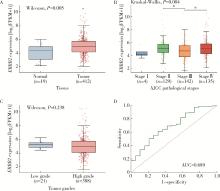
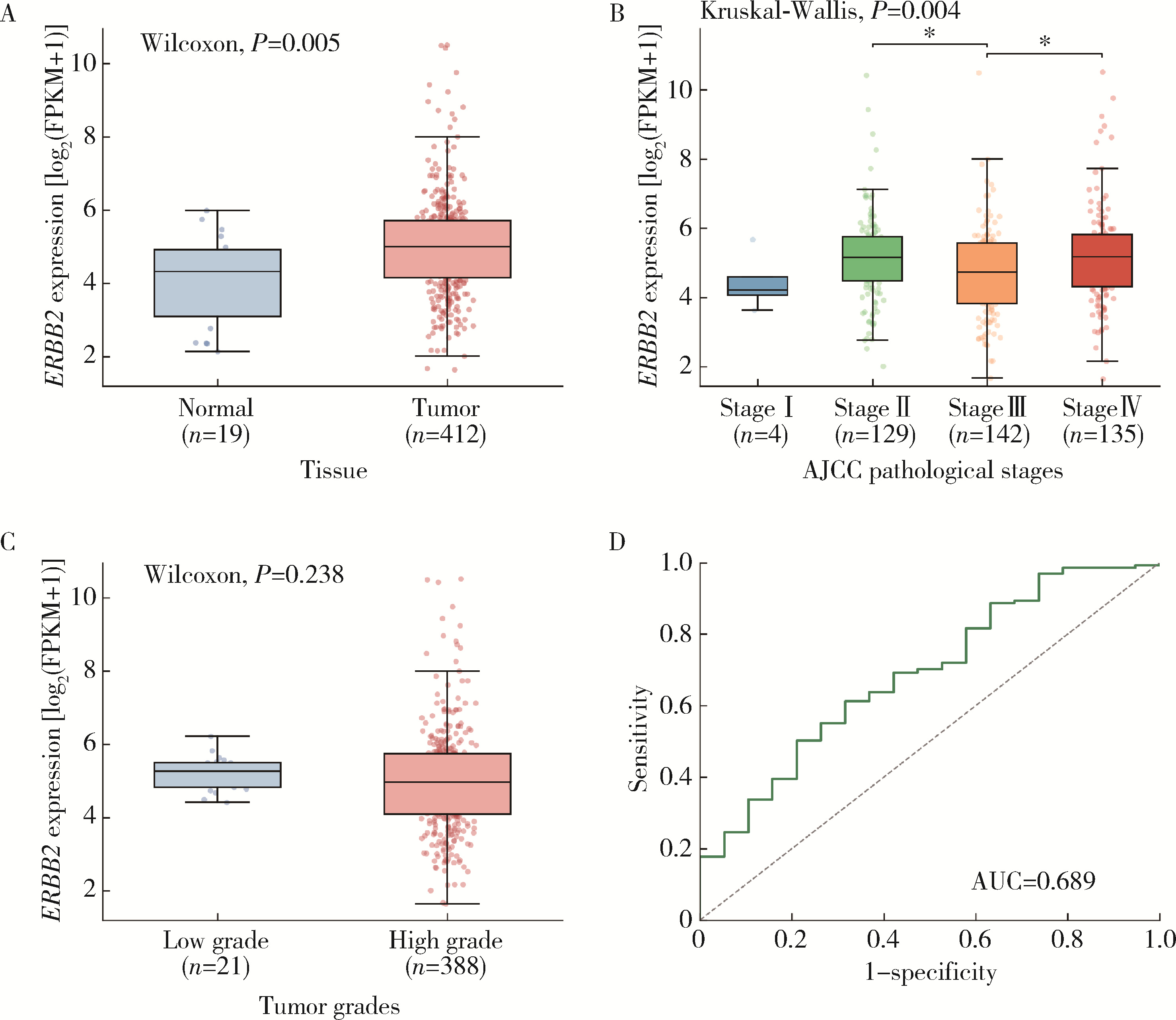
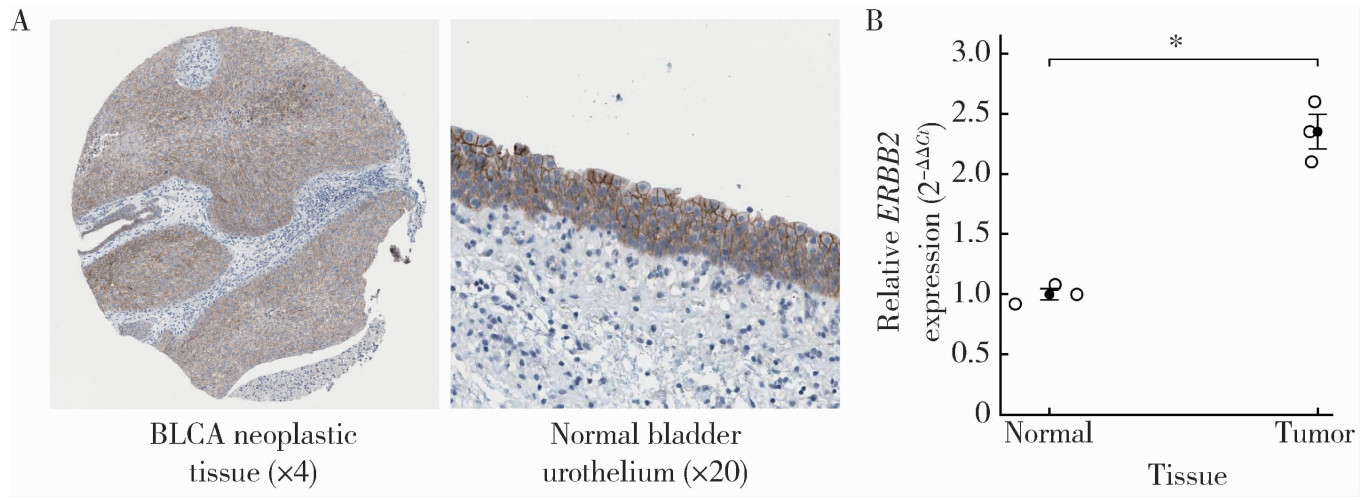
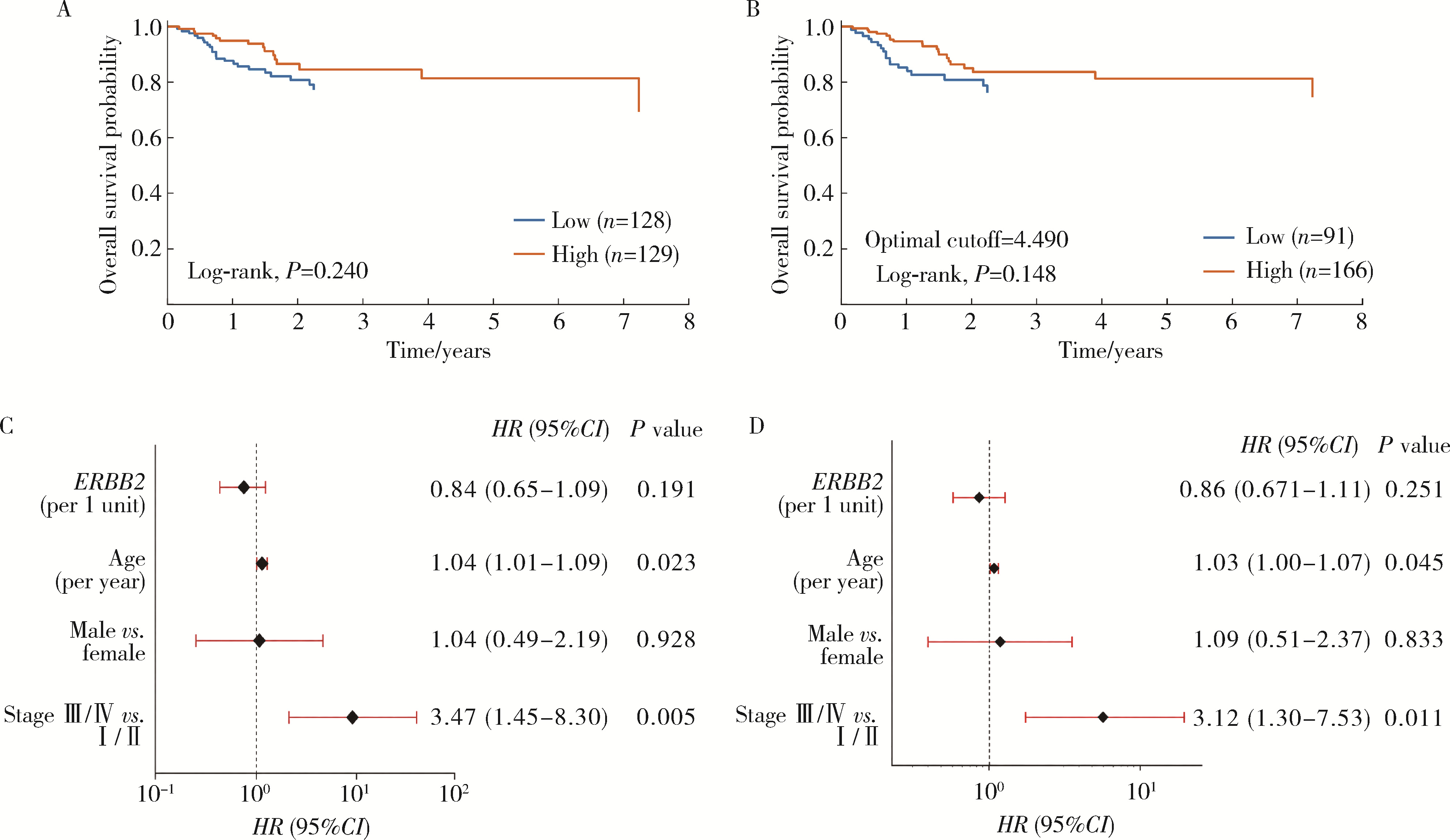
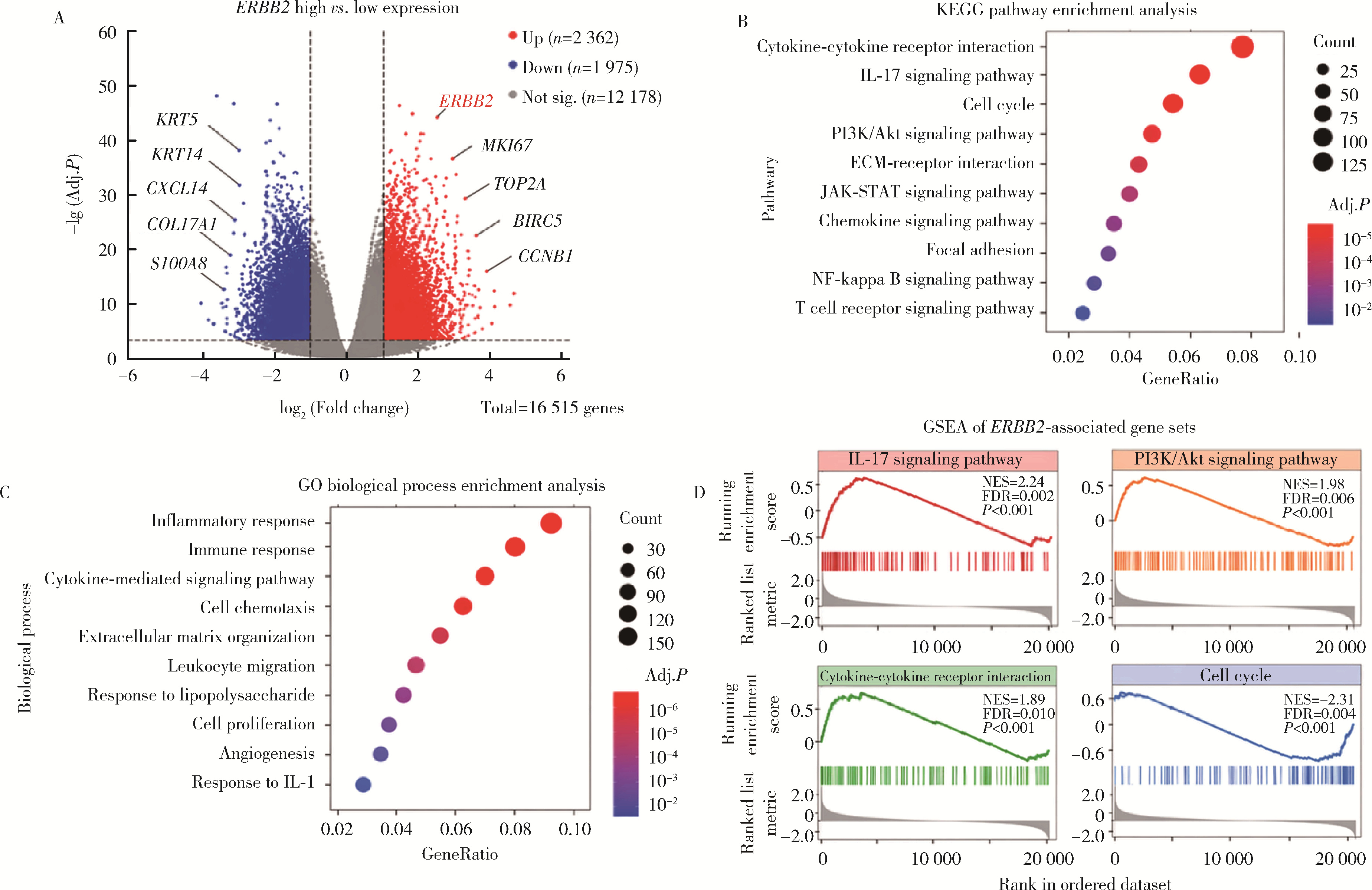
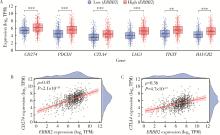
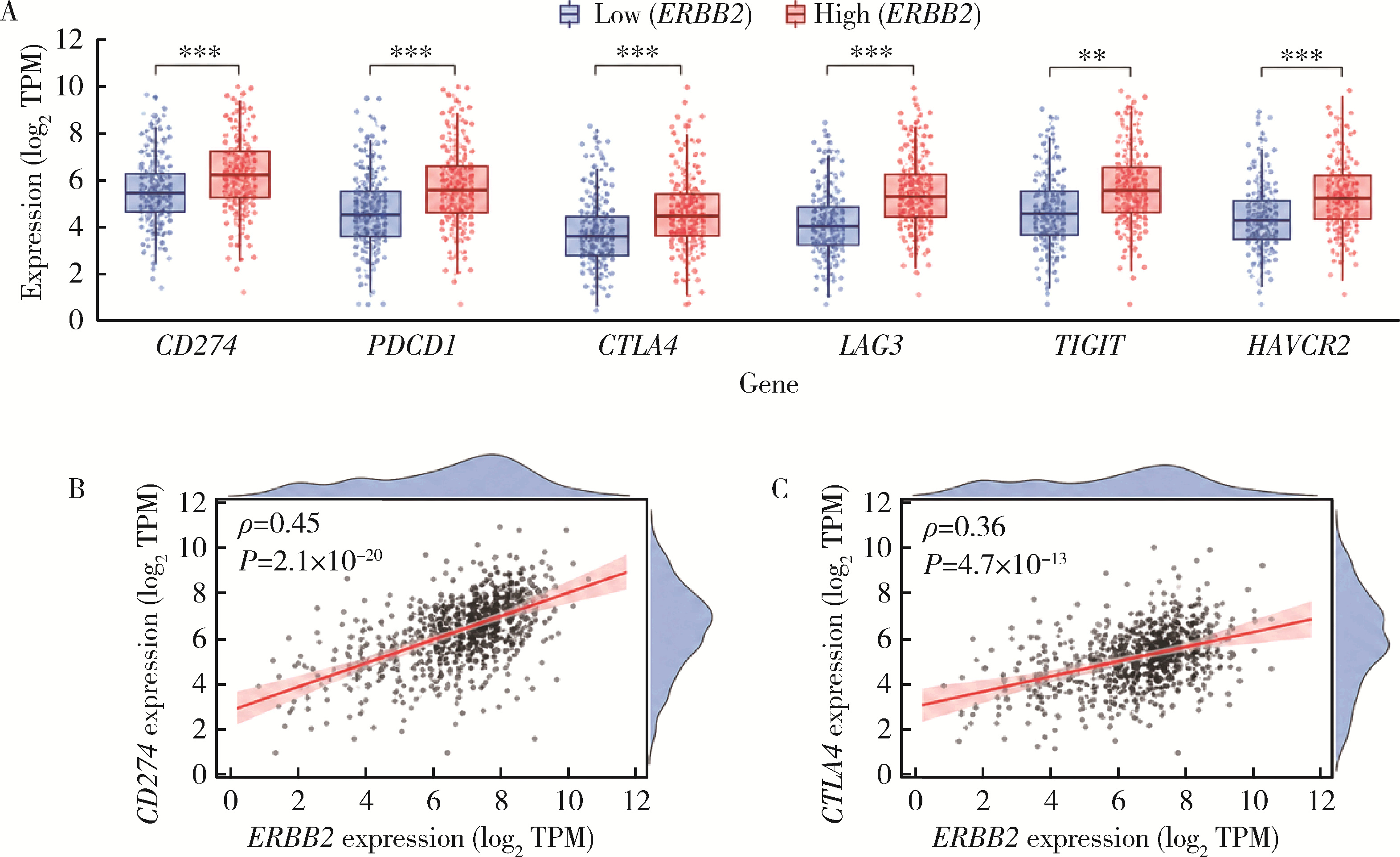
目的: 探讨Erb-B2受体酪氨酸激酶2(Erb-B2 receptor tyrosine kinase 2,ERBB2)在膀胱尿路上皮癌(bladder urothelial carcinoma,BLCA)中的表达特征、临床相关性、预后价值及潜在分子机制,为BLCA分子标志物筛选及靶向治疗研究提供依据。方法: 基于美国癌症基因组图谱(The Cancer Genome Atlas,TCGA)的BLCA队列获取RNA测序表达数据及临床资料,分析ERBB2在肿瘤组织与正常组织中的表达差异及其与美国癌症联合委员会(American Joint Committee on Cancer,AJCC)病理分期、肿瘤分级的关系,并采用受试者工作特征(receiver operating characteristic,ROC)曲线评估其诊断区分能力。按ERBB2表达中位数及最佳截断值进行分组,采用Kaplan-Meier生存分析和Cox回归评估其预后价值。进一步筛选ERBB2高表达和低表达相关差异基因,并进行京都基因与基因组百科全书(Kyoto Encyclopedia of Genes and Genomes,KEGG)、基因本体论(gene ontology,GO)富集分析及单基因基因集富集分析(gene set enrichment analysis,GSEA)。同时分析ERBB2与免疫检查点分子表达的关系,并结合人类蛋白图谱数据库(Human Protein Atlas,HPA)免疫组织化学及实时荧光定量逆转录PCR(reverse transcription quantitative PCR,RT-qPCR)实验验证ERBB2表达。结果: HPA免疫组织化学显示ERBB2在BLCA肿瘤组织中呈较强阳性染色,RT-qPCR进一步验证BLCA肿瘤组织中ERBB2 mRNA表达升高。TCGA分析显示,ERBB2在BLCA肿瘤组织中的表达显著高于正常组织(P=0.005),并在不同AJCC病理分期间存在总体差异(P=0.004);肿瘤分级间差异未达到统计学意义(P=0.238)。ROC分析显示ERBB2对肿瘤组织与正常组织具有一定区分能力(曲线下面积为0.689)。无论按中位数分组还是最佳截断值分组,ERBB2高表达组和低表达组的总体生存差异均未达到统计学意义(P=0.240和P=0.148);单因素及多因素Cox分析亦提示ERBB2并非总体生存的独立预测因素。功能富集分析显示,ERBB2相关差异基因主要富集于细胞因子与受体相互作用、白介素17(interleukin 17,IL-17)信号通路、磷脂酰肌醇3-激酶/蛋白激酶B(phosphatidylinositol 3-kinase/protein kinase B,PI3K/AKT)信号通路、Janus激酶/信号转导及转录激活因子(Janus kinase/signal transducer and activator of transcription,JAK-STAT)信号通路、趋化因子信号通路、炎症反应、免疫反应、细胞外基质组织及白细胞迁移等过程。GSEA结果进一步显示IL-17信号通路、PI3K/AKT信号通路及细胞因子与受体相互作用通路呈正向富集。免疫检查点分析显示,ERBB2高表达组中CD274PDCD1CTLA4LAG3TIGITHAVCR2表达水平均升高,且ERBB2表达与CD274CTLA4呈正相关(Spearman ρ= 0.45和0.36,均P < 0.001)。结论: ERBB2在BLCA肿瘤组织中呈上调表达,并与AJCC病理分期及免疫检查点分子表达相关,具有一定的诊断区分能力,但其总体生存预测价值有限。ERBB2可能通过参与免疫炎症反应、细胞因子信号、PI3K/AKT通路及肿瘤免疫微环境调控影响BLCA的发生和发展。

关键词: 膀胱肿瘤, 尿路上皮癌, 基因,erbB-2, 基因表达, 免疫检查点抑制剂, 预后, 癌症基因组图谱

Abstract:

Objective: To investigate the expression pattern of Erb-B2 receptor tyrosine kinase 2 (ERBB2) in bladder urothelial carcinoma (BLCA) and its clinical relevance, prognostic value, and potential molecular mechanisms, thereby providing evidence for biomarker identification and targeted therapy research in BLCA. Methods: RNA sequencing expression data and clinical information were obtained from The Cancer Genome Atlas bladder urothelial carcinoma cohort (TCGA-BLCA). Differences in ERBB2 expression between tumor and normal tissues were analyzed, and associations with American Joint Committee on Cancer (AJCC) pathological stage and tumor grade were evaluated. Receiver operating characteristic (ROC) curve analysis was performed to assess the diagnostic performance of ERBB2. Patients were stratified into high- and low-expression groups based on both the median value and the optimal cutoff, followed by Kaplan-Meier survival analysis and Cox regression to evaluate prognostic significance. Differentially expressed genes associated with ERBB2 were identified, and Kyoto Encyclopedia of Genes and Genomes (KEGG), gene ontology (GO), and single-gene gene set enrichment analysis (GSEA) were conducted. Correlations between ERBB2 and immune checkpoint molecules were further analyzed. In addition, immunohistochemistry data from the Human Protein Atlas (HPA) database and reverse transcription quantitative PCR (RT-qPCR) experiments were used to validate ERBB2 expression. Results: HPA immunohistochemistry demonstrated stronger ERBB2 staining in BLCA neoplastic tissues, and RT-qPCR confirmed elevated ERBB2 mRNA expression in BLCA neoplastic tissues. TCGA analysis showed that ERBB2 expression was significantly higher in tumor tissues than in normal tissues (P=0.005), with overall differences observed across AJCC pathological stages (P=0.004), whereas no significant difference was found between tumor grades (P=0.238). Receiver operating characteristic curve analysis indicated a moderate discriminatory ability of ERBB2 [area under the curve (AUC) =0.689]. No significant difference in overall survival was observed between high- and low-expression groups based on either the median cutoff or the optimal cutoff (P=0.240 and P=0.148, respectively), and both univariate and multivariate Cox analyses suggested that ERBB2 was not an independent prognostic factor for OS. Functional enrichment analyses revealed that ERBB2-associated differentially expressed genes were mainly enriched in cytokine-cytokine receptor interaction, interleukin 17 (IL-17) signaling pathway, phosphatidylinositol 3-kinase/protein kinase B (PI3K/AKT) signaling pathway, Janus kinase/signal transducer and activator of transcription (JAK-STAT) signaling pathway, chemokine signaling pathway, inflammatory response, immune response, extracellular matrix organization, and leukocyte migration. GSEA further demonstrated positive enrichment in IL-17 signaling, PI3K/AKT signaling, and cytokine-cytokine receptor interaction pathways. Immune checkpoint analysis showed that CD274, PDCD1, CTLA4, LAG3, TIGIT, and HAVCR2 were significantly upregulated in the ERBB2 high-expression group, and ERBB2 expression was positively correlated with CD274 and CTLA4 (Spearman ρ=0.45 and 0.36, both P < 0.001). Conclusion: ERBB2 is upregulated in BLCA and is associated with AJCC pathological stage and immune checkpoint expression, showing moderate diagnostic value but limited prognostic significance. ERBB2 may contribute to BLCA progression through regulation of immune-inflammatory responses, cytokine signaling, PI3K/AKT pathway, and tumor immune microenvironment.

Key words: Urinary bladder neoplasms, Urothelial carcinoma, Genes, erbB-2, Gene expression, Immune checkpoint inhibitors, Prognosis, The Cancer Genome Atlas

中图分类号: 

  • R737.14

图1

ERBB2在TCGA-BLCA队列中的表达特征及临床相关性分析"

图2

ERBB2在BLCA肿瘤组织中的蛋白及mRNA水平验证"

图3

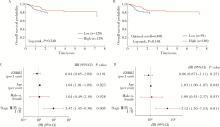
ERBB2表达与BLCA患者总体生存的关系及Cox回归分析"

图4

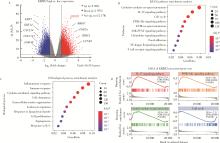
ERBB2相关差异表达基因的功能富集分析"

图5

ERBB2表达与免疫检查点分子的相关分析"

1
Bray F , Laversanne M , Sung H , et al. Global cancer statistics 2022:GLOBOCAN estimates of incidence and mortality worldwide for 36 cancers in 185 countries[J]. CA Cancer J Clin, 2024, 74 (3): 229- 263.
2
Powles T , Bellmunt J , Comperat E , et al. Bladder cancer: ESMO Clinical Practice Guideline for diagnosis, treatment and follow-up[J]. Ann Oncol, 2022, 33 (3): 244- 258.

doi: 10.1016/j.annonc.2021.11.012
3
Moasser MM . The oncogene HER2:Its signaling and transforming functions and its role in human cancer pathogenesis[J]. Oncogene, 2007, 26 (45): 6469- 6487.

doi: 10.1038/sj.onc.1210477
4
Swain SM , Shastry M , Hamilton E . Targeting HER2-positive breast cancer: Advances and future directions[J]. Nat Rev Drug Discov, 2023, 22 (2): 101- 126.

doi: 10.1038/s41573-022-00579-0
5
Zhou L , Shao Z , Liu Y , et al. HER2 expression associated with clinical characteristics and prognosis of urothelial carcinoma in a Chinese population[J]. Oncologist, 2023, 28 (8): e617- e624.

doi: 10.1093/oncolo/oyad070
6
Bai X , He W , Yin H , et al. Prognostic significance of HER2 status evaluation using immunohistochemistry in patients with urothelial carcinoma of the bladder: A retrospective single-center experience[J]. Exp Ther Med, 2022, 24 (5): 704.

doi: 10.3892/etm.2022.11640
7
Tan X , Li M , Chen Q , et al. Prognostic significance of HER2 expression in patients with bladder cancer: A multicenter observational study[J]. Eur Urol Oncol, 2024, 7 (3): 456- 463.

doi: 10.1016/j.euo.2023.09.013
8
Sami MM , Khalil HB , Elbasateeny SS , et al. Expression of epidermal growth factor receptor and human epidermal growth factor receptor 2 in urothelial bladder carcinoma in an Egyptian cohort: clinical implication and prognostic significance[J]. Appl Immunohistochem Mol Morphol, 2023, 31 (1): 37- 45.
9
Maiorano BA , Di Maio M , Cerbone L , et al. Significance of PD-L1 in metastatic urothelial carcinoma treated with immune checkpoint inhibitors: A systematic review and meta-analysis[J]. JAMA Netw Open, 2024, 7 (3): e241215.

doi: 10.1001/jamanetworkopen.2024.1215
10
Hadadi A , Krause HB , Elliott A , et al. The genomic landscape of urothelial carcinoma with high and low ERBB2 expression[J]. Cancers (Basel), 2023, 15 (24): 5721.

doi: 10.3390/cancers15245721
11
Kim D , Kim JM , Kim JS , et al. Differential expression and clinicopathological significance of HER2, indoleamine 2, 3-dioxygenase and PD-L1 in urothelial carcinoma of the bladder[J]. J Clin Med, 2020, 9 (5): 1265.

doi: 10.3390/jcm9051265
12
Guo A , Wu C , Cao J , et al. Clinical significance of HER2 in urothelial carcinoma and analysis of its correlation with glycolytic metabolic characteristics[J]. Front Mol Biosci, 2024, 11, 1521889.

doi: 10.3389/fmolb.2024.1521889
13
Li P , Ni P , Haines GK , et al. Expression and clinicopathologic significance of HER2 and PD-L1 in high grade urothelial carcinoma of the urinary tract[J]. Int J Clin Exp Pathol, 2024, 17 (8): 236- 244.

doi: 10.62347/AAPB6946
14
Zhuang J , Chen Y , Zheng W , et al. Prediction of HER2 expression in urothelial carcinoma of the bladder: Are ultrasound-based radiomic features significant?[J]. Ultrasound Med Biol, 2026, 52 (1): 190- 200.

doi: 10.1016/j.ultrasmedbio.2025.09.013
15
Zhao J , Xu W , Zhang Z , et al. Prognostic role of HER2 expression in bladder cancer: A systematic review and meta-analysis[J]. Int Urol Nephrol, 2015, 47 (1): 87- 94.

doi: 10.1007/s11255-014-0866-z
16
Zhu K , Chang Y , Zhao D , et al. Expression of HER2 in high-grade urothelial carcinoma based on Chinese expert consensus and the clinical effects of disitamab vedotin-tislelizumab combination therapy in the treatment of advanced patients[J]. Front Pharmacol, 2024, 15, 1355081.

doi: 10.3389/fphar.2024.1355081
17
Wei Y , Zhang R , Yu C , et al. Disitamab vedotin in combination with immune checkpoint inhibitors for locally and locally advanced bladder urothelial carcinoma: A two-center' s real-world study[J]. Front Pharmacol, 2023, 14, 1230395.

doi: 10.3389/fphar.2023.1230395
18
Ge H , Liu C , Shen C , et al. The effectiveness and safety of RC48 alone or in combination with PD-1 inhibitors for locally advanced or metastatic urothelial carcinoma: A multicenter, real-world study[J]. J Transl Med, 2025, 23 (1): 243.

doi: 10.1186/s12967-025-06237-4
19
Chen Z , Tang X , Eichholz JE , et al. Determinants of sensitivity to HER2-targeted antibody drug conjugates in urothelial cancer[J]. Nat Commun, 2026, 17 (1): 919.
[1] 杜志明, 张纬亮, 赵磊, 邱敏, 马潞林, 颜野, 贺慧颖, 谢睿扬, 张树栋. 5年以上长期生存肾透明细胞癌伴静脉瘤栓患者的临床病理特征及预后因素[J]. 北京大学学报(医学版), 2026, 58(4): 692-699.
[2] 王永存, 宋泓辰, 杜依青, 徐涛. 利用CRISPR-Cas9文库筛选识别膀胱癌中潜在的三级淋巴结构形成调节因子[J]. 北京大学学报(医学版), 2026, 58(4): 707-715.
[3] 赖世聪, 王焕瑞, 倪润峰, 胡浩浦, 王辰龙, 徐涛, 胡浩. 免分腿侧卧位与截石位对输尿管软镜碎石术中肾盂内压及预后的影响[J]. 北京大学学报(医学版), 2026, 58(4): 748-753.
[4] 姬家祥, 赖金惠, 王飞, 胡浩. 合并低级别成分对高级别非肌层浸润性膀胱癌预后的影响[J]. 北京大学学报(医学版), 2026, 58(4): 803-807.
[5] 郭泽菁, 孙长海, 赖世聪, 高汉林, 杜依青, 徐涛. 术前营养相关指标对上尿路尿路上皮癌根治术后生存结局的预测价值[J]. 北京大学学报(医学版), 2026, 58(4): 808-817.
[6] 彭博, 刘芳芳, 杨伟, 徐瑞平, 陈蕾, 李保中, 王新家, 柯骥, 杨文蕾, 何煜, 刘震, 侯波林, 张利群, 林妙萍, 张立新, 张凡, 蔡奋, 许铧文, 刘萌飞, 刘英, 潘雅琪, 何忠虎, 柯杨. 围术期高血糖与食管切除术后食管鳞癌不良预后相关性[J]. 北京大学学报(医学版), 2026, 58(3): 567-574.
[7] 舒帆, 葛力源, 邓汉彰, 殷昊明, 欧俊永, 邓绍晖, 郝一昌, 陆敏, 张展奕, 段佩辰, 张树栋. 预后不良的肾细胞癌伴淋巴结转移的分子特征[J]. 北京大学学报(医学版), 2026, 58(3): 631-640.
[8] 张铃福, 陈明, 赵小宇, 王港, 崔龙, 凌晓锋, 王立新, 徐智, 郭丽梅, 侯纯升. 原发灶局限于胆囊壁内胆囊癌大体分型及其与预后和癌前病变的相关性[J]. 北京大学学报(医学版), 2026, 58(1): 184-189.
[9] 高雅静, 李正芳, 马梦思, 武丽君. SII和SIRI对白塞病葡萄膜炎的风险预测及疾病活动度和预后的评估[J]. 北京大学学报(医学版), 2025, 57(6): 1067-1073.
[10] 刘艳华, 陆敏, 赵旭阳, 张宽根, 武睿, 梅放, 戴志豪, 由江峰, 裴斐. 肿瘤转移抑制基因LASS2去磷酸化对液泡型ATP酶活性及前列腺癌侵袭性的影响[J]. 北京大学学报(医学版), 2025, 57(6): 1113-1123.
[11] 李慎谟, 苏丹丹, 林己煜, 宋昊东, 马潞林, 侯小飞, 王国良, 张洪宪, 叶剑飞, 张树栋. 腹腔镜下膀胱癌根治术同期行肾输尿管全长切除术的预后分析[J]. 北京大学学报(医学版), 2025, 57(5): 961-966.
[12] 郭博达, 陆敏, 王国良, 张洪宪, 刘磊, 侯小飞, 赵磊, 田晓军, 张树栋. 肾透明细胞癌与非透明细胞癌伴静脉癌栓患者的临床病理特征及预后比较[J]. 北京大学学报(医学版), 2025, 57(4): 644-649.
[13] 缪祺, 洪保安, 张学舟, 孙志鹏, 王维, 王宇轩, 薄予轩, 赵佳晖, 张宁. 膀胱癌合并冠心病患者行经尿道膀胱肿瘤切除术围手术期抗血小板药物管理[J]. 北京大学学报(医学版), 2025, 57(4): 698-703.
[14] 李伟浩, 李晶, 张学民, 李伟, 李清乐, 张小明. 术中回收式自体输血对颈动脉体瘤切除术后肿瘤预后的影响[J]. 北京大学学报(医学版), 2025, 57(2): 272-276.
[15] 毛雅晴, 陈震, 于尧, 章文博, 刘洋, 彭歆. 2型糖尿病对口腔鳞状细胞癌患者预后的影响[J]. 北京大学学报(医学版), 2024, 56(6): 1089-1096.
Viewed
Full text


Abstract

Cited

  Shared   
  Discussed   
No Suggested Reading articles found!