北京大学学报(医学版) ›› 2025, Vol. 57 ›› Issue (4): 633-643. doi: 10.19723/j.issn.1671-167X.2025.04.002

• 论著 • 上一篇    下一篇

氧化应激相关基因与前列腺癌关系的多组学分析

宁家昕1,2,*, 王浩然1,2,*, 罗书航1,2, 敬吉波1,2, 王建业1,2, 侯惠民1,*(), 刘明1,2,*()   

  1. 1. 北京医院泌尿外科, 国家老年医学中心, 老年医学研究所, 北京 100005
    2. 北京协和医学院, 中国医学科学院, 北京 100730
  • 收稿日期:2025-01-26 出版日期:2025-08-18 发布日期:2025-08-02
  • 通讯作者: 侯惠民, 刘明
  • 作者简介:

    *These authors contributed equally to this work

  • 基金资助:
    北京市自然科学基金(7232138)

Multi-omics analysis of the relationship between oxidative stress-related gene and prostate cancer

Jiaxin NING1,2, Haoran WANG1,2, Shuhang LUO1,2, Jibo JING1,2, Jianye WANG1,2, Huimin HOU1,*(), Ming LIU1,2,*()   

  1. 1. Department of Urology, Beijing Hospital, National Center of Gerontology, Institute of Geriatric Medicine, Beijing 100005, China
    2. Peking Union Medical College & Chinese Academy of Medical Sciences, Beijing 100730, China
  • Received:2025-01-26 Online:2025-08-18 Published:2025-08-02
  • Contact: Huimin HOU, Ming LIU
  • Supported by:
    Beijing Natural Science Foundation(7232138)

RICH HTML


摘要:

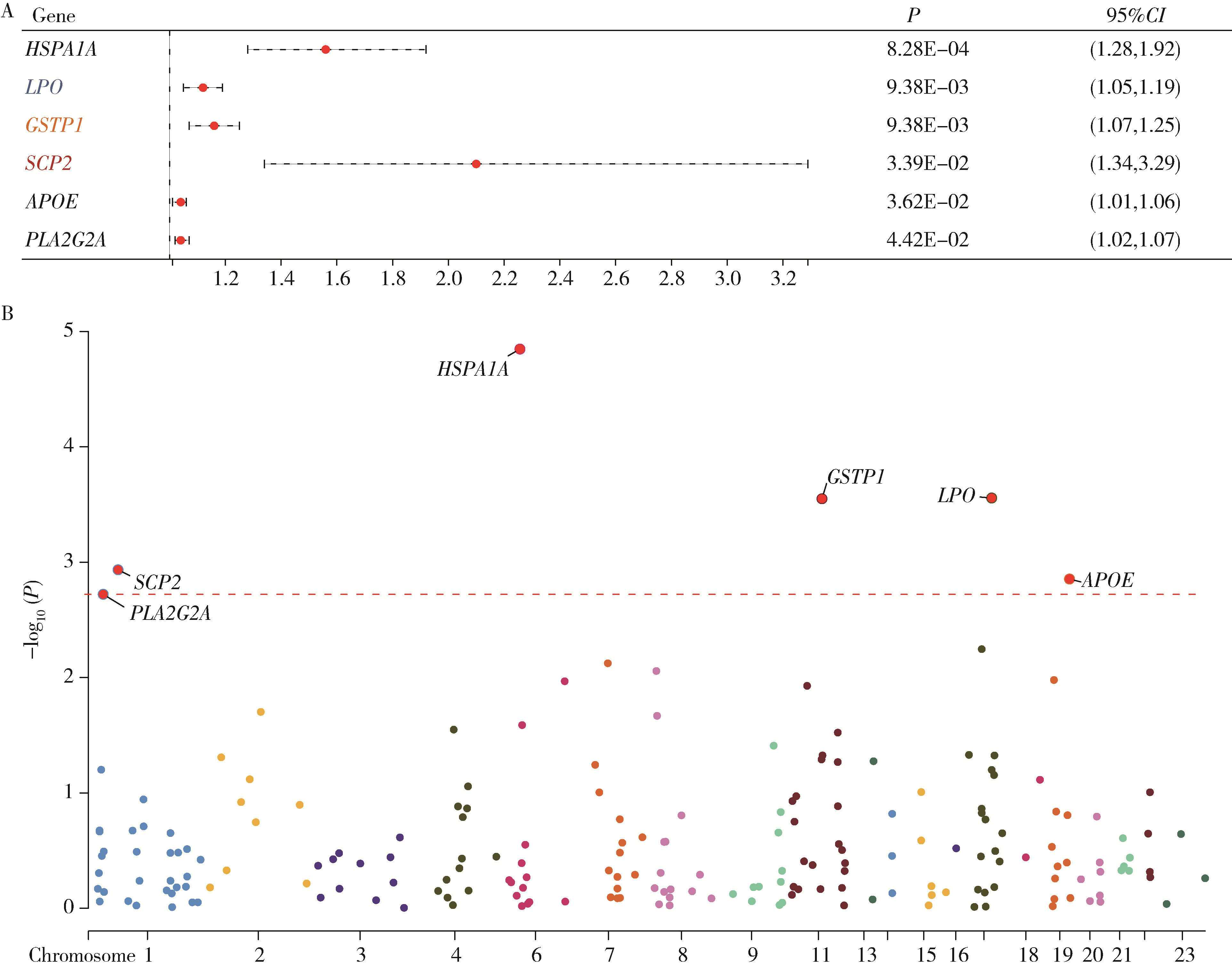
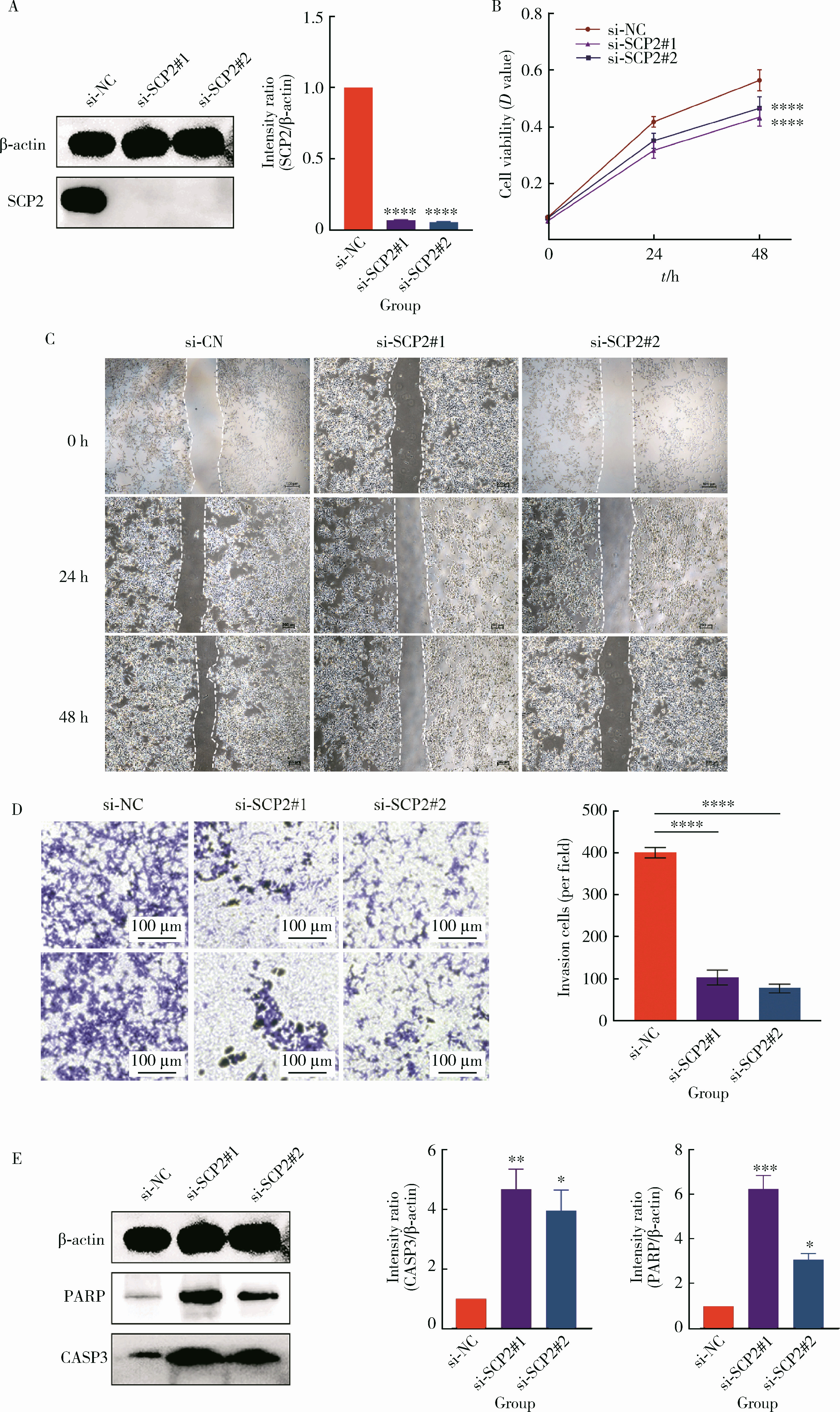
目的: 利用基于汇总数据的孟德尔随机化(summary-data-based Mendelian randomization, SMR)、共定位分析和细胞实验, 从多组学角度研究氧化应激相关基因与前列腺癌(prostate cancer, PCa)之间的关系。方法: 对基因甲基化、基因表达和循环蛋白质的汇总级数据在下载后进行筛选, 将PRACTICAL队列作为观察队列, deCODE数据库作为验证队列, 使用SMR分析和依赖性工具异质性(heterogeneity in dependent instruments, HEIDI)检验评估氧化应激相关基因与PCa的关联性和异质性, 采用共定位分析确定氧化应激相关基因与PCa之间是否存在共享突变。进一步对筛选出的基因采用CCK-8、细胞划痕实验、Transwell侵袭实验、蛋白免疫印迹实验探究其对PCa细胞系C4-2生物学行为的影响。结果: 经过多组学分析, SCP2在基因甲基化、基因表达和循环蛋白质层面均被确定为与PCa风险增加存在显著关联性, 而GSTP1在基因甲基化和循环蛋白质层面, LPO在循环蛋白质层面被认为与PCa风险增加存在显著关联。在基因甲基化层面, SCP2的cg00581603(OR=1.11, 95%CI: 1.05~1.17)和cg13078931(OR=1.12, 95%CI: 1.05~1.18)甲基化被认为是PCa的致病因素; GSTP1的cg05244766(OR=0.89, 95%CI: 0.84~0.95)甲基化被认为是PCa的保护因素。在基因表达层面, SCP2(OR=1.05, 95%CI: 1.02~1.07)同样被确定为PCa的致病因素。在循环蛋白质层面, SCP2(OR=2.10, 95%CI: 1.34~3.29)显示出了与基因甲基化和基因表达层面一致的PCa致病趋势, 此外, GSTP1(OR=1.16, 95%CI: 1.07~1.25)和LPO(OR=1.12, 95%CI: 1.05~1.19)都与PCa风险增加显著相关。进一步的细胞实验表明, 敲除SCP2能显著降低PCa细胞的致癌表型。结论: 通过多组学分析和细胞实验验证, 本研究证实了SCP2与PCa发生风险增加之间存在显著关联性, 这一发现加深了对PCa发病机制的了解, 并为PCa治疗提供了新的靶点和治疗方向。

关键词: 孟德尔随机化分析, 前列腺肿瘤, 氧化应激, 多组学分析

Abstract:

Objective: To investigate the relationship between oxidative stress-related genes and prostate cancer (PCa) from a multi-omics perspective using summary-data-based Mendelian randomization (SMR), colocalization analysis, and cellular experiments. Methods: Summary-level data on DNA methylation, gene expression, and circulating proteins were obtained and filtered. The PRACTICAL consortium was used as the discovery cohort, with the deCODE database serving as the validation cohort. SMR analysis and heterogeneity in dependent instruments (HEIDI) tests were conducted to assess the association and heterogeneity between oxidative stress-related genes and PCa. Colocalization analysis was performed to determine whether oxidative stress-related genes and PCa shared common causal variants. Finally, CCK-8 assays, wound healing assays, and Transwell invasion assays and Western blotting, were conducted to examine the effects of oxidative stress-related genes on the biological behavior of the PCa cell line C4-2. Results: Multi-omics analysis identified SCP2 as significantly associated with increased PCa risk across gene methylation, gene expression, and circulating protein levels. GSTP1 showed significant associations at the methylation and protein levels, while LPO was associated at the protein level. At the methylation level, SCP2 sites cg00581603 (OR=1.11, 95%CI: 1.05-1.17) and cg13078931 (OR=1.12, 95%CI: 1.05-1.18) were identified as pathogenic. Among the four methylation sites in GSTP1, only cg05244766 (OR=0.89, 95%CI: 0.84-0.95) was considered protective. At the gene expression level, SCP2 (OR=1.05, 95%CI: 1.02-1.07) was also found to be a pathogenic factor. At the circulating protein level, SCP2 (OR=2.10, 95%CI: 1.34-3.29) showed a consistent pathogenic trend. In addition, GSTP1 (OR=1.16, 95%CI: 1.07-1.25) and LPO (OR=1.12, 95%CI: 1.05-1.19) were significantly associated with increased PCa risk. Further functional assays demonstrated that knockdown of SCP2 significantly reduced the oncogenic phenotype of prostate cancer cells. Conclusion: Through integrated multi-omics analysis and experimental validation, this study confirmed a significant association between SCP2 and increased PCa risk. These findings enhance our understanding of PCa pathogenesis and provide new potential targets and therapeutic directions for PCa treatment.

Key words: Mendelian randomization analysis, Prostatic neoplasms, Oxidative stress, Multi-omics analysis

中图分类号: 

  • R737.25

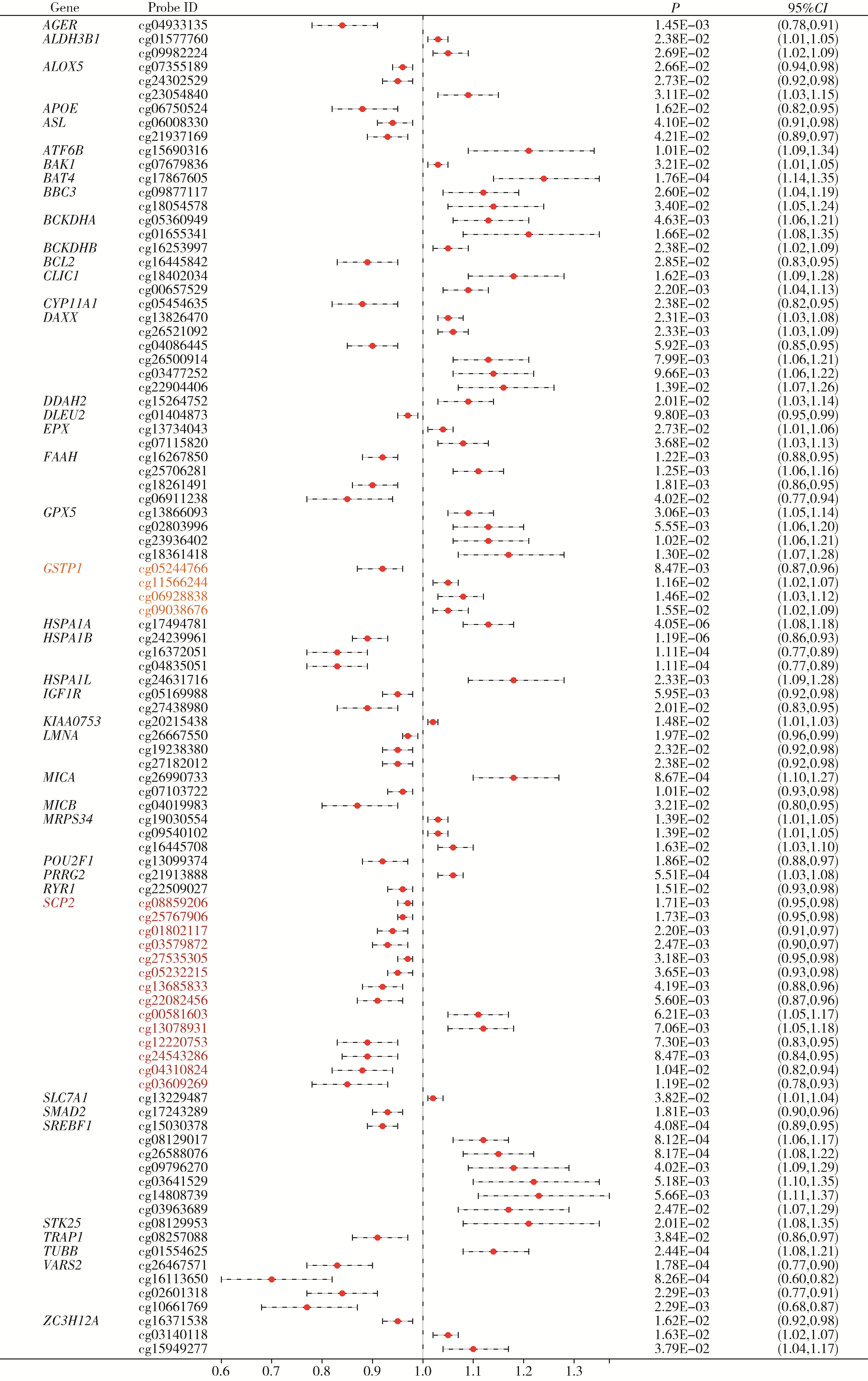
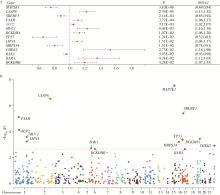
图1

基于汇总数据的孟德尔随机化分析中氧化应激相关基因甲基化水平与前列腺癌的关系"

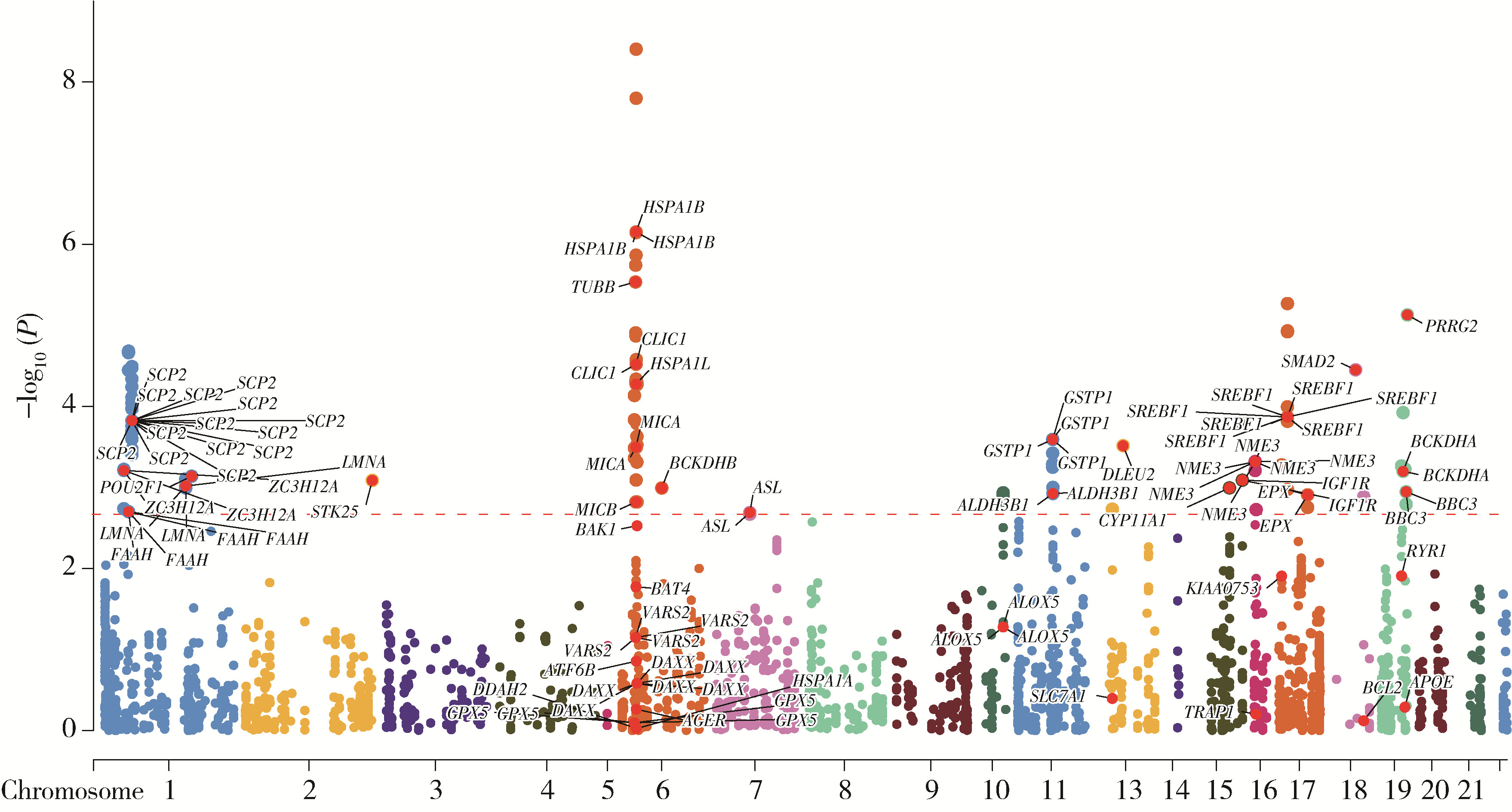
图2

不同氧化应激相关基因及其甲基化位点的曼哈顿图"

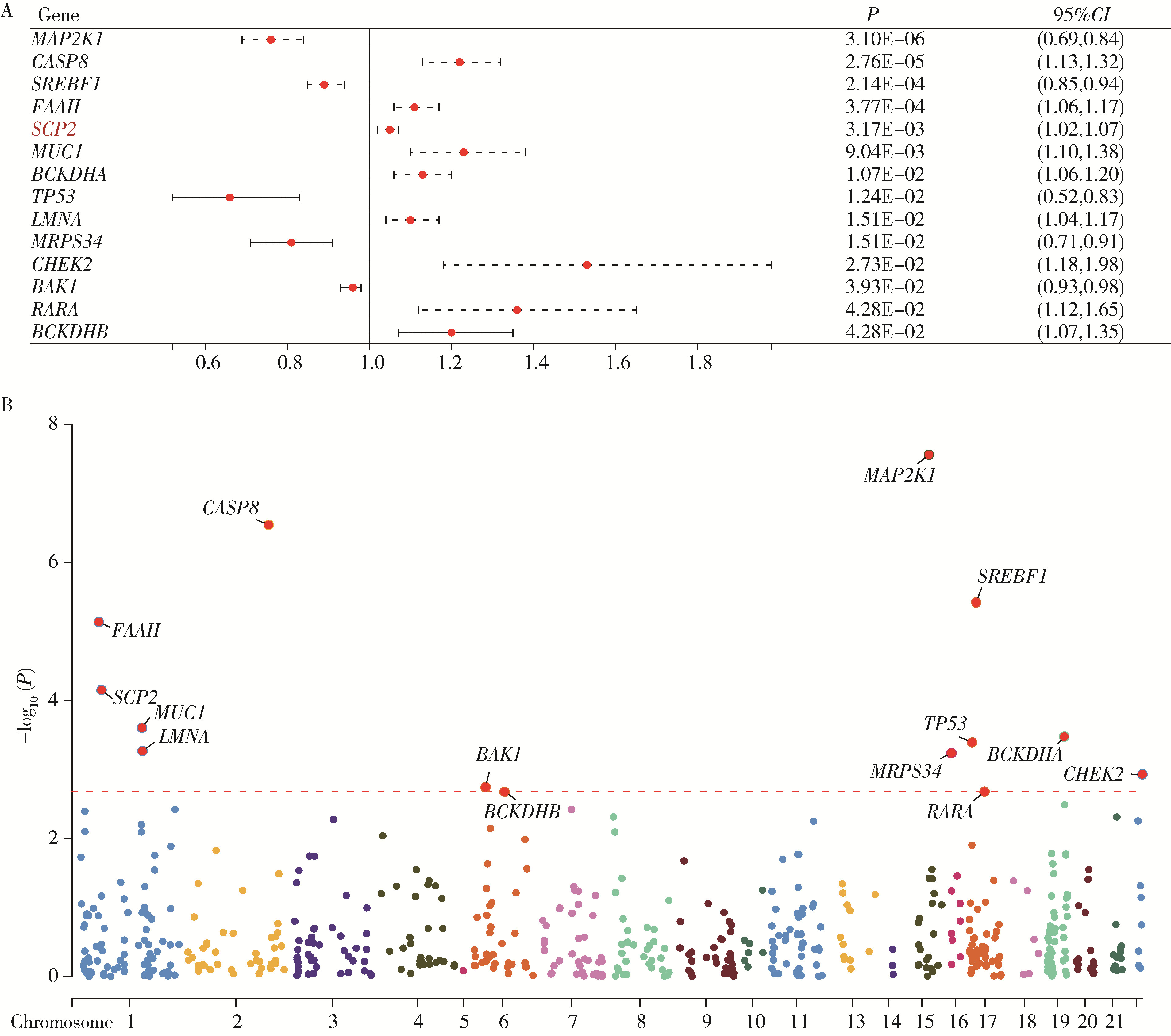
图3

不同氧化应激相关基因表达与前列腺癌的关系"

表1

GTEx数据库中与前列腺癌具有显著关联的氧化应激相关基因"

Gene OR 95%CI P
COX6B1 1.16 1.059-1.261 0.032
BAK1 0.95 0.915-0.981 0.047
TXN 1.13 1.041-1.218 0.047
PLA2G2A 1.05 1.015-1.081 0.047

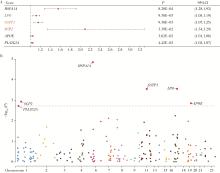
图4

不同氧化应激相关基因循环蛋白质层面与前列腺癌的关系"

表2

deCODE数据库中与前列腺癌具有显著关联的循环蛋白质"

Protein OR 95%CI P
LPO 0.97 0.947-0.983 0.009
HSPA1A 0.97 0.948-0.983 0.009
PLA2G2A 1.03 1.011-1.053 0.049

图5

敲除SCP2可抑制前列腺肿瘤细胞的致癌表型并促进其凋亡"

1
Bray F , Ferlay J , Soerjomataram I , et al. Global cancer statistics 2018: GLOBOCAN estimates of incidence and mortality worldwide for 36 cancers in 185 countries[J]. CA Cancer J Clin, 2018, 68 (6): 394- 424.
2
Culp MB , Soerjomataram I , Efstathiou JA , et al. Recent global patterns in prostate cancer incidence and mortality rates[J]. Eur Urol, 2020, 77 (1): 38- 52.
3
Drozdz-Afelt JM , Koim-Puchowska BB , Kaminski P . Analysis of oxidative stress indicators in Polish patients with prostate cancer[J]. Environ Sci Pollut Res Int, 2022, 29 (3): 4632- 4640.
4
Aloufi AS , Habotta OA , Abdelfattah MS , et al. Resistomycin suppresses prostate cancer cell growth by instigating oxidative stress, mitochondrial apoptosis, and cell cycle arrest[J]. Molecules, 2023, 28 (23): 7871.
5
Portela LM , Santos SA , Constantino FB , et al. Increased oxidative stress and cancer biomarkers in the ventral prostate of older rats submitted to maternal malnutrition[J]. Mol Cell Endocrinol, 2021, 523, 111148.
6
Khandrika L , Kumar B , Koul S , et al. Oxidative stress in prostate cancer[J]. Cancer Lett, 2009, 282 (2): 125- 136.
7
Shi W , Wang Y , Zhao Y , et al. Immune checkpoint B7-H3 is a therapeutic vulnerability in prostate cancer harboring PTEN and TP53 deficiencies[J]. Sci Transl Med, 2023, 15 (695): eadf6724.
8
Dong JT , Lamb PW , Rinker-Schaeffer CW , et al. KAI1, a metastasis suppressor gene for prostate cancer on human chromosome 11p11.2[J]. Science, 1995, 268 (5212): 884- 886.
9
Hayashi T , Fujita K , Nojima S , et al. High-fat diet-induced inflammation accelerates prostate cancer growth via IL6 signaling[J]. Clin Cancer Res, 2018, 24 (17): 4309- 4318.
10
Eeles RA , Kote-Jarai Z , Giles GG , et al. Multiple newly identified loci associated with prostate cancer susceptibility[J]. Nat Genet, 2008, 40 (3): 316- 321.
11
Lapillo M , Salis B , Palazzolo S , et al. First-of-its-kind STARD(3) Inhibitor: In silico identification and biological evaluation as anticancer agent[J]. ACS Med Chem Lett, 2019, 10 (4): 475- 480.
12
Kumar R , Chaudhary AK , Woytash J , et al. A mitochondrial unfolded protein response inhibitor suppresses prostate cancer growth in mice via HSP60[J]. J Clin Invest, 2022, 132 (13): e149906.
13
Shi Q , Jin X , Zhang P , et al. SPOP mutations promote p62/SQSTM1-dependent autophagy and Nrf2 activation in prostate cancer[J]. Cell Death Differ, 2022, 29 (6): 1228- 1239.
14
Sun J , Zhao J , Jiang F , et al. Identification of novel protein biomarkers and drug targets for colorectal cancer by integrating human plasma proteome with genome[J]. Genome Med, 2023, 15 (1): 75.
15
Chen J , Ruan X , Sun Y , et al. Multi-omic insight into the mole-cular networks of mitochondrial dysfunction in the pathogenesis of inflammatory bowel disease[J]. EBioMedicine, 2024, 99, 104934.
16
Xu M , Zhou H , Hu P , et al. Identification and validation of immune and oxidative stress-related diagnostic markers for diabetic nephropathy by WGCNA and machine learning[J]. Front Immunol, 2023, 14, 1084531.
17
Yang Y , Long X , Li K , et al. Development and validation of an oxidative stress-associated prognostic risk model for melanoma[J]. PeerJ, 2021, 9, e11258.
18
McRae AF , Marioni RE , Shah S , et al. Identification of 55 000 replicated DNA methylation QTL[J]. Sci Rep, 2018, 8 (1): 17605.
19
Võsa U , Claringbould A , Westra HJ , et al. Large-scale cis- and trans-eQTL analyses identify thousands of genetic loci and poly-genic scores that regulate blood gene expression[J]. Nat Genet, 2021, 53 (9): 1300- 1310.
20
Sun BB , Chiou J , Traylor M , et al. Plasma proteomic associations with genetics and health in the UK Biobank[J]. Nature, 2023, 622 (7982): 329- 338.
21
Ferkingstad E , Sulem P , Atlason BA , et al. Large-scale integration of the plasma proteome with genetics and disease[J]. Nat Genet, 2021, 53 (12): 1712- 1721.
22
GTEx Consortium . The GTEx Consortium atlas of genetic regula-tory effects across human tissues[J]. Science, 2020, 369 (6509): 1318- 1330.
23
Schumacher FR , Al Olama AA , Berndt SI , et al. Association analyses of more than 140, 000 men identify 63 new prostate cancer susceptibility loci[J]. Nat Genet, 2018, 50 (7): 928- 936.
24
Zhu Z , Zhang F , Hu H , et al. Integration of summary data from GWAS and eQTL studies predicts complex trait gene targets[J]. Nat Genet, 2016, 48 (5): 481- 487.
25
Giambartolomei C , Vukcevic D , Schadt EE , et al. Bayesian test for colocalisation between pairs of genetic association studies using summary statistics[J]. PLoS Genet, 2014, 10 (5): e1004383.
26
Yoshiji S , Butler-Laporte G , Lu T , et al. Proteome-wide Mendelian randomization implicates nephronectin as an actionable mediator of the effect of obesity on COVID-19 severity[J]. Nat Metab, 2023, 5 (2): 248- 264.
27
Battle A , Brown CD , Engelhardt BE , et al. Genetic effects on gene expression across human tissues[J]. Nature, 2017, 550 (7675): 204- 213.
28
Morrow JD , Glass K , Cho MH , et al. Human lung DNA methylation quantitative trait loci colocalize with chronic obstructive pulmonary disease genome-wide association loci[J]. Am J Respir Crit Care Med, 2018, 197 (10): 1275- 1284.
29
Zhang X , Fan H , Zhang X , et al. Mendelian randomization and colocalization analysis reveal new drug targets for oral ulcer: A Mendelian randomization analysis[J]. Health Sci Rep, 2025, 8 (2): e70405.
30
Zhang Y , Chen Y , Zhang Z , et al. Acox2 is a regulator of lysine crotonylation that mediates hepatic metabolic homeostasis in mice[J]. Cell Death Dis, 2022, 13 (3): 279.
31
Chen RK , Xue YK , Yang FD , et al. Lentivirus-mediated silencing of HSDL2 suppresses cell proliferation in human gliomas[J]. Tumour Biol, 2016, 37 (11): 15065- 15077.
32
Ding X , Fan K , Hu J , et al. SCP2-mediated cholesterol membrane trafficking promotes the growth of pituitary adenomas via Hedgehog signaling activation[J]. J Exp Clin Cancer Res, 2019, 38 (1): 404.
33
Dai T , Xue X , Huang J , et al. SCP2 mediates the transport of lipid hydroperoxides to mitochondria in chondrocyte ferroptosis[J]. Cell Death Discov, 2023, 9 (1): 234.
34
Mao C , Liu X , Zhang Y , et al. DHODH-mediated ferroptosis defence is a targetable vulnerability in cancer[J]. Nature, 2021, 593 (7860): 586- 590.
35
Mohana K , Achary A . Human cytosolic glutathione-S-transferases: Quantitative analysis of expression, comparative analysis of structures and inhibition strategies of isozymes involved in drug resis-tance[J]. Drug Metab Rev, 2017, 49 (3): 318- 337.
36
Sun Y , He Q , Li J , et al. A GSTP1-mediated lactic acid signaling promotes tumorigenesis through the PPP oxidative branch[J]. Cell Death Dis, 2023, 14 (7): 463.
37
Tchou JC , Lin X , Freije D , et al. GSTP1 CpG island DNA hypermethylation in hepatocellular carcinomas[J]. Int J Oncol, 2000, 16 (4): 663- 676.
38
Louie SM , Grossman EA , Crawford LA , et al. GSTP1 is a driver of triple-negative breast cancer cell metabolism and pathogenicity[J]. Cell Chem Biol, 2016, 23 (5): 567- 578.
39
Tanaka G , Inoue K , Shimizu T , et al. Dual pharmacological inhibition of glutathione and thioredoxin systems synergizes to kill colorectal carcinoma stem cells[J]. Cancer Med, 2016, 5 (9): 2544- 2557.
40
Wang SQ , Chen JJ , Jiang Y , et al. Targeting GSTP1 as therapeutic strategy against lung adenocarcinoma stemness and resistance to tyrosine kinase inhibitors[J]. Adv Sci (Weinh), 2023, 10 (7): e2205262.
41
Henrique R , Jerónimo C . Molecular detection of prostate cancer: A role for GSTP1 hypermethylation[J]. Eur Urol, 2004, 46 (5): 660- 669.
42
Nakayama M , Gonzalgo ML , Yegnasubramanian S , et al. GSTP1 CpG island hypermethylation as a molecular biomarker for prostate cancer[J]. J Cell Biochem, 2004, 91 (3): 540- 552.
43
Woodson K , O'reilly KJ , Hanson JC , et al. The usefulness of the detection of GSTP1 methylation in urine as a biomarker in the diagnosis of prostate cancer[J]. J Urol, 2008, 179 (2): 508- 511.
44
Flemmig J , Gau J , Schlorke D , et al. Lactoperoxidase as a potential drug target[J]. Expert Opin Ther Targets, 2016, 20 (4): 447- 461.
45
Gerson C , Sabater J , Scuri M , et al. The lactoperoxidase system functions in bacterial clearance of airways[J]. Am J Respir Cell Mol Biol, 2000, 22 (6): 665- 671.
46
Moskwa P , Lorentzen D , Excoffon KJ , et al. A novel host defense system of airways is defective in cystic fibrosis[J]. Am J Respir Crit Care Med, 2007, 175 (2): 174- 183.
47
Yang WS , Stockwell BR . Ferroptosis: Death by lipid peroxidation[J]. T Trends Cell Biol, 2016, 26 (3): 165- 176.
48
Krishnamoorthy S , Li GH , Cheung CL . Transcriptome-wide summary data-based Mendelian randomization analysis reveals 38 novel genes associated with severe COVID-19[J]. J Med Virol, 2023, 95 (1): e28162.
49
Gay NR , Gloudemans M , Antonio ML , et al. Impact of admixture and ancestry on eQTL analysis and GWAS colocalization in GTEx[J]. Genome Biol, 2020, 21 (1): 233.
[1] 王泽远, 于栓宝, 郑浩轲, 陶金, 范雅峰, 张雪培. 基于临床特征和多参数MRI的前列腺癌盆腔淋巴结转移的术前预测模型[J]. 北京大学学报(医学版), 2025, 57(4): 684-691.
[2] 李志存, 吴天俣, 梁磊, 范宇, 孟一森, 张骞. 穿刺活检单针阳性前列腺癌术后病理升级的危险因素分析及列线图模型构建[J]. 北京大学学报(医学版), 2024, 56(5): 896-901.
[3] 田宇轩,阮明健,刘毅,李德润,吴静云,沈棋,范宇,金杰. 双参数MRI改良PI-RADS评分4分和5分病灶的最大径对临床有意义前列腺癌的预测效果[J]. 北京大学学报(医学版), 2024, 56(4): 567-574.
[4] 姚凯烽,阮明健,李德润,田宇轩,陈宇珂,范宇,刘毅. 靶向穿刺联合区域系统穿刺对PI-RADS 4~5分患者的前列腺癌诊断效能[J]. 北京大学学报(医学版), 2024, 56(4): 575-581.
[5] 欧俊永,倪坤明,马潞林,王国良,颜野,杨斌,李庚午,宋昊东,陆敏,叶剑飞,张树栋. 肌层浸润性膀胱癌合并中高危前列腺癌患者的预后因素[J]. 北京大学学报(医学版), 2024, 56(4): 582-588.
[6] 马雨佳,卢燃藜,周泽宸,李晓怡,闫泽玉,武轶群,陈大方. 基于两样本孟德尔随机化的失眠与2型糖尿病关联研究[J]. 北京大学学报(医学版), 2024, 56(1): 174-178.
[7] 薛蔚,董樑,钱宏阳,费笑晨. 前列腺癌新辅助治疗与辅助治疗的现状及进展[J]. 北京大学学报(医学版), 2023, 55(5): 775-780.
[8] 刘毅,袁昌巍,吴静云,沈棋,肖江喜,赵峥,王霄英,李学松,何志嵩,周利群. 靶向穿刺+6针系统穿刺对PI-RADS 5分患者的前列腺癌诊断效能[J]. 北京大学学报(医学版), 2023, 55(5): 812-817.
[9] 毛海,张帆,张展奕,颜野,郝一昌,黄毅,马潞林,褚红玲,张树栋. 基于MRI前列腺腺体相关参数构建腹腔镜前列腺癌术后尿失禁的预测模型[J]. 北京大学学报(医学版), 2023, 55(5): 818-824.
[10] 袁昌巍,李德润,李志华,刘毅,山刚志,李学松,周利群. 多参数磁共振成像中动态对比增强状态在诊断PI-RADS 4分前列腺癌中的应用[J]. 北京大学学报(医学版), 2023, 55(5): 838-842.
[11] 刘志伟,刘鹏,孟凡星,李天水,王颖,高嘉琪,周佐邑,王聪,赵斌. 内源性二氧化硫对脓毒症大鼠心肌氧化应激的调节[J]. 北京大学学报(医学版), 2023, 55(4): 582-586.
[12] 白枫,何倚帆,牛亚楠,杨若娟,曹静. 超细颗粒物对大鼠离体灌注心脏功能的影响[J]. 北京大学学报(医学版), 2021, 53(2): 240-245.
[13] 刘毅,刘志坚,沈棋,吴静云,范宇,李德润,虞巍,何志嵩. 14例恶性潜能未定的前列腺间质肿瘤病例分析[J]. 北京大学学报(医学版), 2020, 52(4): 621-624.
[14] 郝一昌,颜野,张帆,邱敏,周朗,刘可,卢剑,肖春雷,黄毅,刘承,马潞林. 穿刺活检单针阳性的前列腺癌手术策略选择及经验总结[J]. 北京大学学报(医学版), 2020, 52(4): 625-631.
[15] 轩艳,蔡宇,王啸轩,石巧,邱立新,栾庆先. 牙龈卟啉单胞菌感染对载脂蛋白e基因敲除小鼠动脉粥样硬化的影响[J]. 北京大学学报(医学版), 2020, 52(4): 743-749.
Viewed
Full text


Abstract

Cited

  Shared   
  Discussed   
No Suggested Reading articles found!