北京大学学报(医学版) ›› 2026, Vol. 58 ›› Issue (3): 658-665. doi: 10.19723/j.issn.1671-167X.2026.03.028

• 技术方法 • 上一篇    下一篇

高效和稳定提取原代成年小鼠心脏成纤维细胞的新方法

马小娟1,*, 王好1,*, 马学芹2, 宋颖1, 于佳卉1, 孙艳1, 李艳芳1, 薛丽香1, 李显龙1, 杨建岭1,*(), 王艳1,*()   

  1. 1. 北京大学第三医院医学创新研究院,北京 100191
    2. 济南市第八人民医院内分泌科,济南 271100
  • 收稿日期:2024-11-12 出版日期:2026-06-18 发布日期:2026-04-07
  • 通讯作者: 杨建岭, 王艳
  • 作者简介:

    * These authors contributed equally to this work

  • 基金资助:
    国家自然科学基金(82471329)

A new method for extracting adult mouse cardiac fibroblasts more efficiently and stably

Xiaojuan MA1, Hao WANG1, Xueqin MA2, Ying SONG1, Jiahui YU1, Yan SUN1, Yanfang LI1, Lixiang XUE1, Xianlong LI1, Jianling YANG1,*(), Yan WANG1,*()   

  1. 1. Institute of Medical Innovation and Research, Peking University Third Hospital, Beijing 100191, China
    2. Department of Endocrinology, The Eighth People' s Hospital of Jinan, Jinan 271100, China
  • Received:2024-11-12 Online:2026-06-18 Published:2026-04-07
  • Contact: Jianling YANG, Yan WANG
  • Supported by:
    the National Natural Science Foundation of China(82471329)

RICH HTML


摘要:

目的: 心脏成纤维细胞(cardiac fibroblasts,CFs)在心肌重塑和纤维化进程中发挥核心作用,其高效获取是开展相关机制研究的先决条件。目前,提取原代成年小鼠CFs的方法存在耗时长、得率低、活性差等问题,本研究旨在通过优化酶解体系与机械解离参数的协同作用,建立快速、高产、稳定的成年小鼠CFs分离方案。方法: 借助全自动组织解离器(gentleMACS® Octo Dissociator with Heaters),选择不同种类及浓度的胶原酶、胰蛋白酶和核酸酶作为酶解体系,提取成年小鼠CFs,探索更优化的提取条件(优化组),并与商品化多组织解离试剂盒2(Multi Tissue Dissociation Kit 2,试剂盒组)的提取效果进行比较。采用高内涵成像分析系统统计贴壁72 h后的每视野细胞数量,检测细胞得率;用免疫荧光法标记波形蛋白(vimentin),鉴定CFs的纯度;用转化生长因子β1(transforming growth factor β1,TGF-β1)刺激CFs,判断转分化活性。结果: 胶原酶、胰蛋白酶和核酸酶三者缺少任意一种都将延长细胞提取时间,降低细胞得率。优化组比商品化试剂盒组的消化时长缩短32.2 min,CFs得率显著提高。在TGF-β1处理后,CFs的增殖能力增强,α-平滑肌肌动蛋白、Ⅰ型胶原和纤连蛋白的表达量上调。结论: 本研究依托组织解离器,优化了一种基于胶原酶、胰蛋白酶和核酸酶的混合酶消化法,能够高效、稳定地提取具有正常分化潜能的成年小鼠CFs。

关键词: 小鼠, 心脏成纤维细胞, 原代细胞培养, 组织解离

Abstract:

Objective: Cardiac fibroblasts (CFs) play a central role in myocardial remodeling and fibrosis. Efficient isolation of CFs is a prerequisite for investigating related mechanisms. However, current methods for isolating primary adult mouse CFs suffer from prolonged processing time, low yield, and poor viability. This study aims to establish a rapid, high-yield, and stable isolation protocol for adult mouse CFs by optimizing the synergistic effect of enzymatic digestion and mechanical dissociation parameters. Methods: Using the gentleMACS® Octo Dissociator with Heaters, we selected different types and concentrations of collagenase, trypsin, and nuclease as the enzymatic digestion system for CFs extraction. We explored the optimal extraction conditions and compared the results with the commercial Multi Tissue Dissociation Kit 2. The cell yield was quantified using a high-content imaging analysis system by counting the number of adherent cells per field after 72 h of culture. The CFs purity was assessed using immunofluorescence staining for vimentin. The trans-differentiation activity of the CFs was evaluated with transforming growth factor β1 (TGF-β1). Results: Omitting any component of the digestion solution (collagenase Ⅱ/Ⅳ, trypsin or DNaseⅠ), significantly prolonged extraction time and reduced cell yield. In contrast, the optimized protocol outperformed the commercial kit, reducing digestion time by 32.2 min and significantly increasing cell yield, and with comparable obtained CFs purity. After TGF-β1 stimulation, CFs exhibited enhanced proliferative capacity and upregulated expression of α-smooth muscle actin (α-SMA), collagen type Ⅰ (ColⅠ), and fibronectin (FN), confirming the differentiation potential of CFs isolated via the optimized method. Conclusion: This study systematically optimized an enzymatic digestion method combining collagenase, trypsin, and nuclease in conjunction with mechanical dissociation using a tissue dissociator, leading to the efficient and stable isolation of adult mouse CFs. By fine-tuning enzyme concentrations and digestion conditions, we successfully reduced processing time, improved cell yield, and enhanced cell viability compared with conventional isolation methods. These findings validate the physiological relevance of the isolated CFs and demonstrate that the optimized protocol provides a reliable and reproducible method for studying myocardial fibrosis and remodeling. This protocol can serve as a valuable tool for researchers investigating CFs biology and its role in cardiovascular diseases.

Key words: Mice, Cardiac fibroblasts, Primary cell culture, Tissue dissociation

中图分类号: 

  • R392-33

表1

qPCR引物序列"

Name Primer sequence (5′-3′)
GAPDH Forward: AGGTCGGTGTGAACGGATTTG
Reverse: TGTAGACCATGTAGTTGAGGTCAA
α-SMA Forward: CTTCCAGCCATCTTTCATTGG
Reverse: GTTCTGGAGGGGCAATGAT
ColⅠ Forward: CCTCAGGGTATTGCTGGACAAC
Reverse: CAGAAGGACCTTGTTTGCCAGG
FN Forward: CCGGTGGCTGTCAGTCAGA
Reverse: CCGTTCCCACTGCTGATTTATC

表2

胶原酶Ⅱ与胶原酶Ⅳ联合消化酶的配伍条件"

Enzyme concentrations Collagenase Ⅱ group Collagenase Ⅳ group
Collagenase Ⅱ/(g/L) 1.2 -
Collagenase Ⅳ/(g/L) - 1.2
Trypsin/(g/L) 0.8 0.8
DNaseⅠ/(g/L) 0.2 0.2
Red blood cell lysis + +

表3

胶原酶Ⅱ与胶原酶Ⅳ联合消化法的效果比较"

Group Digestion time/min Cell yield (cell number/field), median (minimum, maximum)
Collagenase Ⅱ 22 479 (419, 653)
Collagenase Ⅳ 22 474 (435, 669)

表4

不同组别的处理条件"

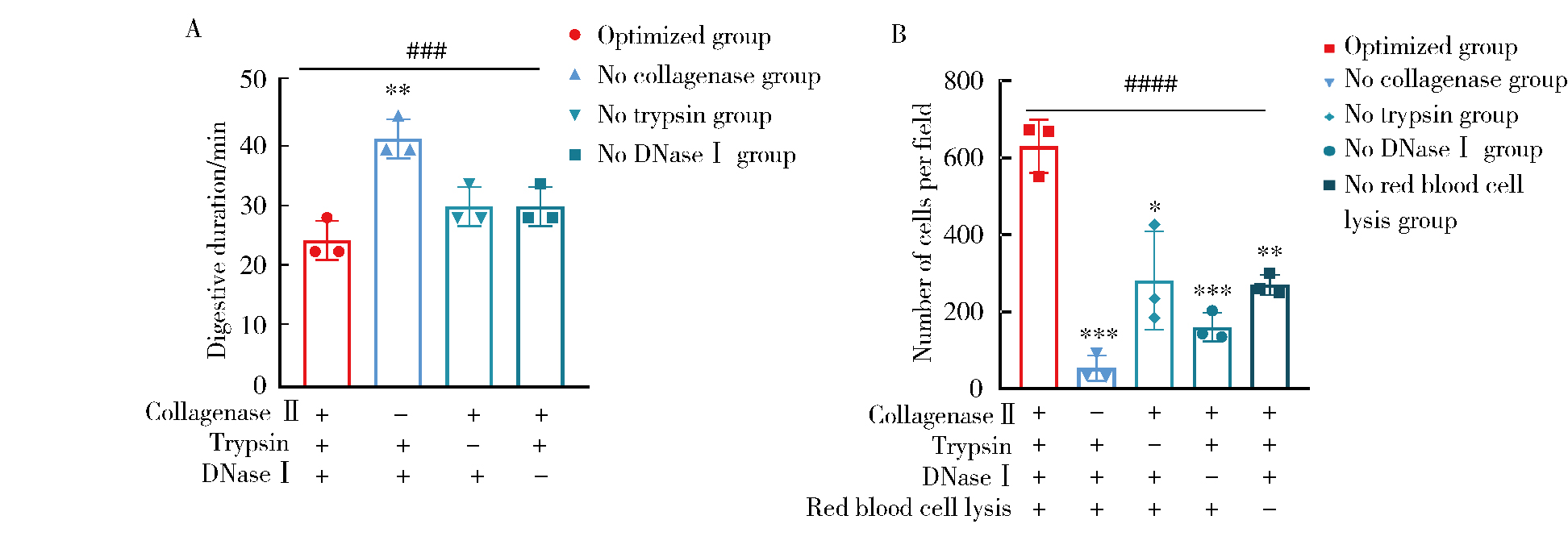
Enzyme concentrations Optimized group No collagenase group No trypsin group No DNaseⅠ group No red blood cell lysis group
Collagenase Ⅱ/(g/L) 1.2 - 1.2 1.2 1.2
Trypsin/(g/L) 0.8 0.8 - 0.8 0.8
DNaseⅠ/(g/L) 0.2 0.2 0.2 - 0.2
Red blood cell lysis + + + + -

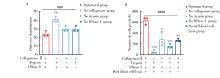
图1

各组消化用时和细胞得率(细胞数/视野)的比较"

表5

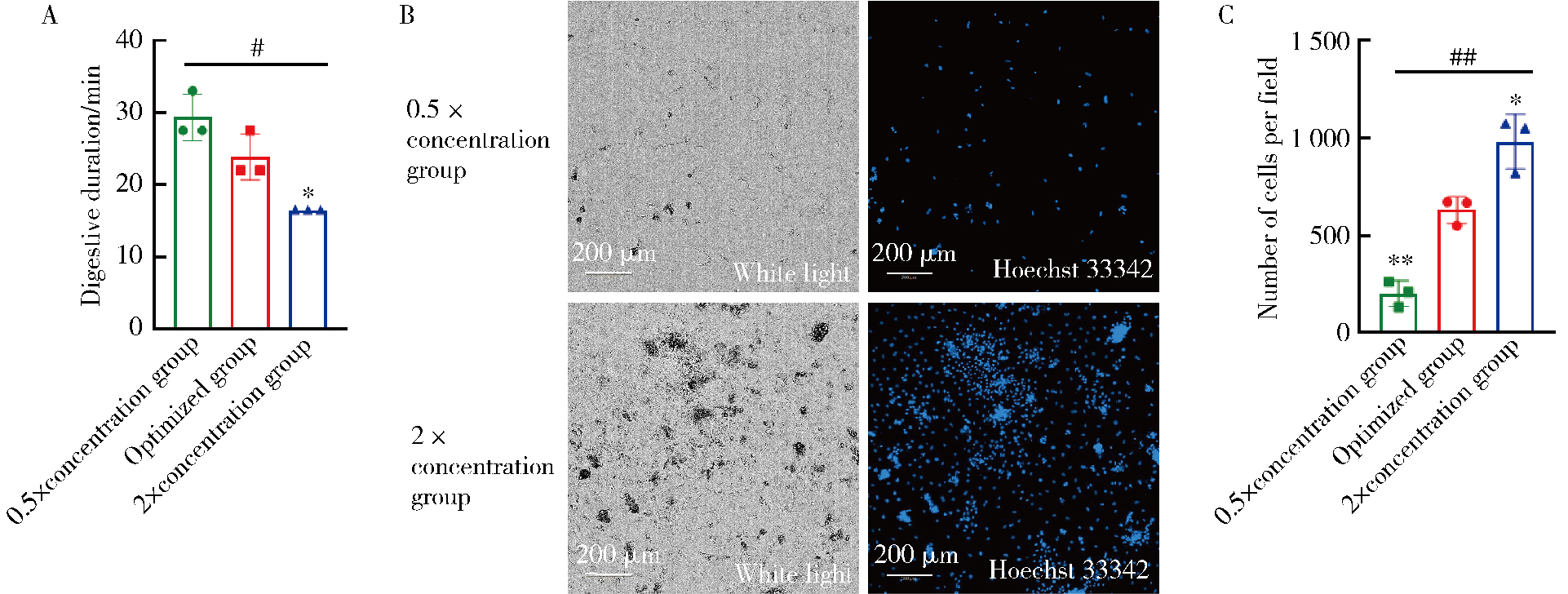
各组消化酶浓度及处理条件"

Enzyme concentrations Optimized group 0.5×concentration group 2×concentration group
Collagenase Ⅱ/(g/L) 1.2 0.6 2.4
Trypsin/(g/L) 0.8 0.4 1.6
DNaseⅠ/(g/L) 0.2 0.1 0.4
Red blood cell lysis + + +

图2

优化组、0.5×浓度组和2×浓度组消化用时和细胞得率(细胞数/视野)的比较"

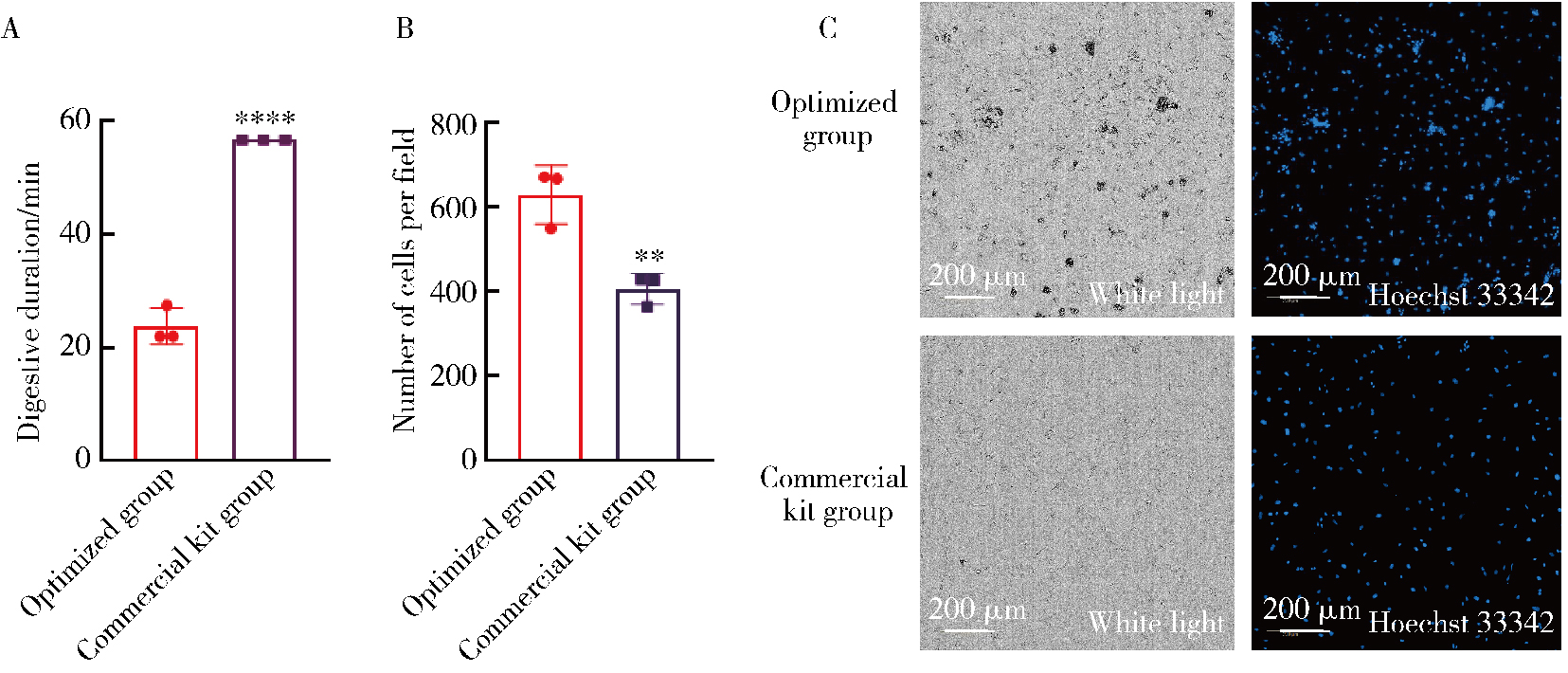
图3

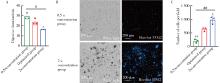
优化组与试剂盒组消化时长和细胞得率(细胞数/视野)的比较"

图4

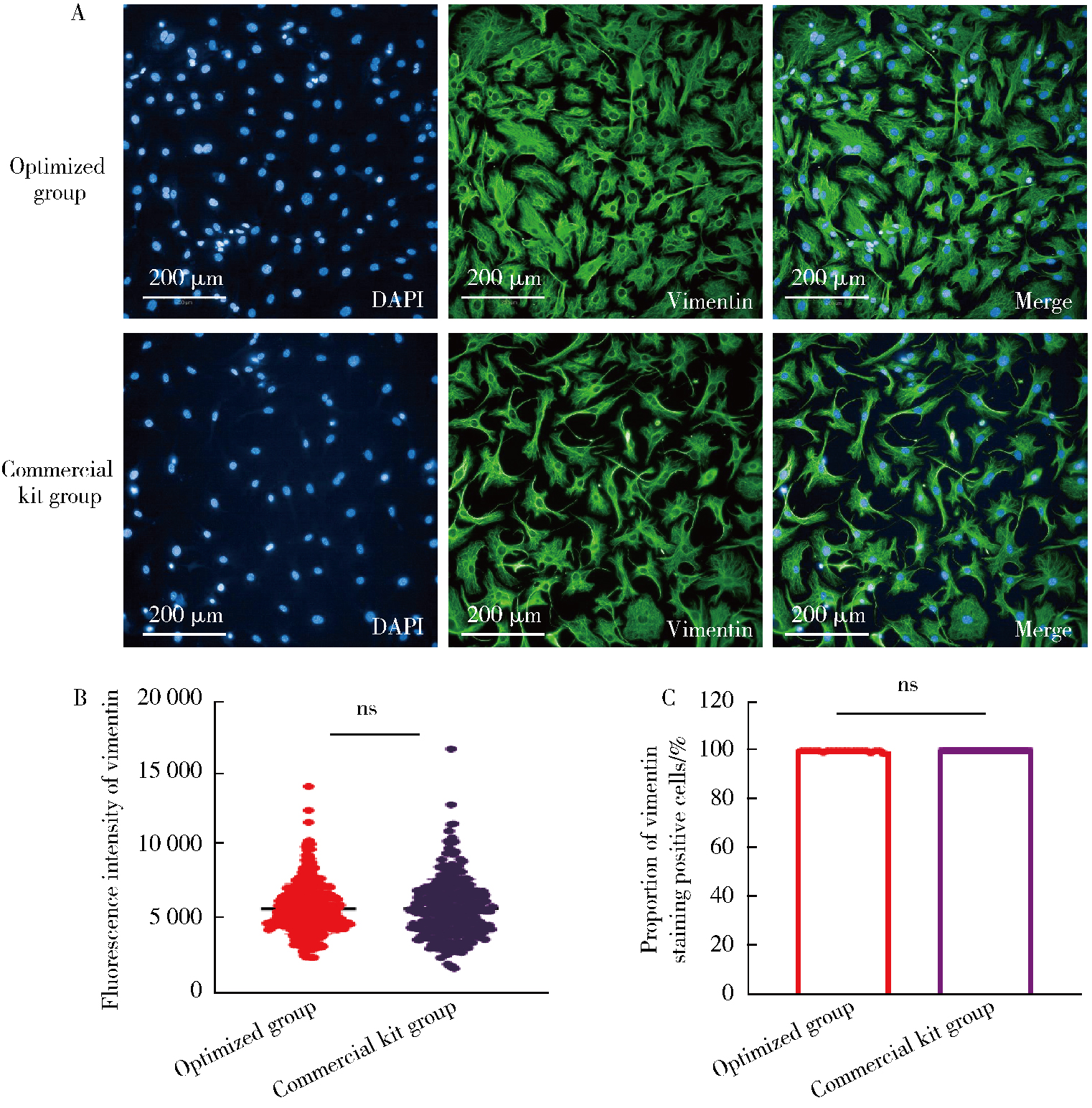
优化组与试剂盒组提取CFs的纯度比较"

图5

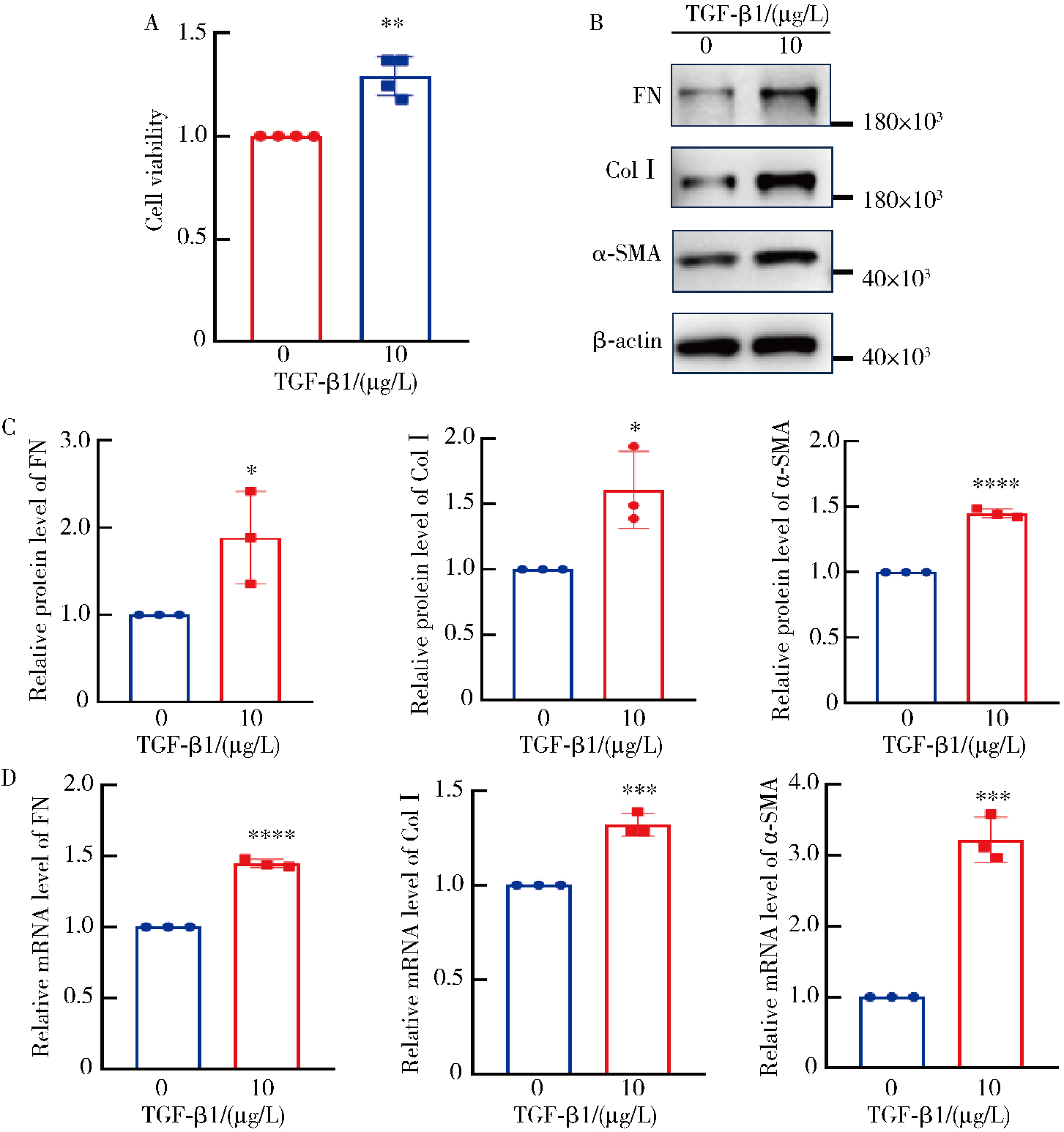
TGF-β1处理后CFs转分化能力的评估"

1
Frangogiannis NG . Fibroblast: Extracellular matrix interactions in tissue fibrosis[J]. Curr Pathobiol Rep, 2016, 4 (1): 11- 18.

doi: 10.1007/s40139-016-0099-1
2
Khalil H , Kanisicak O , Vagnozzi RJ , et al. Cell-specific ablation of Hsp47 defines the collagen-producing cells in the injured heart[J]. JCI Insight, 2019, 4 (15): e128722.

doi: 10.1172/jci.insight.128722
3
Davis J , Molkentin JD . Myofibroblasts: Trust your heart and let fate decide[J]. J Mol Cell Cardiol, 2014, 70, 9- 18.

doi: 10.1016/j.yjmcc.2013.10.019
4
Gourdie RG , Dimmeler S , Kohl P . Novel therapeutic strategies targeting fibroblasts and fibrosis in heart disease[J]. Nat Rev Drug Discov, 2016, 15 (9): 620- 638.

doi: 10.1038/nrd.2016.89
5
Shinde AV , Frangogiannis NG . Fibroblasts in myocardial infarction: A role in inflammation and repair[J]. J Mol Cell Cardiol, 2014, 70, 74- 82.

doi: 10.1016/j.yjmcc.2013.11.015
6
Li L , Zhao Q , Kong W . Extracellular matrix remodeling and cardiac fibrosis[J]. Matrix Biol, 2018, 68/69, 490- 506.

doi: 10.1016/j.matbio.2018.01.013
7
Aghajanian H , Kimura T , Rurik JG , et al. Targeting cardiac fibrosis with engineered T cells[J]. Nature, 2019, 573 (7774): 430- 433.

doi: 10.1038/s41586-019-1546-z
8
Henderson NC , Rieder F , Wynn TA . Fibrosis: From mechanisms to medicines[J]. Nature, 2020, 587 (7835): 555- 566.

doi: 10.1038/s41586-020-2938-9
9
冯姗, 徐文丽, 吴济民, 等. 血管紧张素Ⅱ促进心脏成纤维细胞转分化的实验条件优化[J]. 中国病理生理杂志, 2022, 38 (1): 167- 177.
10
张毅, 孟祥雯. 小鼠乳鼠心脏成纤维细胞的原代培养及鉴定[J]. 细胞与分子免疫学杂志, 2020, 36 (4): 344- 348.
11
张聪聪, 王晓, 程乃萱, 等. 原代小鼠心脏成纤维细胞的衰老模型建立[J]. 心肺血管病杂志, 2022, 41 (7): 821- 826.
12
孙赫, 涂彬, 宋凯, 等. DNMT3A对高糖环境下小鼠心肌成纤维细胞增殖与迁移的影响[J]. 中国药理学通报, 2023, 39 (3): 555- 560.
13
陈泽润, 李艺, 梁俣, 等. 环状RNA MYO9A_043通过下调CPEB4表达发挥抑制小鼠心脏成纤维细胞纤维化表型的作用[J]. 中国病理生理杂志, 2023, 39 (7): 1225- 1232.
14
梁春宝, 李立林, 蔡冬青. 单细胞核测序揭示成年小鼠心脏构成细胞的分群及占比[J]. 暨南大学学报(自然科学与医学版), 2023, 44 (2): 124- 136.
15
Almazloum A , Khalil H . Isolation of adult mouse cardiac fibroblasts[J]. Curr Protoc, 2023, 3 (7): e840.

doi: 10.1002/cpz1.840
16
李如君, 龚开政, 张振刚. 成年小鼠心脏成纤维细胞的分离、纯化和原代培养[J]. 细胞与分子免疫学杂志, 2017, 33 (1): 67- 71.
17
师雷, 金振晓, 谭延振, 等. 简易灌注装置同时提取成年小鼠心肌细胞和心脏成纤维细胞[J]. 中国体外循环杂志, 2023, 21 (3): 172- 178.
18
肖晗, 朴成实, 陈瑞飞, 等. AMPK激活通过负性调控C/EBPβ抑制小鼠心脏成纤维细胞TGFβ1表达[J]. 生理学报, 2017, 69 (2): 123- 128.
19
陈洪群, 郑梅, 晏乘曦, 等. 改良联合酶消化法提取成年小鼠原代心脏成纤维细胞[J]. 山东医药, 2019, 59 (21): 38- 41.
20
Leask A . Potential therapeutic targets for cardiac fibrosis: TGF-beta, angiotensin, endothelin, CCN2, and PDGF, partners in fibroblast activation[J]. Circ Res, 2010, 106 (11): 1675- 1680.

doi: 10.1161/CIRCRESAHA.110.217737
21
Liu M , López de Juan Abad B , Cheng K . Cardiac fibrosis: Myofibroblast-mediated pathological regulation and drug delivery strategies[J]. Adv Drug Deliv Rev, 2021, 173, 504- 519.
22
Tallquist MD . Cardiac fibroblast diversity[J]. Annu Rev Physiol, 2020, 82, 63- 78.

doi: 10.1146/annurev-physiol-021119-034527
23
Hinz B , Phan SH , Thannickal VJ , et al. The myofibroblast: One function, multiple origins[J]. Am J Pathol, 2007, 170 (6): 1807- 1816.
[1] 袁婷婷,李燊,吴燕,吴海涛. 长期自由选择饮酒小鼠模型的建立及其行为学评价[J]. 北京大学学报(医学版), 2023, 55(2): 315-323.
[2] 张京,宋佳桂,王振斌,龚玉清,王天卓,周津羽,战军,张宏权. Kindlin-2通过mTOR和Hippo信号通路调节小鼠子宫内膜发育[J]. 北京大学学报(医学版), 2022, 54(5): 846-852.
[3] 焦翠,王俭妹,况海霞,武志红,柳涛. CACNA1H基因敲除对小鼠孤独症样行为及海马神经元形态学的影响[J]. 北京大学学报(医学版), 2022, 54(2): 209-216.
[4] 贾睿璇,姜尚伟,赵琳,杨丽萍. Cyp4v3基因敲除小鼠模型的表型分析[J]. 北京大学学报(医学版), 2021, 53(6): 1099-1106.
[5] 朱忆颖,闵赛南,俞光岩. 局部注射环孢素A对非肥胖糖尿病小鼠下颌下腺分泌功能及炎症的影响[J]. 北京大学学报(医学版), 2021, 53(4): 750-757.
[6] 朱梅青,崔蓉. 高效液相色谱法测定小鼠血浆中苯并三唑类紫外线吸收剂UV-327和UV-328[J]. 北京大学学报(医学版), 2020, 52(3): 591-596.
[7] 张晓威,殷华奇,李清,赵永平,KiteBrandes,白文俊,徐涛. 人类趋化素样因子超家族2参与小鼠精子形成[J]. 北京大学学报(医学版), 2019, 51(2): 228-233.
[8] 吴天伟,崔蓉,张宝旭. 高效液相色谱法测定小鼠血浆中8-甲氧基补骨脂素及其药代动力学研究[J]. 北京大学学报(医学版), 2018, 50(5): 792-796.
[9] 康磊,霍焱,王荣福,张春丽,闫平,徐小洁. MicroRNA-155靶向的放射性标记探针对乳腺癌小鼠模型的活体显像[J]. 北京大学学报(医学版), 2018, 50(2): 326-330.
[10] 张伟,庞春艳,王永福. 脂肪间充质干细胞对MRL/lpr小鼠的治疗效果及对脾脏Th17/Treg细胞平衡的影响[J]. 北京大学学报(医学版), 2017, 49(6): 974-978.
[11] 孙睿, 高波, 郭传瑸. 裸小鼠淋巴结的解剖和组织学特点[J]. 北京大学学报(医学版), 2017, 49(5): 893-898.
[12] 高丽,于晓潜,蔡宇. 丝线结扎及局部涂抹牙龈卟啉单胞菌对小鼠牙槽骨骨吸收的影响[J]. 北京大学学报(医学版), 2017, 49(1): 31-035.
[13] 王志华,张伟,张艳清,庞春艳,王永福. CD40 siRNA对 MRL/Lpr狼疮小鼠炎症反应的影响[J]. 北京大学学报(医学版), 2016, 48(5): 771-776.
[14] 陈小梅,李富强,严速,吴小翠,唐翠兰. 尼古丁减轻高脂高果糖诱导的非酒精性脂肪性肝炎小鼠的肝脏炎症[J]. 北京大学学报(医学版), 2016, 48(5): 777-782.
[15] 许永德,关瑞礼,吴元翼,雷洪恩,杨璧铖,李辉喜,王林,郭应禄,辛钟成. 裸鼠肾被膜下阴茎海绵体组织和盆神经节移植的可行性[J]. 北京大学学报(医学版), 2016, 48(4): 725-728.
Viewed
Full text


Abstract

Cited

  Shared   
  Discussed   
No Suggested Reading articles found!