Journal of Peking University (Health Sciences) ›› 2026, Vol. 58 ›› Issue (4): 818-826. doi: 10.19723/j.issn.1671-167X.2026.04.019

Previous Articles     Next Articles

Expression characteristics and clinical significance of ERBB2 in bladder urothelial carcinoma based on the TCGA database

Guangwei ZHENG, Yun PENG, Yiqing DU*(), Tao XU*()   

  1. Department of Urology, Peking University People's Hospital, Beijing 100044, China
  • Received:2026-03-02 Online:2026-08-18 Published:2026-06-30
  • Contact: Yiqing DU, Tao XU
  • Supported by:
    National Major Projects on Four Major Chronic Diseases(2024ZD0525700); National Natural Science Foundation of China(82471866); National Natural Science Foundation of China(82472912); Beijing Natural Science Foundation(L252190)

RICH HTML


Abstract:

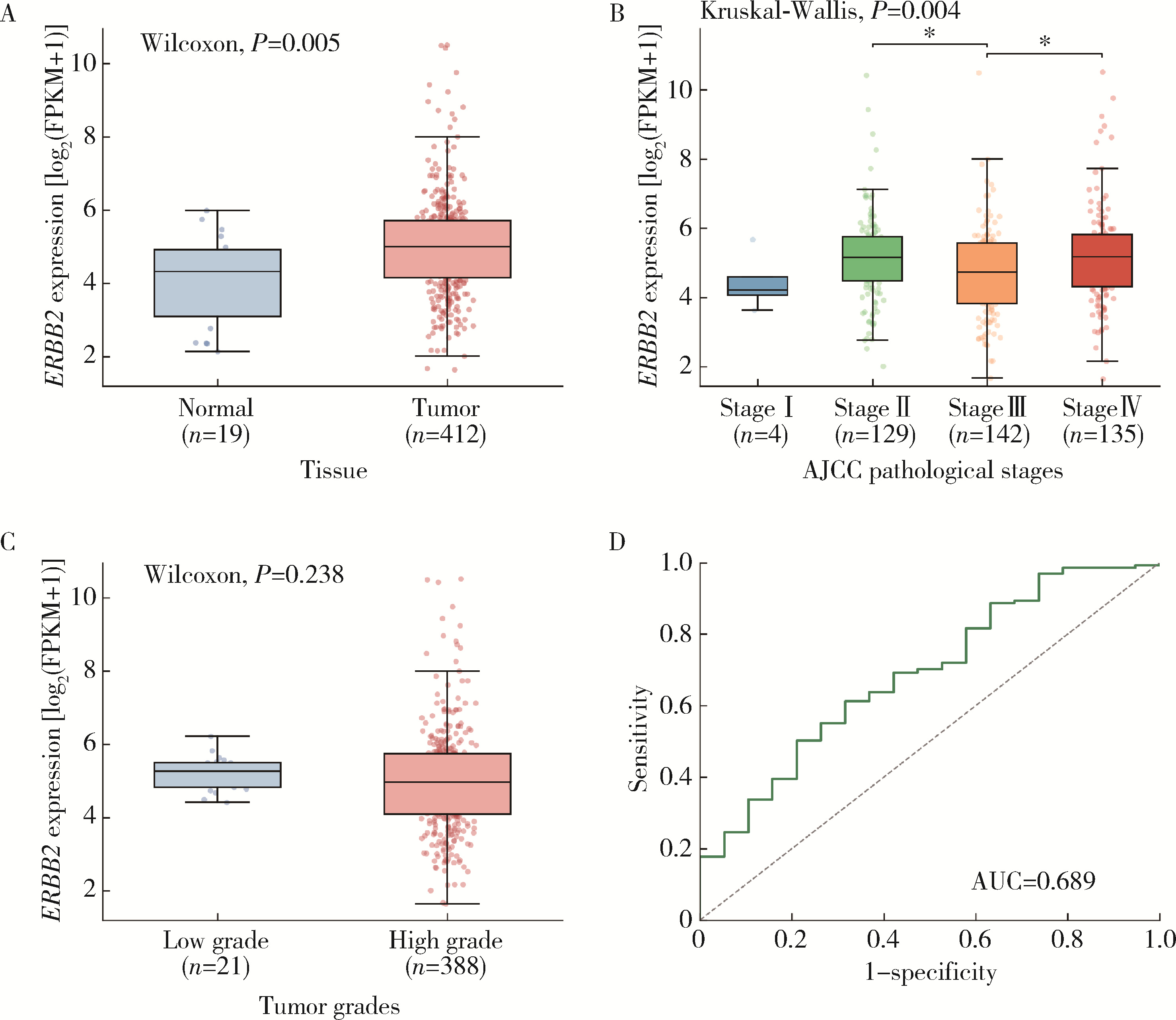
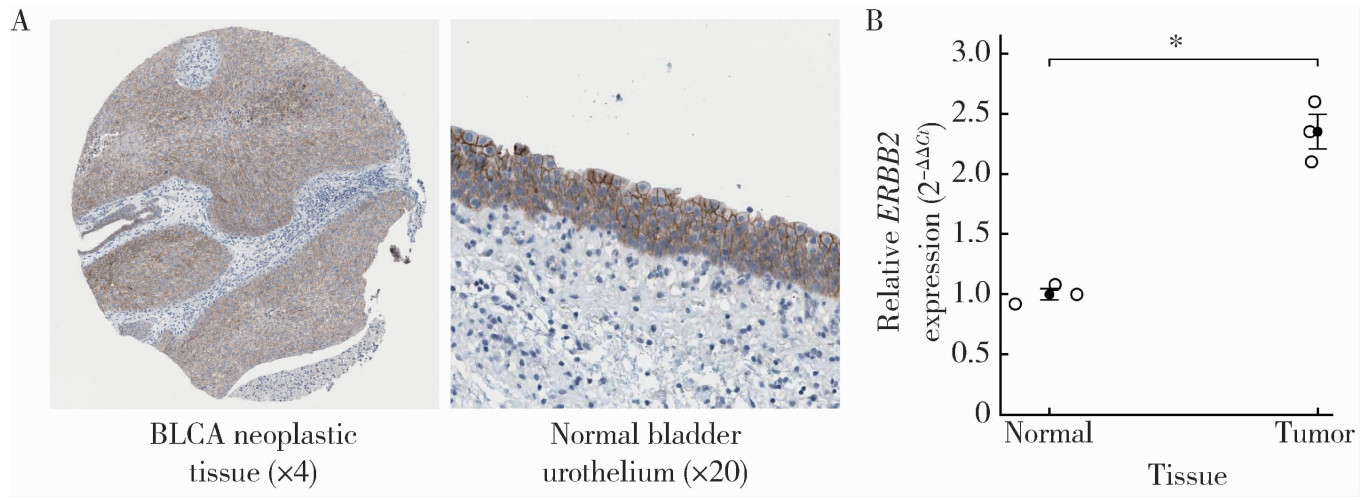
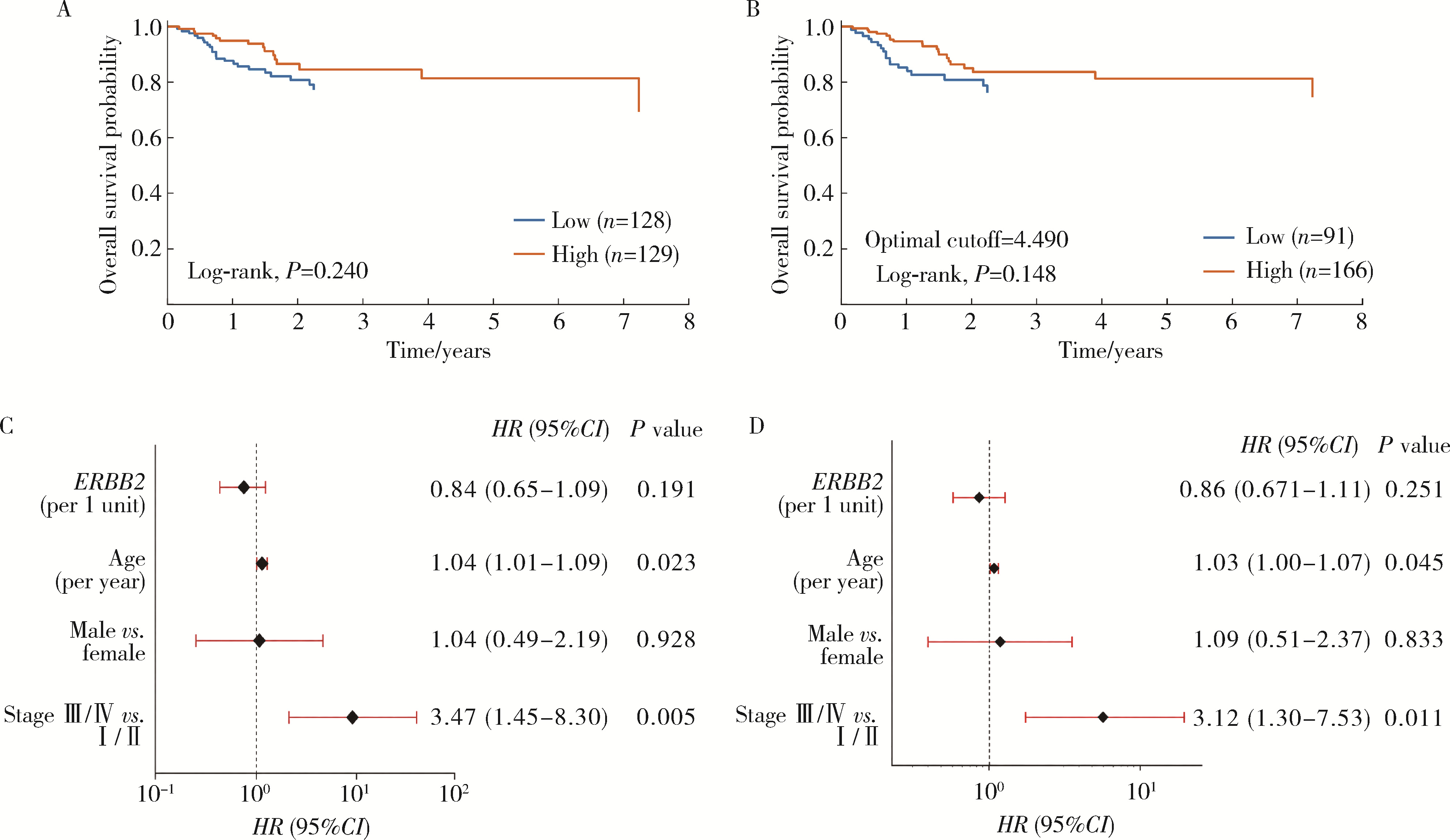
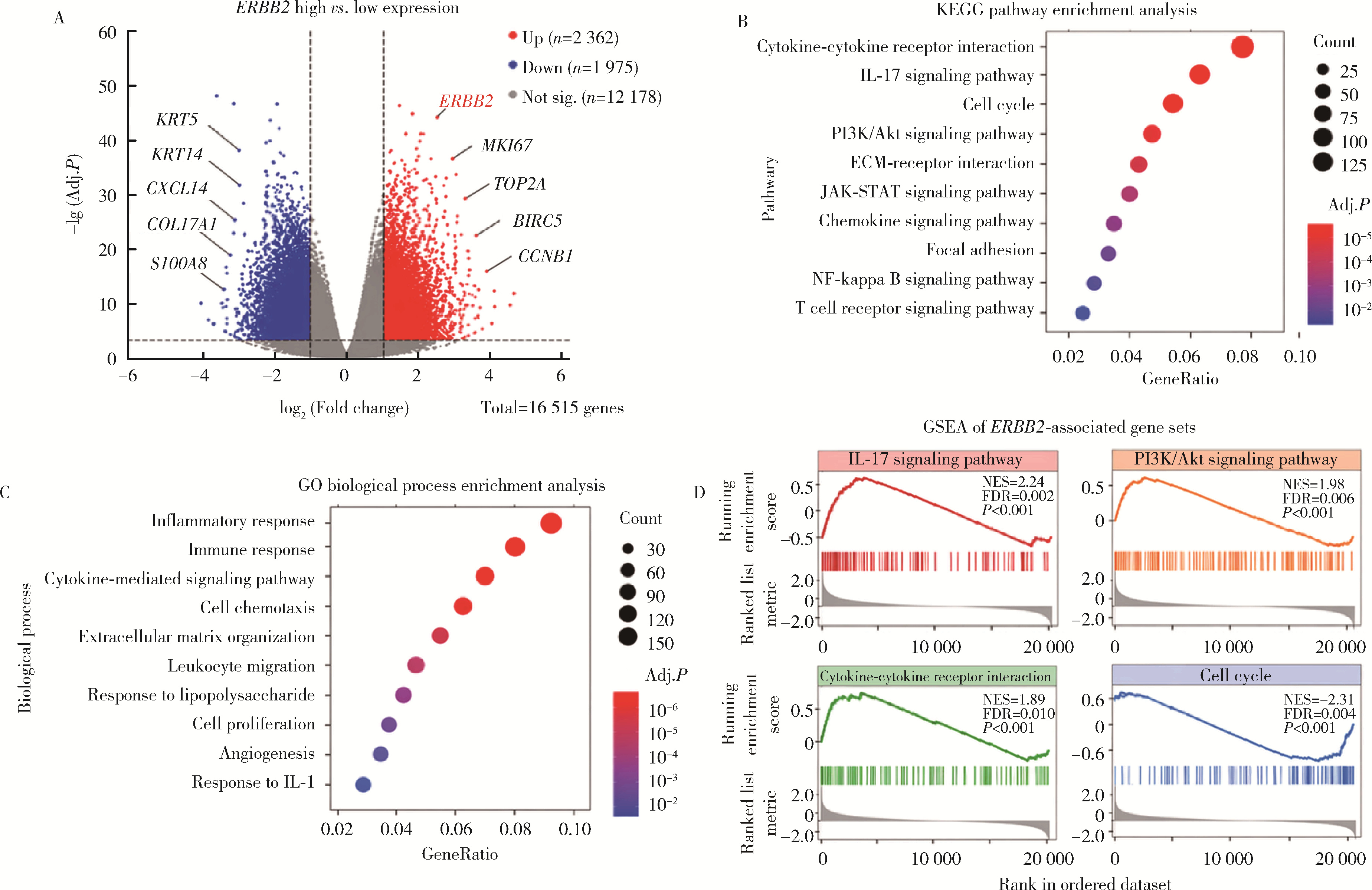
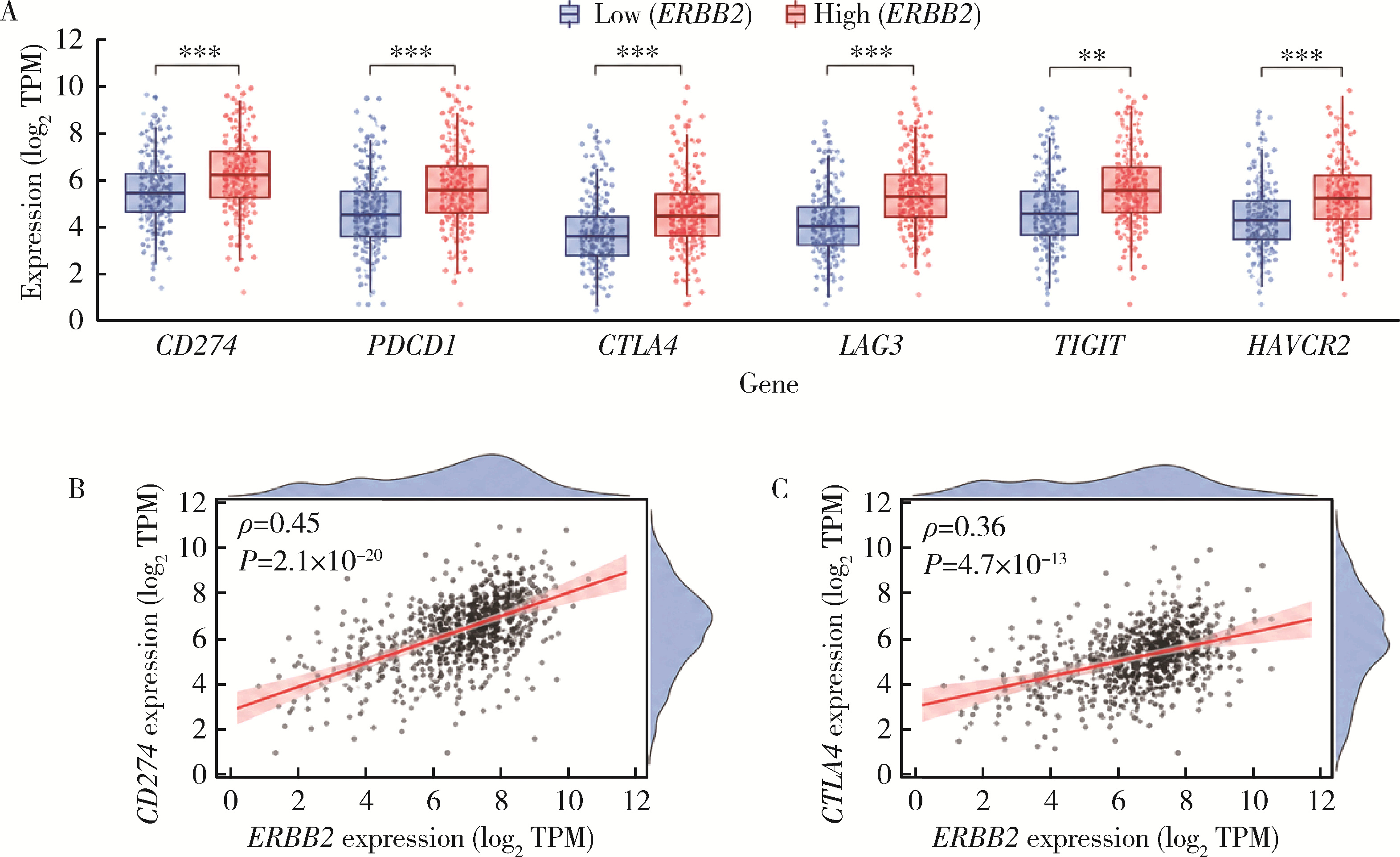
Objective: To investigate the expression pattern of Erb-B2 receptor tyrosine kinase 2 (ERBB2) in bladder urothelial carcinoma (BLCA) and its clinical relevance, prognostic value, and potential molecular mechanisms, thereby providing evidence for biomarker identification and targeted therapy research in BLCA. Methods: RNA sequencing expression data and clinical information were obtained from The Cancer Genome Atlas bladder urothelial carcinoma cohort (TCGA-BLCA). Differences in ERBB2 expression between tumor and normal tissues were analyzed, and associations with American Joint Committee on Cancer (AJCC) pathological stage and tumor grade were evaluated. Receiver operating characteristic (ROC) curve analysis was performed to assess the diagnostic performance of ERBB2. Patients were stratified into high- and low-expression groups based on both the median value and the optimal cutoff, followed by Kaplan-Meier survival analysis and Cox regression to evaluate prognostic significance. Differentially expressed genes associated with ERBB2 were identified, and Kyoto Encyclopedia of Genes and Genomes (KEGG), gene ontology (GO), and single-gene gene set enrichment analysis (GSEA) were conducted. Correlations between ERBB2 and immune checkpoint molecules were further analyzed. In addition, immunohistochemistry data from the Human Protein Atlas (HPA) database and reverse transcription quantitative PCR (RT-qPCR) experiments were used to validate ERBB2 expression. Results: HPA immunohistochemistry demonstrated stronger ERBB2 staining in BLCA neoplastic tissues, and RT-qPCR confirmed elevated ERBB2 mRNA expression in BLCA neoplastic tissues. TCGA analysis showed that ERBB2 expression was significantly higher in tumor tissues than in normal tissues (P=0.005), with overall differences observed across AJCC pathological stages (P=0.004), whereas no significant difference was found between tumor grades (P=0.238). Receiver operating characteristic curve analysis indicated a moderate discriminatory ability of ERBB2 [area under the curve (AUC) =0.689]. No significant difference in overall survival was observed between high- and low-expression groups based on either the median cutoff or the optimal cutoff (P=0.240 and P=0.148, respectively), and both univariate and multivariate Cox analyses suggested that ERBB2 was not an independent prognostic factor for OS. Functional enrichment analyses revealed that ERBB2-associated differentially expressed genes were mainly enriched in cytokine-cytokine receptor interaction, interleukin 17 (IL-17) signaling pathway, phosphatidylinositol 3-kinase/protein kinase B (PI3K/AKT) signaling pathway, Janus kinase/signal transducer and activator of transcription (JAK-STAT) signaling pathway, chemokine signaling pathway, inflammatory response, immune response, extracellular matrix organization, and leukocyte migration. GSEA further demonstrated positive enrichment in IL-17 signaling, PI3K/AKT signaling, and cytokine-cytokine receptor interaction pathways. Immune checkpoint analysis showed that CD274, PDCD1, CTLA4, LAG3, TIGIT, and HAVCR2 were significantly upregulated in the ERBB2 high-expression group, and ERBB2 expression was positively correlated with CD274 and CTLA4 (Spearman ρ=0.45 and 0.36, both P < 0.001). Conclusion: ERBB2 is upregulated in BLCA and is associated with AJCC pathological stage and immune checkpoint expression, showing moderate diagnostic value but limited prognostic significance. ERBB2 may contribute to BLCA progression through regulation of immune-inflammatory responses, cytokine signaling, PI3K/AKT pathway, and tumor immune microenvironment.

Key words: Urinary bladder neoplasms, Urothelial carcinoma, Genes, erbB-2, Gene expression, Immune checkpoint inhibitors, Prognosis, The Cancer Genome Atlas

CLC Number: 

  • R737.14

Figure 1

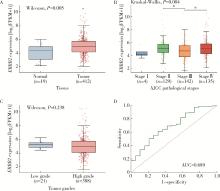
Expression characteristics and clinicopathological relevance of ERBB2 in the TCGA-BLCA cohort A, differential expression of ERBB2 between normal bladder tissues and tumor tissues; B, differences in ERBB2 expression among different AJCC pathological stages(*P < 0.05); C, differences in ERBB2 expression among different tumor grades; D, ROC curve analysis of ERBB2 for distinguishing tumor tissues from normal tissues. FPKM, fragments per kilobase of transcript per million mapped reads; ERBB2, Erb-B2 receptor tyrosine kinase 2; TCGA, The Cancer Genome Atlas; BLCA, bladder urothelial carcinoma; AJCC, American Joint Committee on Cancer; ROC, receiver operating cha-racteristic; AUC, area under curve."

Figure 2

Validation of ERBB2 protein and mRNA expression levels in BLCA A, representative immunohistochemical staining images of ERBB2 in BLCA neoplastic tissues and normal bladder urothelium from the HPA database(DAB chromogen with hematoxylin counterstaining); B, validation of relative ERBB2 mRNA expression levels in normal and tumor tissues by RT-qPCR(*P < 0.05). ERBB2, Erb-B2 receptor tyrosine kinase 2; BLCA, bladder urothelial carcinoma; HPA, Human Protein Atlas; RT-qPCR, reverse transcription quantitative PCR."

Figure 3

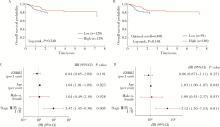
Association between ERBB2 expression and overall survival in patients with bladder cancer, and Cox regression analyses A, Kaplan-Meier overall survival curves stratified by the median ERBB2 expression level; B, Kaplan-Meier overall survival curves stratified by the optimal cutoff value of ERBB2 expression; C, univariate Cox regression analysis of the association between ERBB2 expression, clinical variables, and overall survival; D, multivariate Cox regression analysis of the association between ERBB2 expression, clinical variables, and overall survival. ERBB2, Erb-B2 receptor tyrosine kinase 2; BLCA, bladder urothelial carcinoma."

Figure 4

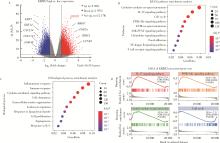
Functional enrichment analysis of ERBB2 -related differentially expressed genes A, volcano plot of differentially expressed genes between the ERBB2 high-expression and low-expression groups; B, KEGG pathway enrichment analysis of differentially expressed genes; C, GO biological process enrichment analysis of differentially expressed genes; D, GSEA based on ERBB2 expression groups, showing representative enriched pathways. ERBB2, Erb-B2 receptor tyrosine kinase 2; KEGG, Kyoto Encyclopedia of Genes and Genomes; GO, gene ontology; GSEA, gene set enrichment analysis; IL, interleukin; PI3K/AKT, phosphatidylinositol 3-kinase/protein kinase B; ECM, extracellular matrix; JAK-STAT, Janus kinase-signal transducer and activator of transcription; NF-κB, nuclear factor-kappa B; NES, normalized enrichment score; FDR, false discovery rate; GeneRatio, the ratio of enriched genes annotated to a given pathway or biological process; Adj.P, adjusted P; Not sig., not significant."

Figure 5

Correlation analysis between ERBB2 expression and immune checkpoint molecules A, comparison of the expression levels of major immune checkpoint genes between the ERBB2 high-expression and low-expression groups (* *P < 0.01, * * *P < 0.001); B, correlation analysis between ERBB2 expression and CD274 expression; C, correlation analysis between ERBB2 expression and CTLA4 expression. ERBB2, Erb-B2 receptor tyrosine kinase 2; TPM, transcripts per million."

1
Bray F , Laversanne M , Sung H , et al. Global cancer statistics 2022:GLOBOCAN estimates of incidence and mortality worldwide for 36 cancers in 185 countries[J]. CA Cancer J Clin, 2024, 74 (3): 229- 263.
2
Powles T , Bellmunt J , Comperat E , et al. Bladder cancer: ESMO Clinical Practice Guideline for diagnosis, treatment and follow-up[J]. Ann Oncol, 2022, 33 (3): 244- 258.

doi: 10.1016/j.annonc.2021.11.012
3
Moasser MM . The oncogene HER2:Its signaling and transforming functions and its role in human cancer pathogenesis[J]. Oncogene, 2007, 26 (45): 6469- 6487.

doi: 10.1038/sj.onc.1210477
4
Swain SM , Shastry M , Hamilton E . Targeting HER2-positive breast cancer: Advances and future directions[J]. Nat Rev Drug Discov, 2023, 22 (2): 101- 126.

doi: 10.1038/s41573-022-00579-0
5
Zhou L , Shao Z , Liu Y , et al. HER2 expression associated with clinical characteristics and prognosis of urothelial carcinoma in a Chinese population[J]. Oncologist, 2023, 28 (8): e617- e624.

doi: 10.1093/oncolo/oyad070
6
Bai X , He W , Yin H , et al. Prognostic significance of HER2 status evaluation using immunohistochemistry in patients with urothelial carcinoma of the bladder: A retrospective single-center experience[J]. Exp Ther Med, 2022, 24 (5): 704.

doi: 10.3892/etm.2022.11640
7
Tan X , Li M , Chen Q , et al. Prognostic significance of HER2 expression in patients with bladder cancer: A multicenter observational study[J]. Eur Urol Oncol, 2024, 7 (3): 456- 463.

doi: 10.1016/j.euo.2023.09.013
8
Sami MM , Khalil HB , Elbasateeny SS , et al. Expression of epidermal growth factor receptor and human epidermal growth factor receptor 2 in urothelial bladder carcinoma in an Egyptian cohort: clinical implication and prognostic significance[J]. Appl Immunohistochem Mol Morphol, 2023, 31 (1): 37- 45.
9
Maiorano BA , Di Maio M , Cerbone L , et al. Significance of PD-L1 in metastatic urothelial carcinoma treated with immune checkpoint inhibitors: A systematic review and meta-analysis[J]. JAMA Netw Open, 2024, 7 (3): e241215.

doi: 10.1001/jamanetworkopen.2024.1215
10
Hadadi A , Krause HB , Elliott A , et al. The genomic landscape of urothelial carcinoma with high and low ERBB2 expression[J]. Cancers (Basel), 2023, 15 (24): 5721.

doi: 10.3390/cancers15245721
11
Kim D , Kim JM , Kim JS , et al. Differential expression and clinicopathological significance of HER2, indoleamine 2, 3-dioxygenase and PD-L1 in urothelial carcinoma of the bladder[J]. J Clin Med, 2020, 9 (5): 1265.

doi: 10.3390/jcm9051265
12
Guo A , Wu C , Cao J , et al. Clinical significance of HER2 in urothelial carcinoma and analysis of its correlation with glycolytic metabolic characteristics[J]. Front Mol Biosci, 2024, 11, 1521889.

doi: 10.3389/fmolb.2024.1521889
13
Li P , Ni P , Haines GK , et al. Expression and clinicopathologic significance of HER2 and PD-L1 in high grade urothelial carcinoma of the urinary tract[J]. Int J Clin Exp Pathol, 2024, 17 (8): 236- 244.

doi: 10.62347/AAPB6946
14
Zhuang J , Chen Y , Zheng W , et al. Prediction of HER2 expression in urothelial carcinoma of the bladder: Are ultrasound-based radiomic features significant?[J]. Ultrasound Med Biol, 2026, 52 (1): 190- 200.

doi: 10.1016/j.ultrasmedbio.2025.09.013
15
Zhao J , Xu W , Zhang Z , et al. Prognostic role of HER2 expression in bladder cancer: A systematic review and meta-analysis[J]. Int Urol Nephrol, 2015, 47 (1): 87- 94.

doi: 10.1007/s11255-014-0866-z
16
Zhu K , Chang Y , Zhao D , et al. Expression of HER2 in high-grade urothelial carcinoma based on Chinese expert consensus and the clinical effects of disitamab vedotin-tislelizumab combination therapy in the treatment of advanced patients[J]. Front Pharmacol, 2024, 15, 1355081.

doi: 10.3389/fphar.2024.1355081
17
Wei Y , Zhang R , Yu C , et al. Disitamab vedotin in combination with immune checkpoint inhibitors for locally and locally advanced bladder urothelial carcinoma: A two-center' s real-world study[J]. Front Pharmacol, 2023, 14, 1230395.

doi: 10.3389/fphar.2023.1230395
18
Ge H , Liu C , Shen C , et al. The effectiveness and safety of RC48 alone or in combination with PD-1 inhibitors for locally advanced or metastatic urothelial carcinoma: A multicenter, real-world study[J]. J Transl Med, 2025, 23 (1): 243.

doi: 10.1186/s12967-025-06237-4
19
Chen Z , Tang X , Eichholz JE , et al. Determinants of sensitivity to HER2-targeted antibody drug conjugates in urothelial cancer[J]. Nat Commun, 2026, 17 (1): 919.
[1] Zhiming DU, Weiliang ZHANG, Lei ZHAO, Min QIU, Lulin MA, Ye YAN, Huiying HE, Ruiyang XIE, Shudong ZHANG. Clinicopathological features and prognostic factors associated with long-term survival (≥5 years) in patients with clear cell renal cell carcinoma and venous tumor thrombus [J]. Journal of Peking University (Health Sciences), 2026, 58(4): 692-699.
[2] Yongcun WANG, Hongchen SONG, Yiqing DU, Tao XU. CRISPR-Cas9 activation screening identifies candidate chemokine regulators of ter-tiary lymphoid structure formation in bladder cancer [J]. Journal of Peking University (Health Sciences), 2026, 58(4): 707-715.
[3] Jiaxiang JI, Chinhui LAI, Fei WANG, Hao HU. Impact of coexistent low-grade components on the prognosis of high-grade non-muscle invasive bladder cancer [J]. Journal of Peking University (Health Sciences), 2026, 58(4): 803-807.
[4] Zejing GUO, Changhai SUN, Shicong LAI, Hanlin GAO, Yiqing DU, Tao XU. Comparison of preoperative nutritional scoring systems for predicting survival in upper tract urothelial carcinoma [J]. Journal of Peking University (Health Sciences), 2026, 58(4): 808-817.
[5] Bo PENG, Fangfang LIU, Wei YANG, Ruiping XU, Lei CHEN, Baozhong LI, Xinjia WANG, Ji KE, Wenlei YANG, Yu HE, Zhen LIU, Bolin HOU, Liqun ZHANG, Miaoping LIN, Lixin ZHANG, Fan ZHANG, Fen CAI, Huawen XU, Mengfei LIU, Ying LIU, Yaqi PAN, Zhonghu HE, Yang KE. Perioperative hyperglycemia predicts poorer prognosis of esophageal squamous cell carcinoma patients treated with esophagectomy [J]. Journal of Peking University (Health Sciences), 2026, 58(3): 567-574.
[6] Fan SHU, Liyuan GE, Hanzhang DENG, Haoming YIN, Junyong OU, Shaohui DENG, Yichang HAO, Min LU, Zhanyi ZHANG, Peichen DUAN, Shudong ZHANG. Molecular characteristics for poor prognosis related renal cell carcinoma with lymph metastases [J]. Journal of Peking University (Health Sciences), 2026, 58(3): 631-640.
[7] Lingfu ZHANG, Ming CHEN, Xiaoyu ZHAO, Gang WANG, Long CUI, Xiaofeng LING, Lixin WANG, Zhi XU, Limei GUO, Chunsheng HOU. Gross classification of gallbladder cancer with primary lesion limited to the gallbladder wall and its correlation with prognosis and precancerous lesions [J]. Journal of Peking University (Health Sciences), 2026, 58(1): 184-189.
[8] Yanhua LIU, Min LU, Xuyang ZHAO, Kuan'gen ZHANG, Rui WU, Fang MEI, Zhihao DAI, Jiangfeng YOU, Fei PEI. Effect of dephosphorylation of tumor metastasis suppressor gene LASS2 on vacuolar ATPase activity and invasiveness of prostate cancer [J]. Journal of Peking University (Health Sciences), 2025, 57(6): 1113-1123.
[9] Boda GUO, Min LU, Guoliang WANG, Hongxian ZHANG, Lei LIU, Xiaofei HOU, Lei ZHAO, Xiaojun TIAN, Shudong ZHANG. Clinicopathological and prognostic differences between clear cell and non-clear cell renal cell carcinoma with venous tumor thrombus [J]. Journal of Peking University (Health Sciences), 2025, 57(4): 644-649.
[10] Weihao LI, Jing LI, Xuemin ZHANG, Wei LI, Qingle LI, Xiaoming ZHANG. Effect of intraoperative blood salvage autotransfusion on the prognosis of patients after carotid body tumor resection [J]. Journal of Peking University (Health Sciences), 2025, 57(2): 272-276.
[11] Yaqing MAO, Zhen CHEN, Yao YU, Wenbo ZHANG, Yang LIU, Xin PENG. Impact of type 2 diabetes mellitus on the prognosis of patients with oral squamous cell carcinoma [J]. Journal of Peking University (Health Sciences), 2024, 56(6): 1089-1096.
[12] Junyong OU,Kunming NI,Lulin MA,Guoliang WANG,Ye YAN,Bin YANG,Gengwu LI,Haodong SONG,Min LU,Jianfei YE,Shudong ZHANG. Prognostic factors of patients with muscle invasive bladder cancer with intermediate-to-high risk prostate cancer [J]. Journal of Peking University (Health Sciences), 2024, 56(4): 582-588.
[13] Shuai LIU,Lei LIU,Zhuo LIU,Fan ZHANG,Lulin MA,Xiaojun TIAN,Xiaofei HOU,Guoliang WANG,Lei ZHAO,Shudong ZHANG. Clinical treatment and prognosis of adrenocortical carcinoma with venous tumor thrombus [J]. Journal of Peking University (Health Sciences), 2024, 56(4): 624-630.
[14] Le YU,Shaohui DENG,Fan ZHANG,Ye YAN,Jianfei YE,Shudong ZHANG. Clinicopathological characteristics and prognosis of multilocular cystic renal neoplasm of low malignant potential [J]. Journal of Peking University (Health Sciences), 2024, 56(4): 661-666.
[15] Zezhen ZHOU,Shaohui DENG,Ye YAN,Fan ZHANG,Yichang HAO,Liyuan GE,Hongxian ZHANG,Guoliang WANG,Shudong ZHANG. Predicting the 3-year tumor-specific survival in patients with T3a non-metastatic renal cell carcinoma [J]. Journal of Peking University (Health Sciences), 2024, 56(4): 673-679.
Viewed
Full text


Abstract

Cited

  Shared   
  Discussed   
No Suggested Reading articles found!