北京大学学报(医学版) ›› 2026, Vol. 58 ›› Issue (4): 738-747. doi: 10.19723/j.issn.1671-167X.2026.04.009

• 论著 • 上一篇    下一篇

泌尿系结石患者尿有机酸代谢谱特征及关键代谢标志物的筛选

漆子暄1, 边小龙1, 胡浩浦1, 田聪1, 王辰龙1, 周雨缪1, 徐涛1, 王辉2, 曹林林2, 胡浩1,*()   

  1. 1. 北京大学人民医院泌尿外科, 北京 100044
    2. 北京大学人民医院检验科, 北京 100044
  • 收稿日期:2026-03-02 出版日期:2026-08-18 发布日期:2026-05-27
  • 通讯作者: 胡浩

Characteristics of urinary organic acid metabolic profile and screening of key metabolic markers in patients with urolithiasis

Zixuan QI1, Xiaolong BIAN1, Haopu HU1, Cong TIAN1, Chenlong WANG1, Yumou ZHOU1, Tao XU1, Hui WANG2, Linlin CAO2, Hao HU1,*()   

  1. 1. Department of Urology, Peking University People' s Hospital, Beijing 100044, China
    2. Department of Clinical Laboratory, Peking University People' s Hospital, Beijing 100044, China
  • Received:2026-03-02 Online:2026-08-18 Published:2026-05-27
  • Contact: Hao HU

RICH HTML


摘要:

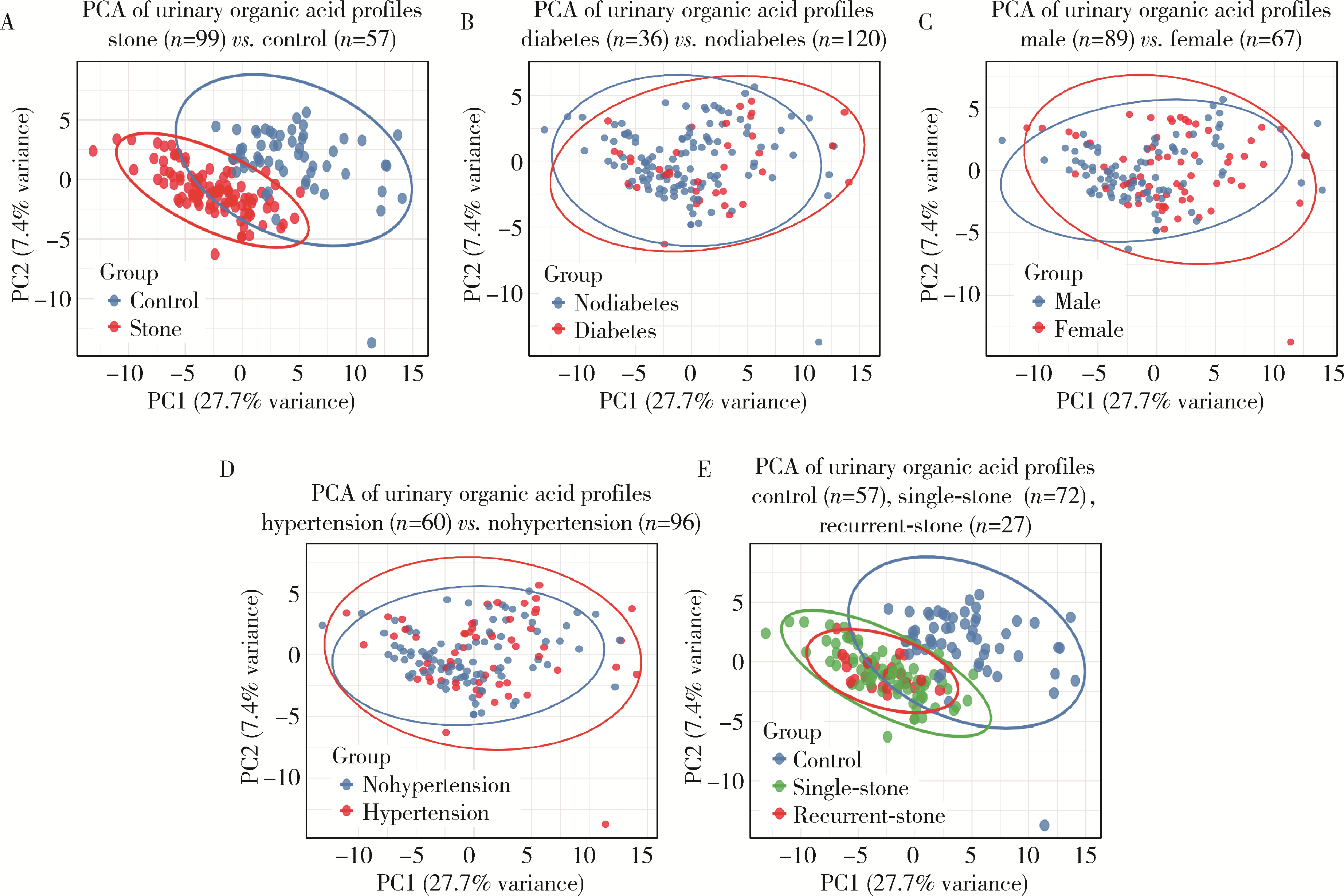
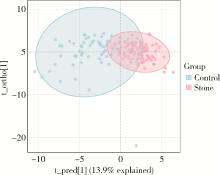
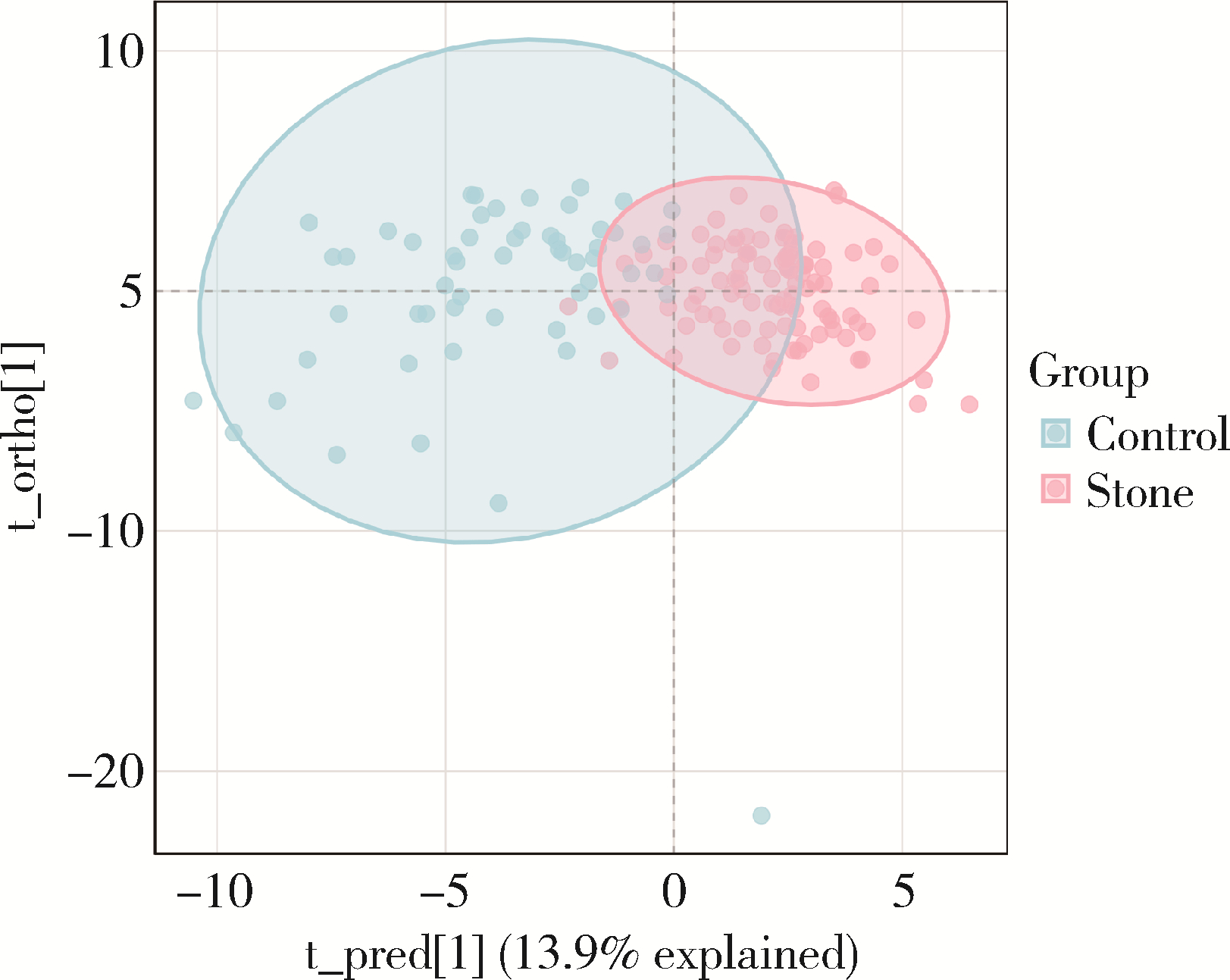
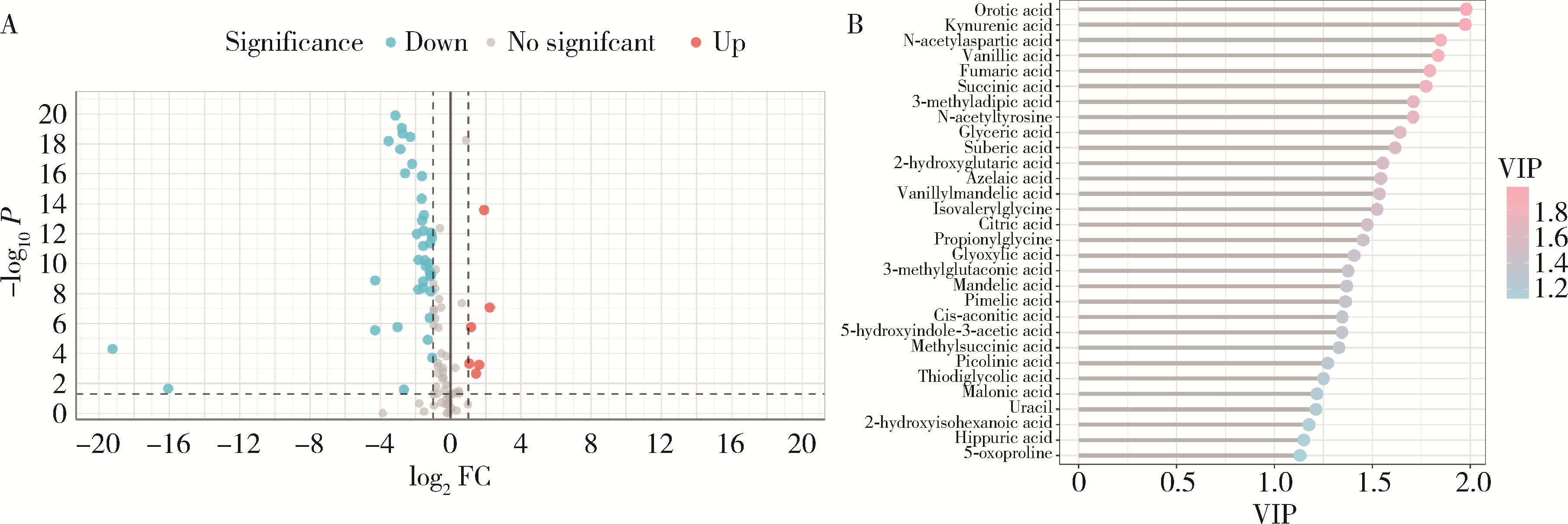
目的: 系统分析泌尿系结石患者与非结石患者尿有机酸代谢谱的差异,筛选疾病相关特征性代谢标志物及关键信号通路,从代谢层面阐明疾病发生发展的潜在机制,为泌尿系结石的基础研究与干预靶点筛选提供理论依据。方法: 选择2024年12月至2025年9月于北京大学人民医院就诊的泌尿系结石患者99例与57例非泌尿系结石患者(泌尿外科以外未患有泌尿系结石的就诊者),收集其24 h尿,通过气相色谱-质谱(gas chromatography-mass spectrometry, GC-MS)技术行非靶向尿有机酸代谢组学检测。采用主成分分析(principal component analysis, PCA)和正交偏最小二乘判别分析(orthogonal partial least squares discriminant analysis, OPLS-DA)组间代谢谱差异及临床协变量的影响;通过火山图、变量重要性投影(variable importance in the projection, VIP)分析筛选差异有机酸;利用KEGG(Kyoto Encyclopedia of Genes and Genomes)数据库开展代谢通路富集分析;采用机器学习筛选最具代表性的核心代谢物组合,验证有机酸对疾病状态的区分效能。结果: 结石组与非结石组患者的尿有机酸代谢呈显著分离趋势(OPLS-DA:R2X =0.139、R2Y =0.48、Q2 =0.457),性别是影响代谢谱的重要协变量,糖尿病、高血压及结石复发状态对尿有机酸谱无显著影响。共筛选出44种差异有机酸(P < 0.05,6种上调、38种下调),VIP分析确定10种核心差异代谢物(P < 0.001,均下调);差异有机酸主要富集于乙醛酸和二羧酸代谢等能量代谢通路及色氨酸代谢等氨基酸代谢通路。机器学习模型中梯度提升机(gradient boosting machine, GBM)、随机森林(random forest, RF)效能最优,平均曲线下面积(area under the curve,AUC)为0.996,筛选出丙酰甘氨酸、5-羟基吲哚-3-乙酸、犬尿喹啉酸、乳清酸、富马酸5种核心代谢物为最佳组合,基于该组合构建的列线图模型AUC=0.997,校准曲线校正偏倚后与理想曲线高度吻合,平均绝对误差为0.022,能够高效区分结石与非结石人群,提示这些代谢物可以作为泌尿系结石机制研究的潜在靶点。结论: 泌尿系结石患者存在显著尿有机酸代谢紊乱,代谢异常主要涉及能量及氨基酸代谢通路,其紊乱与疾病发病机制密切相关。丙酰甘氨酸、5-羟基吲哚-3-乙酸、犬尿喹啉酸、乳清酸、富马酸5种核心代谢物可以有效地区分结石与非结石人群,其可以作为代表性的代谢标志物为后续机制探索与靶向干预提供新靶点。

关键词: 泌尿系结石, 尿有机酸, 代谢组学, 泌尿外科

Abstract:

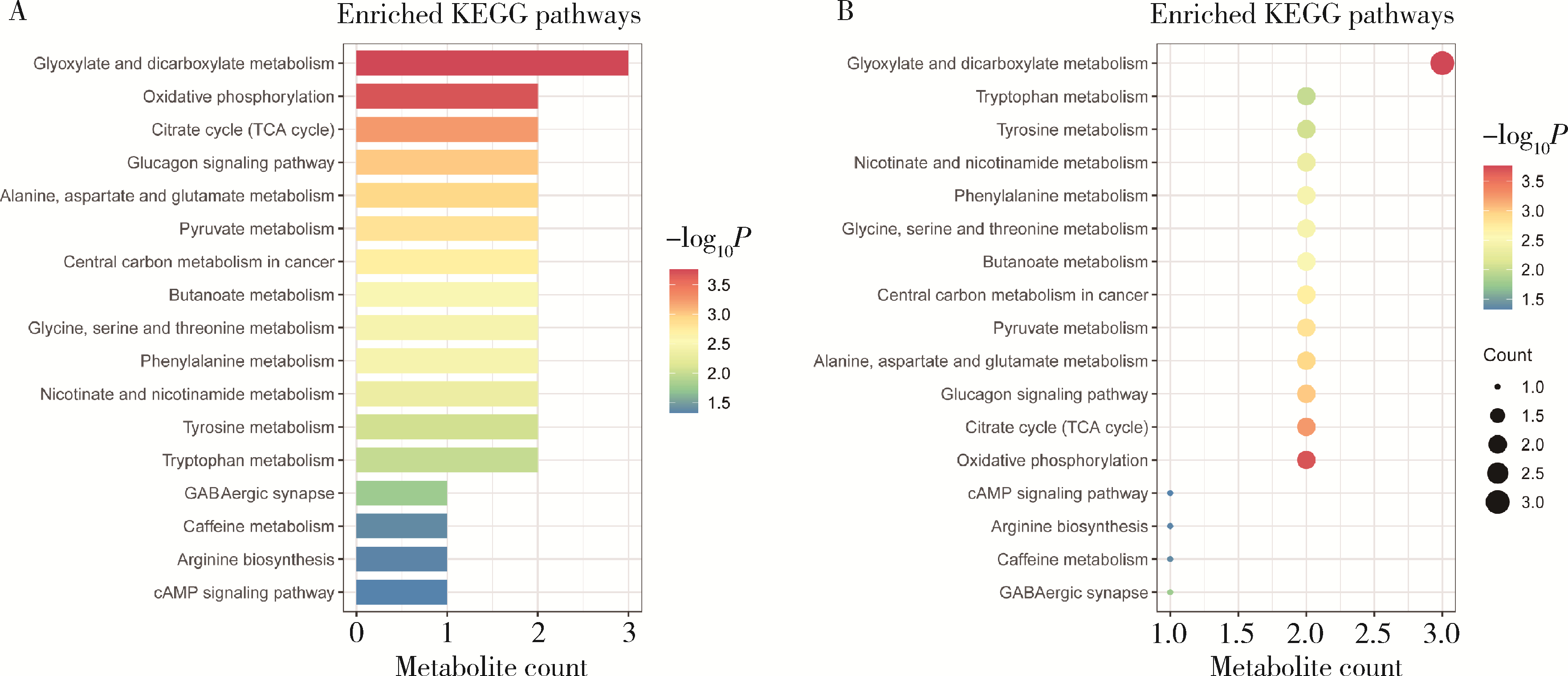
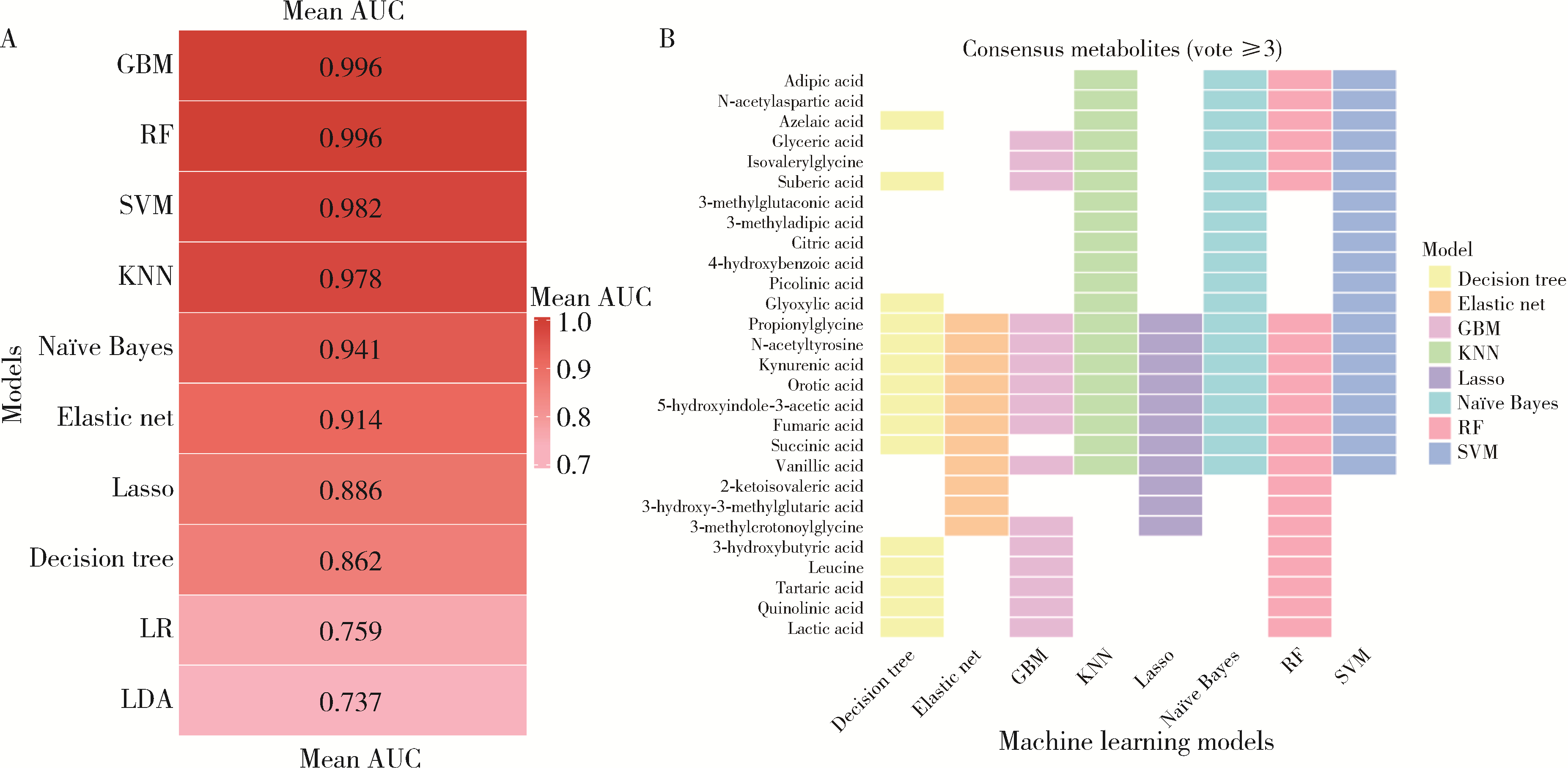
Objective: To systematically compare the differences in urinary organic acid metabolic profiles between patients with urinary calculi and non-calculi individuals, to screen disease-specific characteristic metabolic biomarkers and key signaling pathways, and to elucidate the potential mechanism underlying the occurrence and progression of urinary calculi at the metabolic level, so as to provide a theoretical basis for basic research and screening of intervention targets for urinary calculi. Methods: A total of 99 patients with urinary calculi and 57 non-calculi subjects were enrolled. Twenty-four-hour urine samples were collected and subjected to untargeted urinary organic acid metabolomics detection by gas chromatography-mass spectrometry (GC-MS). Principal component analysis (PCA) and orthogonal partial least squares discriminant analysis (OPLS-DA) were used to analyze the differences in metabolic profiles between the groups and the effects of clinical covariates. Volcano plot and variable importance in the projection (VIP) analysis were applied to screen differential organic acids. The Kyoto Encyclopedia of Genes and Genomes (KEGG) database were used for metabolic pathway enrichment analysis. Machine learning algorithms were adopted to screen the most representative core metabolite combinations and verify the discriminatory efficacy of organic acids for disease status. Results: The urinary organic acid metabolic profiles showed a significant separation trend between the calculi group and the non-calculi group (OPLS-DA: R2X =0.139, R2Y =0.48, Q2 =0.457). Gender was an important covariate affecting metabolic profiles, while diabetes, hypertension and stone recurrence status exerted no significant influence. A total of 44 differential organic acids were screened (P < 0.05), including 6 upregulated and 38 downregulated metabolites. Ten core differential metabolites were identified via VIP analysis (P < 0.001, all downregulated). Differential organic acids were mainly enriched in energy metabolism pathways such as glyoxylate and dicarboxylate metabolism, as well as amino acid metabolism pathways including tryptophan metabolism. Among machine learning models, Gradient Boosting Machine and Random Forest exhibited the optimal efficacy with an average area under the curve (AUC) of 0.996. Five core metabolites including propionylglycine, 5-hydroxyindole-3-acetic acid, kynurenic acid, orotic acid and fumaric acid were identified as the optimal combination. The nomogram model constructed based on this combination yielded an AUC of 0.997; after calibration bias correction, the calibration curve was highly consistent with the ideal curve, with a mean absolute error of 0.022, which could effectively distinguish calculi patients from non-calculi individuals. Conclusion: Patients with urinary calculi present obvious disorders in urinary organic acid metabolism, which are mainly involved in energy and amino acid metabolic pathways and closely associated with the pathogenesis of urinary calculi. The five core metabolites (propionylglycine, 5-hydroxyindole-3-acetic acid, kynurenic acid, orotic acid and fumaric acid) can effectively distinguish calculi from non-calculi populations, and can serve as representative metabolic biomarkers to provide novel targets for subsequent mechanism exploration and targeted intervention.

Key words: Urolithiasis, Urinary organic acids, Metabolomics, Urology

中图分类号: 

  • R691.4

表1

研究对象的临床和人口统计学特征"

Clinical and demographic characteristics Stone group(n=99) Non-stone group(n=57) P
Male, n (%) 72(72.7) 21(56.1) 0.027
Age/years,$\bar x \pm s$ 56.8±12.3 53.4±11.7 0.087
Complicated with diabetes, n (%) 23(23.2) 8(14.0) 0.120
Complicated with hypertension, n (%) 31(31.3) 12(21.1) 0.126
Recurrence 28(28.3) - -

图1

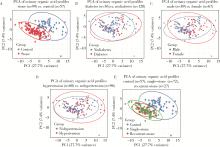
泌尿系结石患者与非结石患者尿有机酸代谢谱的主成分分析"

图2

泌尿系结石患者与非结石患者尿有机酸代谢谱的正交偏最小二乘判别分析得分图"

图3

泌尿系结石患者与非结石患者差异有机酸筛选及核心代谢物贡献度分析"

图4

差异有机酸富集的KEGG通路分析"

图5

基于差异有机酸的泌尿系结石机器学习模型分析"

图6

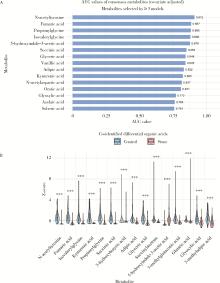
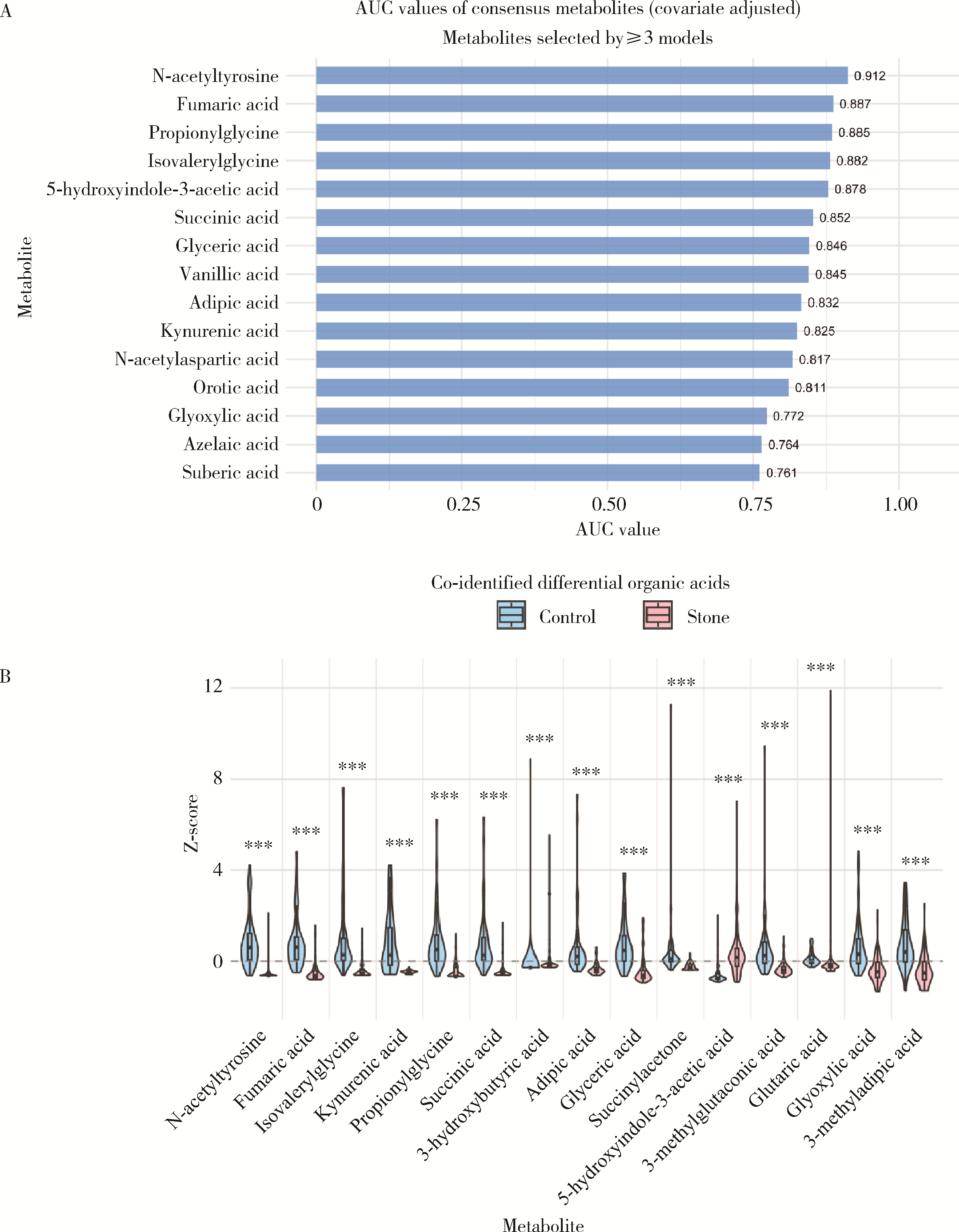
共识代谢物的诊断效能及组间表达差异分析"

图7

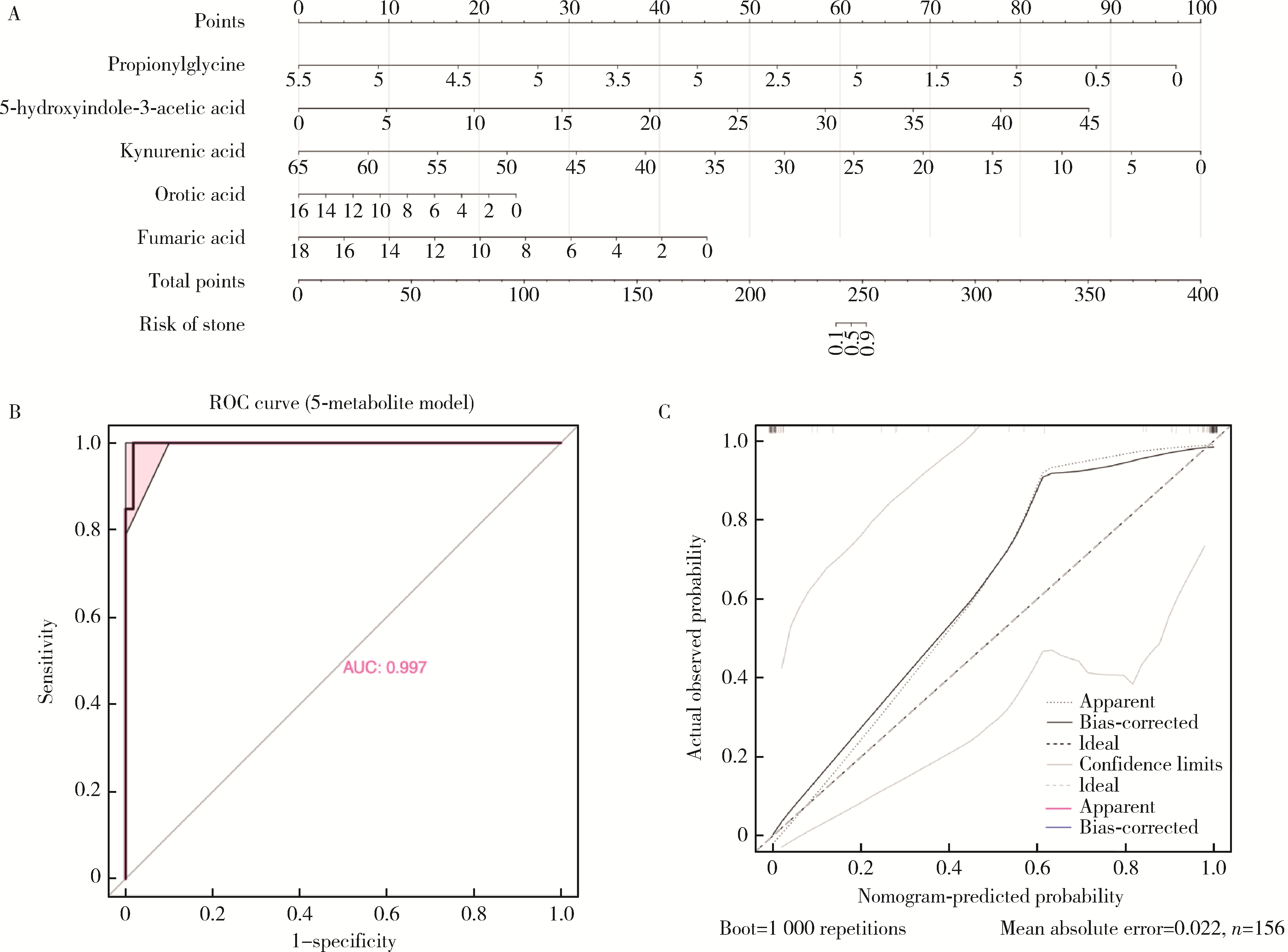
核心代谢物组合对泌尿系结石的区分效能分析"

1
Shoag J , Tasian GE , Goldfarb DS , et al. The new epidemiology of nephrolithiasis[J]. Adv Chronic Kidney Dis, 2015, 22(4): 273- 278.

doi: 10.1053/j.ackd.2015.04.004
2
Ziemba JB , Matlaga BR . Epidemiology and economics of nephrolithiasis[J]. Investig Clin Urol, 2017, 58(5): 299.

doi: 10.4111/icu.2017.58.5.299
3
Sorokin I , Mamoulakis C , Miyazawa K , et al. Epidemiology of stone disease across the world[J]. World J Urol, 2017, 35(9): 1301- 1320.

doi: 10.1007/s00345-017-2008-6
4
Tang X , Lieske JC . Acute and chronic kidney injury in nephrolithiasis[J]. Curr Opin Nephrol Hypertens, 2014, 23(4): 385- 390.

doi: 10.1097/01.mnh.0000447017.28852.52
5
Bargagli M , Scoglio M , Howles SA , et al. Kidney stone disease: Risk factors, pathophysiology and management[J]. Nat Rev Nephrol, 2025, 21(11): 794- 808.

doi: 10.1038/s41581-025-00990-x
6
Kim HN , Kim JH , Chang Y , et al. Gut microbiota and the prevalence and incidence of renal stones[J]. Sci Rep, 2022, 12(1): 3732.

doi: 10.1038/s41598-022-07796-y
7
Lai Y , Zheng H , Sun X , et al. The advances of calcium oxalate calculi associated drugs and targets[J]. Eur J Pharmacol, 2022, 935, 175324.

doi: 10.1016/j.ejphar.2022.175324
8
Peerapen P , Thongboonkerd V . Kidney stone prevention[J]. Adv Nutr, 2023, 14(3): 555- 569.

doi: 10.1016/j.advnut.2023.03.002
9
Zhang XZ , Lei XX , Jiang YL , et al. Application of metabolomics in urolithiasis: The discovery and usage of succinate[J]. Sig Transduct Target Ther, 2023, 8(1): 41.

doi: 10.1038/s41392-023-01311-z
10
Duan X , Zhang T , Ou L , et al. 1H NMR-based metabolomic study of metabolic profiling for the urine of kidney stone patients[J]. Urolithiasis, 2020, 48(1): 27- 35.

doi: 10.1007/s00240-019-01132-2
11
Kaneko K , Kobayashi R , Yasuda M , et al. Comparison of matrix proteins in different types of urinary stone by proteomic analysis using liquid chromatography-tandem mass spectrometry[J]. Int J Urol, 2012, 19(8): 765- 772.

doi: 10.1111/j.1442-2042.2012.03005.x
12
Boonla C , Tosukhowong P , Spittau B , et al. Inflammatory and fibrotic proteins proteomically identified as key protein constituents in urine and stone matrix of patients with kidney calculi[J]. Clin Chim Acta, 2014, 429, 81- 89.

doi: 10.1016/j.cca.2013.11.036
13
Wang Z , Zhang Y , Zhang J , et al. Recent advances on the mechanisms of kidney stone formation (Review)[J]. Int J Mol Med, 2021, 48(2): 149.

doi: 10.3892/ijmm.2021.4982
14
Bolanos-Palmieri P , Schenk H , Bähre H , et al. Kynurenine pathway dysregulation impairs podocyte morphology and bioenergetics in vitro and leads to glomerular dysfunction[J]. FASEB J, 2025, 39(22): e71228.

doi: 10.1096/fj.202502175R
15
Liu JR , Miao H , Deng DQ , et al. Gut microbiota-derived tryptophan metabolism mediates renal fibrosis by aryl hydrocarbon receptor signaling activation[J]. Cell Mol Life Sci, 2021, 78(3): 909- 922.

doi: 10.1007/s00018-020-03645-1
16
Agudelo LZ , Ferreira DMS , Cervenka I , et al. Kynurenic acid and Gpr35 regulate adipose tissue energy homeostasis and inflammation[J]. Cell Metab, 2018, 27(2): 378- 392. e5.

doi: 10.1016/j.cmet.2018.01.004
17
Zakrocka I , Załuska W . Kynurenine pathway in kidney diseases[J]. Pharmacol Rep, 2022, 74(1): 27- 39.

doi: 10.1007/s43440-021-00329-w
18
Sadaf H , Raza SI , Hassan SW . Role of gut microbiota against calcium oxalate[J]. Microb Pathog, 2017, 109, 287- 291.

doi: 10.1016/j.micpath.2017.06.009
19
Song Q , Song C , Chen X , et al. Oxalate regulates crystal-cell adhesion and macrophage metabolism via JPT2/PI3K/AKT signaling to promote the progression of kidney stones[J]. J Pharm Anal, 2024, 14(6): 100956.

doi: 10.1016/j.jpha.2024.02.010
20
Tavasoli S , Alebouyeh M , Naji M , et al. Association of intestinal oxalate-degrading bacteria with recurrent calcium kidney stone formation and hyperoxaluria: A case-control study[J]. BJU Int, 2020, 125(1): 133- 143.

doi: 10.1111/bju.14840
21
Cao C , Li F , Ding Q , et al. Potassium sodium hydrogen citrate intervention on gut microbiota and clinical features in uric acid stone patients[J]. Appl Microbiol Biotechnol, 2024, 108(1): 51.

doi: 10.1007/s00253-023-12953-y
22
Gao H , Lin J , Xiong F , et al. Urinary microbial and metabolomic profiles in kidney stone disease[J]. Front Cell Infect Microbiol, 2022, 12, 953392.

doi: 10.3389/fcimb.2022.953392
[1] 向钊, 杨莉, 杨静. 非靶向代谢组学揭示原发性干燥综合征血小板减少患者血清差异代谢物及代谢通路[J]. 北京大学学报(医学版), 2025, 57(6): 1042-1050.
[2] 王明瑞,刘军,熊六林,于路平,胡浩,许克新,徐涛. 经皮微通道-微电子肾镜-微超声探针碎石术治疗1.5~2.5 cm肾结石的疗效和安全性[J]. 北京大学学报(医学版), 2024, 56(4): 605-609.
[3] 许克新,丁泽华. 人工智能在功能泌尿外科的应用[J]. 北京大学学报(医学版), 2023, 55(5): 771-774.
[4] 王雪萍,张于亚楠,卢天兰,卢喆,康哲维,孙瑶瑶,岳伟华. 首发精神分裂症肠道微生物多态性与临床症状及血清代谢组学的关联[J]. 北京大学学报(医学版), 2022, 54(5): 863-873.
[5] 马媛,张玥,李蕊,邓书伟,秦秋实,朱鏐娈. 脓毒症小鼠髓源性抑制细胞氨基酸代谢特点[J]. 北京大学学报(医学版), 2022, 54(3): 532-540.
[6] 韩硕,陈章健,周迪,郑湃,张家赫,贾光. 纳米二氧化钛经口暴露90天对大鼠粪便代谢组的影响[J]. 北京大学学报(医学版), 2020, 52(3): 457-463.
[7] 梁晨,张维宇,胡浩,王起,方志伟,许克新. 膀胱扩大术两种不同术式的疗效及并发症比较[J]. 北京大学学报(医学版), 2019, 51(2): 293-297.
[8] 叶雄俊,钟文龙,熊六林,马凯,徐涛,黄晓波,王晓峰. 后腹腔镜肾脂肪囊外肾蒂淋巴管结扎术治疗乳糜尿的疗效分析[J]. 北京大学学报(医学版), 2016, 48(4): 618-621.
[9] 杨恺惟, 张崔建, 李学松, 何志嵩, 周利群. 小肾癌的临床病理特征:单中心1 276例经验总结[J]. 北京大学学报(医学版), 2014, 46(5): 790-793.
[10] 刘磊, 马潞林, 赵磊, 张洪宪, 侯小飞. 肾移植术后移植肾输尿管狭窄的危险因素分析及手术治疗[J]. 北京大学学报(医学版), 2014, 46(4): 548-551.
[11] 杨昆霖, 李学松, 周利群. 经腹腹腔镜输尿管体外裁剪、乳头再植术治疗成人梗阻性巨输尿管症的方法[J]. 北京大学学报(医学版), 2014, 46(4): 511-514.
[12] 张玉石,李汉忠,纪志刚,毛全宗,荣石,严维刚,肖河,刘广华,张学斌, 徐维锋. 单中心11年腹腔镜手术并发症分析[J]. 北京大学学报(医学版), 2013, 45(4): 584-.
[13] 唐琦,宋毅,李学松,张崔建,蔡林,宋刚,张骞,王进,何志嵩,周利群. 肾癌伴静脉瘤栓患者的外科治疗策略及长期疗效观察[J]. 北京大学学报(医学版), 2013, 45(4): 549-.
[14] 杨槐, 刘俊, 张利朝, 何恢绪, 胡卫列, 吕军, 张小明, 吴实坚. 保留尿道板纵切卷管尿道成形术后并发症原因分析与防治探讨[J]. 北京大学学报(医学版), 2012, 44(4): 551-554.
[15] 周利群, 方冬. 单孔腹腔镜在泌尿外科的应用现状与进展[J]. 北京大学学报(医学版), 2012, 44(4): 497-500.
Viewed
Full text


Abstract

Cited

  Shared   
  Discussed   
No Suggested Reading articles found!