北京大学学报(医学版) ›› 2025, Vol. 57 ›› Issue (5): 895-902. doi: 10.19723/j.issn.1671-167X.2025.05.013

• 论著 • 上一篇    下一篇

溃疡性结肠炎患者唾液外泌体内蛋白标志物的筛选及功能分析

杨丛艺1, 郑小雯2, 陈静宜1, 徐俊1, 陈峰2, 陈扬3, 陈宁1,*()   

  1. 1. 北京大学人民医院消化内科,北京 100044
    2. 北京大学口腔医学院·口腔医院中心实验室,国家口腔医学中心,国家口腔疾病临床医学研究中心,口腔生物材料和数字诊疗装备国家工程研究中心,北京 100081
    3. 北京大学基础医学院精准医疗多组学研究中心,北京 100191
  • 收稿日期:2023-04-08 出版日期:2025-10-18 发布日期:2025-04-17
  • 通讯作者: 陈宁
  • 基金资助:
    国家自然科学基金(82070566); 国家重点研发计划(2018YFA0507102); 首都卫生发展科研专项(首发2020-2Z-40813); 北京大学医学部国际合作基金(BMU2020KCL003)

Protein biomarker screening and functional analysis of salivary exosomes in patients with ulcerative colitis

Congyi YANG1, Xiaowen ZHENG2, Jingyi CHEN1, Jun XU1, Feng CHEN2, Yang CHEN3, Ning CHEN1,*()   

  1. 1. Department of Gastroenterology, Peking University People's Hospital, Beijing 100044, China
    2. Central Laboratory, Peking University School and Hospital of Stomatology & National Center of Stomatology & National Clinical Research Center for Oral Diseases & National Engineering Laboratory for Digital and Material Technology of Stomatology, Beijing 100081, China
    3. Center for Precision Medicine Multi-Omics Research, Peking University School of Basic Medical Science, Beijing 100191, China
  • Received:2023-04-08 Online:2025-10-18 Published:2025-04-17
  • Contact: Ning CHEN
  • Supported by:
    the National Natural Science Foundation of China(82070566); National Key Research and Development Program of China(2018YFA0507102); Capital health development research project(首发2020-2Z-40813); KCL and PKUHSC Joint Institute for Medical Research Fund(BMU2020KCL003)

RICH HTML


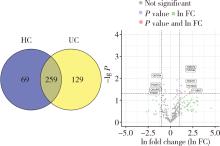
摘要: 目的: 筛选可能与溃疡性结肠炎(ulcerative colitis,UC)密切相关的蛋白标志物, 探索UC患者唾液外泌体特异性高表达蛋白的功能及在UC发病中的作用。方法: 2021年7月至2022年6月从北京大学人民医院消化内科共招募初诊初治活动期UC患者37例,健康对照(healthy control,HC) 志愿者10人,收集全部受试者唾液后分别提取唾液外泌体,用于Shotgun质谱分析及后续实验,寻找UC组和HC组之间差异表达的蛋白质。利用DAVID工具对差异表达蛋白的基因进行GO(gene ontology)、KEGG(Kyoto encyclopedia of genes and genomes)富集分析。体外实验将UC组与HC组唾液外泌体分别与巨噬细胞共培养,实时定量聚合酶链反应(real-time quantitative PCR,qPCR)检测细胞CD80+、CD86+水平;ELISA法检测细胞上清液白介素-6(interleukin-6,IL-6)、白介素-1β(interleukin-1β,IL-1β)、肿瘤坏死因子-α(tumor necrosis factor-α,TNF-α)分泌水平。结果: UC组与HC组唾液外泌体中共表达的蛋白质有259种,其中11种蛋白质在UC组中高表达,包括PDIA4、A2M、EEF2、C3、PSMA2、PSMB6、PSMA1、IGHG1、IGHG3、IGHG4、SERPING1,4种蛋白质在UC组中低表达,包括TCN1、SLPI、CTSZ、TFF3,将这15种蛋白质与仅存在于UC患者中的129种特异蛋白质,以及仅存在于HC组中的69种特异蛋白质共同进行GO/KEGG功能学分析,发现UC组唾液外泌体中蛋白酶体相关蛋白PSMA1、PSMA2、PSMB6表达升高,以及补体级联通路中多种关键分子(如C3等)表达上调。体外共培养实验发现,与HC组相比,活动期UC患者唾液外泌体可以通过促进巨噬细胞向M1型转化并分泌炎性因子IL-1β、IL-6、TNF-α发挥促炎作用。结论: UC患者唾液外泌体可能具有促进炎症的功能,对UC患者及健康对照志愿者唾液外泌体内蛋白质进行分析,发现在两组共表达的蛋白质中有15种蛋白质表达量存在明显差异,其中UC组高表达的C3、PSMA2、PSMB6、PSMA1主要与免疫及炎症反应相关,提示UC患者唾液外泌体中特异性高表达的蛋白质有作为UC诊断疾病标志物的潜力,并可能在UC的发病中发挥作用。

关键词: 溃疡性结肠炎, 唾液外泌体, 生物标志物, 肠道免疫

Abstract: Objective: To identify protein markers that may be associated with ulcerative colitis (UC) by analyzing differential proteins in the salivary exosomes from newly diagnosed patients with active UC and healthy controls (HC), and to investigate the function of salivary exosome-specific high-expression proteins in UC patients and their potential role in the pathogenesis of UC. Methods: All patients and healthy controls were recruited from Peking University People' s Hospital. Whole saliva was obtained from 37 patients with newly diagnosed active ulcerative colitis (n=37) and apparently healthy controls (n=10). Salivary exosomes were extracted from samples, and the proteins within the exosomes were identified by liquid chromatograph-mass spectrometer (LC-MS/MS). The differentially expressed protein genes underwent gene ontology (GO) and Kyoto encyclopedia of genes and genomes (KEGG) enrichment analysis using the DAVID tool. In vitro, macrophages were co-cultured with salivary exosomes from UC group and those from HC group, respectively, and real-time quantitative polymerase chain reaction (qPCR) was used to detect levels of CD80+ and CD86+. Additionally, ELISA was performed to measure secretion levels of interleukin-6 (IL-6), interleukin-1β (IL-1β), tumor necrosis factor-α (TNF-α) in the cell supernatant. Results: A total of 259 proteins were co-expressed in saliva exosomes from UC group and HC group, among which 11 proteins were highly expressed in the UC group, including PDIA4, A2M, EEF2, C3, PSMA2, PSMB6, PSMA1, IGHG1, IGHG3, IGHG4 and SERPING1, while 4 proteins were lowly expressed in UC group, including TCN1, SLPI and SERPING. Functional analysis of these 15 proteins, along with 129 specific proteins found only in the UC patients and 69 specific proteins found only in HC patients, respectively, was conducted using GO/KEGG. The results revealed that in the UC group, proteasome-related proteins such as PSMA1, PSMA2 and PSMB6 expressions were increased in salivary exosomes while many key molecules involved in complement cascade pathways, such as C3 were up-regu-lated. In vitro co-culture experiments demonstrated that compared with healthy controls, the salivary exosomes of the UC patients in active stage could play a pro-inflammatory role by promoting the transformation of macrophages into M1 type cells that secrete inflammatory factors IL-1β, IL-6 and TNF-α. Conclusion: Salivary exosomes in the UC patients may have the function of promoting inflammation. Analysis of protein levels in the saliva of the UC patients and healthy controls revealed significant differences in the expression levels of 15 co-expressed proteins between the two groups. Among them, C3, PSMA2, PSMB6 and PSMA1 were found to be mainly related to immune and inflammatory reactions in the UC group. These findings suggest that proteins with high specific expression in salivary exosomes of the UC patients have the potential to be used as a disease marker for UC diagnosis and may contribute to the pathogenesis of UC.

Key words: Ulcerative colitis, Salivary exosomes, Biomarker, Gut immunity

中图分类号: 

  • R574.62

表1

实时定量聚合酶链反应扩增所用的基因引物序列"

Gene Forward (5′-3′) Reverse (5′-3′)
CD86+ CTGCTCATCTATACACGGTTACC GGAAACGTCGTACAGTTCTGTG
CD80+ GGCCCGAGTACAAGAACCG TCGTATGTGCCCTCGTCAGAT
GAPDH GGAGCGAGATCCCTCCAAAAT GGCTGTTGTCATACTTCTCATGG

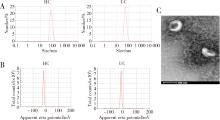
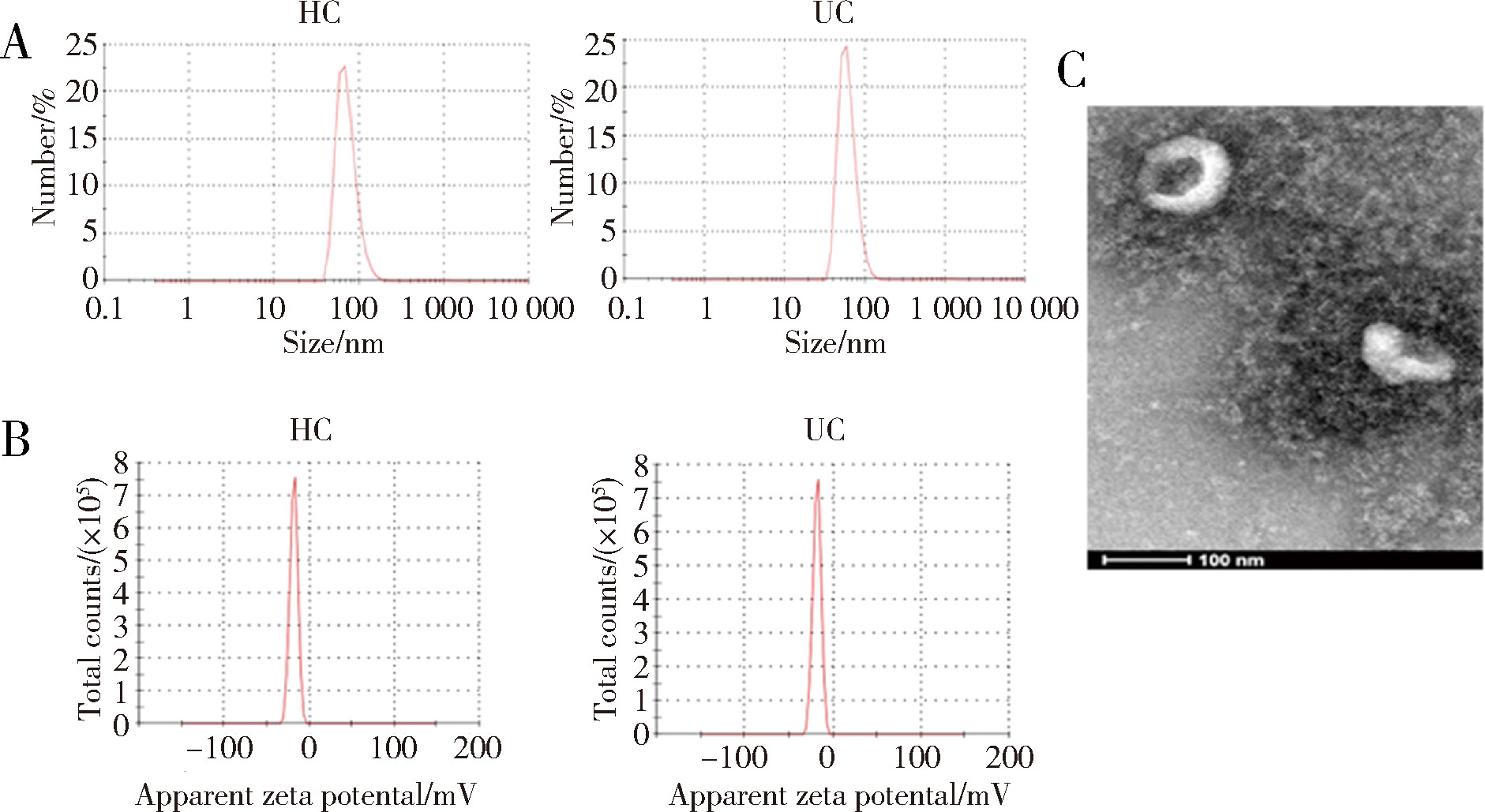
图1

唾液外泌体的鉴定"

图2

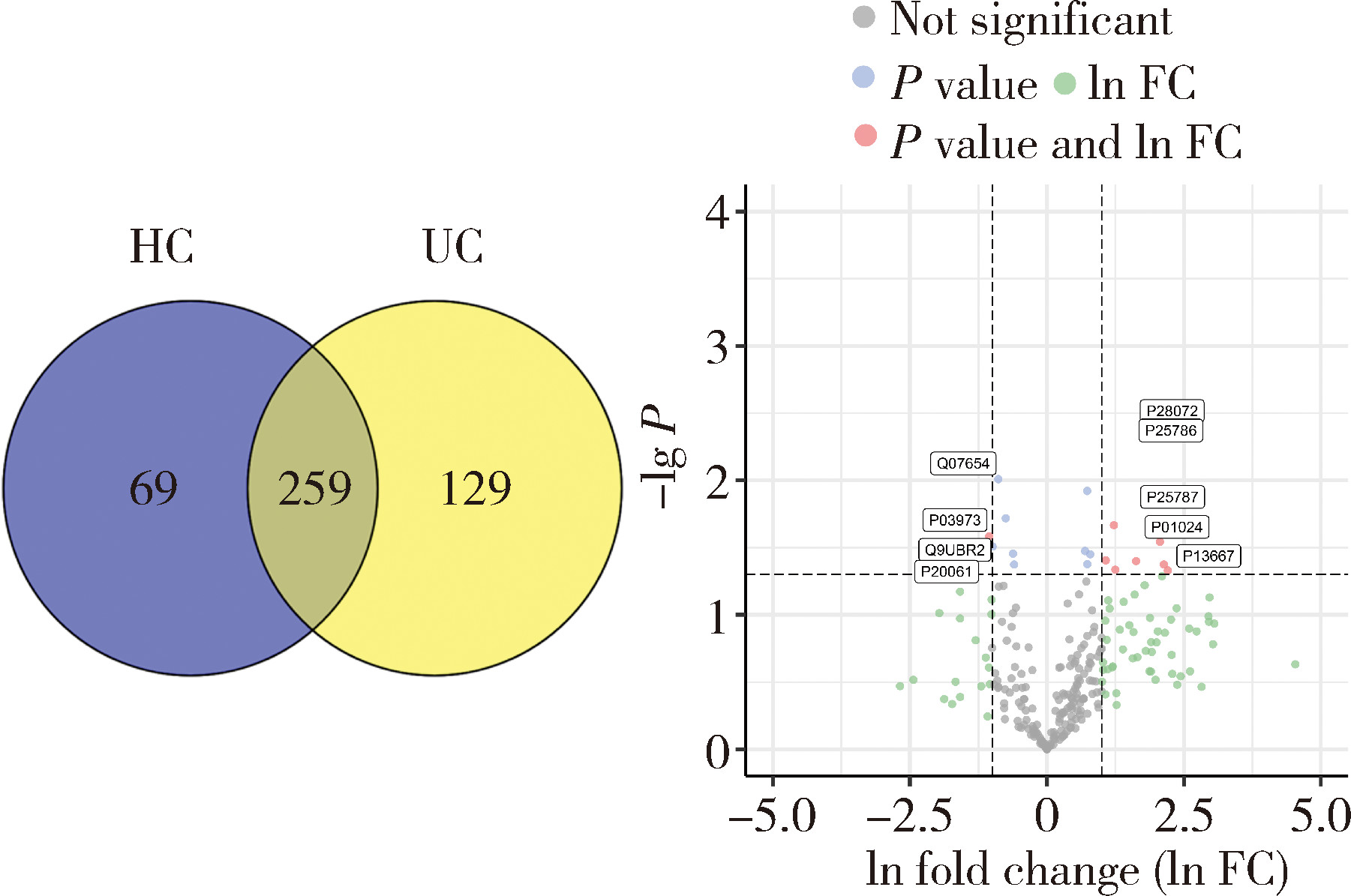
UC组与HC组唾液外泌体蛋白质种类对比"

表2

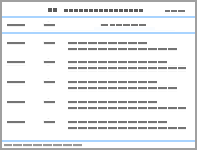
UC组与健康对照组唾液外泌体差异表达的15种蛋白质"

Protein ID Gene Description Fuction
Up regulated (11)
P13667 PDIA4 Protein disulfide-isomerase A4 Protein processing in endoplasmic reticulum
P01023 A2M Alpha-2-macroglobulin Complement and coagulation cascades
P13639 EEF2 Elongation factor 2 Neutrophil degranulation
P01024 C3 Complement C3 Complement and coagulation cascades
P25787 PSMA2 Proteasome subunit alpha type-2 Proteasome actvities
P28072 PSMB6 Proteasome subunit beta type-6 Proteasome activities
P25786 PSMA1 Proteasome subunit alpha type-1 Proteasome activities
P01857 IGHG1 Ig gamma-1 chain C region Immunoglobulin receptor binding
P01860 IGHG3 lg gamma-3 chain C region Immunoglobulin receptor binding
P01861 IGHG4 Ig gamma-4 chain C region Immunoglobulin receptor binding
B4E1H2 SERPING1 Plasma protease C1 inhibitor Complement and coagulation cascades
Down regulated (4)
P20061 TCN1 Transcobalamin-1 Vitamin binding
P03973 SLPI Antileukoproteinase Endopeptidase regulator activity
Q9UBR2 CTSZ Cathepsin Z Endopeptidase activity
Q07654 TFF3 Trefoil factor 3 Regulation of small molecule metabolic process

图3

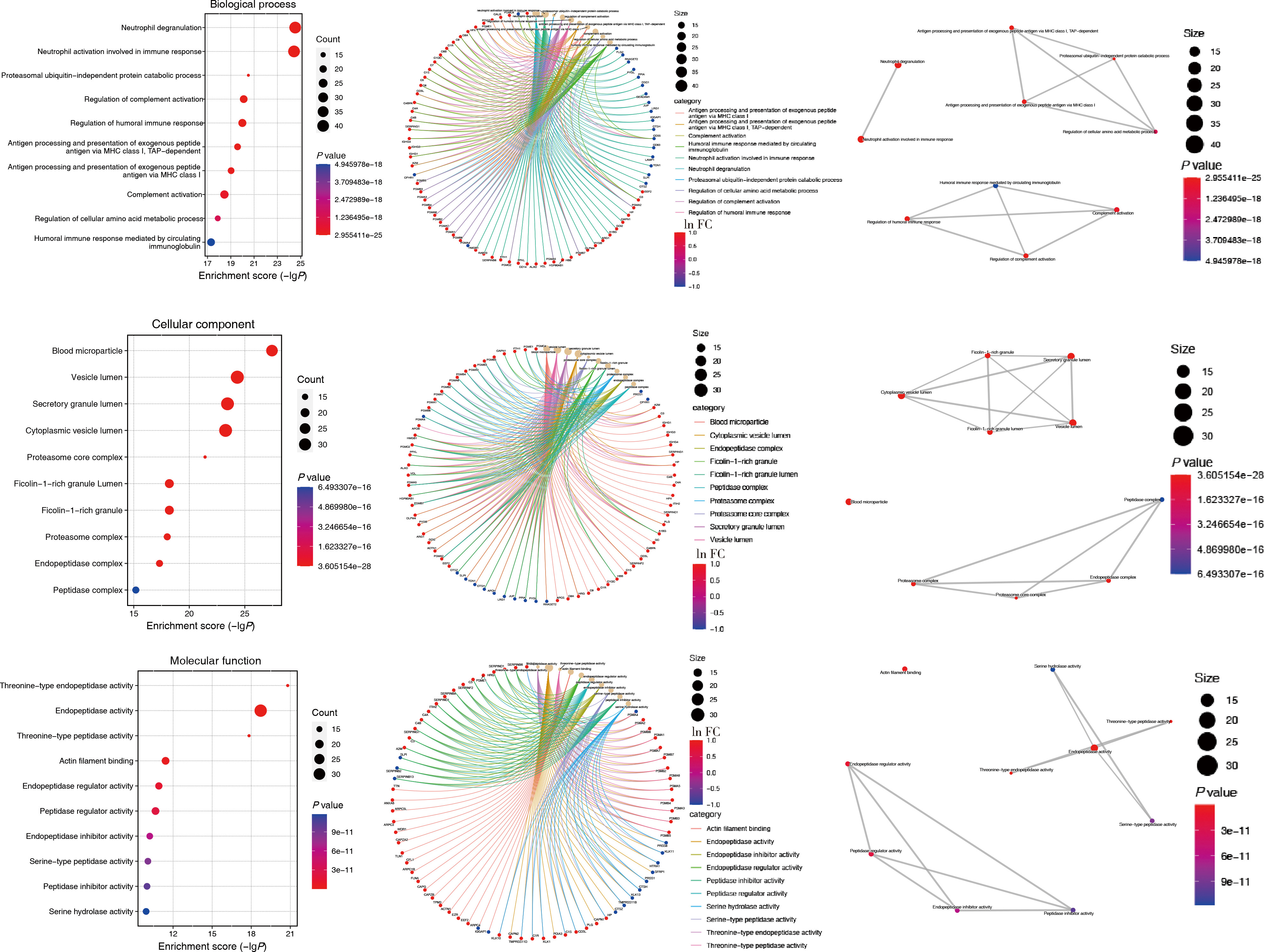
UC组与健康对照组唾液外泌体中213种差异蛋白的GO分析"

图4

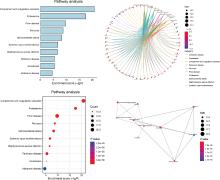
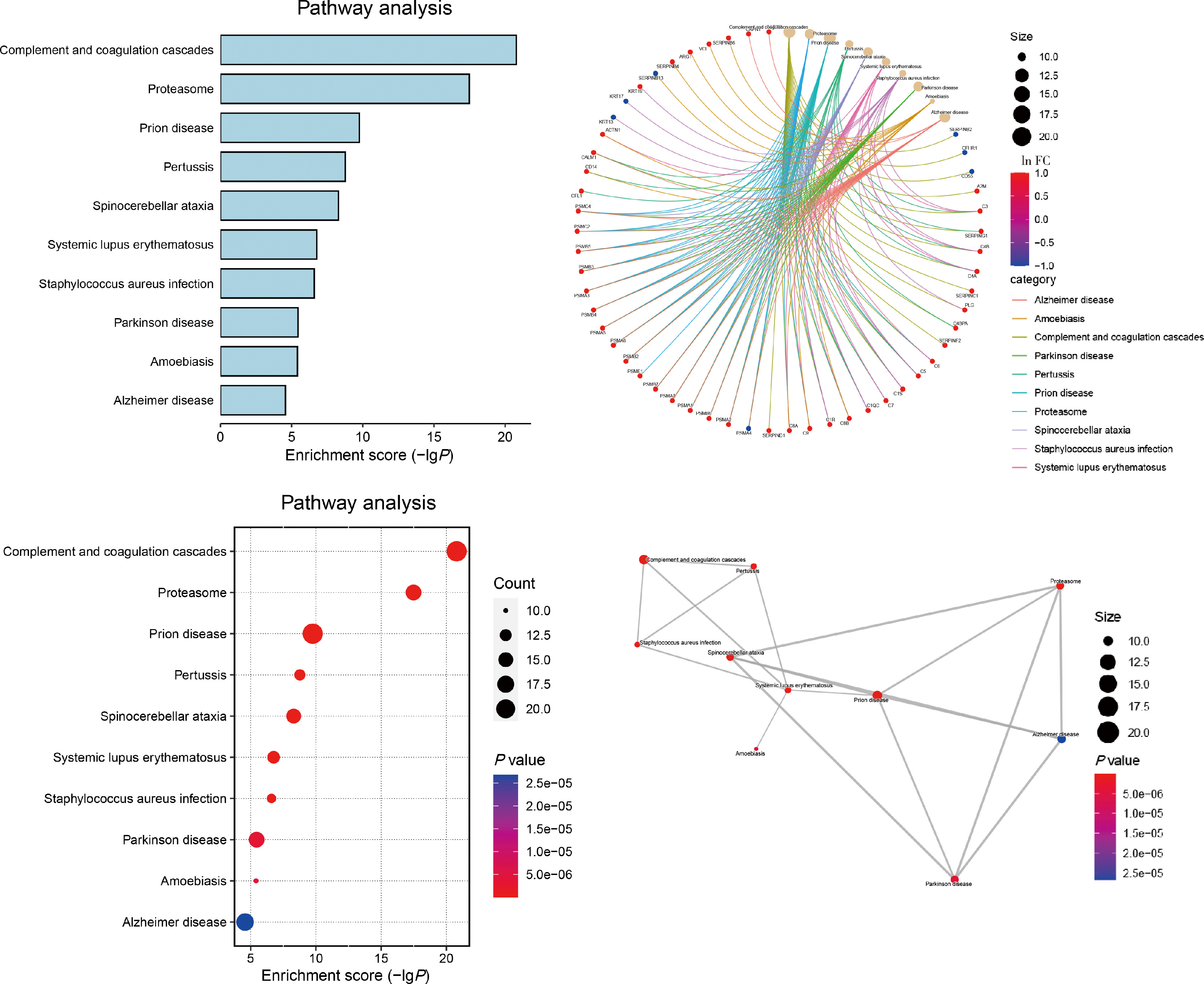
UC组与健康对照组唾液外泌体中213种差异蛋白的KEGG(Kyoto encyclopedia of genes and genomes)分析"

图5

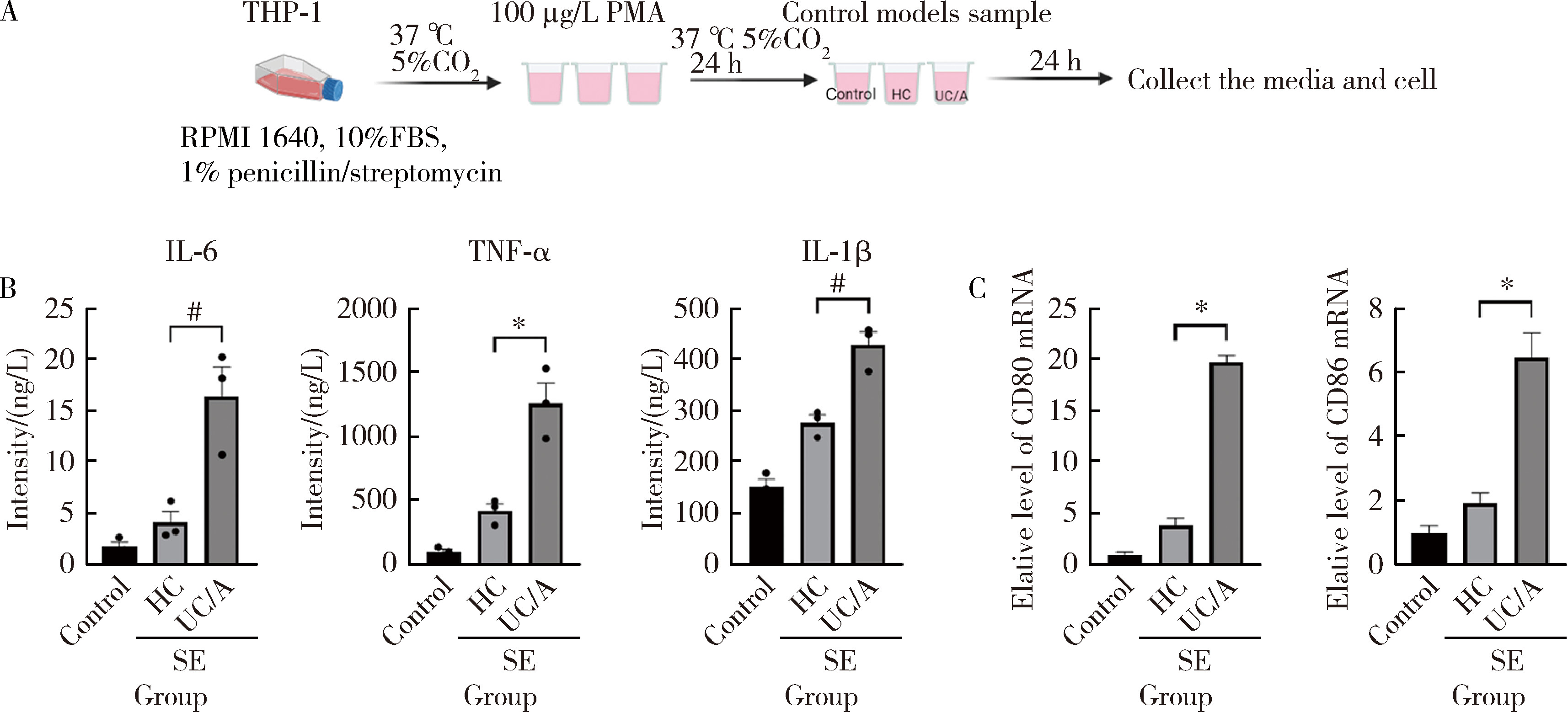
唾液外泌体在体外对巨噬细胞的作用"

1
Lauritano D, Boccalari E, Di Stasio D, et al. Prevalence of oral lesions and correlation with intestinal symptoms of inflammatory bowel disease: A systematic review[J]. Diagnostics(Basel), 2019, 9(3): 77.
2
Ng SC, Shi HY, Hamidi N, et al. Worldwide incidence and prevalence of inflammatory bowel disease in the 21st century: A systematic review of population-based studies[J]. Lancet, 2017, 390(10114): 2769- 2778.

doi: 10.1016/S0140-6736(17)32448-0
3
Xavier RJ, Podolsky DK. Unravelling the pathogenesis of inflammatory bowel disease[J]. Nature, 2007, 448(7152): 427- 434.

doi: 10.1038/nature06005
4
Vermeire S, Van Assche G, Rutgeerts P. Laboratory markers in IBD: Useful, magic, or unnecessary toys[J]. Gut, 2006, 55(3): 426- 431.

doi: 10.1136/gut.2005.069476
5
Kalluri R, LeBleu VS. The biology, function, and biomedical applications of exosomes[J]. Science, 2020, 367(6478): eaau6977.

doi: 10.1126/science.aau6977
6
Chen IH, Xue L, Hsu CC, et al. Phosphoproteins in extracellular vesicles as candidate markers for breast cancer[J]. Proc Natl Acad Sci USA, 2017, 114(12): 3175- 3180.

doi: 10.1073/pnas.1618088114
7
Yang B, Chen Y, Shi J. Exosome biochemistry and advanced nanotechnology for next-generation theranostic platforms[J]. Adv Mater, 2019, 31(2): e1802896.

doi: 10.1002/adma.201802896
8
Yu G, Wang LG, Han Y, et al. Clusterprofiler: An R package for comparing biological themes among gene clusters[J]. OMICS, 2012, 16(5): 284- 287.

doi: 10.1089/omi.2011.0118
9
Luo W, Brouwer C. Pathview: An R/Bioconductor package for pathway-based data integration and visualization[J]. Bioinfor-matics, 2013, 29(14): 1830- 1831.

doi: 10.1093/bioinformatics/btt285
10
Doyle LM, Wang MZ. Overview of extracellular vesicles, their origin, composition, purpose, and methods for exosome isolation and analysis[J]. Cells, 2019, 8(7): 727.

doi: 10.3390/cells8070727
11
Gao X, Jiang S, Koh D, et al. Salivary biomarkers for dental caries[J]. Periodontol 2000, 2016, 70(1): 128- 141.

doi: 10.1111/prd.12100
12
Goldoni R, Dolci C, Boccalari E, et al. Salivary biomarkers of neurodegenerative and demyelinating diseases and biosensors for their detection[J]. Ageing Res Rev, 2022, 76, 101587.

doi: 10.1016/j.arr.2022.101587
13
Han Y, Jia L, Zheng Y, et al. Salivary exosomes: Emerging roles in systemic disease[J]. Int J Biol Sci, 2018, 14(6): 633- 643.

doi: 10.7150/ijbs.25018
14
Liu D, Saikam V, Skrada KA, et al. Inflammatory bowel disease biomarkers[J]. BMJ, 2022, 42(5): 1856- 1887.
15
Shao J, Jin Y, Shao C, et al. Serum exosomal pregnancy zone protein as a promising biomarker in inflammatory bowel disease[J]. Cell Mol Biol Lett, 2021, 26(1): 36.

doi: 10.1186/s11658-021-00280-x
16
Okita Y, Nakayama KI. UPS delivers pluripotency[J]. Cell Stem Cell, 2012, 11(6): 728- 730.

doi: 10.1016/j.stem.2012.11.009
17
Cleynen I, Vazeille E, Artieda M, et al. Genetic and microbial factors modulating the ubiquitin proteasome system in inflammatory bowel disease[J]. Gut, 2014, 63(8): 1265- 1274.

doi: 10.1136/gutjnl-2012-303205
18
Arimochi H, Sasaki Y, Kitamura A, et al. Dysfunctional immunoproteasomes in autoinflammatory diseases[J]. Inflamm Regen, 2016, 36, 13.

doi: 10.1186/s41232-016-0011-8
19
Muchamuel T, Basler M, Aujay MA, et al. A selective inhibitor of the immunoproteasome subunit LMP7 blocks cytokine production and attenuates progression of experimental arthritis[J]. Nat Med, 2009, 15(7): 781- 787.

doi: 10.1038/nm.1978
20
Harboe M, Thorgersen EB, Mollnes TE. Advances in assay of complement function and activation[J]. Adv Drug Deliv Rev, 2011, 63(12): 976- 987.

doi: 10.1016/j.addr.2011.05.010
21
Wong WY, Lee MM, Chan BD, et al. Proteomic profiling of dextran sulfate sodium induced acute ulcerative colitis mice serum exosomes and their immunomodulatory impact on macrophages[J]. Proteomics, 2016, 16(7): 1131- 1145.

doi: 10.1002/pmic.201500174
22
Halstensen TS, Mollnes TE, Fausa O, et al. Deposits of terminal complement complex (TCC) in muscularis mucosae and submucosal vessels in ulcerative colitis and Crohn's disease of the colon[J]. Gut, 1989, 30(3): 361- 366.

doi: 10.1136/gut.30.3.361
23
Atarashi K, Suda W, Luo C, et al. Ectopic colonization of oral bacteria in the intestine drives TH1 cell induction and inflammation[J]. Science, 2017, 358(6361): 359- 365.

doi: 10.1126/science.aan4526
24
Mitsuhashi S, Feldbrügge L, Csizmadia E, et al. Luminal extracellular vesicles (EVs) in inflammatory bowel disease (IBD) exhibit proinflammatory effects on epithelial cells and macrophages[J]. Inflamm Bowel Dis, 2016, 22(7): 1587- 1595.

doi: 10.1097/MIB.0000000000000840
[1] 曹芳,钟明,刘从容. 宫体POLE突变型内膜样癌合并HPV感染相关性宫颈腺癌1例报道及文献回顾[J]. 北京大学学报(医学版), 2023, 55(2): 370-374.
[2] 梁丽,李鑫,农琳,董颖,张继新,李东,李挺. 子宫内膜癌微卫星不稳定性分析: 微小微卫星变换的意义[J]. 北京大学学报(医学版), 2023, 55(2): 254-261.
[3] 张波. 弥漫性神经内分泌细胞肿瘤病理学:共性与异质性[J]. 北京大学学报(医学版), 2023, 55(2): 210-216.
[4] 柯杨,王敏敏,刘萌飞,刘芳芳,刘英,何忠虎. 肿瘤早期预警生物标志物的研究与思考[J]. 北京大学学报(医学版), 2022, 54(5): 810-813.
[5] 蔡天玉,朱振鹏,徐纯如,吉星,吕同德,郭振可,林健. 成纤维细胞生长因子受体2在肾透明细胞癌中的表达及意义[J]. 北京大学学报(医学版), 2022, 54(4): 628-635.
[6] 贺冰洁,刘志科,沈鹏,孙烨祥,陈彬,詹思延,林鸿波. 2011—2020年宁波市鄞州区炎症性肠病发病的流行病学研究[J]. 北京大学学报(医学版), 2022, 54(3): 511-519.
[7] 陈怀安,刘硕,李秀君,王哲,张潮,李凤岐,苗文隆. 炎症生物标志物对输尿管尿路上皮癌患者预后预测的临床价值[J]. 北京大学学报(医学版), 2021, 53(2): 302-307.
[8] 王婷婷,韩影,高芳芳,叶磊,张育军. 环状RNA circ-SOD2对肠上皮屏障和溃疡性结肠炎的作用[J]. 北京大学学报(医学版), 2019, 51(5): 805-812.
[9] 杨飞龙,洪锴,赵国江,刘承,宋一萌,马潞林. 基于长链非编码RNA的生物信息学分析构建膀胱癌预后模型并确定预后生物标志物[J]. 北京大学学报(医学版), 2019, 51(4): 615-622.
[10] 贺大林,徐珊,郭鹏. 外泌体在泌尿系肿瘤精准诊断中的应用[J]. 北京大学学报(医学版), 2017, 49(4): 561-564.
[11] 刘瑾,熊耕砚,唐琦,方冬,李学松,周利群. 上尿路尿路上皮癌中RASSF1A基因启动子区域的甲基化状态及其临床意义[J]. 北京大学学报(医学版), 2016, 48(4): 571-578.
Viewed
Full text


Abstract

Cited

  Shared   
  Discussed   
No Suggested Reading articles found!