Journal of Peking University (Health Sciences) ›› 2021, Vol. 53 ›› Issue (6): 1043-1048. doi: 10.19723/j.issn.1671-167X.2021.06.006
Previous Articles Next Articles
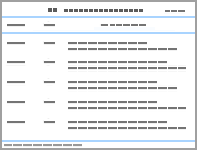
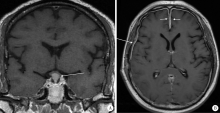
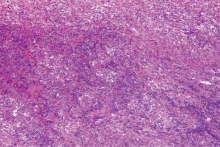
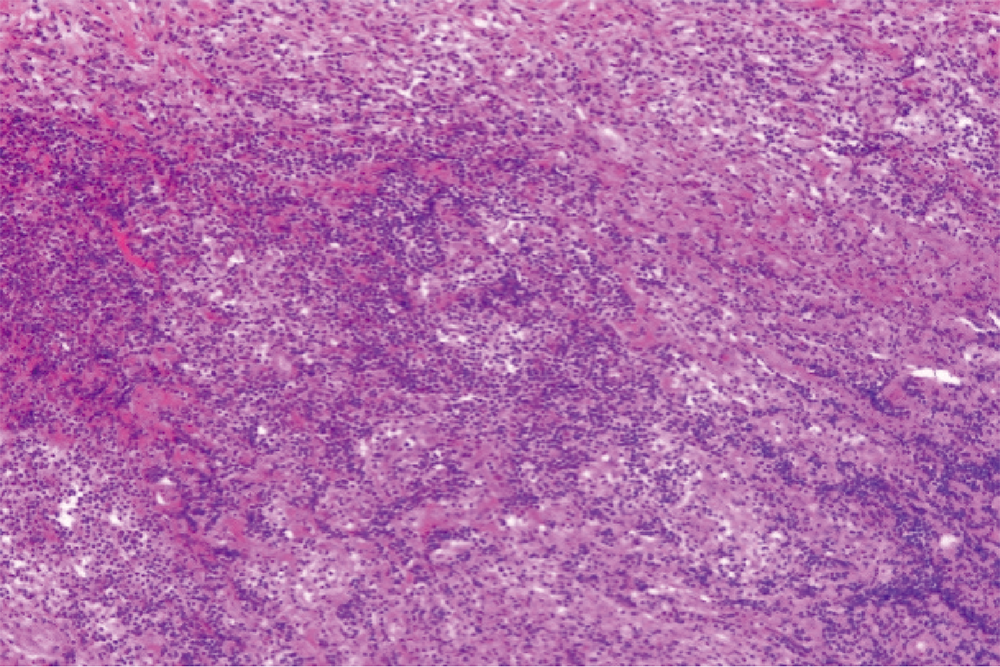
Clinical characteristics of central nervous system involvement in IgG4 related diseases
MENG Guang-yan1,2,ZHANG Yun-xiao1,3,ZHANG Yu-xin1,LIU Yan-ying1,4,△
- 1. Department of Rheumatology and Immunology, Peking University People’s Hospital, Beijing 100044, China
2. Department of Clinical Laboratory, Peking University People’s Hospital, Beijing 100044, China
3. Department of Internal Medicine, Hospital of Qinghe Branch of Beijing Prison Administration, Tianjin 300481, China
4. Department of Rheumatology and Immunology, Beijing Friendship Hospital, Capital Medical University, Beijing 100050, China
CLC Number:
- R593.2

| [1] |
Kamisawa T, Funata N, Hayashi Y, et al. A new clinicopatholo-gical entity of IgG4-related autoimmune disease[J]. J Gastroenterol, 2003, 38(10):982-984.
pmid: 14614606 |
| [2] |
Umehara H, Okazaki K, Kawa S, et al. The 2020 revised comprehensive diagnostic (RCD) criteria for IgG4-RD[J]. Mod Rheumatol, 2021, 31(3):529-533.
doi: 10.1080/14397595.2020.1859710 |
| [3] | Peng L, Zhang P, Zhang X, et al. Clinical features of immunoglobulin G4-related disease with central nervous system involvement: An analysis of 15 cases[J]. Clin Exp Rheumatol, 2020, 38(4):626-632. |
| [4] |
Kamisawa T, Zen Y, Pillai S, et al. IgG4-related disease[J]. Lancet, 2015, 385(9976):1460-1471.
doi: 10.1016/S0140-6736(14)60720-0 pmid: 25481618 |
| [5] | 王子乔, 刘燕鹰, 张霞, 等. 17例误诊为IgG4相关疾病患者的临床特点及误诊原因分析[J]. 北京大学学报(医学版), 2019, 51(6):1025-1031. |
| [6] | 朱星昀, 刘燕鹰, 孙学娟, 等. 免疫球蛋白G4相关疾病患者发病形式及就诊行为特征分析[J]. 北京大学学报(医学版), 2018, 50(6):1039-1043. |
| [7] |
Iseda I, Hida K, Tone A, et al. Prednisolone markedly reduced serum IgG4 levels along with the improvement of pituitary mass and anterior pituitary function in a patient with IgG4-related infundibulo-hypophysitis[J]. Endocr J, 2014, 61(2):195-203.
doi: 10.1507/endocrj.EJ13-0407 |
| [8] | 李芊, 段炼, 李伟, 等. IgG4相关性垂体炎5例临床分析[J]. 中国实用内科杂志, 2018, 38(9):861-864. |
| [9] |
Ohkubo Y, Sekido T, Takeshige K, et al. Occurrence of IgG4-related hypophysitis lacking IgG4-bearing plasma cell infiltration during steroid therapy[J]. Intern Med, 2014, 53(7):753-757.
doi: 10.2169/internalmedicine.53.0714 |
| [10] |
Christakis PG, Machado DG, Fattahi P. Idiopathic hypertrophic pachymeningitis mimicking neurosarcoidosis[J]. Clin Neurol Neurosurg, 2012, 114(2):176-178.
doi: 10.1016/j.clineuro.2011.10.011 |
| [11] | 苏玉莹, 王晨琼, 董凌莉. IgG4相关性疾病的发病机制及进展[J]. 中华临床医师杂志:电子版, 2014(14):2713-2717. |
| [12] | 纪宗斐. IgG4相关性疾病(IgG4-RD)发病机制的研究进展[J]. 复旦学报(医学版), 2019, 46(1):114-118. |
| [13] |
Leporati P, Landek-Salgado MA, Lupi I, et al. IgG4-related hypophysitis: A new addition to the hypophysitis spectrum[J]. J Clin Endocrinol Metab, 2011, 96(7):1971-1980.
doi: 10.1210/jc.2010-2970 pmid: 21593109 |
| [14] |
Chan SK, Cheuk W, Chan KT, et al. IgG4-related sclerosing pachymeningitis: A previously unrecognized form of central nervous system involvement in IgG4-related sclerosing disease[J]. Am J Surg Pathol, 2009, 33(8):1249-1252.
doi: 10.1097/PAS.0b013e3181abdfc2 |
| [15] |
Lee YS, Lee HW, Park KS, et al. Immunoglobulin G4-related hypertrophic pachymeningitis with skull involvement[J]. Brain Tumor Res Treat, 2014, 2(2):87-91.
doi: 10.14791/btrt.2014.2.2.87 |
| [16] |
Peng Y, Li JQ, Zhang PP, et al. Clinical outcomes and predictive relapse factors of IgG4-related disease following treatment: A long-term cohort study[J]. J Intern Med, 2019, 286(5):542-552.
doi: 10.1111/joim.12942 pmid: 31121062 |
| [1] | Doudou MA, Xiaocai MA, Tianjing CHANG, Lifang WANG, Yan DING, Lianjie SHI. Bone marrow infiltration of large B-cell lymphoma with clinical manifestations similar to systemic lupus erythematosus: A case report [J]. Journal of Peking University (Health Sciences), 2026, 58(3): 666-669. |
| [2] | Ye ZHAO, Xiaoli DIAO, Yan XIONG. Application of cell transfer technology in pathological diagnosis of micro-volume cell fluid [J]. Journal of Peking University (Health Sciences), 2026, 58(1): 208-213. |
| [3] | Yue WANG, Yuhong LIANG. Florid cemento-osseous dysplasia: A case report [J]. Journal of Peking University (Health Sciences), 2026, 58(1): 220-224. |
| [4] | Yanting CHI, Hongjie JIANG, Yan CHEN, Zhixiu XU, Binbin LI. Value of direct immunofluorescence in the diagnosis of oral mucosal pemphigus vulgaris: A retrospective study based on multi-index combined analysis [J]. Journal of Peking University (Health Sciences), 2026, 58(1): 68-73. |
| [5] | Kai ZHAO, Fu'ai LU, Yongfu WANG. Central nervous system infection mimicking neuropsychiatric systemic lupus erythematosus: A case report [J]. Journal of Peking University (Health Sciences), 2025, 57(6): 1188-1192. |
| [6] | Jingyan GU, Xinyi LI, Jinxia ZHAO, Rong MU. Diabetic Charcot neuroarthropathy initially misdiagnosed as rheumatoid arthritis and gout: A case report [J]. Journal of Peking University (Health Sciences), 2025, 57(6): 1193-1197. |
| [7] | Xiaodi XIAO, Youchen XIA, Jianying LIU, Peng FU. Left sided sternocleidomastoid interosseous intravascular papillary endothelial hyperplasia: A case report [J]. Journal of Peking University (Health Sciences), 2025, 57(5): 1002-1004. |
| [8] | Xiangyu SUN, Chao YUAN, Xinzhu ZHOU, Jing DIAO, Shuguo ZHENG. Application of salivary micro-ecosystem in early prevention and control of oral and systemic diseases [J]. Journal of Peking University (Health Sciences), 2025, 57(5): 859-863. |
| [9] | Zhao CHEN, Yongkang QIU, Lei KANG. Classical Sweet syndrome with multiple organ lesions by 18F-FDG PET/CT: A case report [J]. Journal of Peking University (Health Sciences), 2025, 57(2): 403-407. |
| [10] | Guangyan YU, Xin PENG, Min GAO, Peng YE, Na GE, Mengqi JIA, Bingyu LI, Zunan TANG, Leihao HU, Wenbo ZHANG. Research progress in diagnosis and treatment of salivary gland tumors [J]. Journal of Peking University (Health Sciences), 2025, 57(1): 1-6. |
| [11] | Yuanyuan FANG, Fan XU, Jie LEI, Hao ZHANG, Wenyu ZHANG, Yu SUN, Hongxin WU, Kaiyuan FU, Weiyu MAO. Development and validation of a clinical automatic diagnosis system based on diagnostic criteria for temporomandibular disorders [J]. Journal of Peking University (Health Sciences), 2025, 57(1): 192-201. |
| [12] | Jialu CHE, Zichen LIU, Kun LI, Chen ZHANG, Nanying CHE. Clinical value of automated EasyNAT system for the diagnosis of tuberculosis in paraffin-embedded tissues [J]. Journal of Peking University (Health Sciences), 2024, 56(6): 1047-1051. |
| [13] | Jing CHAI, Yue WANG, Rong MU, Jinxia ZHAO. Systemic lupus erythematosus involving the fornix column leading to hyponatremia: A case report [J]. Journal of Peking University (Health Sciences), 2024, 56(6): 1115-1118. |
| [14] | Xinxin CHEN, Zhe TANG, Yanchun QIAO, Wensheng RONG. Caries experience and its correlation with caries activity of 4-year-old children in Miyun District of Beijing [J]. Journal of Peking University (Health Sciences), 2024, 56(5): 833-838. |
| [15] | Hua ZHONG, Yuan LI, Liling XU, Mingxin BAI, Yin SU. Application of 18F-FDG PET/CT in rheumatic diseases [J]. Journal of Peking University (Health Sciences), 2024, 56(5): 853-859. |
|
||