北京大学学报(医学版) ›› 2025, Vol. 57 ›› Issue (3): 569-577. doi: 10.19723/j.issn.1671-167X.2025.03.022

• 论著 • 上一篇    下一篇

铁死亡相关长链非编码核糖核酸预测放射治疗后非小细胞肺癌患者的临床结局

许秋实1,*, 刘彤2,*, 王俊杰3,*()   

  1. 1. 北京大学医学部医学技术研究院, 北京 100191
    2. 北京大学第三医院医学创新研究院基础医学研究中心, 北京 100191
    3. 北京大学第三医院放射肿瘤科, 北京 100191
  • 收稿日期:2022-05-28 出版日期:2025-06-18 发布日期:2025-06-13
  • 通讯作者: 王俊杰
  • 作者简介:

    * These authors contributed equally to this work

  • 基金资助:
    北京市自然科学基金(7202228); 国家自然科学基金(82073335); 国家自然科学基金(82073057); 北京大学临床医学+X(PKU2020LCXQ024)

Ferroptosis-related long non-coding RNA to predict the clinical outcome of non-small cell lung cancer after radiotherapy

Qiushi XU1, Tong LIU2, Junjie WANG3,*()   

  1. 1. Institute of Medical Technology, Peking University Health Science Center, Beijing 100191, China
    2. Center of Basic Medical Research, Institute of Medical Innovation and Research, Peking University Third Hospital, Beijing 100191, China
    3. Department of Radiation Oncology, Peking University Third Hospital, Beijing 100191, China
  • Received:2022-05-28 Online:2025-06-18 Published:2025-06-13
  • Contact: Junjie WANG
  • Supported by:
    the Beijing Natural Science Foundation(7202228); National Natural Science Foundation of China(82073335); National Natural Science Foundation of China(82073057); Clinical Medicine plus X Project of Peking University(PKU2020LCXQ024)

RICH HTML


摘要:

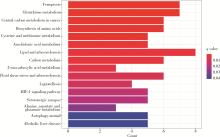
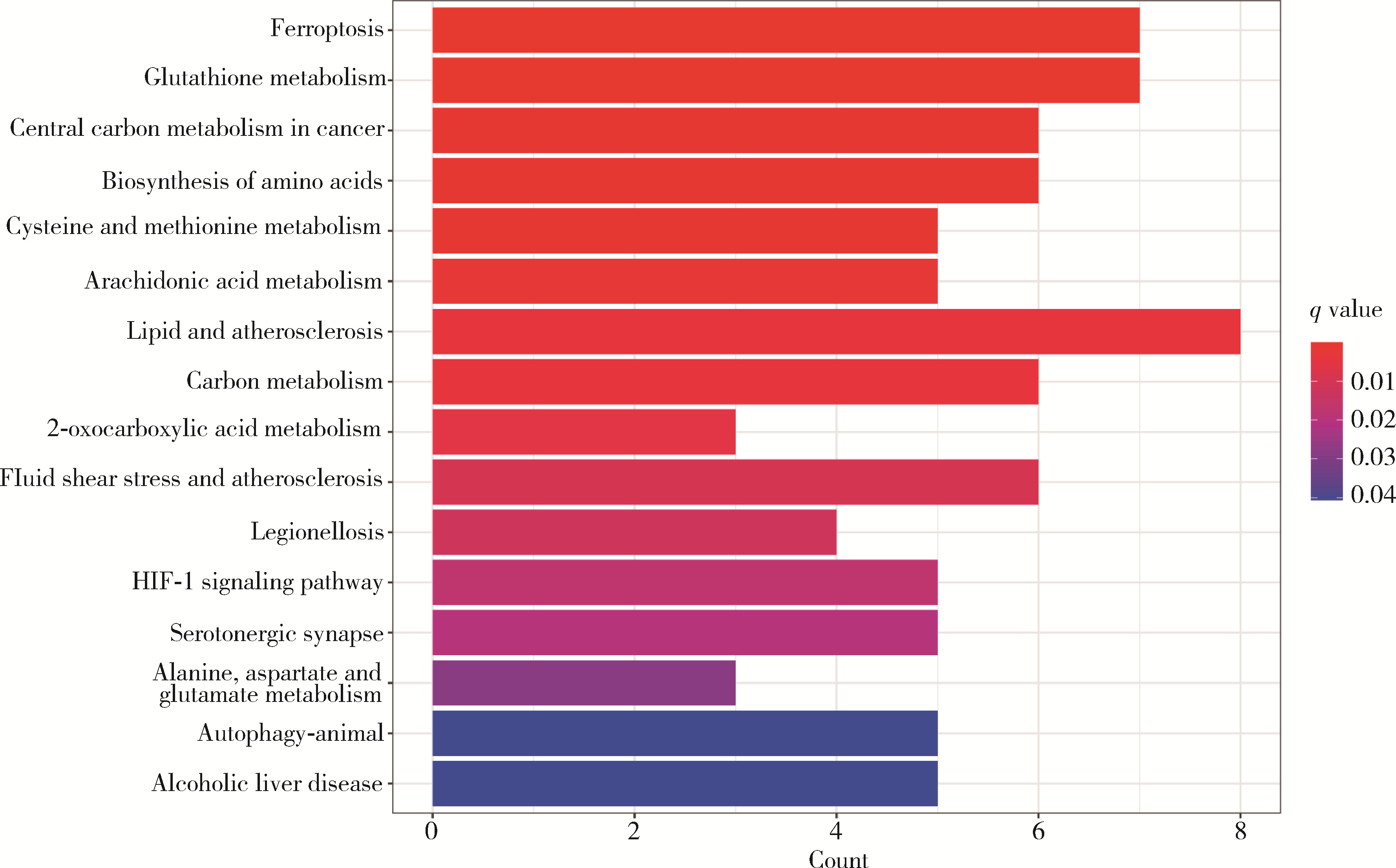
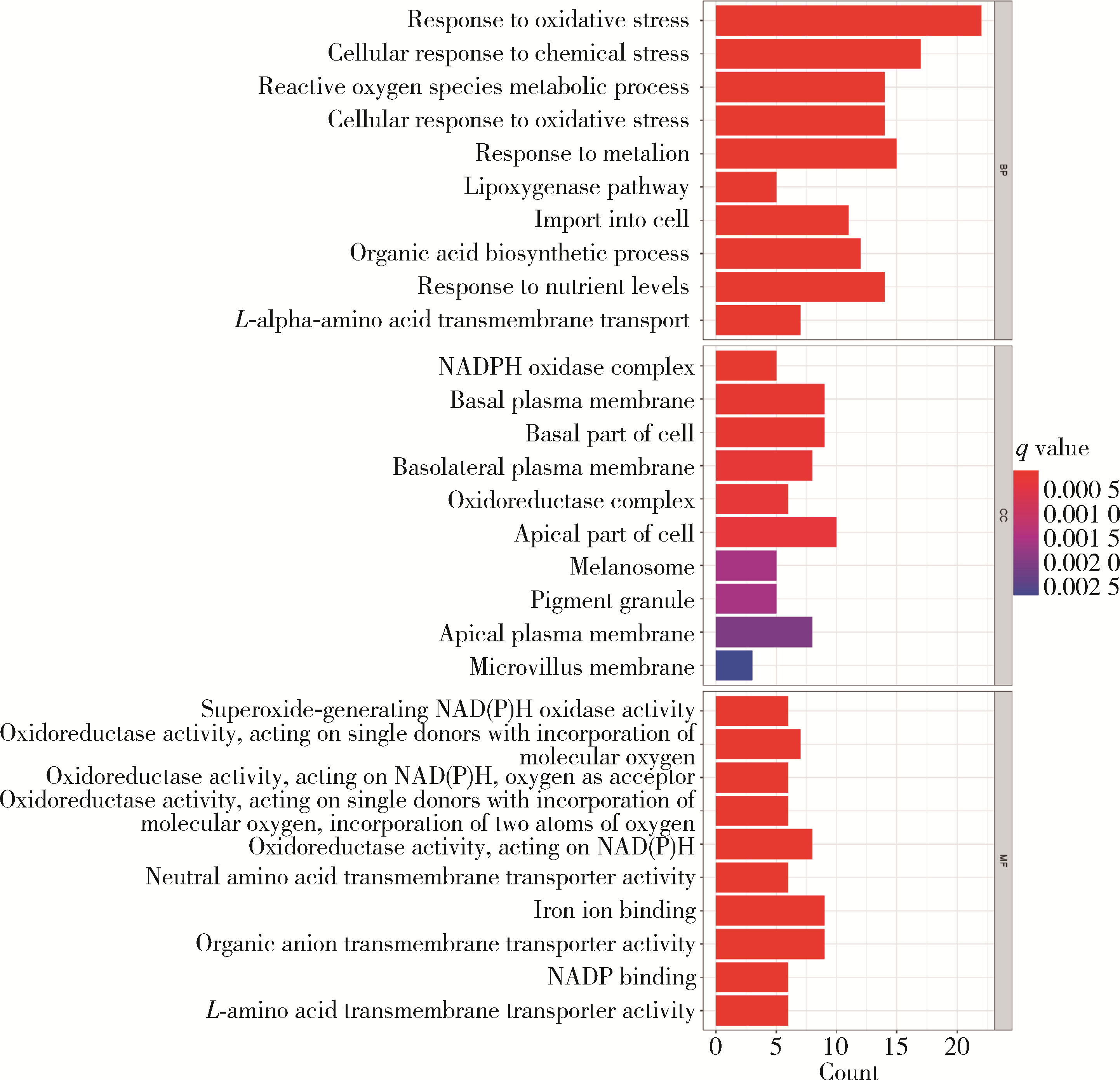
目的: 构建基于铁死亡的相关长链非编码核糖核酸(long non-coding RNA, lncRNA)模型,预测放射治疗(放疗)后非小细胞肺癌患者的预后。方法: 从癌症基因组图谱数据库(the cancer genome atlas,TCGA)下载标准化原发瘤和正常组织转录组数据,以及相应的临床信息数据,进行单变量和多变量Cox回归模型分析,构建与铁死亡相关的lncRNA高、低风险组预测模型,使用数据包预测患者的生存率和无进展生存期,验证模型在高、低风险组中的差异。结果: 铁死亡相关的差异性表达基因主要富集于铁死亡、谷胱甘肽代谢、脂质和动脉粥样硬化信号通路及氧化应激、活性氧的代谢过程;用14个与铁死亡相关的lncRNA构建一个预后模型,数据分析表明铁死亡相关的lncRNA可以独立预测放疗后非小细胞肺癌患者的预后;以年龄、性别、分期作为临床病理学变量,可预测出放疗后非小细胞肺癌高风险组预后较差。结论: 风险模型能够独立预测放疗后非小细胞肺癌患者的预后,可为铁死亡相关lncRNA在放疗后非小细胞肺癌中预后预测提供依据,并为非小细胞肺癌患者放疗联合铁死亡治疗提供临床治疗指导。

关键词: 铁死亡, 长链非编码核糖核酸, 放射治疗, 非小细胞肺癌

Abstract:

Objective: To construct a long non-coding RNA (lncRNA) model based on ferroptosis and predict the prognosis of non-small cell lung cancer (NSCLC) patients after radiotherapy, to develop a comprehensive framework that integrates genomic data with clinical outcomes, and to identify lncRNA associated with ferroptosis and evaluate their predictive power for patient survival and progression-free survival following radiotherapy. Methods: This study commenced by acquiring standardized transcriptome data from primary tumors and normal tissues, along with corresponding clinical information, from the cancer genome atlas (TCGA) database. This dataset provided a robust foundation for identifying differentially expressed genes (DEGs) related to ferroptosis. These analyses helped pinpoint specific pathways and biological processes involved in ferroptosis, such as glutathione metabolism, lipid signaling, oxidative stress, and reactive oxygen species (ROS) metabolism. Subsequently, univariate and multivariate Cox regression analyses were conducted to construct a predictive model based on lncRNA associated with ferroptosis. The goal was to differentiate between the high-risk and low-risk groups of NSCLC patients who had undergone radiotherapy. By incorporating these lncRNA into the model, we aimed to provide a more accurate prediction of patient outcomes. The performance of the model was validated by comparing the survival rates and progression-free survival between the high-risk and low-risk groups. Additionally, differences in gene expression patterns and pathway activities between these two groups were examined to further validate the model's effectiveness. Results: Our analysis revealed that the differentially expressed genes related to ferroptosis were significantly enriched in several key pathways, including ferroptosis itself, glutathione metabolism, lipid signaling, and processes involving oxidative stress and ROS metabolism. Based on these findings, we constructed a prognostic model using 14 lncRNA that showed strong associations with ferroptosis. Further data analysis demonstrated that these lncRNA could independently predict the prognosis of NSCLC patients after radiotherapy. Specifically, age, stage, and gender were used as clinical pathological variables, and the results indicated that the high-risk group of NSCLC patients had a poorer prognosis following radiotherapy. This finding underscores the potential of the model to serve as a valuable tool for predicting prognosis for NSCLC patients undergoing radiotherapy. Conclusion: The risk model developed in this study can independently predict the prognosis of NSCLC patients after radiotherapy. This model provides a solid basis for understanding the role of ferroptosis-related lncRNA in the prognosis of NSCLC patients following radiotherapy. Furthermore, it offers clinical guidance for combining radiotherapy with ferroptosis-targeted treatments, potentially improving therapeutic outcomes for NSCLC patients. The integration of genomic and clinical data in this study highlights the importance of personalized medicine approaches in oncology, paving the way for more precise and effective treatment strategies.

Key words: Ferroptosis, Long non-coding RNA, Radiotherapy, Non-small cell lung cancer

中图分类号: 

  • R34

图1

KEGG数据库中铁死亡相关差异基因通路的富集分析"

图2

GO数据库中铁死亡相关差异基因代谢的富集分析"

图3

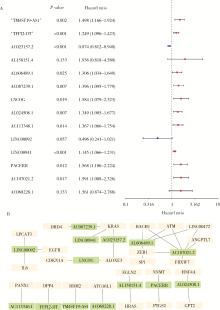
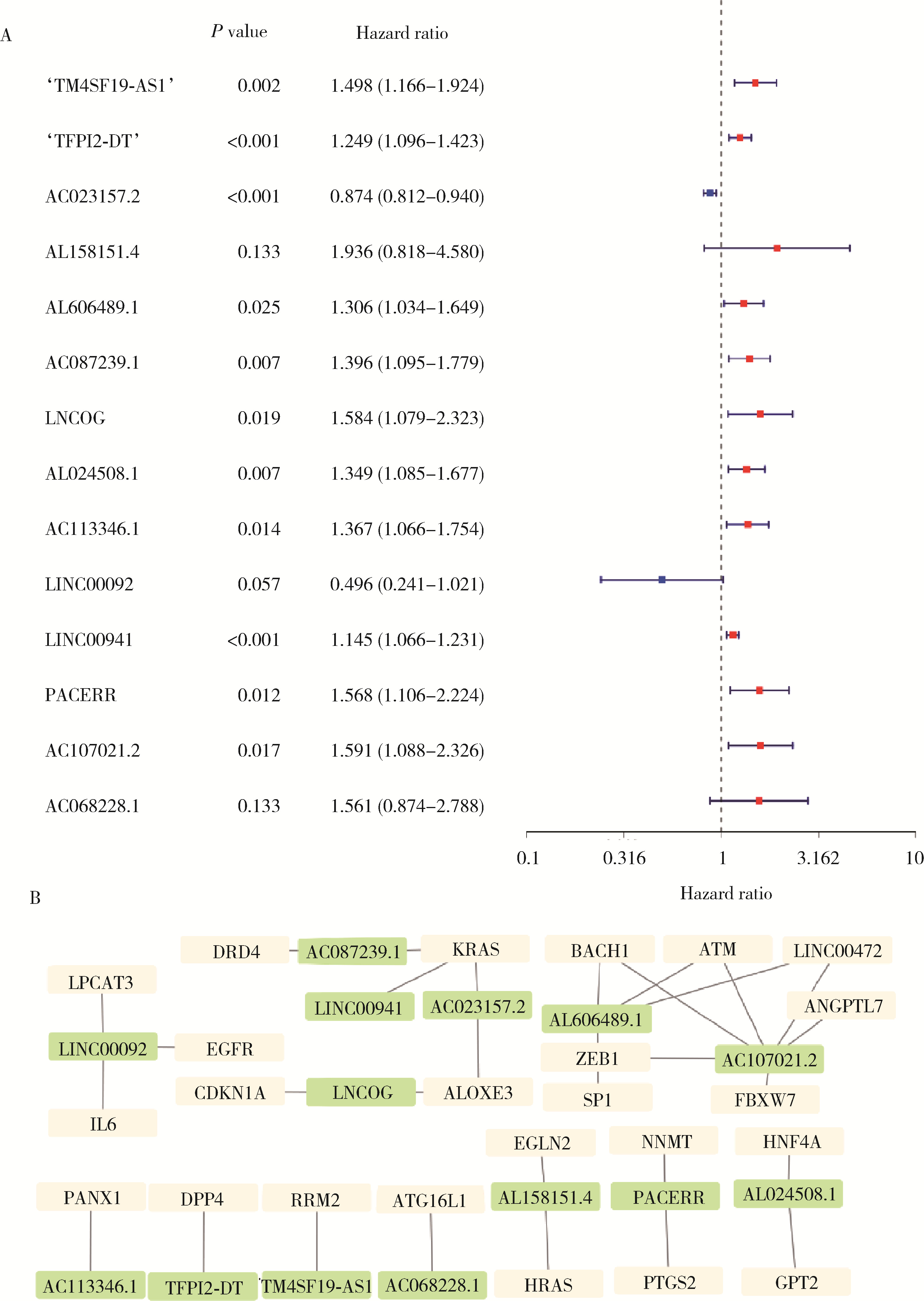
14个与铁死亡相关的lncRNA表达水平和lncRNA-mRNA共表达网络"

图4

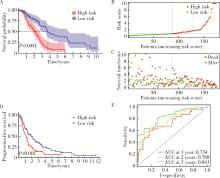
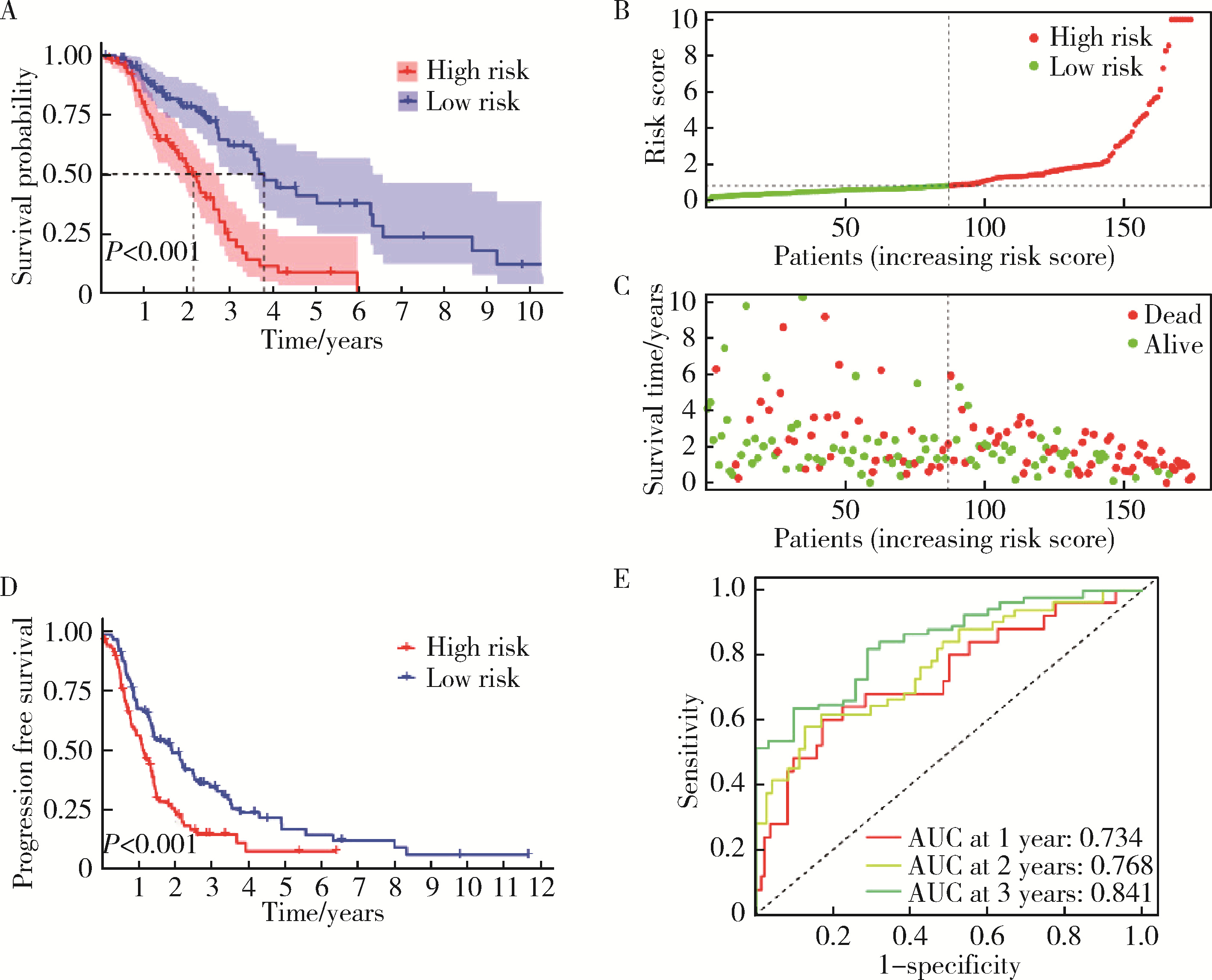
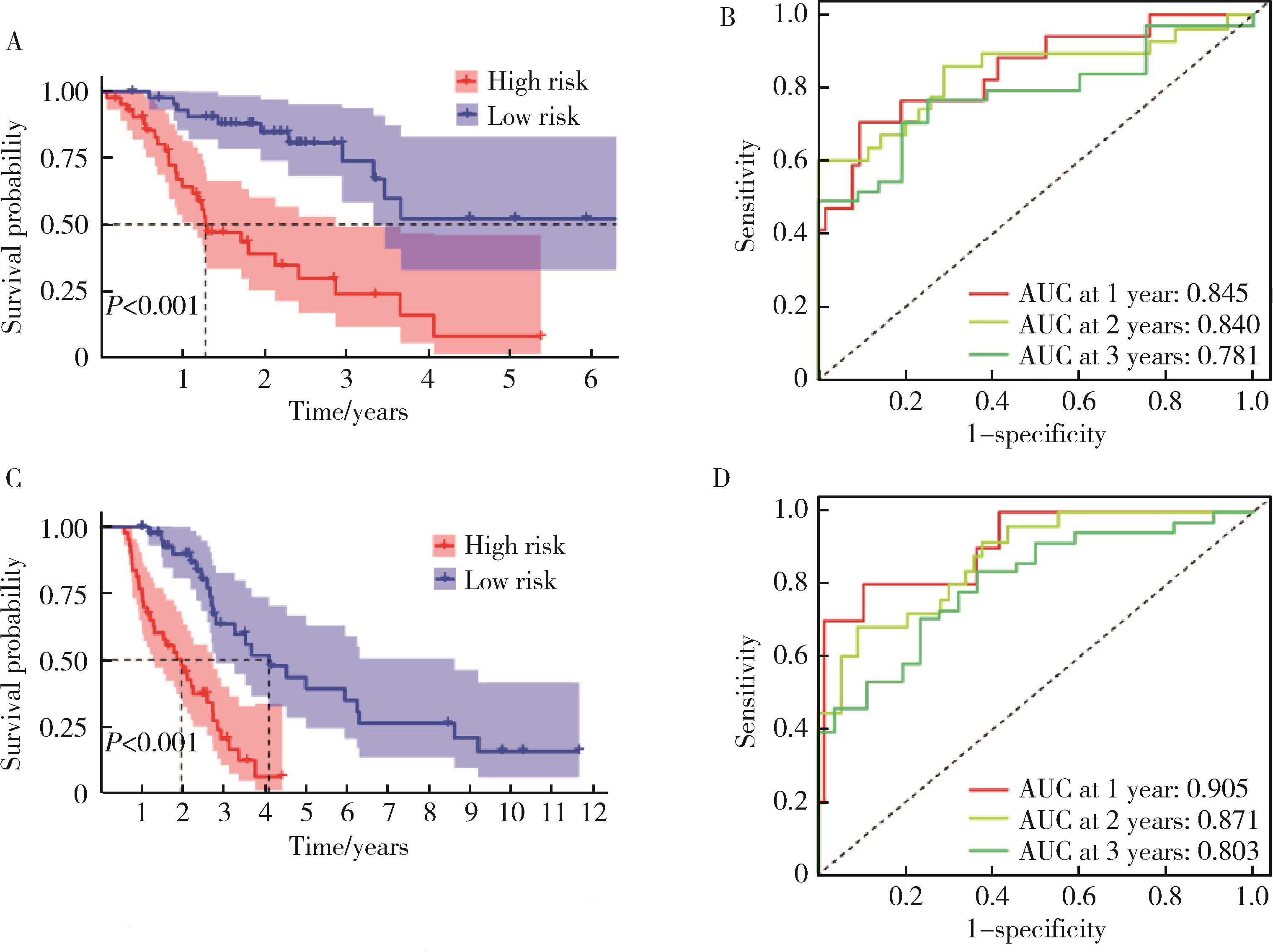
预测模型与非小细胞肺癌患者预后的相关性"

图5

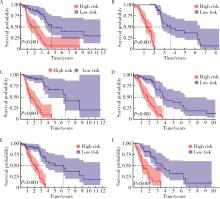
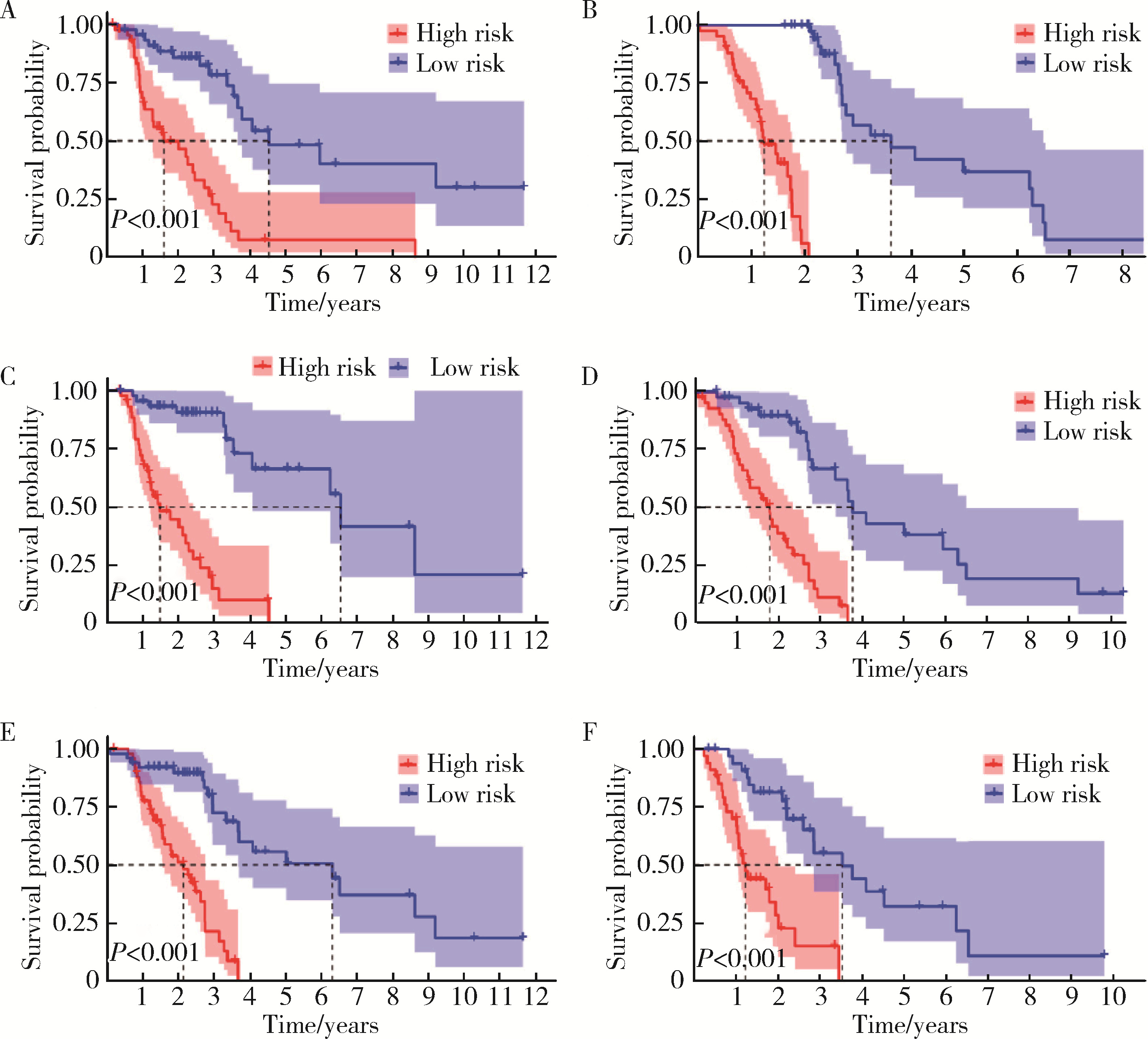
不同临床变量对总生存期的预测"

表1

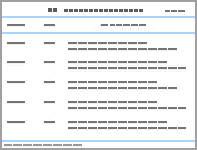
训练数据集和验证数据集患者临床特征"

Items Total number of datasets (n=175) Training dataset (n=88) Validation dataset (n=87)
Age/years, n (%)
    ≤65 90 (51.43) 45 (51.14) 45 (51.72)
    >65 85 (48.57) 43 (48.86) 42 (48.28)
Gender, n (%)
    Male 84 (48.00) 43 (48.86) 41 (47.13)
    Female 91 (52.00) 45 (51.14) 46 (52.87)
Stage, n (%)
    Ⅰ+Ⅱ 103 (58.86) 49 (55.68) 54 (62.07)
    Ⅲ+Ⅳ 69 (39.43) 37 (42.05) 22 (25.29)
    Unknown 3 (1.71) 2 (2.27) 1 (1.15)
T, n (%)
    T1+T2 133 (76.00) 69 (78.41) 64 (73.56)
    T3+T4 40 (22.86) 18 (20.45) 22 (25.29)
    TX+unknown 2 (1.14) 1 (1.14) 1 (1.15)
M, n (%)
    M0 122 (69.71) 61 (69.32) 61 (70.11)
    M1 10 (5.71) 3 (3.41) 7 (8.05)
    MX+unknown 42 (24.00) 24 (27.27) 19 (21.84)
N, n (%)
    N0 82 (46.86) 40 (45.45) 42 (48.28)
    N1+N2 86 (49.14) 44 (5.00) 42 (48.28)
    N3 3 (1.71) 2 (2.27) 1 (1.15)
    NX+unknown 4 (2.29) 2 (2.27) 2 (2.30)

图6

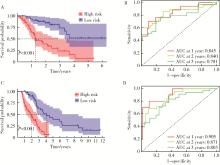
训练数据集与验证数据集的验证结果"

1
Siegel RL , Miller KD , Jemal A . Cancer statistics[J]. CA Cancer J Clin, 2020, 70 (1): 7- 30.

doi: 10.3322/caac.21590
2
Nooreldeen R , Bach H . Current and future development in lung cancer diagnosis[J]. Int J Mol Sci, 2021, 22 (16): 8661.

doi: 10.3390/ijms22168661
3
Wu F , Wang L , Zhou C . Lung cancer in China: Current and prospect[J]. Curr Opin Oncol, 2021, 33 (1): 40- 46.

doi: 10.1097/CCO.0000000000000703
4
Vinod SK , Hau E . Radiotherapy treatment for lung cancer: Current status and future directions[J]. Respirology, 2020, 25 (Suppl 2): 61- 71.
5
Citrin DE . Recent developments in radiotherapy[J]. N Engl J Med, 2017, 377 (11): 1065- 1075.

doi: 10.1056/NEJMra1608986
6
Baidoo KE , Yong K , Brechbiel MW . Molecular pathways: Targeted α-particle radiation therapy[J]. Clin Cancer Res, 2013, 19 (3): 530- 537.

doi: 10.1158/1078-0432.CCR-12-0298
7
Azzam EI , Jay-Gerin JP , Pain D . Ionizing radiation-induced metabolic oxidative stress and prolonged cell injury[J]. Cancer Lett, 2012, 327 (1/2): 48- 60.
8
Dixon SJ , Lemberg KM , Lamprecht MR , et al. Ferroptosis: An iron-dependent form of nonapoptotic cell death[J]. Cell, 2012, 149 (5): 1060- 1072.

doi: 10.1016/j.cell.2012.03.042
9
Tang D , Kang R , Berghe TV , et al. The molecular machinery of regulated cell death[J]. Cell Res, 2019, 29 (5): 347- 364.

doi: 10.1038/s41422-019-0164-5
10
Kuang F , Liu J , Tang D , et al. Oxidative damage and antioxidant defense in ferroptosis[J]. Front Cell Dev Biol, 2020, 8, 586578.

doi: 10.3389/fcell.2020.586578
11
Yang WS , Stockwell BR . Ferroptosis: Death by lipid peroxidation[J]. Trends Cell Biol, 2016, 26 (3): 165- 176.

doi: 10.1016/j.tcb.2015.10.014
12
Lang X , Green MD , Wang W , et al. Radiotherapy and immunotherapy promote tumoral lipid oxidation and ferroptosis via synergistic repression of SLC7A11[J]. Cancer Discov, 2019, 9 (12): 1673- 1685.

doi: 10.1158/2159-8290.CD-19-0338
13
Lei G , Zhang Y , Koppula P , et al. The role of ferroptosis in ionizing radiation-induced cell death and tumor suppression[J]. Cell Res, 2020, 30 (2): 146- 162.

doi: 10.1038/s41422-019-0263-3
14
Spizzo R , Almeida MI , Colombatti A , et al. Long non-coding RNAs and cancer: A new frontier of translational research?[J]. Oncogene, 2012, 31 (43): 4577- 4587.

doi: 10.1038/onc.2011.621
15
Li CH , Chen Y . Targeting long non-coding RNAs in cancers: Progress and prospects[J]. Int J Biochem Cell Biol, 2013, 45 (8): 1895- 1910.

doi: 10.1016/j.biocel.2013.05.030
16
Zhou M , Guo M , He D , et al. A potential signature of eight long non-coding RNAs predicts survival in patients with non-small cell lung cancer[J]. J Transl Med, 2015, 13, 231.

doi: 10.1186/s12967-015-0556-3
17
Han L , Zhang EB , Yin DD , et al. Low expression of long nonco-ding RNA PANDAR predicts a poor prognosis of non-small cell lung cancer and affects cell apoptosis by regulating Bcl-2[J]. Cell Death Dis, 2015, 6 (2): e1665.

doi: 10.1038/cddis.2015.30
18
Nie FQ , Sun M , Yang JS , et al. Long noncoding RNA ANRIL promotes non-small cell lung cancer cell proliferation and inhibits apoptosis by silencing KLF2 and P21 expression[J]. Mol Cancer Ther, 2015, 14 (1): 268- 277.

doi: 10.1158/1535-7163.MCT-14-0492
19
Yang X , Song JH , Cheng Y , et al. Long non-coding RNA HNF1A-AS1 regulates proliferation and migration in oesophageal adenocarcinoma cells[J]. Gut, 2014, 63 (6): 881- 890.

doi: 10.1136/gutjnl-2013-305266
20
Yang YR , Zang SZ , Zhong CL , et al. Increased expression of the lncRNA PVT1 promotes tumorigenesis in non-small cell lung can-cer[J]. Int J Clin Exp Pathol, 2014, 7 (10): 6929- 6935.
21
Chen Q , Ma X , Xie L , et al. Iron-based nanoparticles for MR imaging-guided ferroptosis in combination with photodynamic therapy to enhance cancer treatment[J]. Nanoscale, 2021, 13 (9): 4855- 4870.

doi: 10.1039/D0NR08757B
22
Ghoochani A , Hsu EC , Aslan M , et al. Ferroptosis inducers are a novel therapeutic approach for advanced prostate cancer[J]. Cancer Res, 2021, 81 (6): 1583- 1594.

doi: 10.1158/0008-5472.CAN-20-3477
23
Li H , Li L , Xue C , et al. A novel ferroptosis-related gene signature predicts overall survival of breast cancer patients[J]. Biology (Basel), 2021, 10 (2): 151.
24
Zheng J , Zhou Z , Qiu Y , et al. A prognostic ferroptosis-related lncRNA signature associated with immune landscape and radio-therapy response in glioma[J]. Front Cell Dev Biol, 2021, 9, 675555.

doi: 10.3389/fcell.2021.675555
25
Ye LF , Chaudhary KR , Zandkarimi F , et al. Radiation-induced lipid peroxidation triggers ferroptosis and synergizes with ferroptosis inducers[J]. ACS Chem Biol, 2020, 15 (2): 469- 484.

doi: 10.1021/acschembio.9b00939
26
Weber DG , Johnen G , Casjens S , et al. Evaluation of long noncoding RNA MALAT1 as a candidate blood-based biomarker for the diagnosis of non-small cell lung cancer[J]. BMC Res Notes, 2013, 6, 518.

doi: 10.1186/1756-0500-6-518
27
Tantai J , Hu D , Yang Y , et al. Combined identification of long non-coding RNA XIST and HIF1A-AS1 in serum as an effective screening for non-small cell lung cancer[J]. Int J Clin Exp Pathol, 2015, 8 (7): 7887- 7895.
28
Tong YS , Wang XW , Zhou XL , et al. Identification of the long non-coding RNA POU3F3 in plasma as a novel biomarker for diagnosis of esophageal squamous cell carcinoma[J]. Mol Cancer, 2015, 14, 3.
29
Chen M , Wu D , Tu S , et al. A novel biosensor for the ultrasensitive detection of the lncRNA biomarker MALAT1 in non-small cell lung cancer[J]. Sci Rep, 2021, 11 (1): 3666.

doi: 10.1038/s41598-021-83244-7
30
Gupta RA , Shah N , Wang KC , et al. Long non-coding RNA HOTAIR reprograms chromatin state to promote cancer metastasis[J]. Nature, 2010, 464 (7291): 1071- 1076.

doi: 10.1038/nature08975
31
Matouk IJ , DeGroot N , Mezan S , et al. The H19 non-coding RNA is essential for human tumor growth[J]. PLoS One, 2007, 2 (9): e845.

doi: 10.1371/journal.pone.0000845
32
Colombo T , Farina L , Macino G , et al. PVT1:A rising star among oncogenic long noncoding RNAs[J]. Biomed Res Int, 2015, 2015, 304208.
33
Zhu SY , Zou HC , Gao MM , et al. LncRNA GIHCG promoted the proliferation and migration of renal cell carcinoma through regulating miR-499a-5p/XIAP axis[J]. Transl Oncol, 2022, 20, 101356.

doi: 10.1016/j.tranon.2022.101356
34
Yap KL , Li S , Muñoz-Cabello AM , et al. Molecular interplay of the noncoding RNA ANRIL and methylated histone H3 lysine 27 by polycomb CBX7 in transcriptional silencing of INK4a[J]. Mol Cell, 2010, 38 (5): 662- 674.

doi: 10.1016/j.molcel.2010.03.021
35
Hua Q , Jin M , Mi B , et al. LINC01123, a c-Myc-activated long non-coding RNA, promotes proliferation and aerobic glycolysis of non-small cell lung cancer through miR-199a-5p/c-Myc axis[J]. J Hematol Oncol, 2019, 12 (1): 91.

doi: 10.1186/s13045-019-0773-y
36
Sun J , Zhang Z , Bao S , et al. Identification of tumor immune infiltration-associated lncRNA for improving prognosis and immunotherapy response of patients with non-small cell lung cancer[J]. J Immunother Cancer, 2020, 8 (1): e000110.

doi: 10.1136/jitc-2019-000110
37
Wang M , Mao C , Ouyang L , et al. Long noncoding RNA LINC00336 inhibits ferroptosis in lung cancer by functioning as a competing endogenous RNA[J]. Cell Death Differ, 2019, 26 (11): 2329- 2343.

doi: 10.1038/s41418-019-0304-y
38
Yao J , Chen X , Liu X , et al. Characterization of a ferroptosis and iron-metabolism related lncRNA signature in lung adenocarcinoma[J]. Cancer Cell Int, 2021, 21 (1): 340.

doi: 10.1186/s12935-021-02027-2
[1] 黄万伟, 沙显燊, 张艺宝, 伍国豪, 骆峰, 陈智慧, 叶东明, 李学松, 赖彩永. 完全3D腹腔镜回肠代双侧输尿管联合膀胱扩大术修复放射治疗后双侧输尿管狭窄并膀胱挛缩[J]. 北京大学学报(医学版), 2025, 57(4): 789-795.
[2] 赵柯林, 夏雪, 史乃旭, 周韩, 盖婧雯, 李萍. 铁死亡标志物4-HNE在系统性硬化症细胞模型中的表达及意义[J]. 北京大学学报(医学版), 2024, 56(6): 950-955.
[3] 田素青, 孙海涛, 赵田地, 王巍. 6D治疗床辅助影像引导下放射治疗头颈部肿瘤摆位误差分析[J]. 北京大学学报(医学版), 2024, 56(6): 1097-1100.
[4] 彭圣嘉,祁雨,孙丽杰,李丹,王新宇,韩江莉,陈宝霞,张媛. 传入压力反射衰竭合并低钠血症1例[J]. 北京大学学报(医学版), 2024, 56(2): 357-361.
[5] 姜海红,李小凡,王建六. 宫颈癌慢性放射性肠炎与肠道微生物的关系[J]. 北京大学学报(医学版), 2023, 55(4): 619-624.
[6] 李东,邸吉廷,熊焰. 程序性细胞死亡1-配体1在不同免疫组织化学染色方法的一致性比较[J]. 北京大学学报(医学版), 2023, 55(2): 339-342.
[7] 朱巧,任翠,张艳,李美娇,王晓华. 能谱CT诊断非小细胞肺癌纵隔淋巴结转移的应用价值[J]. 北京大学学报(医学版), 2020, 52(4): 730-737.
[8] 王皓,姜树坤,彭冉,黄毅,王明清,王俊杰,刘承,张帆,马潞林. 个体化尿量控制提高泌尿肿瘤放疗期间膀胱稳定性[J]. 北京大学学报(医学版), 2020, 52(4): 688-691.
[9] 欧阳雨晴,倪莲芳,刘新民. 恶性孤立性肺结节患者预后因素分析[J]. 北京大学学报(医学版), 2020, 52(1): 158-162.
[10] 张春凤,刘云,陆敏,杜晓娟. hUTP14a在非小细胞肺癌组织中的表达[J]. 北京大学学报(医学版), 2019, 51(1): 145-150.
[11] 郭福新,姜玉良,吉喆,彭冉,孙海涛,王俊杰. 3D打印非共面模板辅助CT引导125Ⅰ粒子植入治疗锁骨上复发转移癌的剂量学研究[J]. 北京大学学报(医学版), 2017, 49(3): 506-511.
[12] 王庆国,李晓梅,张敏,李航,温冰,李洪振,高献书. 107例瘢痕疙瘩术后两种分割剂量放疗疗效分析[J]. 北京大学学报(医学版), 2014, 46(1): 169-172.
[13] 武金玉, 陈敏华, 严昆, 张晖, 王惠莉, 霍苓, 杨薇, 宋一平. 超声引导射频消融术应用于治疗肝转移癌[J]. 北京大学学报(医学版), 2001, 33(5): 449-451.
Viewed
Full text


Abstract

Cited

  Shared   
  Discussed   
No Suggested Reading articles found!